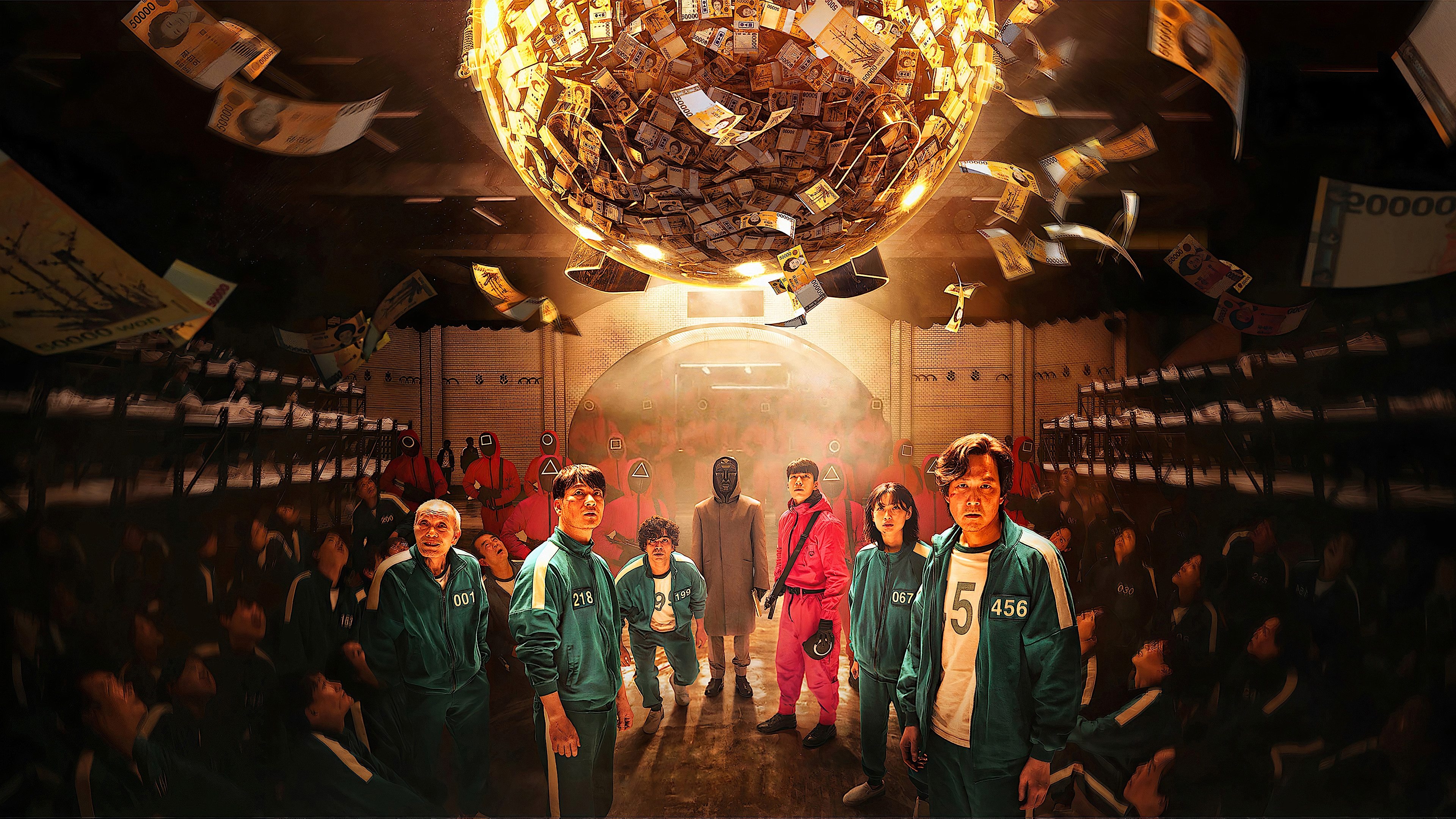
If you haven’t experienced Squid Game yet, you’re missing one of the most significant television events of the past few years. When Hwang Dong-hyuk’s creation debuted on Netflix in September 2021, it didn’t just premiere—it exploded into the cultural consciousness in a way that felt genuinely unprecedented for a Korean-language series reaching a global audience. What started as another streaming release quickly became a phenomenon that rewired how we talk about television, inequality, and storytelling itself.
What makes Squid Game so remarkable is how it weaponizes simplicity. The premise—desperate people competing in children’s games for prize money—sounds almost absurdly straightforward. But Hwang Dong-hyuk understood something fundamental about drama: constraint breeds intensity. By grounding his narrative in familiar, almost mundane settings and games we all recognize from childhood, he created space for something far more complex to unfold. The show doesn’t need elaborate spectacle; it needs humanity, desperation, and the slow moral erosion of people pushed to their limits.
The three-season arc spanning 22 episodes demonstrates remarkable structural discipline. Rather than sprawling across the typical prestige TV formula, Squid Game knew exactly how long its story needed to breathe. That measured approach—respecting viewer time while maximizing emotional impact—is something many shows struggle with. The 7.9/10 rating, while solid, almost undersells what audiences responded to emotionally, because ratings don’t capture cultural penetration the way viral moments and water-cooler conversations do.
> The show’s genius lies in its ability to make viewers complicit. You find yourself rooting for morally compromised characters, questioning your own values, and sitting in genuine discomfort.
Let’s talk about what made Squid Game culturally inescapable. The imagery alone became iconic—those oversized doll heads, the vibrant track suits, the geometric guards in their masks. But beyond aesthetics, the show sparked urgent conversations about economic anxiety, debt, and systems of exploitation. It arrived at precisely the moment when global audiences were grappling with post-pandemic inequality and financial precarity. The show didn’t create these themes; it simply held up a mirror that was impossible to look away from.
Key thematic pillars that resonated:
- Economic desperation as a character driver – Money doesn’t just motivate the plot; it defines every relationship and moral choice
- Childhood corruption – Using innocent games as instruments of death interrogates how capitalism preys on vulnerability
- Class mechanics – The show never lets viewers forget that survival is determined by existing hierarchies and connections
- Collective trauma – Characters are bonded not by hope but by shared horror and loss
The show’s structural approach to pacing deserves specific praise. With episodes of unknown runtime, Hwang Dong-hyuk had the freedom to let scenes breathe without commercial breaks dictating rhythm. A conversation between characters could stretch as long as necessary, building tension through dialogue rather than plot mechanics. A game could unfold with agonizing slowness. This flexibility created a viewing experience that felt more like consuming a novel than traditional television—immersive, uncompromising, demanding your full attention.
What’s fascinating is how Squid Game reinvigorated conversation about what streaming television could be. Netflix built its empire on volume and algorithmic recommendation, but this show succeeded because of its singular creative vision. Hwang Dong-hyuk wasn’t building a franchise or chasing trends; he was adapting a story concept he’d carried for over a decade, finally finding the right platform and moment for its release. That authenticity radiates through every frame.
The cast deserves mention too—Lee Jung-jae, Jung Ho-yeon, Park Hae-soo, and the ensemble created characters who felt lived-in and specific rather than archetypal. These weren’t heroes and villains; they were people with competing needs, contradictory impulses, and impossible choices. The show trusted its cast to find depth in material that could have been exploitative in lesser hands.
Why the show achieved what it did:
- Universal accessibility wrapped in specificity – The games are recognizable globally, but the narrative grounds itself in distinctly Korean social anxieties
- Moral complexity without easy answers – Characters aren’t punished for being “bad,” and good intentions don’t guarantee survival
- Visual storytelling that transcends language – Even subtitle-fatigued viewers found themselves captivated by composition and design
- Refusal to sentimentalize suffering – The show respects viewer intelligence enough to avoid emotional manipulation
As the show has concluded and achieved its “Ended” status, Squid Game has solidified itself as more than a hit—it’s a watershed moment in global television. It demonstrated that audiences worldwide craved substantive drama with something to say about contemporary life. It proved that Netflix’s global reach could amplify diverse voices in ways traditional media never could. And it showed that sometimes the most powerful stories come not from chasing what’s trendy, but from a single creator with a vision patient enough to wait for the right moment.
If you’re still sleeping on this one, change that immediately.

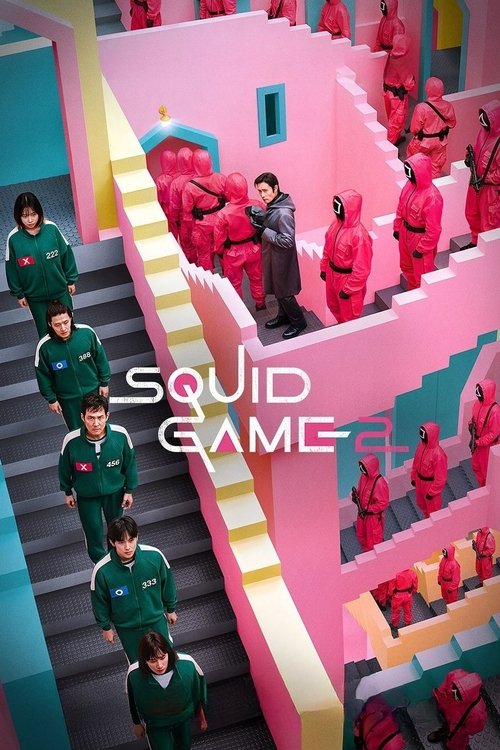


![Official Trailer [Subtitled]](https://img.youtube.com/vi/oqxAJKy0ii4/maxresdefault.jpg)
![Official Teaser #1 [ENG SUB]](https://img.youtube.com/vi/5oFn2eodVD0/maxresdefault.jpg)