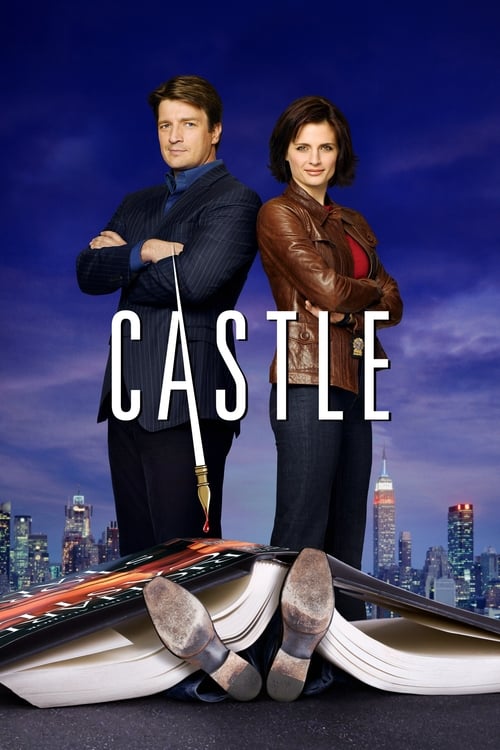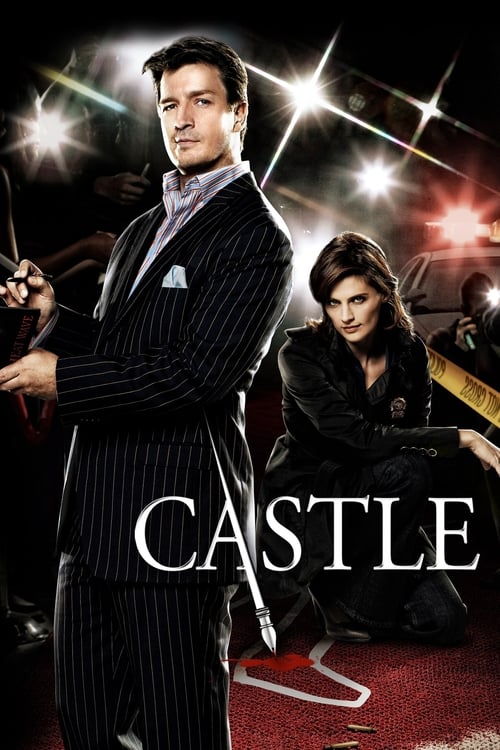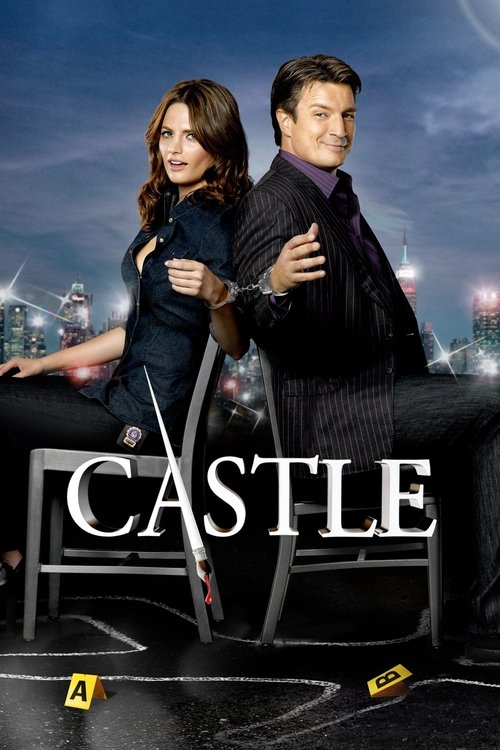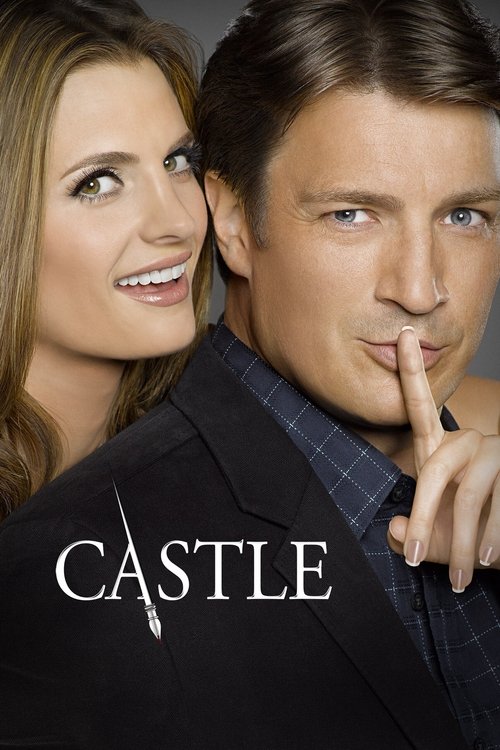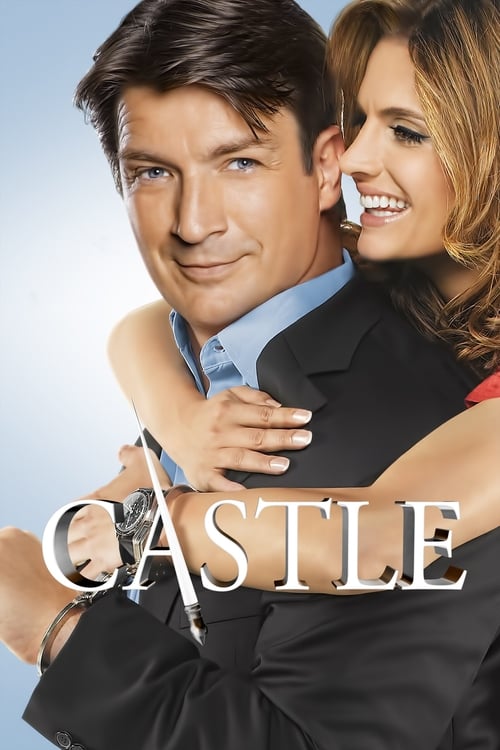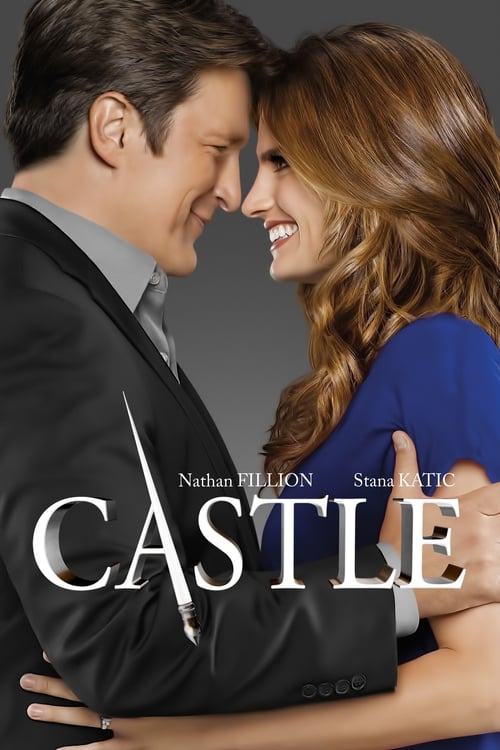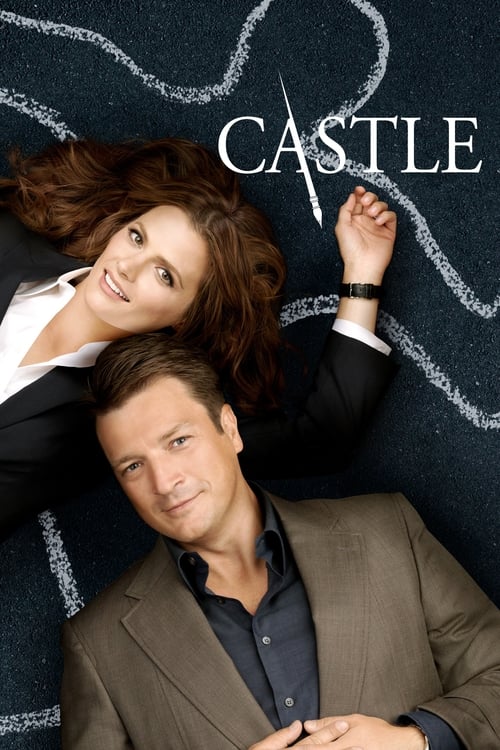
You know that feeling when a show just clicks? When the premise seems almost too simple on paper, but something about it transforms into must-watch television? That’s what Castle managed to pull off for eight incredible seasons starting back in 2009. Andrew W. Marlowe created something that looked like a straightforward crime procedural on the surface—famous mystery novelist Richard Castle teams up with a no-nonsense NYPD detective—but what he actually built was a masterclass in how to sustain a series through character chemistry, layered storytelling, and genuine emotional stakes.
When Castle premiered on ABC, the procedural drama landscape was absolutely crowded. You had CSI, Law & Order, Criminal Minds—all doing their thing competently. But Castle arrived with a different energy. Instead of leading with forensics or psychological profiles, Marlowe centered the show on two complicated, witty people forced into proximity. The beauty of the 45-minute runtime was that it allowed breathing room for both the case-of-the-week mystery elements and the slower-burn character development that would eventually become the show’s heartbeat. Those episodes weren’t just solving murders; they were watching two people negotiate attraction, respect, and vulnerability while standing over crime scenes.
The creative decision to balance procedural satisfaction with romantic tension was genuinely bold for network television. Most shows want you to pick a lane—either commit fully to the case work or lean into the soap opera elements. Castle insisted on doing both, and what’s remarkable is that it mostly succeeded. The 173 episodes across those eight seasons tell an arc that respects both the mystery elements and the character journey. You could jump into almost any random episode and enjoy a solid crime story, but if you watched chronologically, you were witnessing a genuine relationship develop in real time, with setbacks and breakthroughs that felt earned rather than manufactured.
The show maintained an 8.0/10 rating across its run, which speaks to how audiences responded to what Marlowe was doing. That’s not a “so bad it’s good” rating or a cult favorite thing—that’s solid, respectable television that large numbers of people genuinely loved.
> The real magic of Castle was that it understood something fundamental: the best TV dramas aren’t really about solving the mystery. They’re about watching characters we care about navigate impossible situations.
Why audiences connected:
- Chemistry that felt authentic: Nathan Fillion and Stana Katic had a rapport that elevated every scene they shared. Their banter didn’t feel written; it felt lived-in.
- Supporting cast depth: The precinct detectives weren’t just comic relief. People like Javier Esposito and Kevin Ryan became beloved characters with their own arcs and growth.
- Tonal balance: The show could deliver genuine emotional moments without abandoning its sense of humor. Castle could crack jokes while also being vulnerable.
- Serialization done right: While each episode wrapped up a case, the larger mythology and character relationships built across seasons kept viewers invested in the long game.
If we’re talking cultural footprint, Castle became one of those shows that generated genuine water-cooler conversations. The will-they-won’t-they between Castle and Beckett wasn’t annoying—it was compelling. When they finally got together, it wasn’t a jump-the-shark moment; it felt like a natural culmination that the show had earned. That’s remarkably difficult to pull off, and the fact that Castle managed it across multiple seasons speaks to the writers’ room and the actors’ commitment to the material.
The show also occupied an interesting space in terms of how it portrayed its detective lead. Detective Kate Beckett wasn’t a standard procedural cop—she had layers, vulnerabilities, an actual internal life beyond “solving crimes.” Marlowe refused to let her be a supporting player in her own story, which meant that Castle became as much about her journey as it was about the cases. That shift toward female-centered narratives in crime dramas wasn’t accidental; it was central to the show’s DNA.
What’s particularly worth noting is how Castle handled its 45-minute episode structure. That’s actually a generous amount of real estate for television storytelling. Unlike shows that rush through plotting to service faster narrative beats, Castle had time to develop relationships, plant character moments, and let scenes breathe. You could have a full crime investigation, genuine character work, and relationship development in a single episode without feeling overstuffed.
The decision to conclude the series after eight seasons, even though it was cancelled rather than planned, speaks to something about the show’s approach to storytelling. By that point, Castle had told the core story it wanted to tell. The relationship had evolved, the cases had explored different dimensions of the characters, and the show had maintained quality across its run rather than dragging on until it became parody of itself.
Looking back now, Castle deserves recognition as a show that proved network television could be sophisticated about character work while still delivering the procedural satisfaction audiences craved. It found an audience that loved it enough to sustain 173 episodes, and those episodes remain genuinely watchable if you want crime drama with actual emotional stakes. Whether you’re streaming it through Amazon Prime Video or Hulu, the show holds up because at its core, it was always about two people figuring out how to work together—and eventually, live together. That’s timeless stuff.