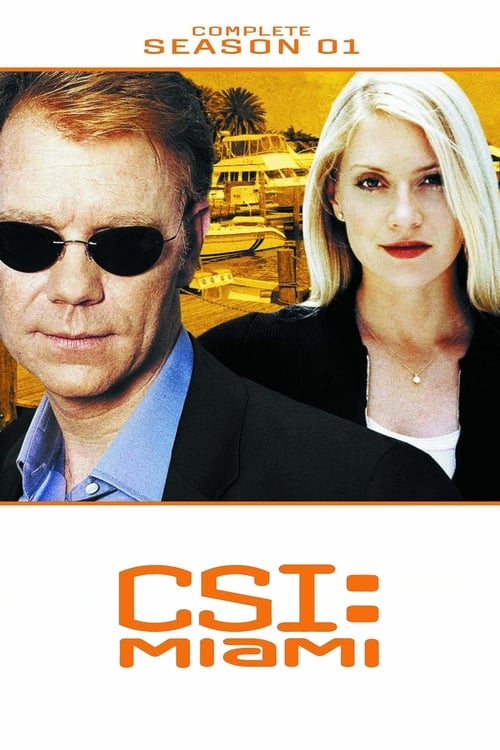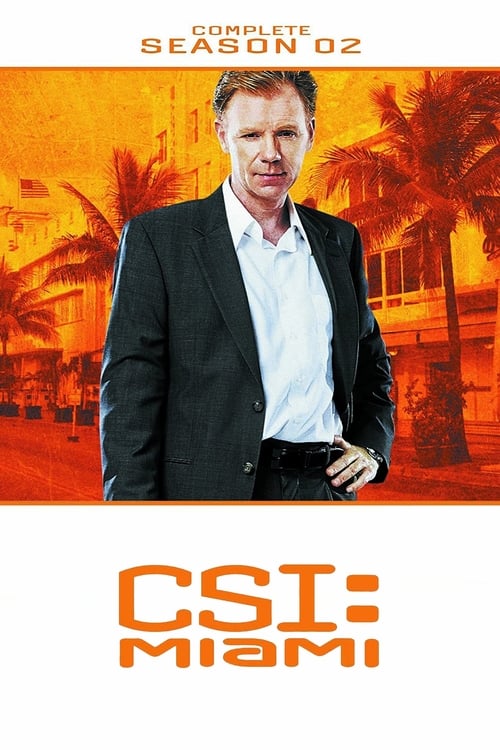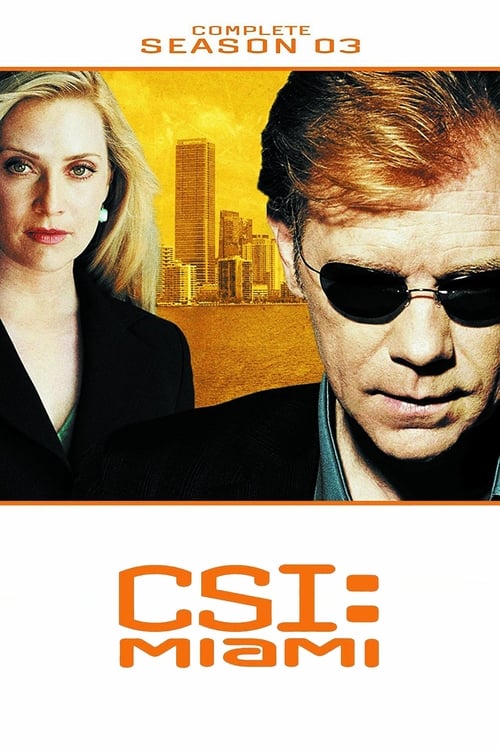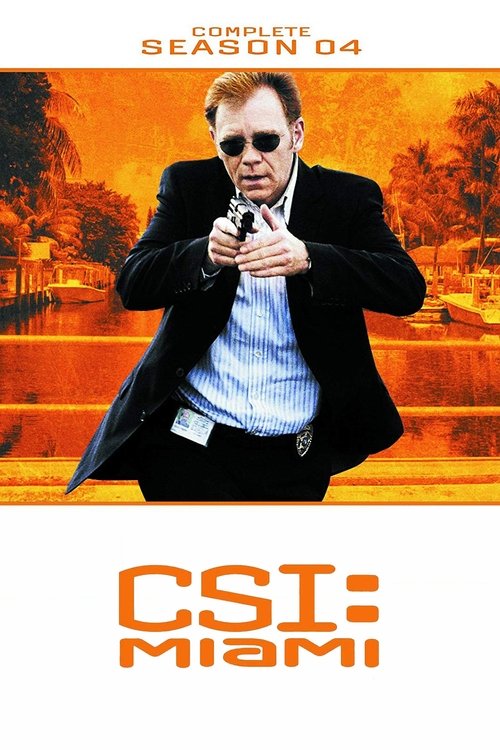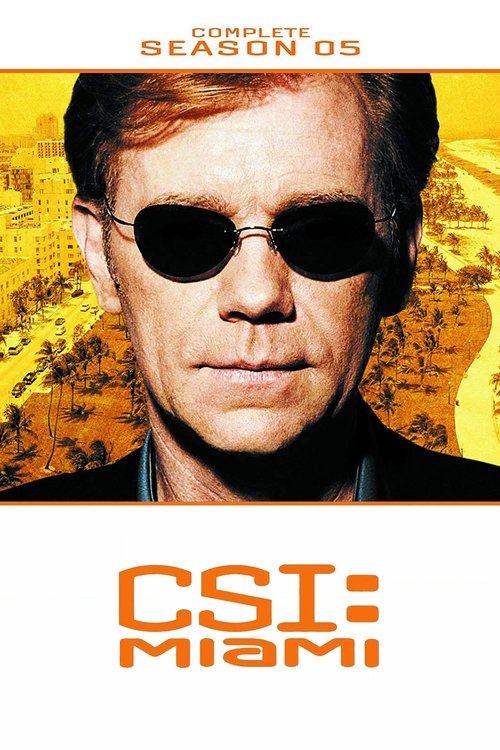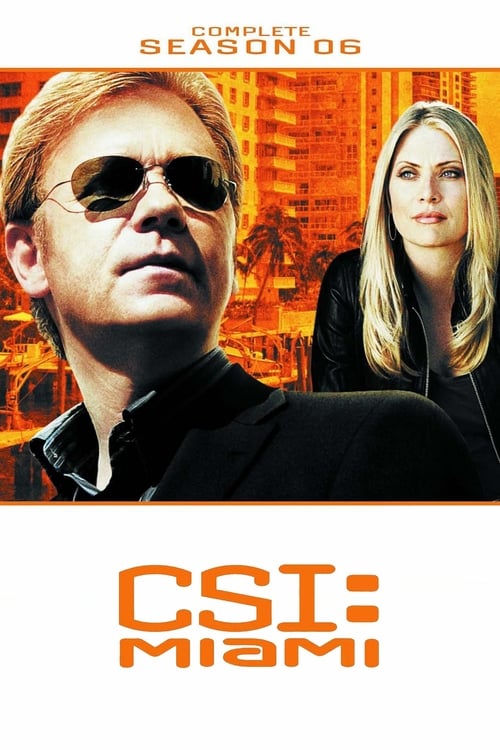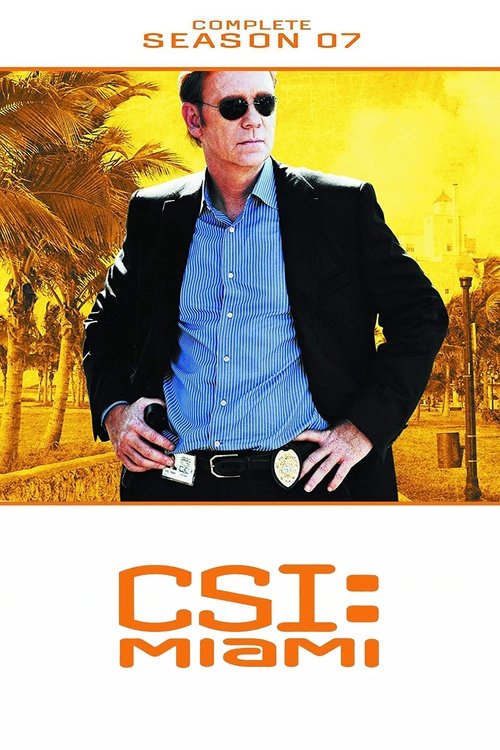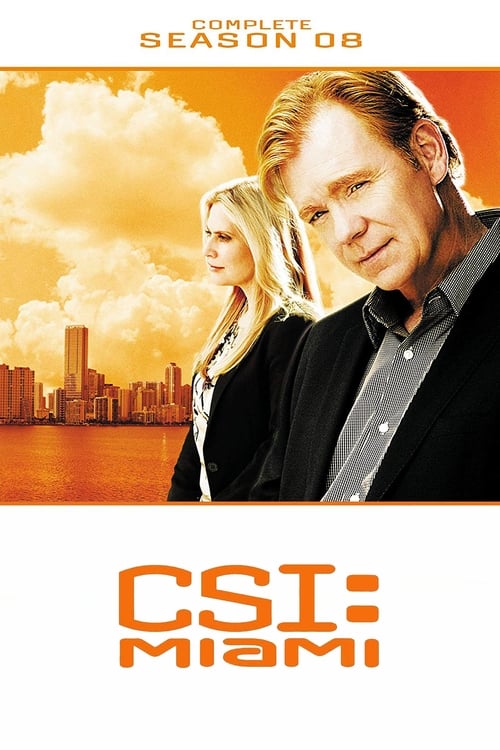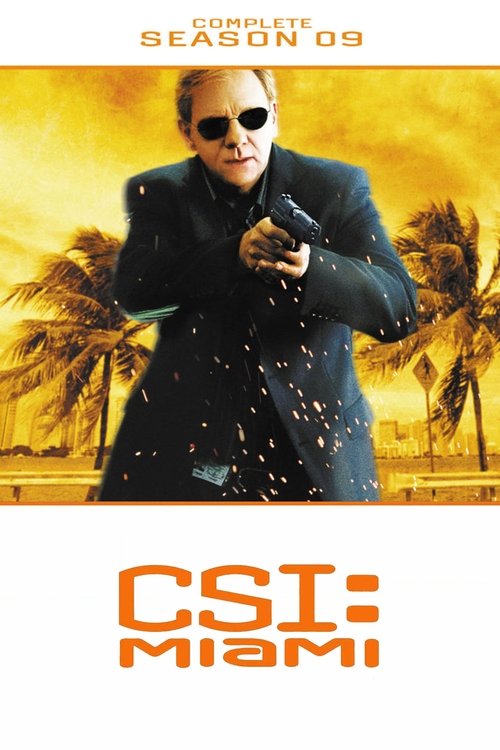
If you want to understand why CSI: Miami became such a cultural phenomenon, you have to start with the boldness of its premise. When the show premiered on September 23, 2002, it arrived as a spinoff to an already-massive franchise, but it didn’t try to replicate what made the original CSI work. Instead, creators Ann Donahue, Carol Mendelsohn, and Anthony E. Zuiker reimagined forensic investigation through a completely different lens—literally and figuratively. They took the procedural formula and transplanted it to the neon-soaked streets of Miami, creating something that felt simultaneously like hard crime drama and visual spectacle. That tonal balance became the show’s signature move, and audiences responded immediately, with the series dominance in its premiere week signaling that CBS had another hit on its hands.
What made CSI: Miami genuinely innovative was how it weaponized its setting. Miami wasn’t just a backdrop; it was a character itself. The 42-minute runtime allowed the creators to pace their storytelling in a way that gave equal weight to the forensic puzzle and the atmospheric storytelling. Every episode felt like it was operating on multiple levels—there was the procedural satisfaction of watching evidence lead investigators closer to truth, but there was also this palpable sense of danger and moral complexity that seemed specific to the location. The show understood that crime in Miami carried different weight, different implications, than crime anywhere else.
> The genius of CSI: Miami lay in its understanding that procedure could be visually dynamic. David Caruso’s Horatio Caine didn’t just investigate crimes; he became an icon by making that investigation feel momentous, weighted with consequence.
The creative vision from Donahue, Mendelsohn, and Zuiker emphasized character-driven storytelling within the structure of a mystery-of-the-week format. This hybrid approach—blending episodic cases with serialized character arcs and personal stakes—became increasingly sophisticated as the show progressed through its 10-season run. The creators realized early on that audiences didn’t just want to solve crimes; they wanted to care about the people solving them. Horatio’s increasingly complicated personal history, the team dynamics, the moral gray areas that crept into investigations—these elements elevated what could have been a standard procedural into something more psychologically complex.
Over its 232 episodes, the show maintained a solid 7.7/10 rating, which speaks to its consistency. But here’s what that number doesn’t fully capture: the show’s ability to shift and evolve. Looking at the seasonal breakdown, you can see the trajectory—the show built steadily, with later seasons (particularly seasons 6 and 7) reaching 7.4 and 7.5) showing the writers hitting their stride. This wasn’t a show that peaked immediately and declined; it was a show that learned how to do what it did exceptionally well.
The cultural footprint of CSI: Miami became impossible to ignore. The show didn’t just spark conversation—it created memes before meme culture had fully crystallized. Horatio Caine’s dramatic one-liners, those signature sunglasses moments, the way the show committed so fully to its own aesthetic—it all became part of the broader television vocabulary. It was stylistically confident in a way that made it endlessly quotable and ripe for parody, yet the show never winked at the camera. That commitment to its own vision, even as it became iconic, was actually a strength.
What deserves real recognition is how the show influenced the procedural drama landscape. It proved that crime dramas didn’t have to be gritty and desaturated to feel authentic. CSI: Miami was vivid, almost lurid in its color palette, and it worked precisely because that visual language matched the content—these were crimes that happened in plain sight, in beautiful locations, with terrible consequences. The show asked: what does crime look like when it’s not happening in shadows? The answer it provided became deeply influential.
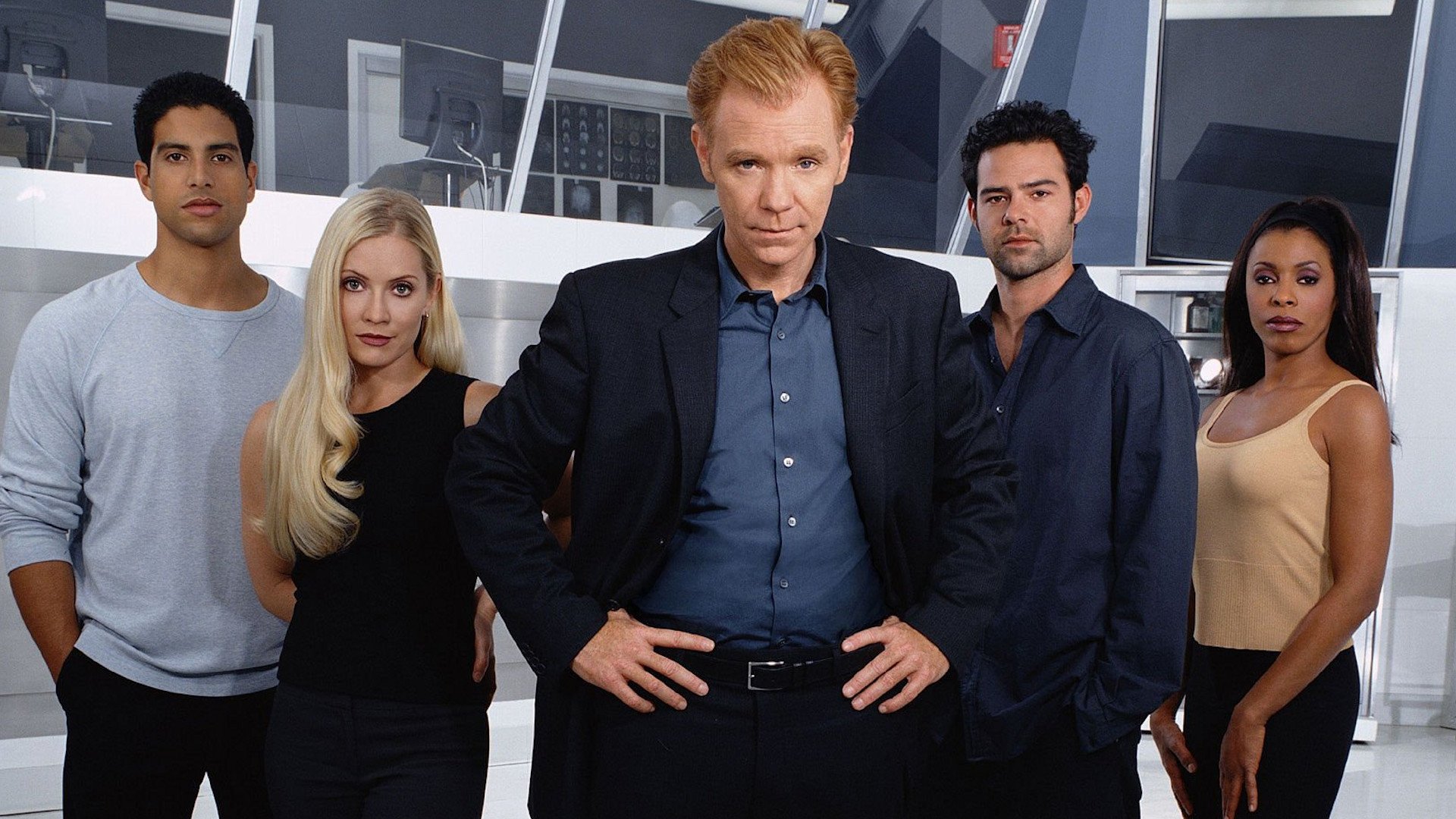
The ensemble cast work also deserves emphasis. While Caruso’s Horatio became the face of the franchise, the supporting players—Emily Procter, Jonathan Taco, Khandi Alexander, David Caruso—created a collaborative dynamic that felt genuinely like a team. The 42-minute episodes gave enough room for these characters to develop distinct personalities and methodologies without feeling like they were competing for screen time.
Streaming availability on Hulu, Paramount Plus, and various premium channels has introduced CSI: Miami to new audiences who discover why the show resonated so deeply with its original fanbase. The show had a complete arc—ten seasons that told a coherent story while maintaining the satisfaction of the procedural format. It knew when to end, which is perhaps the most underrated aspect of its legacy.
What ultimately makes CSI: Miami worth your time is its commitment to a particular vision of television storytelling. It wasn’t trying to be prestige drama, and it wasn’t trying to be pure pulp. It occupied its own space—visually distinctive, narratively compelling, and utterly unashamed about what it was. In an era of streaming and infinite content choices, that kind of confident genre filmmaking feels increasingly valuable.