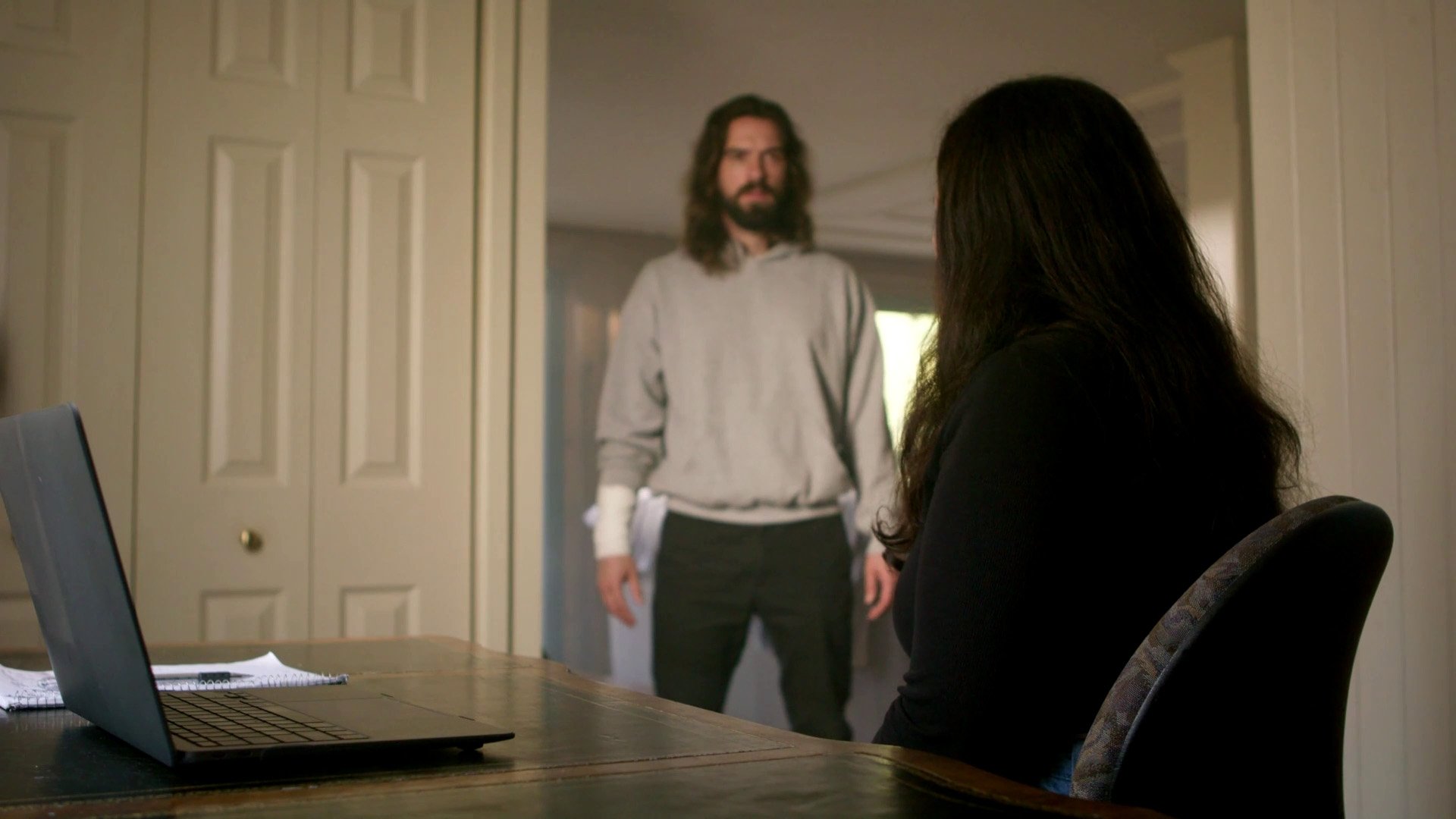
When Dream Eater came out in October 2025, it arrived with modest expectations. A found-footage horror film shot on a $100,000 budget by indie studio Blind Luck Pictures and distributed through Vortex Media and The Horror Section, it wasn’t the kind of project that typically commands attention in the crowded horror landscape. Yet what Alex Lee Williams created—alongside co-writers and co-directors Jay Drakulic and Mallory Drumm—turned out to be something worth discussing, even if the conversation has remained relatively underground since its theatrical debut.
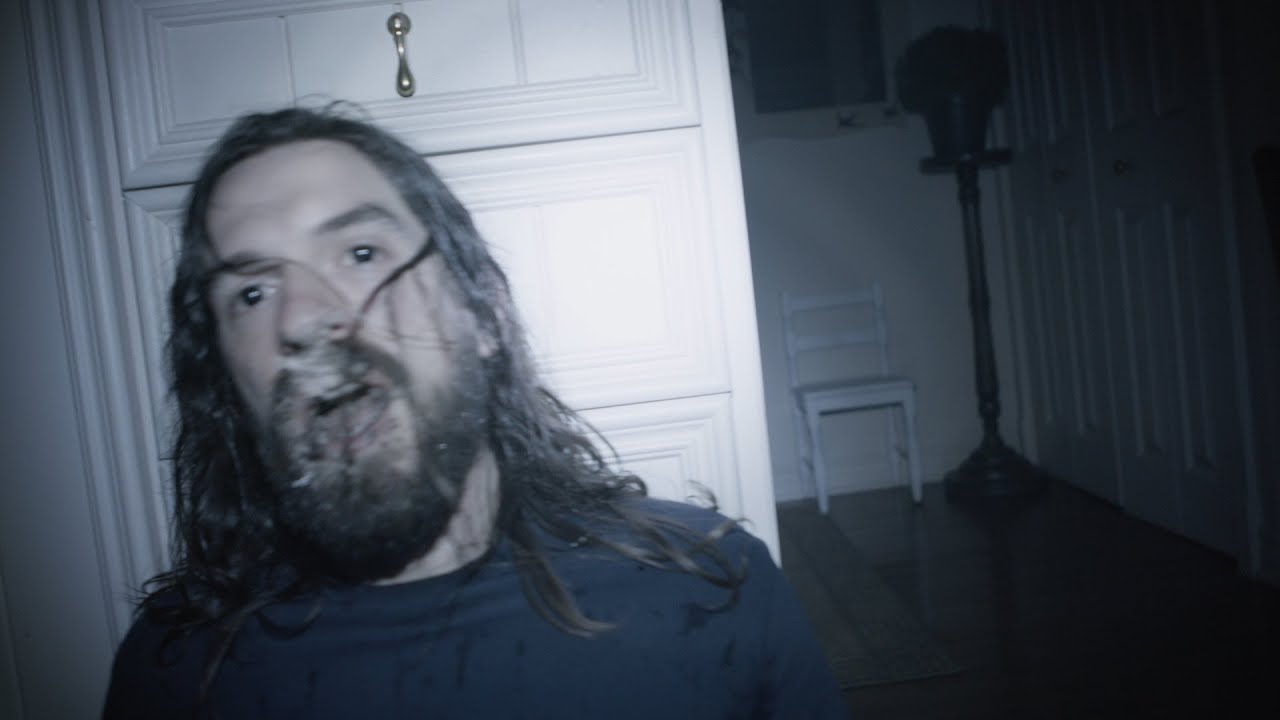
The premise is deceptively simple: a filmmaker documents her boyfriend’s violent parasomnia during a holiday at a remote cabin. That’s it. No elaborate mythology, no supernatural twist waiting in the third act. Just intimate terror captured through a camera lens, the way Williams chose to frame the story. At 90 minutes minutes, the film moves quickly, tightening its grip before you have time to question whether what you’re seeing is real or manufactured.
Why This Low-Budget Approach Matters
What makes Dream Eater significant isn’t its box office performance—the numbers there remain murky and likely modest. What matters is that Williams understood something fundamental about modern horror: the most unsettling films often feel like documents rather than stories. By placing himself in front of the camera alongside Mallory Drumm and David Richard, Williams collapsed the distance between filmmaker and subject. This isn’t a polished narrative where actors play roles. It’s a performance of documentary authenticity that blurs in exactly the way contemporary horror audiences find most disturbing.
The film premiered at the 29th edition of a festival circuit that includes the Unnamed Footage Festival and Beyond Fest, which tells you something about where this project was positioned. These aren’t mainstream venues. They’re spaces where horror cinema exists as an art form, where innovative approaches to genre matter more than star power. The critical reception reflects this positioning—a 5.3/10 rating from 20 votes on IMDb suggests a film that divides viewers, which is often the mark of something genuinely trying to do something different.
> The decision to keep the budget lean and the cast intimate creates a claustrophobic atmosphere that expensive production design couldn’t manufacture.
A Calculated Risk with Parasomnia as Concept
Parasomnia—violent sleep disorders—isn’t new territory for horror. The genre has explored nightmares and sleep-based terror before. But Williams approaches it as a documentary filmmaker, not a genre director building elaborate set pieces. The angle of attack here is psychological vulnerability. What happens when someone you love becomes dangerous without conscious intent? How do you film that without exploiting it? How do you maintain the relationship while documenting the threat?
These are questions that elevate Dream Eater beyond typical found-footage mechanics. The found-footage subgenre has been so oversaturated that most entries feel like exercises in format rather than explorations of what that format means. Williams treats the camera as a character itself—sometimes tool, sometimes witness, sometimes weapon. The girlfriend filming her boyfriend’s episodes is both documenting and participating in the crisis. There’s an uncomfortable ethical dimension to capturing someone’s mental health breakdown on camera that the film doesn’t shy away from.
The Creative Collaboration
The collaboration between Williams, Drakulic, and Drumm created something that couldn’t have existed as a solo project. Drumm, who also appears on screen, brought an actor’s understanding of performance and vulnerability. That matters enormously when you’re asking an audience to accept that what they’re watching is real. The distinction between acting and being collapses when the camera gets this close to genuine discomfort. David Richard’s presence in the cast adds another layer—a third person in the cabin dynamic, creating additional tension and complication.
This wasn’t a project that required major studio backing or A-list talent. Sometimes the most interesting horror comes from artists with something to prove and the freedom to fail without corporate oversight dictating every choice. The acquisition by Eli Roth’s distribution arm in August 2025 suggested that despite initial skepticism, something about Dream Eater caught the attention of someone who understands horror’s cutting edge.
Legacy and Lasting Resonance
Will Dream Eater change the trajectory of horror cinema? Probably not. The genre doesn’t typically shift based on small indie productions, no matter how interesting they are. But what the film does is continue a conversation about what horror can be when filmmakers prioritize discomfort over spectacle. In a year when horror audiences encountered everything from major studio franchises to streaming experiments, Dream Eater reminded viewers that some of the most affecting terror happens in confined spaces with minimal resources.
The Rotten Tomatoes score of 68% suggests critics found something worth defending, even if they weren’t unanimous in their enthusiasm. That middle ground—not universally loved, but respected by those who connect with it—often indicates a film with staying power among serious horror fans. These are the movies that get rewatched, discussed in forums, and gradually build a cult appreciation.
What Williams created with Dream Eater is a study in restraint. In an era of maximalist horror, where more gore and more jump scares are assumed to equal more impact, this film asks what happens when you remove everything except proximity and dread. The answer—captured across 90 minutes on a shoestring budget—is that sometimes less really is more terrifying.