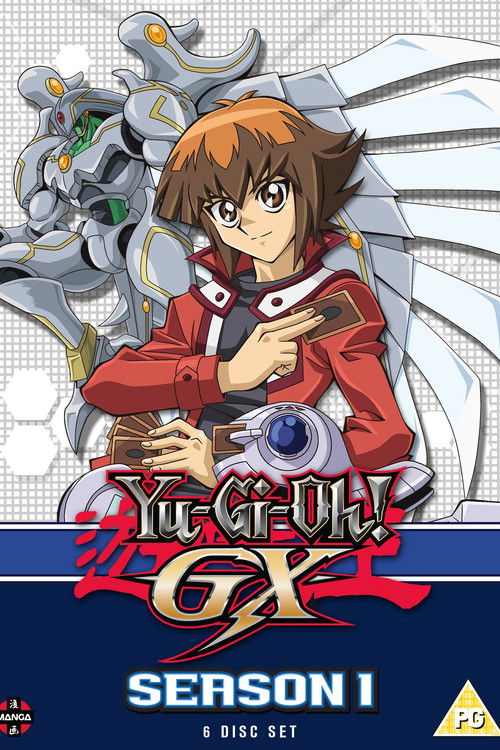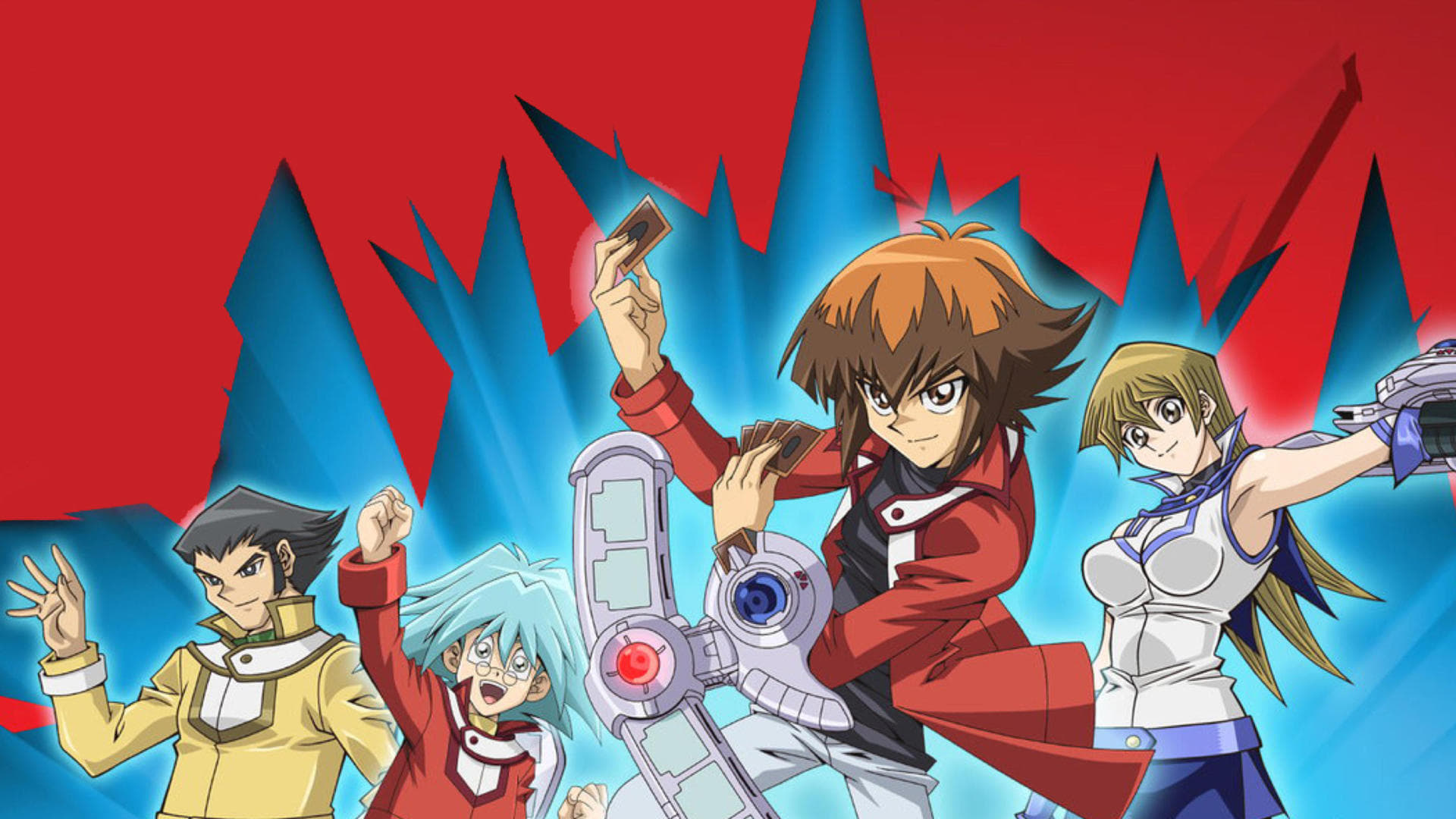
When Yu-Gi-Oh! GX premiered in October 2004, it arrived at a fascinating moment in anime television. The original Yu-Gi-Oh! had already captured audiences worldwide with its blend of card game strategy and shonen adventure, but GX took a different approach. Rather than following the legendary Yugi Muto, this series introduced us to Judai Yuuki, a scrappy underdog who enrolls at the prestigious Duel Academy with dreams of becoming the greatest duelist alive. It’s a premise that could’ve felt like a simple cash grab, but what emerged instead was something with genuine heart and an unexpected willingness to evolve.
The show’s structure is where its genius becomes apparent. With 180 episodes across its run, GX had the breathing room that shorter series simply can’t manage. That 21-minute runtime per episode meant the creators could develop arcs that didn’t rush their conclusions, let characters grow in real time, and balance comedy with surprisingly substantive dueling sequences. This pacing allowed Judai to transform from a cocky kid placed in the lowest-ranked Osiris Red dormitory into someone whose journey actually meant something. The progression felt earned, not predetermined.
What made GX stand out from its predecessor was its willingness to let the tone shift as it progressed. Early episodes lean heavily into comedy and slice-of-life school hijinks. Judai and his friends encounter card thieves hiding in the jungle, copycat duelists, and mysterious threats around campus. These moments establish the world and make you genuinely care about these characters before the story pulls them into larger conflicts. The comedy isn’t just filler—it’s world-building that makes the dramatic turns hit harder when they arrive.
> The show understood something fundamental: a proper adventure needs levity. Without the laughs early on, the darker revelations that come later lose their impact.
The series also deserves credit for how it handled its cast. Beyond Judai, the ensemble of fellow students and faculty created a genuine community. Characters you might’ve dismissed early on—like the aloof Shou or the seemingly arrogant Kagemaru—become three-dimensional as the story progresses. The romantic subplot with Asana and the growing camaraderie between Judai and his various rivals all contribute to an world that feels lived-in rather than simply functional.
Here’s where the ratings become interesting. With a solid 7.9/10 from 293 votes on IMDb, GX sits in that sweet spot where audience appreciation is genuine without being universally acclaimed. This makes sense—not every episode lands with equal force, and some viewers found the early seasons too comedic while others felt the later ones got too dark. That variance is actually a sign of a show that tried different things rather than playing it safe.
The cultural impact of GX extended beyond just the anime community. The Duel Academy setting became iconic enough that it influenced how subsequent Yu-Gi-Oh! properties approached storytelling. The idea of a school for duelists with distinct dormitories and ranking systems created a framework that worked because it gave characters clear stakes and progression. When you’re placed in Osiris Red and dismissed as a mediocrity, your eventual rise means something.
What’s particularly interesting is how the show managed the live-action films and crossovers without losing its identity. The appearance of Yugi Muto himself created genuine excitement—it wasn’t just fan service, but a moment where the new generation could prove themselves against the old guard. These crossover moments were handled with respect to both timelines, understanding that GX wasn’t about replacing the original but expanding the universe.
The technical execution deserves mention too. Animation in long-running anime can be inconsistent, and GX certainly had its budget-conscious episodes. But when the duels mattered, the animation team brought the energy. The card effects, the character expressions during crucial moments, the pacing of reveals—these elements combined to make individual duels feel genuinely suspenseful rather than just watching someone play a card game.
- Key elements that made GX resonate:
- A protagonist who fails and learns rather than winning through pure talent
- A school setting that created natural episodic and long-form story opportunities
- Willingness to balance comedy with genuine stakes as the series progressed
- Supporting characters who grew beyond their initial archetypes
- Respect for the original series while establishing its own identity
The fact that Ended status shows this series has ended doesn’t diminish what it accomplished. GX completed its story arc, which is more than many anime can claim. It knew when to end, rather than limping along past its narrative conclusion. The availability across multiple streaming platforms—Amazon Prime Video, Hulu, Crunchyroll, and others—means new audiences continue discovering it regularly.
Looking back, GX’s legacy is that it proved sequels to established properties could work by doing something genuinely different while respecting what came before. It didn’t try to recreate the original’s magic but built its own world with its own rules. For anyone who watched it when it aired or who discovers it today, the appeal remains consistent: it’s a show about growth, friendship, and dueling that doesn’t take itself too seriously but also isn’t afraid to get serious when the moment calls for it. That balance is harder to achieve than it looks, and it’s precisely why GX still deserves attention.