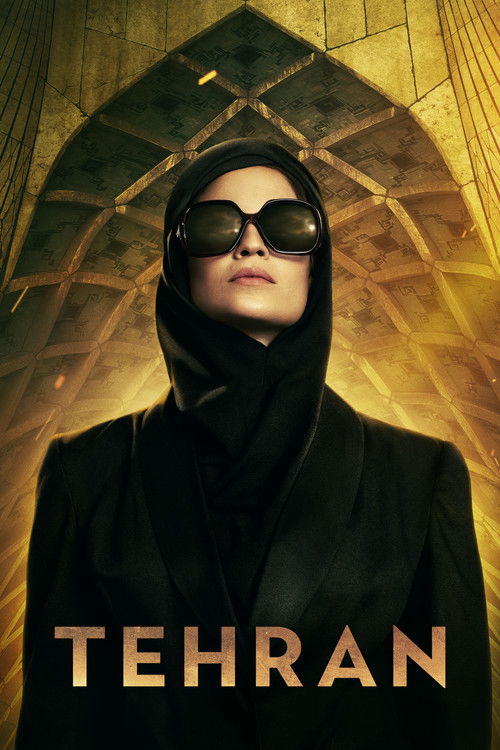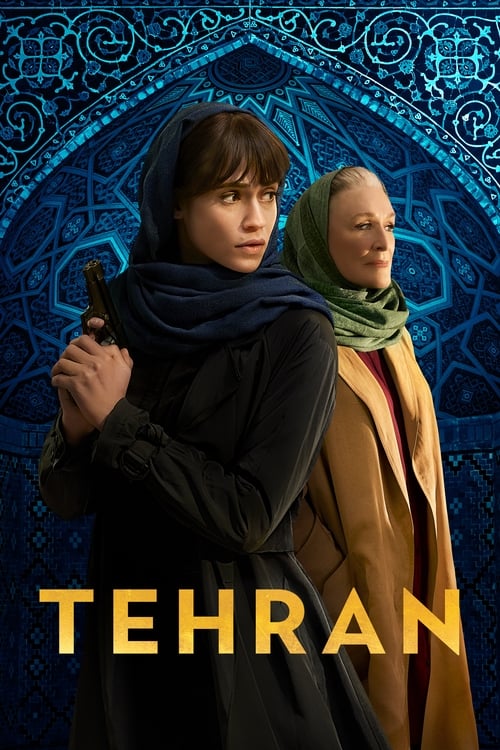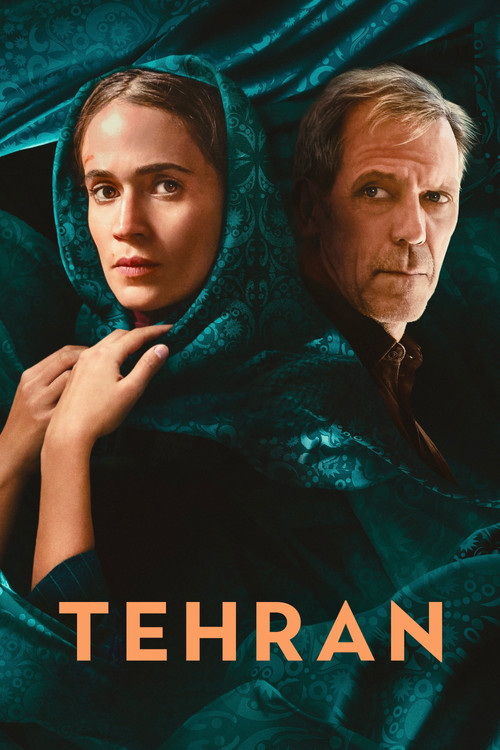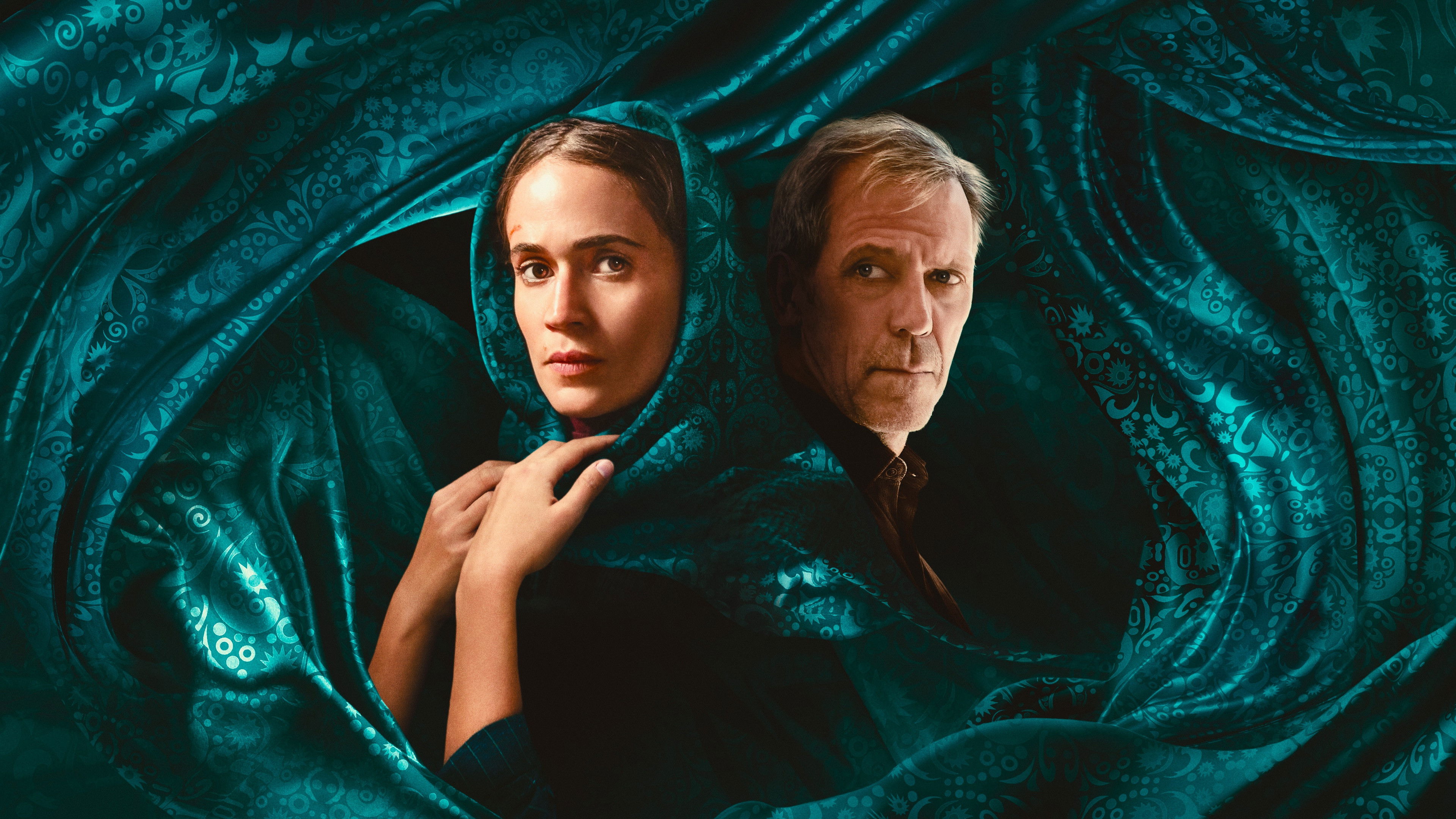
When Tehran premiered on June 22, 2020, it arrived at a moment when geopolitical thrillers felt oversaturated. We’d already had Homeland, The Americans, and countless other shows mining tension from espionage narratives. Yet creators Dana Eden, Moshe Zonder, Maor Kohn, and Daniel Syrkin managed to find something genuinely fresh: a spy thriller that felt intimate and personal rather than grandly operatic. The show captured something that most intelligence dramas miss—the cost of living a double life isn’t just about foiled plots and international incidents, but about the relationships that fracture under the weight of deception.
The premise is deceptively simple. Tamar, a Mossad hacker-agent of Iranian Jewish descent, infiltrates her birthplace of Tehran under a false identity to sabotage Iran’s nuclear reactor. It’s spy fiction comfort food on paper, but the execution revealed something more nuanced. What makes Tehran work is that it’s genuinely about the collision between personal history and professional duty. Tamar isn’t just an operative; she’s going home to a city she was forced to flee, and that emotional core separates this show from the cold procedurals we’re used to.
Over its 4 seasons and 24 episodes, Tehran built a reputation that earned it a 7.5/10 rating—solid enough to warrant continuation despite the inherent risks of international drama. What’s remarkable is how the show maintained momentum across its run. The first season aired on Kan 11 before Apple TV picked it up internationally on September 25, 2020, and the critical response was nearly unanimous. Rotten Tomatoes gave Season 1 a 94%, recognition that this wasn’t just another spy show, but something with real craft behind it.
The creative choice to embrace multilingual dialogue—Hebrew, Persian, and English flowing naturally through scenes—is worth highlighting. It’s a small decision that has outsized impact. Rather than defaulting to English and expecting audiences to suspend disbelief, the creators committed to linguistic authenticity. This choice alone elevated the show above competitors and communicated respect for the material and the cultures being depicted.
> Critics recognized what made this work. Per The Sydney Morning Herald, Tehran‘s “expertly plotted twists further elevate a geopolitical thriller deftly balanced between the global and the personal.”
That balance is what audiences kept returning for. Yes, there are nuclear reactors and international incidents, but the emotional spine is always Tamar’s relationships—with her handler, with people she meets in Tehran, with the ghost of her own identity. When her mission fails, the show doesn’t reset and move on. It compounds the consequences. Everyone she cares about becomes vulnerable, and suddenly the high-stakes espionage narrative becomes about whether she can save the people she loves while serving her country.
The show also sparked meaningful conversations, particularly in Iran itself. Conservative Iranian newspapers covered the series extensively, and the fact that a show about Israeli intelligence operations generated that kind of discussion speaks to how effectively Tehran walks the line between thriller and cultural commentary. It didn’t shy away from depicting complexity on all sides—Iranian characters aren’t caricatures, Israeli motivations aren’t presented as automatically righteous, and American interests lurk in the background. That refusal to simplify geopolitics is rare in television.
As the series progressed into its second and third seasons, the ratings on Rotten Tomatoes reflected the show’s trajectory. Season 2 earned an 83%, a dip that honest shows sometimes experience when expanding narratives becomes harder. Season 3 returned to critical favor with 100%. This isn’t a show that plateaued and coasted—it continued to challenge itself, deepen its characters, and find new angles on its central conflicts.
What makes Tehran enduring is that it understands television’s greatest strength: time. Unlike a two-hour film that must compress everything, Tehran allows you to sit with Tamar’s moral compromises, to watch her relationships deteriorate and occasionally heal, to understand how years of living in cover identities rewires someone. The creators didn’t rush resolutions or manufacture easy victories. They let tension build naturally, let consequences accumulate, and trusted audiences to handle ambiguity.
The show’s return status signals that there’s still story to tell. After four seasons, Tehran hasn’t exhausted its premise or its characters. If anything, it’s earned the trust to keep exploring. The chemistry between cast members, the sharp writing, and the willingness to surprise viewers—these elements remain intact. For anyone who’s dismissed spy thrillers as repetitive formula, Tehran is the counterargument. It’s proof that the genre can still deliver tension, emotion, and genuine stakes when creators commit to specificity over spectacle.