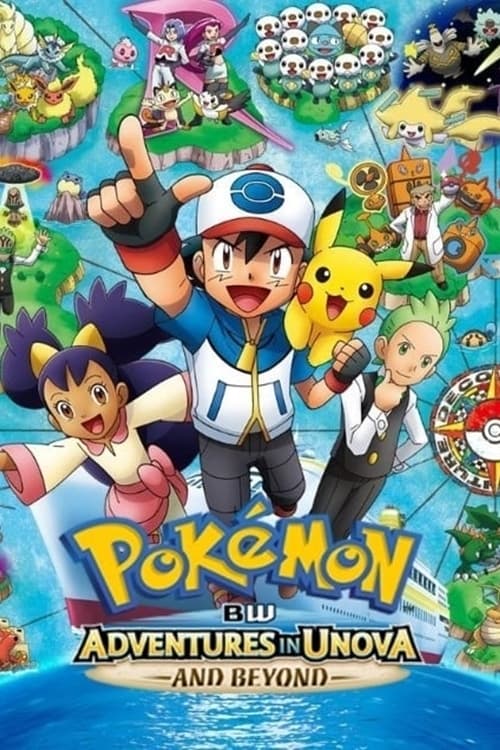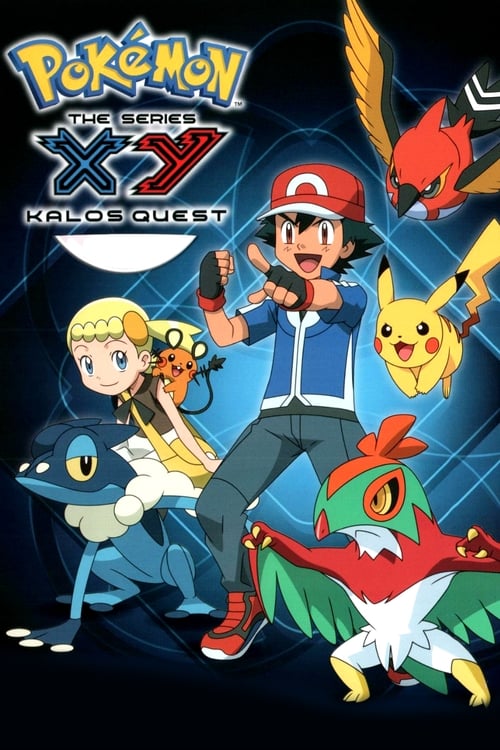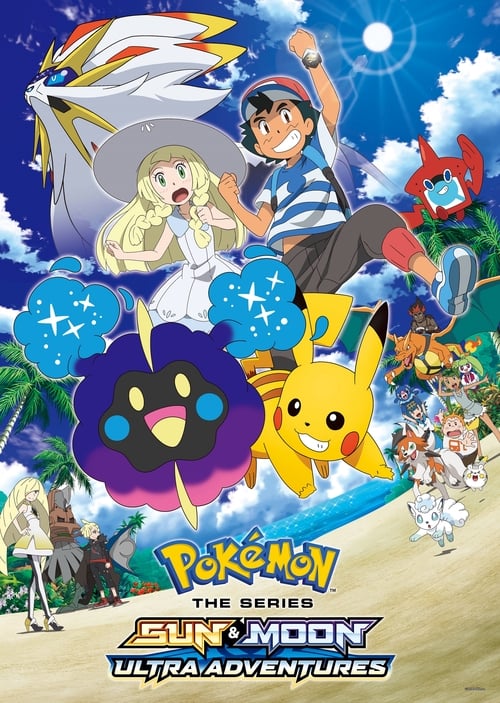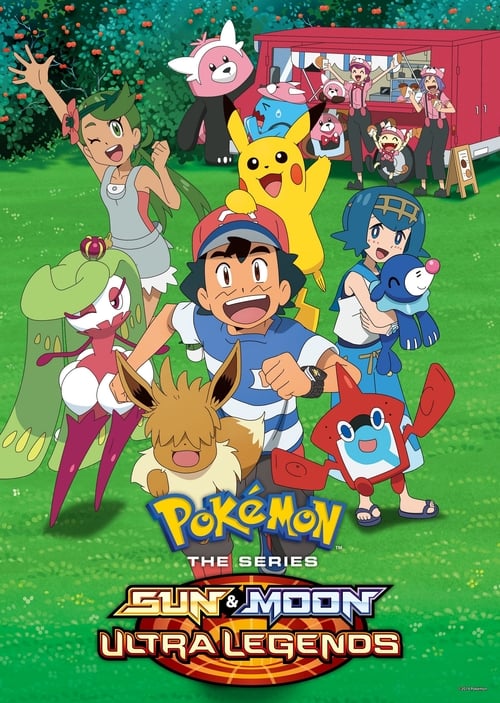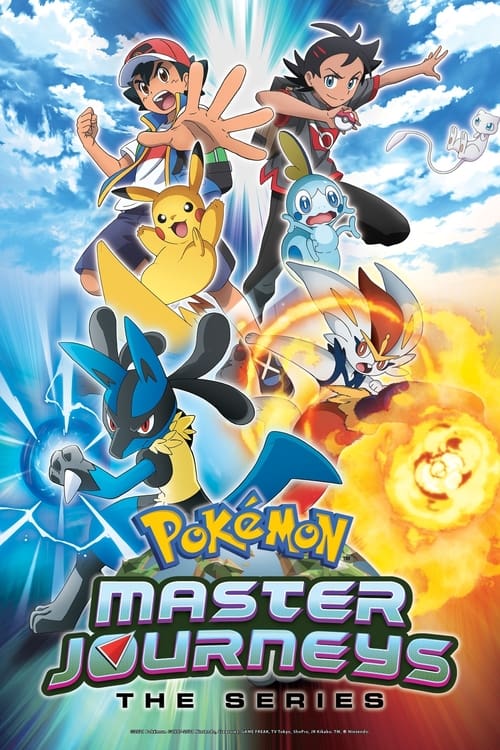
When Pokémon debuted on April 1st, 1997, few could have predicted it would become one of the most enduring animated series in television history. What started as a show designed to promote a video game franchise evolved into something far more significant—a genuinely compelling adventure story that captured the hearts of millions across generations. The fact that it managed to sustain 25 seasons and 1,235 episodes while maintaining an 8.0/10 rating speaks volumes about its ability to reinvent itself while staying true to its core appeal.
The show’s premise is deceptively simple: follow young Ash Ketchum and his partner Pikachu as they journey across various regions, catching Pokémon and training them for battle. Yet within that framework lies something deeper—a meditation on friendship, perseverance, and personal growth that resonated far beyond the target demographic. The early seasons established the formula beautifully, with each episode balancing creature-collecting mechanics alongside genuine character development and surprisingly nuanced storytelling about what it means to be a trainer.
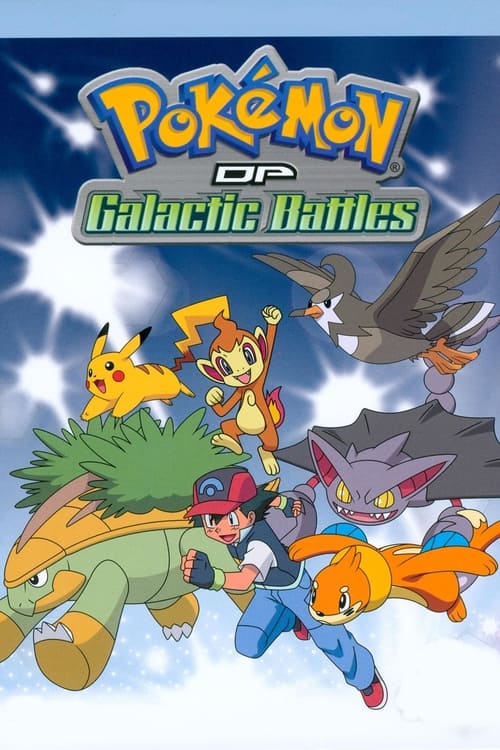
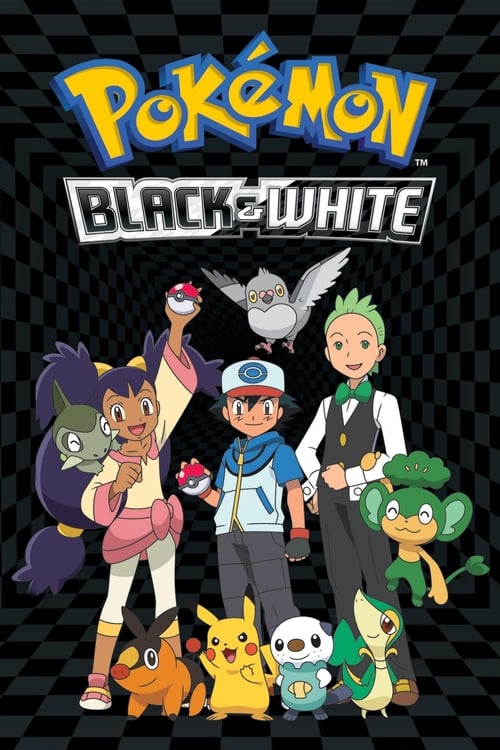
What made Pokémon truly stand out in the animation landscape was its willingness to evolve. Rather than retreading the same narrative beats indefinitely, the series transported Ash to new regions, introduced fresh gym leaders and rivals, and constantly expanded the Pokédex with new creatures and abilities. This architectural choice kept the show feeling fresh even as it maintained familiar rhythms that audiences loved.
> The show’s ability to balance episodic storytelling with overarching narrative progression became a template many animated series would attempt to replicate, though few succeeded as consistently.
The cultural footprint Pokémon left on television cannot be overstated. It became a phenomenon that transcended the medium itself—spawning movies, trading cards, merchandise, and becoming part of the global cultural lexicon. Specific moments became iconic talking points:
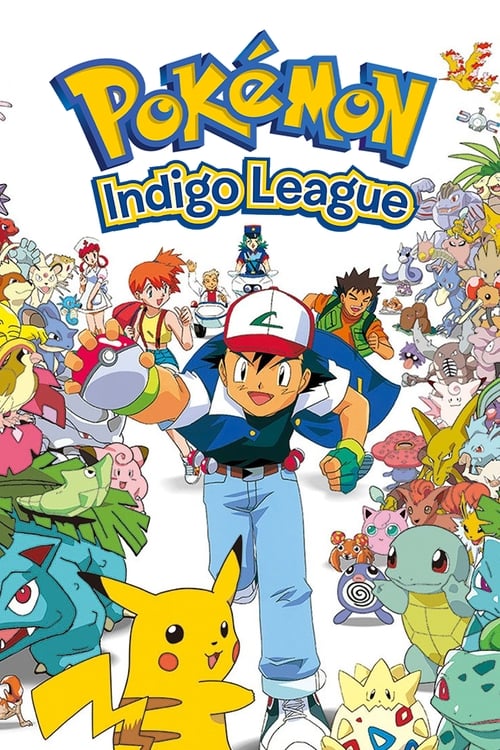
- Ash’s first gym battles in the Indigo League, establishing the competitive stakes that would drive the narrative
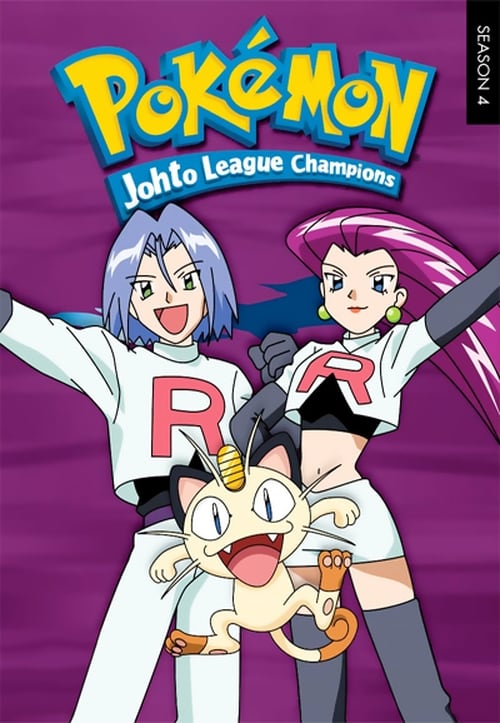
- Team Rocket’s recurring comedic presence, providing consistent antagonists without becoming stale
- Pivotal character exits, like when beloved Pokémon would leave Ash’s team, creating genuine emotional weight
- The introduction of new legendary Pokémon, each arrival feeling significant rather than gimmicky
- Tournament arcs that served as natural climaxes for each regional story
These moments didn’t just make for good television—they became shared cultural experiences. Kids gathered to discuss episodes, replayed them on VHS, and debated strategies. The show sparked conversations about gaming, competition, friendship, and responsibility in ways that surprised parents who initially dismissed it as “just a kids’ show.”
The creative achievement here deserves serious recognition. The animation team had to maintain quality across 1,235 episodes while working with variable budgets and production constraints. The pacing and structure of each episode demonstrates sophisticated understanding of narrative tension and release. Whether an episode was a standalone adventure or part of a larger arc, the writers understood how to keep viewers invested—something that becomes increasingly difficult across such an extended run.
What’s particularly impressive is how the show handled its own mythology. New Pokémon generations weren’t simply added chaotically; they were integrated into the world with consideration for what came before. The discovery of new species and the revelation that supposedly extinct Pokémon still survived kept the world feeling genuinely expansive and mysterious. These weren’t just collector’s items—they were creatures with their own stories, habitats, and significance.
The streaming availability on Netflix and Hulu has introduced new audiences to the series, allowing people to experience it chronologically rather than catching random episodes on television. This accessibility has likely contributed to its sustained relevance and the ability for fans both old and new to appreciate the full arc of Ash’s journey. The show’s conclusion after 1997 through 2023 marks the end of an era, but also allows it to be examined as a complete work rather than something still in flux.
Ash Ketchum’s journey remains the emotional core that holds everything together. Watching him grow from an arrogant, impulsive kid into a capable, thoughtful trainer gave the series genuine stakes. His relationships with traveling companions evolved organically; these weren’t just sidekicks but characters with their own goals and development arcs that felt earned rather than contrived.
The 8.0/10 rating, while perhaps not stratospheric, is actually remarkable when you consider it reflects an average across 25 seasons. Many shows decline sharply in quality after their initial strong seasons, yet Pokémon maintained consistency through sheer commitment to its core values: adventure, friendship, growth, and the joy of discovery. That kind of longevity and stability in audience reception is exceedingly rare in animated television.
Ultimately, Pokémon deserves attention because it proved that children’s programming could be both commercially successful and creatively worthwhile. It didn’t talk down to its audience, it respected their intelligence, and it rewarded long-term viewership with genuine emotional payoffs. In a landscape often dominated by cynicism, it remained earnestly optimistic about the power of determination and human connection—themes that apparently never go out of style.