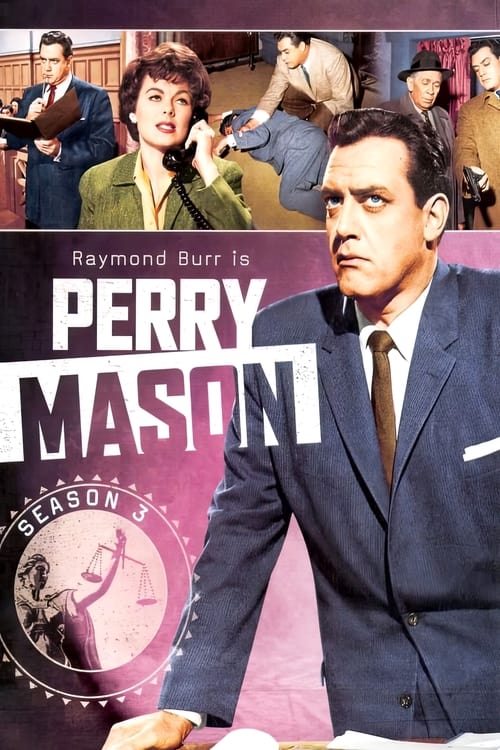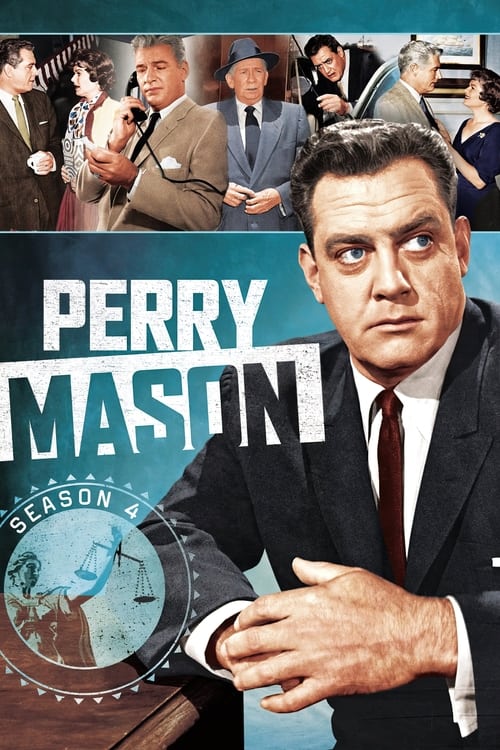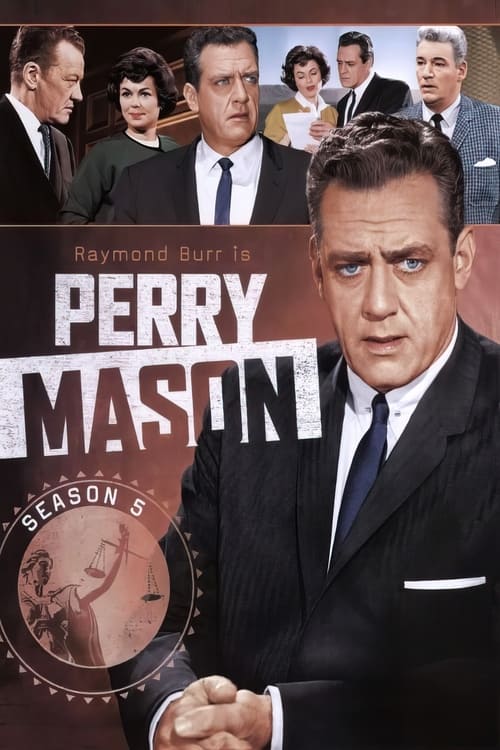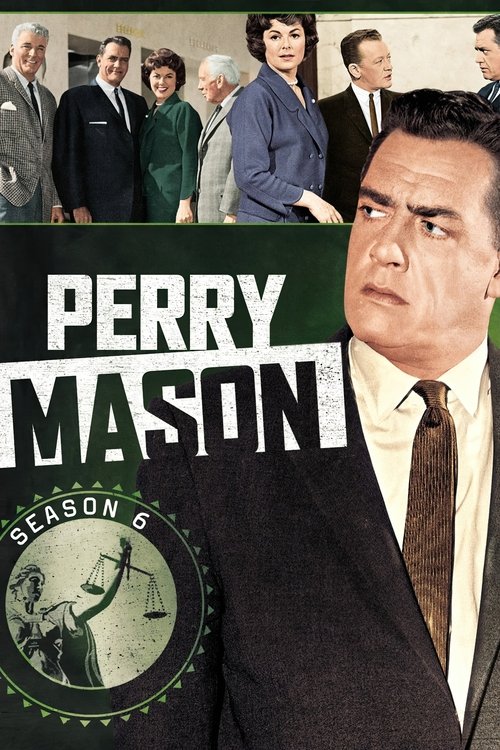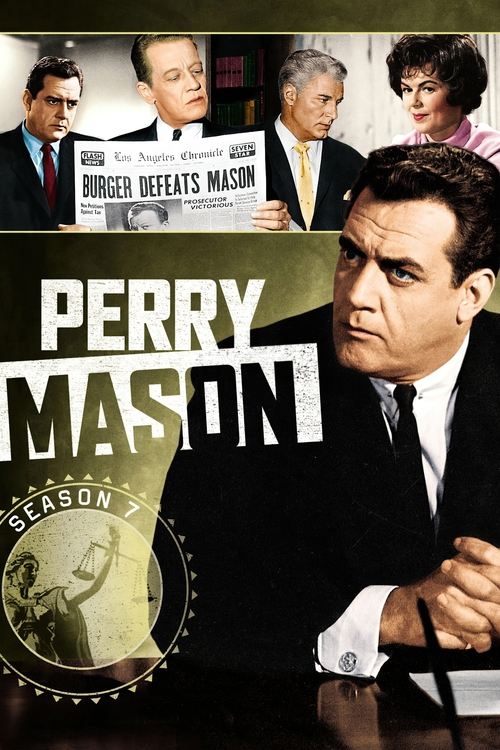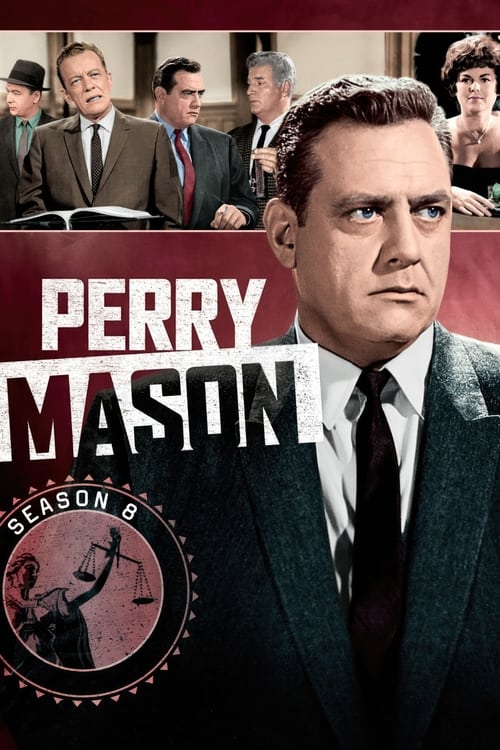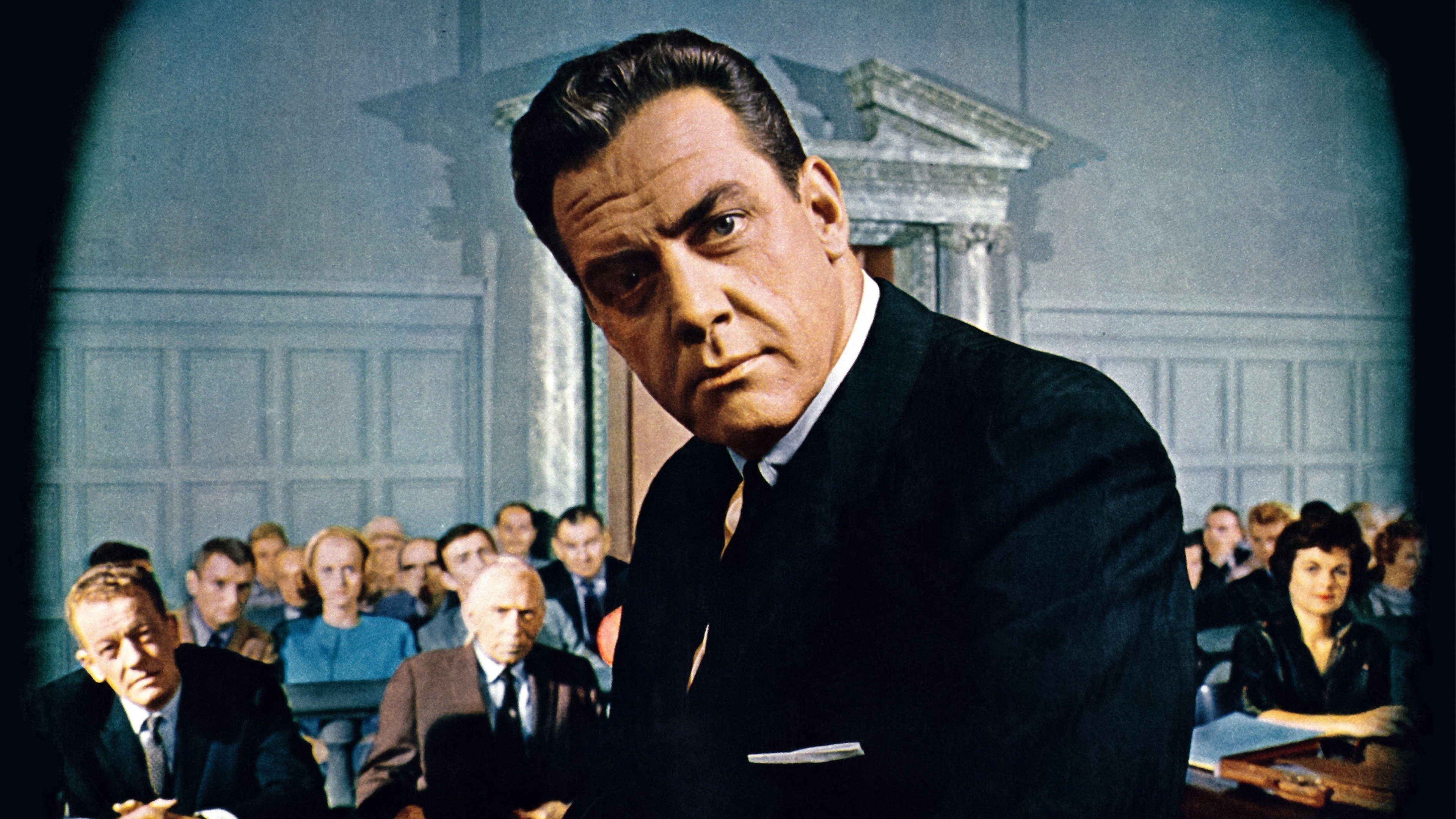
You know, if you ask anyone about the golden age of television drama, Perry Mason absolutely has to come up in that conversation. When this show premiered on September 21, 1957, it didn’t just arrive—it fundamentally changed what audiences expected from courtroom drama and mystery television. Here we had a show that ran for nine robust seasons, producing 271 episodes that kept viewers glued to their screens night after night. That kind of longevity doesn’t happen by accident, and the 7.7/10 rating it maintains speaks to something that’s genuinely held up over time.
What made Perry Mason so revolutionary was really its commitment to a formula that, on paper, shouldn’t have worked nearly as well as it did. Each episode clocked in at a tight 52 minutes, which meant the writers and producers had to be absolutely surgical about their storytelling. There’s no bloat here, no padding. You get the mystery, you get the investigation, and you get the courtroom drama—all with genuine stakes and momentum. That runtime became a feature, not a limitation. It taught television audiences that you could tell complex, layered stories within strict time constraints.
The show was based on Erle Stanley Gardner’s brilliant source material, and that foundation made all the difference. Gardner understood how to construct a mystery that would keep readers guessing, and the television adaptation took that sensibility and adapted it perfectly for the medium. Perry Mason himself became one of television’s most iconic characters—a defense attorney who was almost never wrong, who always managed to turn the tables in the courtroom when it mattered most. But he wasn’t invincible in some lazy way; the show actually made you believe in his intelligence and his methods.
What really set Perry Mason apart from other crime dramas was its focus on the defense rather than the prosecution. Think about that for a moment—the show’s entire structure centered on defending the accused, on unraveling the real truth beneath the surface of what appeared obvious. This was genuinely progressive television:
- Defense-centered narrative – Most shows at the time followed cops or prosecutors; Perry Mason consistently questioned the official story
- Strong female characters – Della Street (his secretary) and other women were intelligent, capable, and essential to solving cases
- Intricate plotting – Solutions came from careful investigation and clever legal maneuvering, not just dramatic confrontations
- Moral complexity – The show often explored the grey areas between guilt, innocence, and circumstantial evidence
The cultural impact of this show extended far beyond Nielsen ratings, though those ratings were certainly strong. Perry Mason became part of the national conversation about justice and the legal system. It sparked genuine discussions about how we determine guilt, about the importance of legal representation, and about the fallibility of circumstantial evidence. For a mystery drama to operate on that level—simultaneously entertaining millions while actually influencing public discourse—that’s remarkable.
What’s particularly striking when you look at the 271 episodes across those nine seasons is how the show maintained its quality and freshness. The creative team understood that repetition could work if the execution stayed sharp. The mystery elements kept audiences invested—you genuinely didn’t know how each case would unfold, which is essential for this kind of show. The courtroom scenes had real tension because the writers understood that a good mystery isn’t just about the answer; it’s about how that answer gets revealed and defended.
> The show proved that television drama didn’t need explosions or cynicism to captivate audiences. It needed intelligence, craft, and faith in the viewers’ capacity to follow complex narratives.
The 52-minute format created a particular rhythm that influenced countless shows that came after. This wasn’t the sprawling, season-long narrative arc we see in modern television. This was episodic storytelling refined to an art form. Each episode had to be entirely satisfying on its own while also maintaining consistency across a vast body of work. That’s a discipline that modern television could frankly stand to relearn.
The show’s influence on television’s crime and mystery genres can’t be overstated. You can draw a direct line from Perry Mason to the procedural dramas that dominate programming today. But where modern shows often feel formulaic and interchangeable, Perry Mason felt fresh because the writers and producers approached each mystery with genuine creativity. The solutions were clever, sometimes surprising, and always grounded in character and logic rather than contrived plot mechanics.
What makes Perry Mason endure—and what makes it worth seeking out now on Peacock Premium, Paramount+, and other platforms—is that it represents television operating at a high level of craft. This was professional storytelling at its finest, working within commercial constraints to produce art. The show respected its audience’s intelligence, delivered genuine mysteries that held up to scrutiny, and created characters audiences genuinely cared about.
Nine seasons, 271 episodes, and nearly seven decades later, Perry Mason still stands as a masterclass in how to do episodic drama right. If you’ve never experienced it, you’re missing one of television’s true achievements—a show that proved mysteries and courtroom drama could be both popular and genuinely well-crafted. That’s the real verdict here.