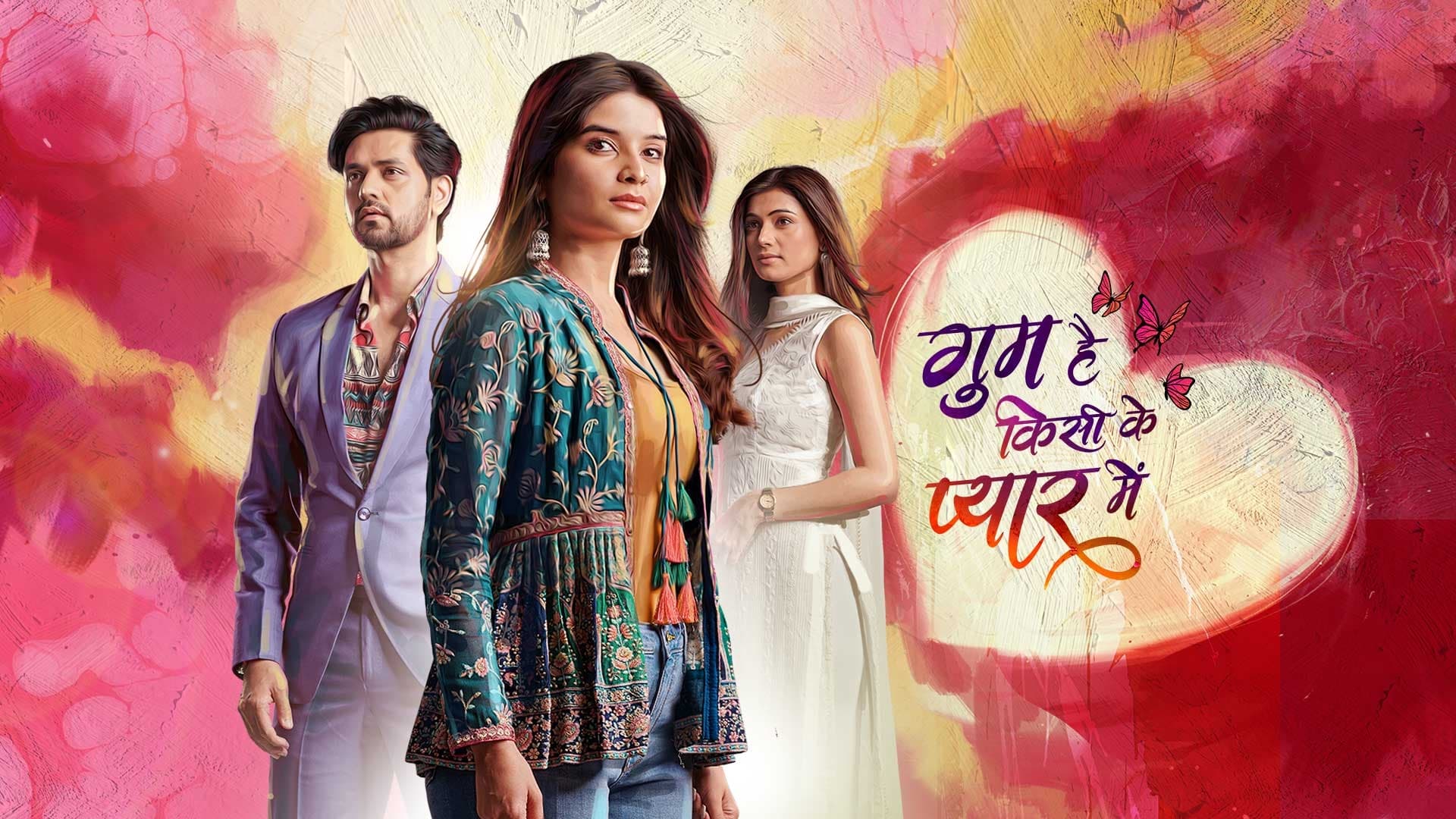
When Ghum Hai Kisikey Pyaar Meiin premiered on StarPlus in October 2020, it arrived with a premise that felt familiar on the surface: a fearless woman named Sai Joshi, who dreams of becoming a doctor, enters into a marriage with IPS officer Virat Chavan under false pretenses. But what unfolded over the next several years wasn’t just another soap opera—it became something that demanded attention from viewers who thought they’d seen every variation of the arranged marriage narrative.
The central tension that Leena Gangopadhyay built into this story is genuinely compelling. Sai isn’t a typical bride content to blend into her husband’s orthodox joint family. She’s ambitious, headstrong, and committed to her own goals. Virat isn’t a typical controlling husband either. The arrangement between them is transactional, not romantic, which immediately creates space for something more organic to develop. That gap between the deal they made and the feelings that actually emerge became the emotional core that kept audiences invested across 3 seasons and 995 episodes.
> What makes this show particularly interesting is how it balanced the constraints of the Indian television format with genuinely compelling character work. The 22-minute runtime might seem restrictive, but Gangopadhyay’s writers used it effectively—there’s no room for filler, which means scenes had to earn their place.
The show resonated with audiences who were tired of passive female protagonists in family dramas. Sai actively disrupts the status quo. She questions traditions, pushes back against family members who dismiss her medical ambitions, and refuses to disappear into the role of dutiful daughter-in-law. This wasn’t revolutionary territory, but the execution mattered. The character had conviction. The writing gave her agency even when the plot tried to constrain her.
Over its run, the series built a considerable following that engaged with it seriously. The rating of 5.7/10 reflects what many long-form television experiences face—the difficulty of maintaining quality across nearly 1,000 episodes creates inevitable peaks and valleys. But what’s telling is that the show Returning Series, indicating audiences and the network still saw value in the story. That’s not nothing in an era where streaming has fragmented the television audience and traditional soaps face ongoing pressure.
Key elements that sustained the show’s appeal:
- The gradual romantic arc between Sai and Virat felt earned rather than rushed. Their chemistry developed through conflict and understanding, not through manufactured situations
- The joint family dynamics, while sometimes melodramatic, reflected real tensions between tradition and modernity that resonated with viewers navigating similar issues in their own families
- Sai’s medical career aspirations ran parallel to her personal journey, preventing the romance from completely consuming her character
- The show took its emotional beats seriously without becoming self-parody
The cultural conversation around Ghum Hai Kisikey Pyaar Meiin centered on what kinds of female characters Hindi television was willing to celebrate. Sai became iconic precisely because she refused to be a passive figure in her own story. Fan communities online engaged with the show’s relationship dynamics intensely, debating character motivations and relationship trajectories with the kind of investment usually reserved for prestige television. That’s significant—it meant viewers weren’t simply watching; they were actively thinking about the storytelling choices.
StarPlus positioned the show as a flagship title, and the network’s commitment to multiple seasons demonstrated that the initial premise had enough depth to sustain long-form storytelling. The decision to keep the series going across 3 seasons suggests the core relationship and character arcs retained their ability to surprise viewers and generate dramatic tension.
What’s particularly worth noting is how the show managed the challenge that kills most long-form dramas: keeping conflict meaningful when your leads are fundamentally likeable and rooted in genuine affection. After Sai and Virat’s romantic feelings are established, a lesser show would either manufacture external obstacles endlessly or collapse into flat domesticity. Ghum Hai Kisikey Pyaar Meiin found ways to explore the complications of love within family structures, personal ambitions in conflict with partnership, and the reality that even people who love each other sometimes can’t easily solve the problems they face together.
The show isn’t perfect—no nearly 1,000-episode series is. The 5.7 rating accurately reflects moments where the storytelling stretched too thin or leaned too heavily on repetitive conflicts. But the fact that viewers and critics engaged with it seriously, that fan communities organized around it, and that the network continued investing in new seasons indicates something worked here. Ghum Hai Kisikey Pyaar Meiin earned its place in the Hindi television ecosystem not through innovation in the soap opera format itself, but through genuine character work and a willingness to let its central couple be complicated, difficult people who actually grew.
For anyone interested in understanding how Indian television has evolved in the past half-decade, this show’s sustained run tells you something important: audiences wanted more from their dramas than melodrama alone. They wanted characters with internal lives, romantic relationships that felt like actual partnerships, and women who refused to shrink to fit their circumstances. Ghum Hai Kisikey Pyaar Meiin delivered on those wants often enough to build something that lasted.