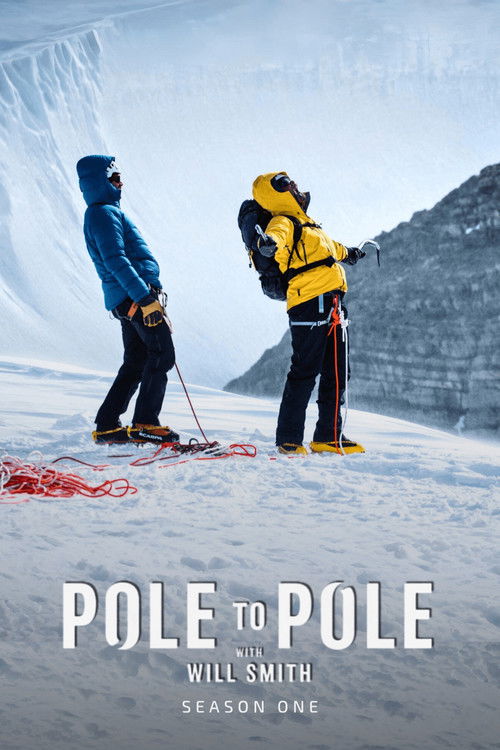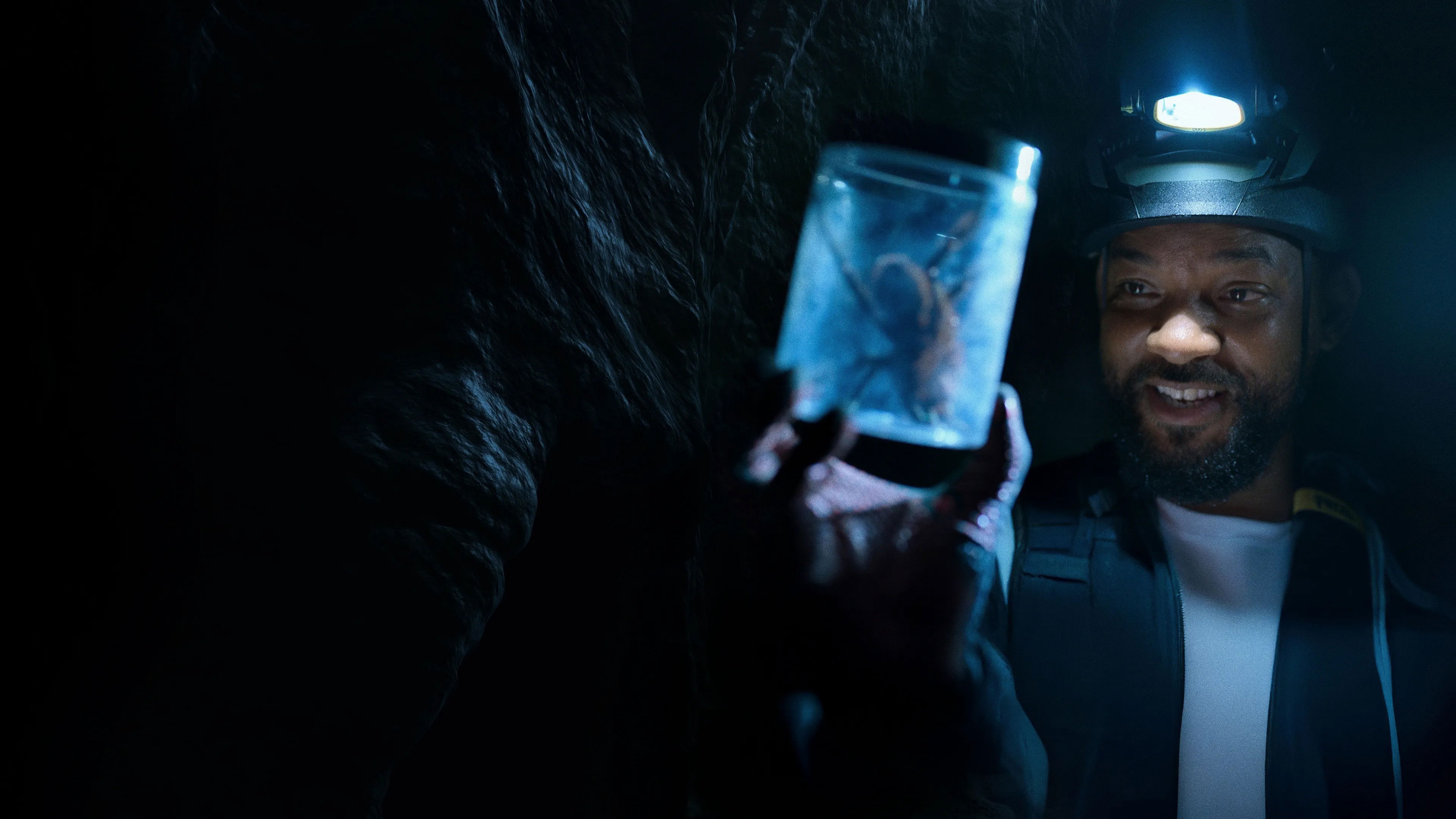
When Pole to Pole with Will Smith premiered on January 13, 2026, it arrived with genuine emotional weight—a project shaped by personal loss and genuine curiosity rather than just another celebrity-driven spectacle. Will Smith’s decision to undertake a 100-day expedition from pole to pole, inspired by his late mentor, transformed what could have been a straightforward adventure series into something more introspective. The show debuted as a seven-episode exploration that aired weekly on National Geographic, eventually finding audiences across Disney+, Hulu, and other streaming platforms.
The core premise is straightforward enough: Smith travels extreme distances, working alongside scientists, explorers, and experts to confront both environmental realities and deeper questions about life itself. But the execution transcends the typical celebrity-explorer formula. Rather than positioning Smith as the hero conquering nature, the series genuinely positions him as a learner in conversations with people who’ve dedicated their lives to understanding our planet. That distinction matters, and it’s why the show resonated beyond the typical Smith fanbase.
What makes this series stand out in the documentary space is its willingness to sit with discomfort. Smith isn’t delivering quips or manufactured drama—he’s visibly grappling with cold, exhaustion, and existential questions about legacy and purpose. The 5.9/10 rating from 14 votes reflects the kind of polarized response you get from genuine attempts at something unconventional. Some viewers connected deeply with this vulnerable approach; others found the pacing or tone less compelling than traditional nature documentaries. That division itself is telling—the show doesn’t try to please everyone.
The production design choice to keep runtimes flexible rather than conforming to rigid time slots allowed the storytelling to breathe naturally. Some segments needed five minutes; others needed fifteen. That flexibility, rare in traditional television, meant sequences weren’t artificially padded or truncated for commercial breaks or streaming algorithm preferences. It’s a small creative decision with real consequences for how audiences experience the material.
What resonated across platforms:
- The genuine scientific education woven throughout—climate data and research presented through lived experience rather than graphics
- Smith’s visible vulnerability and willingness to admit what he doesn’t know
- The multicultural exploration teams that brought different perspectives to environmental challenges
- The spiritual questions about humanity’s relationship with the planet, distinct from the typical doom-and-gloom climate documentary approach
- Moments of unexpected humor that broke tension without diminishing the seriousness of what Smith was witnessing
The show’s journey from premiere through its current returning series status tells you something about how streaming has shifted. A year ago, a single-season run might have felt like a cancellation. Today, the fact that Pole to Pole is confirmed to return speaks to sustained audience interest and National Geographic’s confidence in the concept. There’s room to expand the format—different destinations, different experts, different personal journeys. The foundation Smith and the creators built isn’t exhausted.
The cultural conversations sparked by the series centered less on viral moments and more on substantive discussion about environmental responsibility and mental health processing through physical challenge. That’s not typically what Smith’s projects generate, and it speaks to how the central emotional truth—honoring a mentor’s legacy by doing something meaningful—connected with viewers who might otherwise dismiss his work as entertainment product. The show exists in that rare territory where celebrity and genuine inquiry don’t feel mutually exclusive.
Critics and audiences have noted that the production values feel appropriate rather than excessive. There’s no unnecessary drone footage for its own sake, no manufactured drama between cast members. The visual language is respectful to the environments being explored, which paradoxically makes the devastation Smith witnesses feel more impactful. When you’re not being manipulated by editing and music, the reality of what you’re seeing carries more weight.
The series also succeeds because it doesn’t pretend that individual actions solve systemic problems. Smith visits research stations, meets with climate scientists, and witnesses environmental damage—but the show doesn’t end with a simplistic “here’s how you can help” message. That intellectual honesty is rare in documentary television, especially projects with celebrity hosts. The complexity remains intact. You finish watching not with easy answers, but with the understanding that these are genuinely difficult, multifaceted challenges requiring coordinated global response.
What makes Pole to Pole with Will Smith deserve your attention isn’t that it’s perfect television—the 5.9/10 rating honestly reflects that the show has real limitations and wasn’t universally embraced. But it’s television that tried something genuine in an era of increasingly safe, algorithmic content. It took Smith, who could coast on celebrity and charisma, and placed him in situations where those tools didn’t work. He had to listen, learn, and sit with uncertainty. The result is a series that’s both entertaining and meaningful—a combination that doesn’t show up often enough in prestige documentary work.