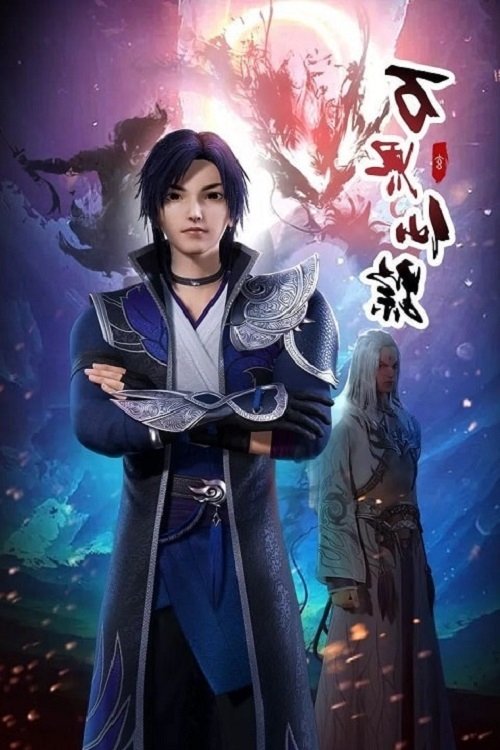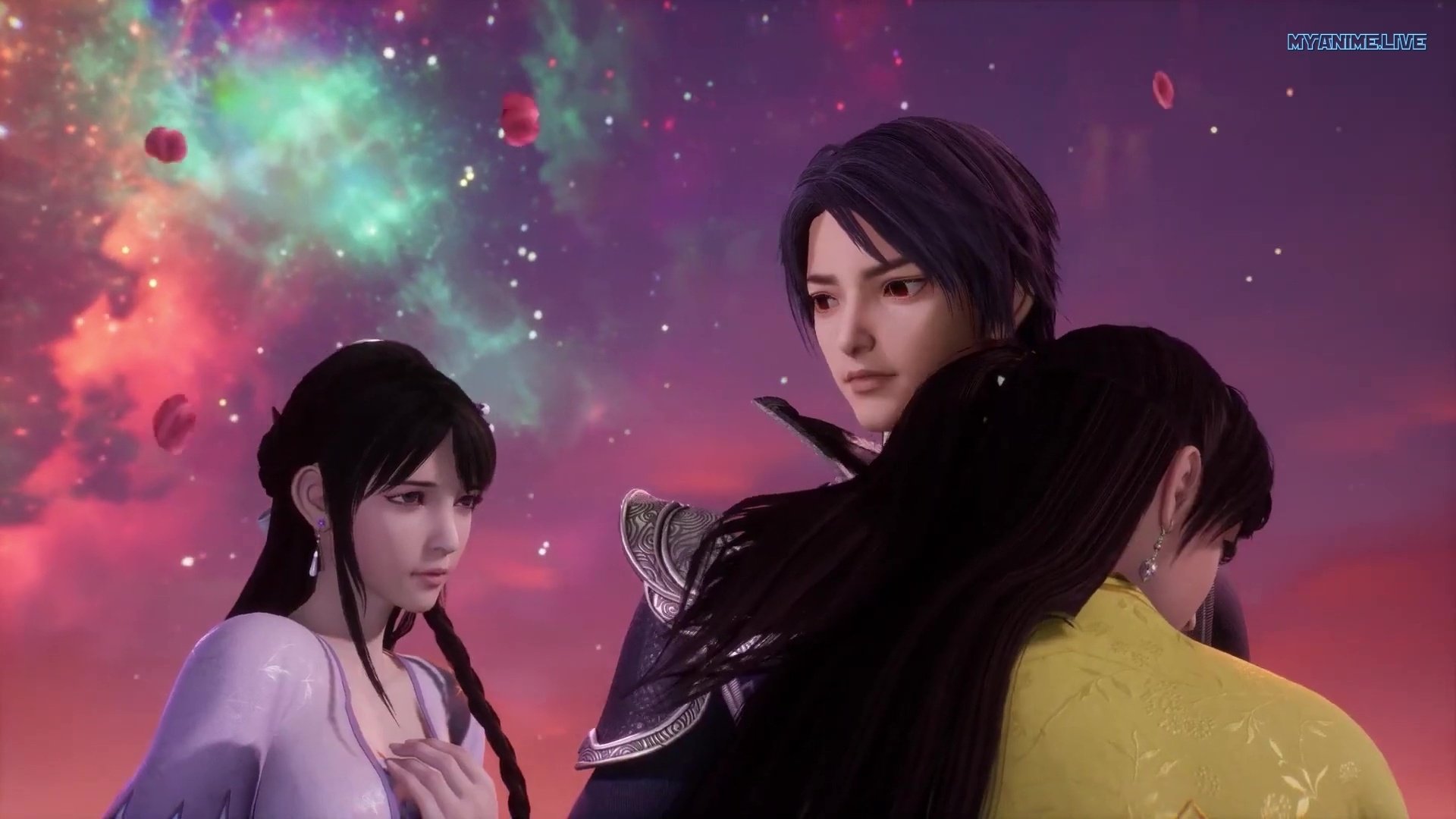
When The Wonderland of Ten Thousands premiered on Tencent Video in March 2018, it arrived during a fascinating moment for animated web series. The show debuted as something distinctly different from what audiences typically expected—a rapid-fire, seven-minute episode format that demanded the creators rethink how to tell complex narrative stories within severe time constraints. This structural choice wasn’t a limitation but rather a creative spark that shaped everything about how the series communicates its themes.
The premise itself is intricate: protagonist Ye Xingyu inherits his master’s position leading the Tianyuan Shenzong, only to exchange places with a prince and hide within a smaller family while orchestrating revenge against the Grand Dynasty. It’s the kind of multi-layered plot that could easily get lost in traditional pacing, yet the condensed format forces genuine narrative efficiency. Every scene matters. Every line of dialogue carries weight.
What’s remarkable about the show’s five-season run across 904 episodes is how it maintained audience engagement while working with such constraints. That’s not accidental—it speaks to confident writing and animation direction. The 9.0/10 rating audiences gave the show reflects genuine connection to what the creators were building, not just casual viewership.
The animation style itself deserves recognition. Operating within the web series format meant lower budgets than traditional broadcast animation, yet the team created a visual identity that felt distinct. The action sequences compensated for time limitations through clever choreography and dynamic framing, making those seven minutes feel substantial.
> The real achievement here is narrative compression without sacrificing emotional resonance or world-building complexity.
Consider what the show actually accomplishes thematically:
- Strategic warfare disguised as personal journey — Ye Xingyu’s revenge isn’t simple vengeance; it’s calculated maneuvering against institutional power
- The cost of deception — Living as someone else while maintaining your true identity creates constant psychological tension
- Loyalty tested by circumstance — The relationship between protagonist and allies gets complicated when survival depends on secrecy
- Ascension through intellect, not just strength — In a fantasy genre often dominated by martial prowess, this show prioritizes strategy
The show proved that web animation could handle sophisticated storytelling. Before The Wonderland of Ten Thousands, there was skepticism about whether animated series confined to short runtimes could sustain five seasons of coherent narrative. This show answered that question decisively.
The cultural conversation around Chinese animated web series shifted partly because this show demonstrated genuine storytelling potential. It wasn’t just entertainment filler—it was structurally ambitious television. Within Chinese digital platforms and among animation enthusiasts internationally, the series earned recognition for treating its format as artistic choice rather than compromise.
The five seasons show natural progression and escalation. Rather than repeating the same conflicts, the narrative expands:
- Foundation — Establishing Ye Xingyu’s position and his hidden dual life
- Escalation — Complications arise as both identities threaten exposure
- Expansion — The conflict grows beyond personal revenge to affect broader power structures
- Culmination — Strategic plans converge toward their intended outcome
- Resolution — Consequences unfold as the protagonist’s actions reshape his world
What resonated with viewers was how thoroughly the show committed to its premise. There’s no winking at the audience or lazy shortcuts. The tactics that drive the plot actually make sense—characters scheme and counter-scheme with logic. Strategic depth is rare in action-adventure animation, yet this series prioritizes it.
The seven-minute runtime created an interesting distribution pattern on Tencent Video. Episodes aired on Mondays and Thursdays at regular intervals, which built steady anticipation. This wasn’t binge-friendly content; it was designed for regular engagement, which actually strengthened community discussion around each installment. That consistency matters for cultural impact.
What’s particularly interesting is how the show never feels rushed despite its constraints. Many creators faced with this format would sacrifice coherent storytelling for spectacle, but this series does both. The action moments land because the emotional stakes are clear. The quieter strategic scenes engage because the dialogue reveals character and intention simultaneously.
The show ended with purpose rather than cancellation. Its status as concluded content means the narrative reached its intended endpoint—there’s a completeness to it that audiences could appreciate fully. That matters for legacy. A show that tells its story fully tends to endure better than one cut short or stretched thin.
If you haven’t encountered The Wonderland of Ten Thousands, it’s worth investigating precisely because it represents something television doesn’t always attempt: ambition within severe structural limitations. The show takes its format seriously and uses those constraints as storytelling advantage rather than obstacle. That’s the kind of creative problem-solving that deserves recognition and repeated viewing.