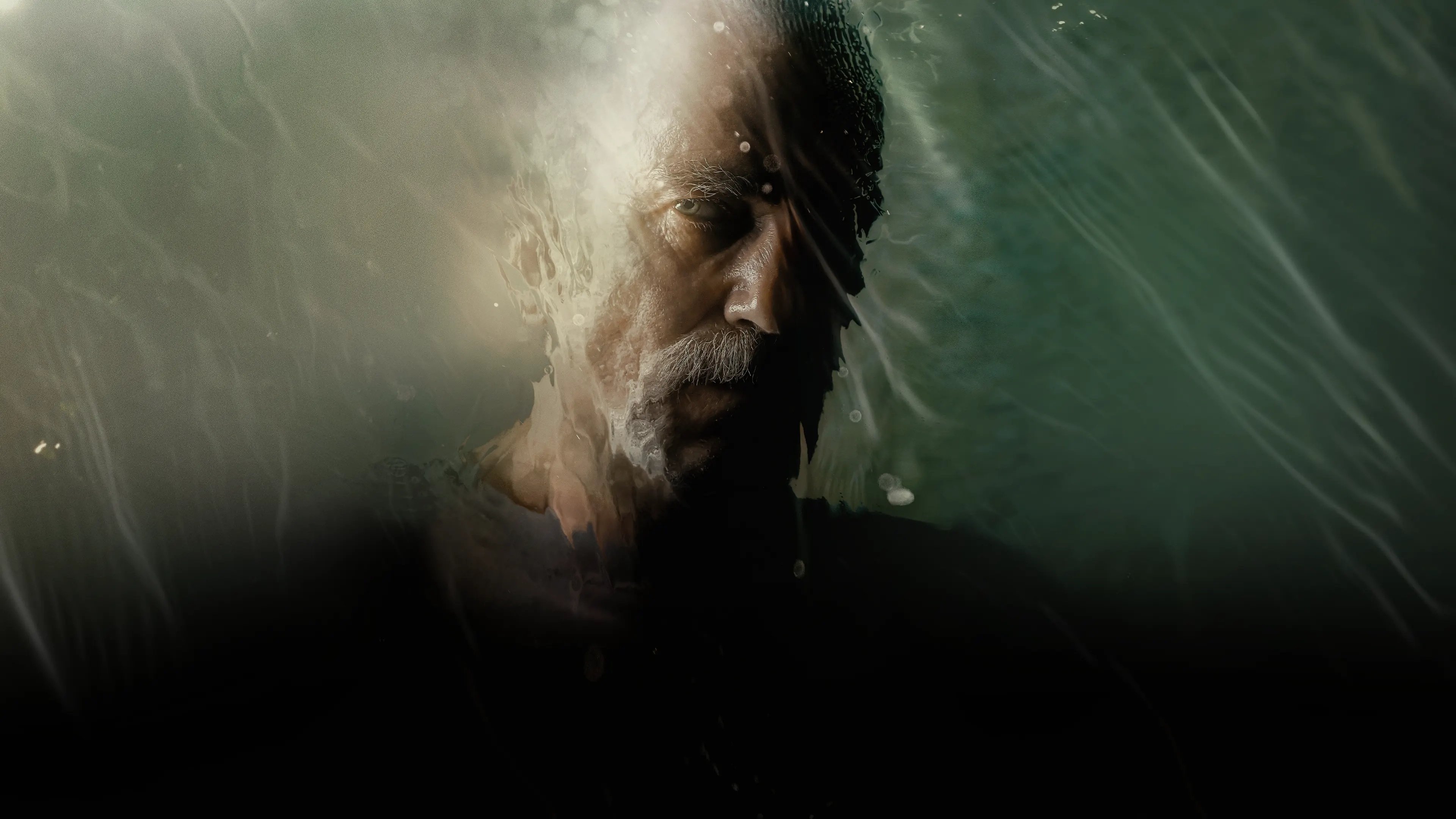
When Anemone premiered at the 2025 New York Film Festival in late September, it arrived as something of a quiet statement—a modest drama about fractured family bonds from a first-time director working with one of cinema’s most demanding actors. That it came from Ronan Day-Lewis, son of Daniel Day-Lewis, added an extra layer of intrigue. This wasn’t a vanity project or a famous actor coasting on name recognition. This was a serious filmmaker asking serious questions about reconciliation, resentment, and the possibility of forgiveness between men who have hurt each other deeply.
The film follows Jem, a middle-aged man who leaves the safety of his suburban life to trek into the woods and find his estranged brother Ray, who has spent years living as a hermit. What draws them together is never fully explained in neat exposition—instead, it’s hinted at through careful observation and rare moments of genuine connection. The 125 minutes runtime gives Day-Lewis plenty of space to breathe, letting scenes develop without rushing toward revelation. This is patient filmmaking, the kind that trusts its audience to sit with discomfort and ambiguity.
> “All is not forgiven.” The film’s tagline cuts right to the heart of what makes Anemone different from typical reconciliation narratives. This isn’t a story about healing. It’s about learning to live with wounds that won’t close.
The Struggle to Find an Audience
Let’s be honest about the numbers. The film earned $1.16 million against a $11.00 million budget, and it currently holds a 6.2/10 rating from 88 votes. These aren’t figures that suggest blockbuster success or even mainstream penetration. Anemone came to theaters in October 2025 with a limited release through Focus Features, backed by Plan B Entertainment and Absinthe Film Entertainment. It’s the kind of film that plays in art house cinemas and gets discovered through word-of-mouth rather than marketing campaigns.
But here’s what matters more than box office returns: this film exists at a moment when intimate, character-driven dramas struggle to find theatrical homes. The economics of cinema have shifted dramatically over the past decade, making it harder for smaller films to get made, let alone distributed widely. That Anemone was made at all, with this level of craft and with this particular cast, speaks to something worth celebrating.
A Director Finding His Voice
What Ronan Day-Lewis accomplished with Anemone is not a perfect film—critical reception has been mixed, and there are clearly moments where the material doesn’t quite land. But it is a director discovering what he has to say. There’s a precision to his visual choices, a refusal to sentimentalize his characters even when we want to. The woods themselves become a character, neither welcoming nor hostile, simply indifferent to the men trying to work through their history within them.
The decision to cast Daniel Day-Lewis and Sean Bean as the estranged brothers is brilliant precisely because of what these actors bring beyond their star power. Day-Lewis, who has largely stepped back from acting in recent years, brings a weariness to Jem that feels earned. This isn’t a showboating performance. He’s present, quiet, often just listening to what his brother says. Sean Bean, meanwhile, mines Ray’s isolation for something unexpectedly tender—a man who has removed himself from society but hasn’t entirely hardened against connection. Samantha Morton rounds out the cast with a supporting role that carries unexpected weight, her presence reminding us that the past always involves more people than we initially remember.
What the Film Is Really About
At its core, Anemone isn’t interested in resolving the central conflict between its brothers. It’s interested in whether two people can exist in the same space without fixing what’s broken. The film finds power in restraint—in the conversations that almost happen, in the apologies that remain unspoken, in the recognition that some damage is irreparable.
This approach won’t work for everyone. Audiences accustomed to narrative arcs that provide clear emotional payoffs may find Anemone frustrating. But for those willing to meet the film on its terms, there’s something quietly devastating about its refusal to provide easy answers:
- The brothers never actually discuss the specific betrayal that separated them
- Forgiveness is implied as impossible, yet coexistence remains necessary
- The film ends not with reconciliation but with a kind of tired acceptance
- The past is acknowledged but never fully exorcised
Its Place in Contemporary Cinema
Anemone matters because it represents what serious drama can still be in 2025—not a period piece designed to attract awards voters, not a prestige adaptation of beloved source material, but an original story about ordinary people dealing with extraordinary emotional weight. In an industry increasingly dominated by franchises, reboots, and IP extensions, a film like this is almost countercultural.
The film won’t change cinema or launch a new movement. It won’t inspire a dozen imitations. But it will remain relevant for a specific reason: it captures something true about aging, regret, and the peculiar pain of family relationships that can’t be fully severed no matter how hard we try. It’s a film about men who have failed each other and are trying, without much hope, to find a way forward.
For first-time directors, Anemone demonstrates that it’s possible to make something personal and specific without descending into self-indulgence. For actors, it shows that restraint can be more powerful than expression. And for audiences still searching for films that trust them to think and feel, it’s a reminder that cinema can still offer that experience if we’re willing to seek it out.