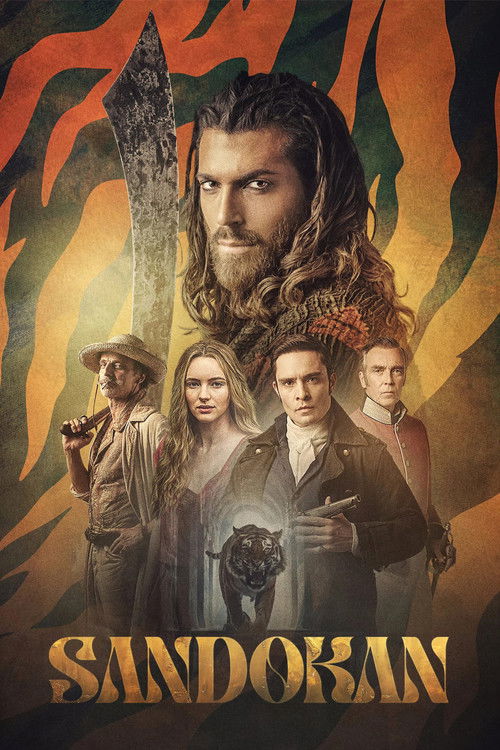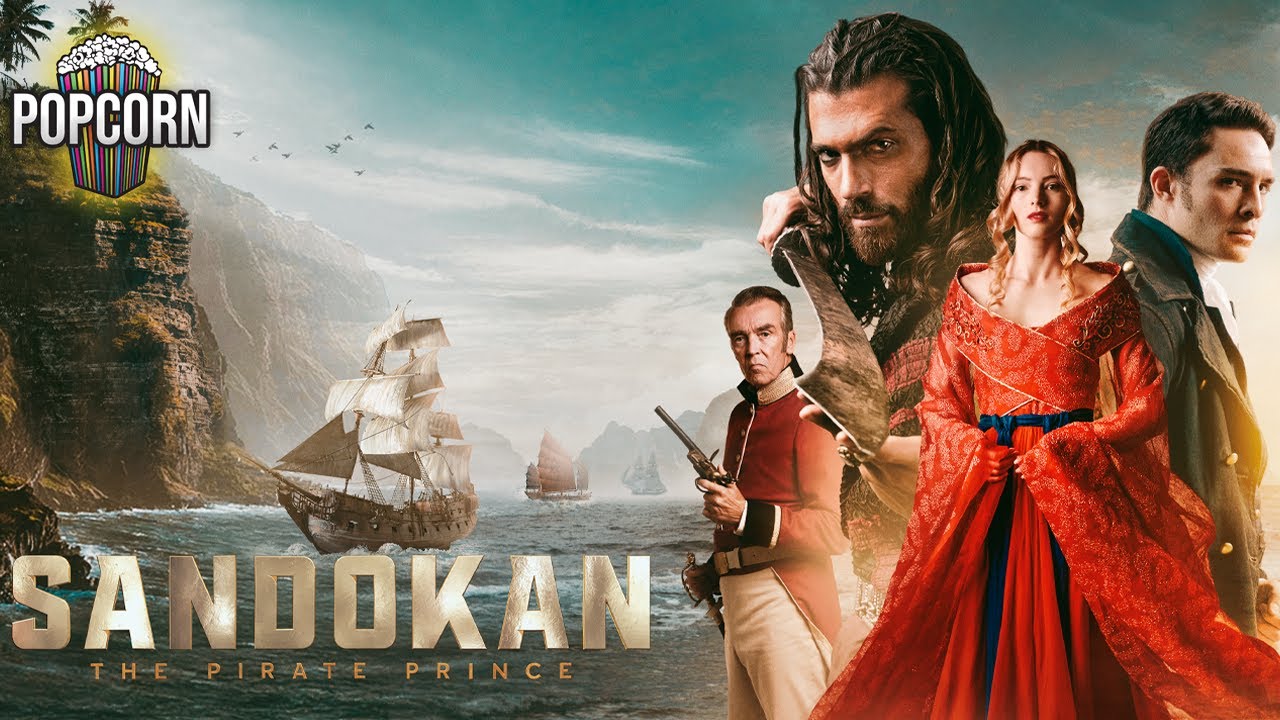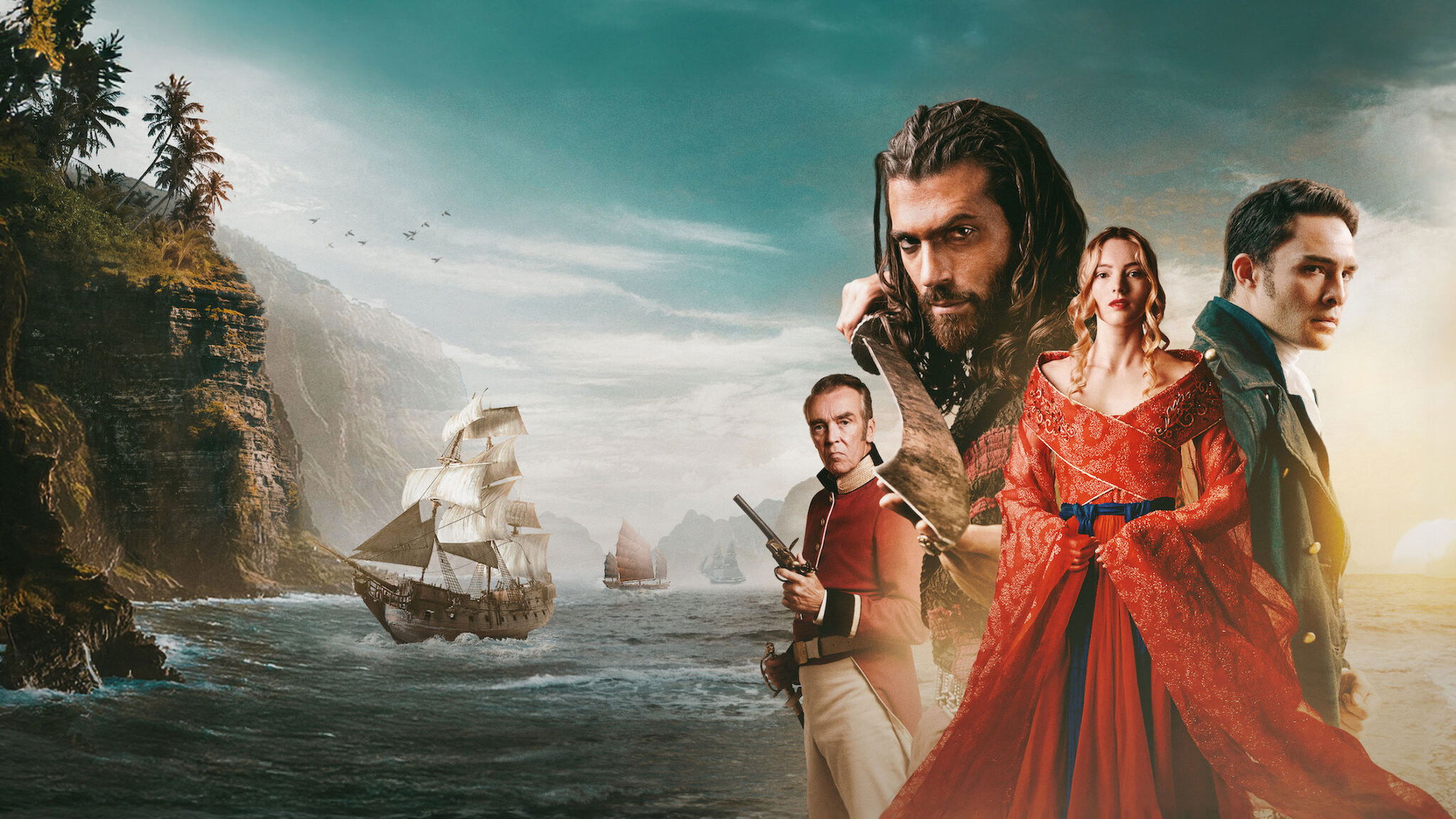
When Sandokan premiered on Rai 1 in December 2025, it arrived with considerable expectations. Here was a reimagining of Emilio Salgari’s classic pirate novels—material that had already captured Italian audiences through a beloved 1976 adaptation—but with a modern sensibility and international scope. What creators Davide Lantieri, Scott Rosenbaum, and Alessandro Sermoneta delivered was something that went beyond mere nostalgia. They crafted a 8-episode first season that took the swashbuckling adventure genre seriously, treating it with the narrative ambition typically reserved for prestige drama.
The show’s core strength lies in its refusal to choose between thrilling action and genuine emotional stakes. Sandokan isn’t just a pirate fighting British colonial forces from his island stronghold of Mompracem—he’s a man caught between revolutionary ideals and personal desire. His relationship with Lady Marianna Guillonk, the English-Italian aristocrat, becomes the emotional anchor that elevates the entire series beyond straightforward adventure. That central romance works because the show respects both characters’ agency and the genuine conflict their connection creates. It’s not a distraction from the plot; it is the plot.
What makes the 7.4/10 rating from 33 votes particularly interesting is what it reveals about the show’s broad appeal. This isn’t a rating that suggests a niche production. Instead, it indicates something that connects with both traditional period drama enthusiasts and viewers hungry for international action storytelling. The 50-minute episode runtime proves crucial here—it’s long enough to build genuine character moments and political intrigue, but tight enough that nothing overstays its welcome. There’s real discipline in the pacing. You never feel like the show is spinning its wheels.
> The decisive battle for freedom promised in the season’s arc isn’t just about naval combat or colonial conflict. It’s about Sandokan deciding who he truly is—a revolutionary, a lover, a legend in the making.
The production itself deserves recognition. This is clearly a high-budget international co-production with real cinematic ambitions. The casting of Can Yaman as Sandokan brings gravitas and physicality to the role, while Ed Westwick’s involvement signals how seriously the production took attracting marquee talent. The locations feel lived-in, the action sequences have weight, and the cinematography refuses to shy away from the visual spectacle of the period. Directors Jan Maria Michelini and Nicola Abbatangelo understand that you can make intelligent drama without sacrificing production value.
The cultural moment matters too. When this premiered, it arrived as Italian television was getting global attention through platforms like Netflix. Sandokan became part of a broader conversation about how European productions could compete on the international stage without losing their regional character. It aired on Rai 1 in December, then found its way to Netflix and other streaming platforms—a release pattern that felt calculated to build momentum rather than fragment the audience. The Reddit threads about frustrated viewers trying to track down episodes where they could finish the series? That’s the opposite problem most shows have.
What stands out most is how the show balances its various genres. It is action and adventure—there are real stakes in the battles, genuine danger in the plot twists. It is drama—the character relationships carry weight and consequence. But it also engages with war and politics in ways that feel organic rather than preachy. Sandokan’s rebellion against British colonial expansion isn’t backdrop; it shapes every decision he makes. The betrayals mentioned in episode descriptions, the unexpected alliances, the power plays—these aren’t just plot mechanics. They’re how the show explores what it costs to fight for freedom when your personal desires complicate your political commitments.
The decision to confirm Season 2 before the first season even completed its initial run tells you something about confidence in the material. Networks don’t greenlight continuations that quickly unless they see something with legs—both in terms of audience engagement and creative potential. There’s clearly more story to tell with these characters, more layers to explore in this world.
If you haven’t watched Sandokan yet, approach it with an open mind about what a pirate adventure can be in 2025. It’s not trying to be Game of Thrones or The Crown—it has its own identity. It’s a show that believes sweeping adventure, political intrigue, and genuine romance aren’t competing interests but natural partners. It moves with purpose, looks extraordinary, and gives you characters worth caring about beyond their plot function. That’s worth your time.