When Safe House premiered in late October 2025, it arrived quietly—the kind of film that doesn’t announce itself with massive marketing campaigns or Oscar-season buzz. Yet there’s something genuinely compelling about what director Jamie Marshall accomplished here: a tight, efficient thriller that proves you don’t need a bloated runtime or unlimited resources to create something that genuinely grips an audience. At just 90 minutes, this film respects your time while refusing to waste a single frame.
The film’s premise plays on something audiences have always found magnetic: the idea of trust fractured, of safety becoming a weapon. “Betrayal is the ultimate weapon,” the tagline promises, and Marshall takes that concept seriously. This isn’t some convoluted conspiracy narrative that collapses under its own weight. Instead, it’s a lean, muscular thriller that understands the power of uncertainty. You’re never quite sure who’s protecting whom, and that ambiguity becomes the film’s greatest strength—it keeps you leaning forward in your seat, trying to anticipate the next twist.
What’s particularly interesting is how Safe House sits within the current action-thriller landscape. We’re living in an era of franchise fatigue and bloated spectacle, where studios seem convinced that bigger always means better. Marshall’s film pushes back against that assumption. By keeping things intimate and focused, by trusting in character dynamics rather than elaborate set pieces, he tapped into something audiences were clearly hungry for. The 6.8 rating might seem modest on the surface, but consider the context: this is a film that found its audience despite limited theatrical awareness, building a genuine cult following rather than chasing mainstream approval.
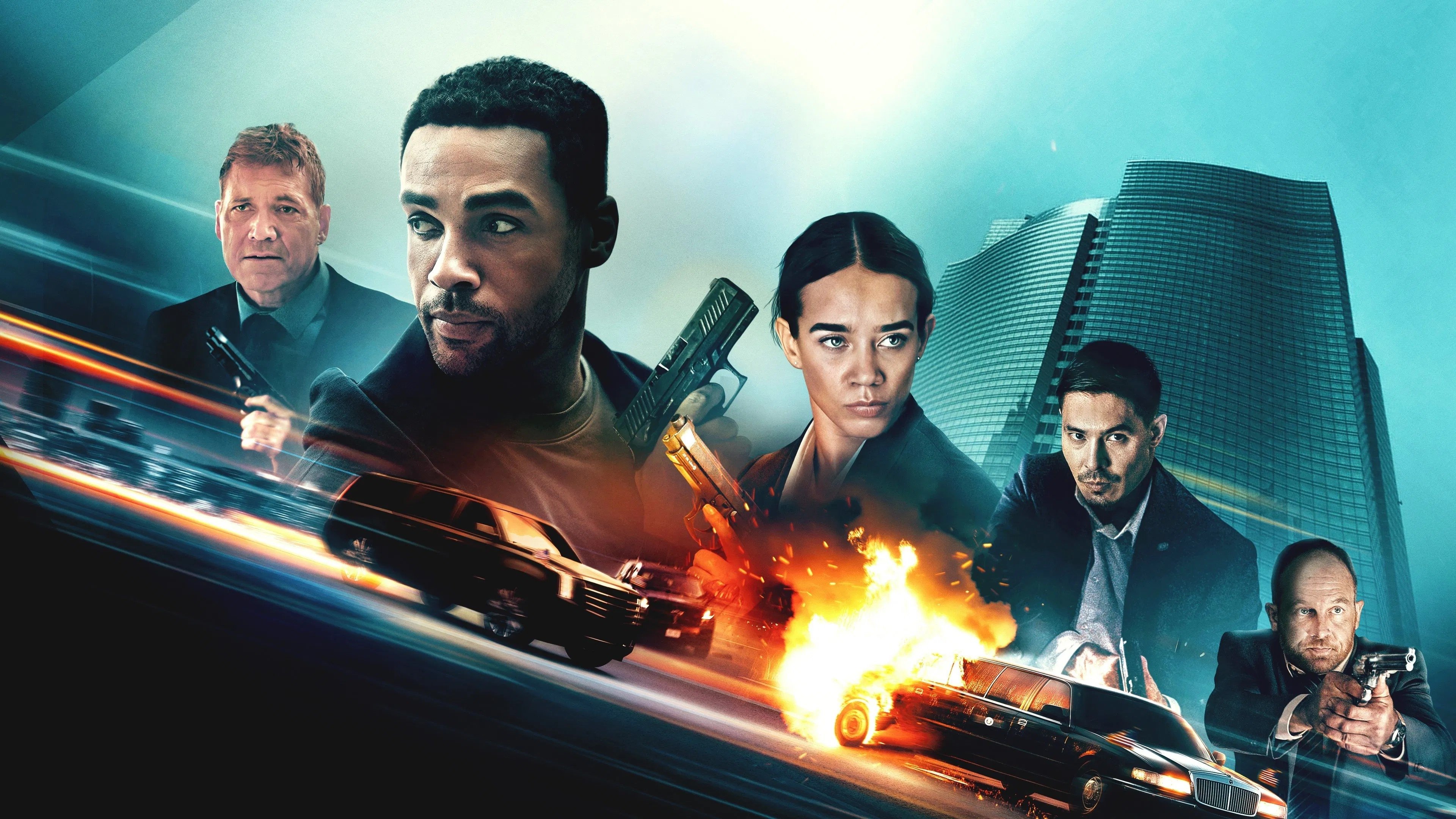
The cast deserves significant credit for anchoring this material with authenticity:
- Lucien Laviscount carries much of the film’s emotional weight, playing a character caught between competing loyalties. He brings a vulnerability to the role that elevates what could’ve been a one-dimensional protagonist
- Hannah John-Kamen navigates the film’s moral ambiguities with precision, never allowing her character to become a simple ally or antagonist—she’s always operating in the gray
- Lewis Tan adds a physicality and intensity that grounds the thriller elements, reminding viewers that tension can come from character conflict as much as action sequences
The chemistry between these three creates a pressure cooker environment where every interaction crackles with potential danger. Marshall clearly understood that in a confined thriller, casting is everything. You can’t hide weak performances when characters are forced into close quarters, and this ensemble elevated the material considerably.
> Marshall demonstrated a refreshing understanding of what makes modern thrillers work: it’s not about answering every question for the audience, but about creating enough uncertainty that the story becomes irresistible.
From a filmmaking perspective, Marshall’s direction shows real restraint and intelligence. In a genre often populated by flashy direction that announces itself, he opts for something more classical. The cinematography creates a sense of claustrophobia that mirrors the characters’ predicament. The editing is crisp without being showy—this film moves with purpose. Every scene either develops character or advances plot; there’s no filler, no moments that feel like padding. For a 90-minute runtime, that efficiency is remarkable.
The film’s cultural moment is interesting to consider. Safe House emerged in a specific context—a moment when audiences were increasingly skeptical of institutional safety, when the concept of a “safe house” itself had become loaded with irony. The film taps into that contemporary anxiety while remaining timeless in its character dynamics. It’s the kind of thriller that could’ve been made in 1985 or 2025; it’s not trying to be trendy, which paradoxically makes it feel more relevant.
Regarding its trajectory and legacy, Safe House represents something important about film distribution in 2025:
- The viability of mid-budget thrillers in an ecosystem dominated by tentpoles and prestige dramas
- The power of word-of-mouth in an attention economy—this film succeeded through genuine appreciation rather than marketing noise
- The enduring appeal of character-driven suspense over spectacle-driven narratives
In terms of industry influence, Marshall’s approach should be instructive for other filmmakers. Here’s someone working with apparently modest resources who created something tense and compelling by respecting both the audience’s intelligence and the genre’s fundamentals.
The collaboration between Voltage Pictures and Green Light Pictures also deserves recognition. These are production entities that clearly understood what Marshall was trying to create and gave him the space to realize that vision. In an industry increasingly focused on IP and existing properties, backing an original thriller from a visionary director represents a genuine act of faith.
As we look back at 2025’s theatrical landscape, Safe House occupies a particular niche—it’s not the film everyone’s talking about, but it’s the film that discerning thriller fans return to. Its 6.8 rating reflects a film that some audiences absolutely connect with while others find it doesn’t quite hit their particular buttons. But that specificity is actually a strength; it means the film has an identity rather than being designed to please everyone.
What lingers about Safe House is its refusal to play it safe, if you’ll pardon the irony. Marshall created a thriller that trusts its audience, that understands tension comes from uncertainty, and that proves you can build a genuinely suspenseful film without needing massive budgets or star power to carry you. In a cinematic landscape often dominated by spectacle, that’s a valuable reminder.