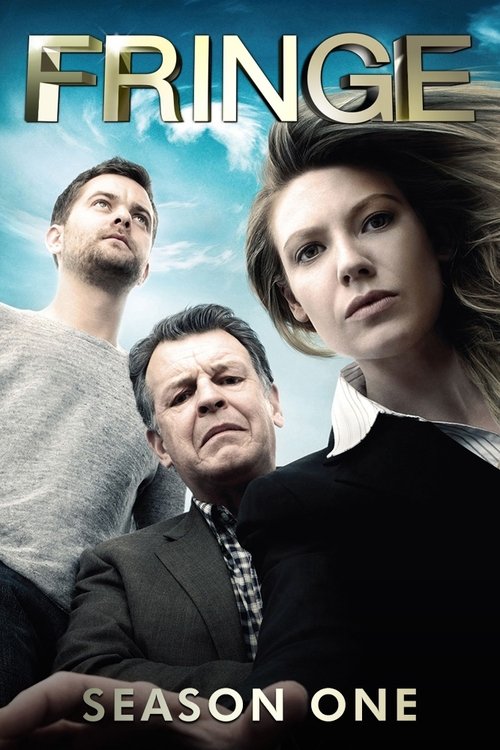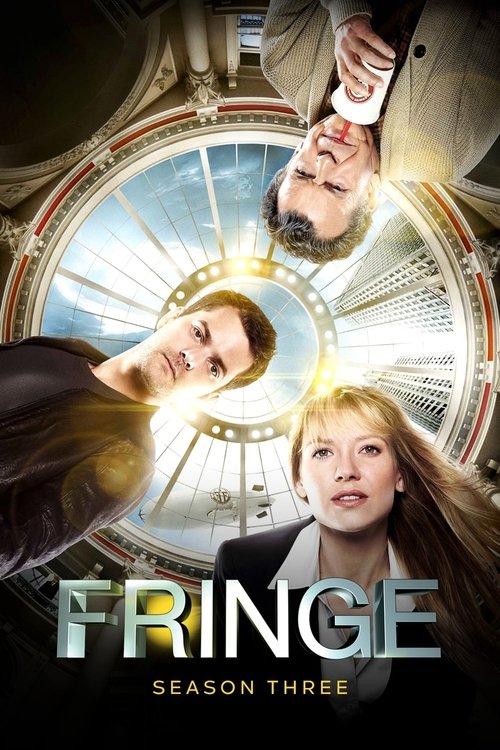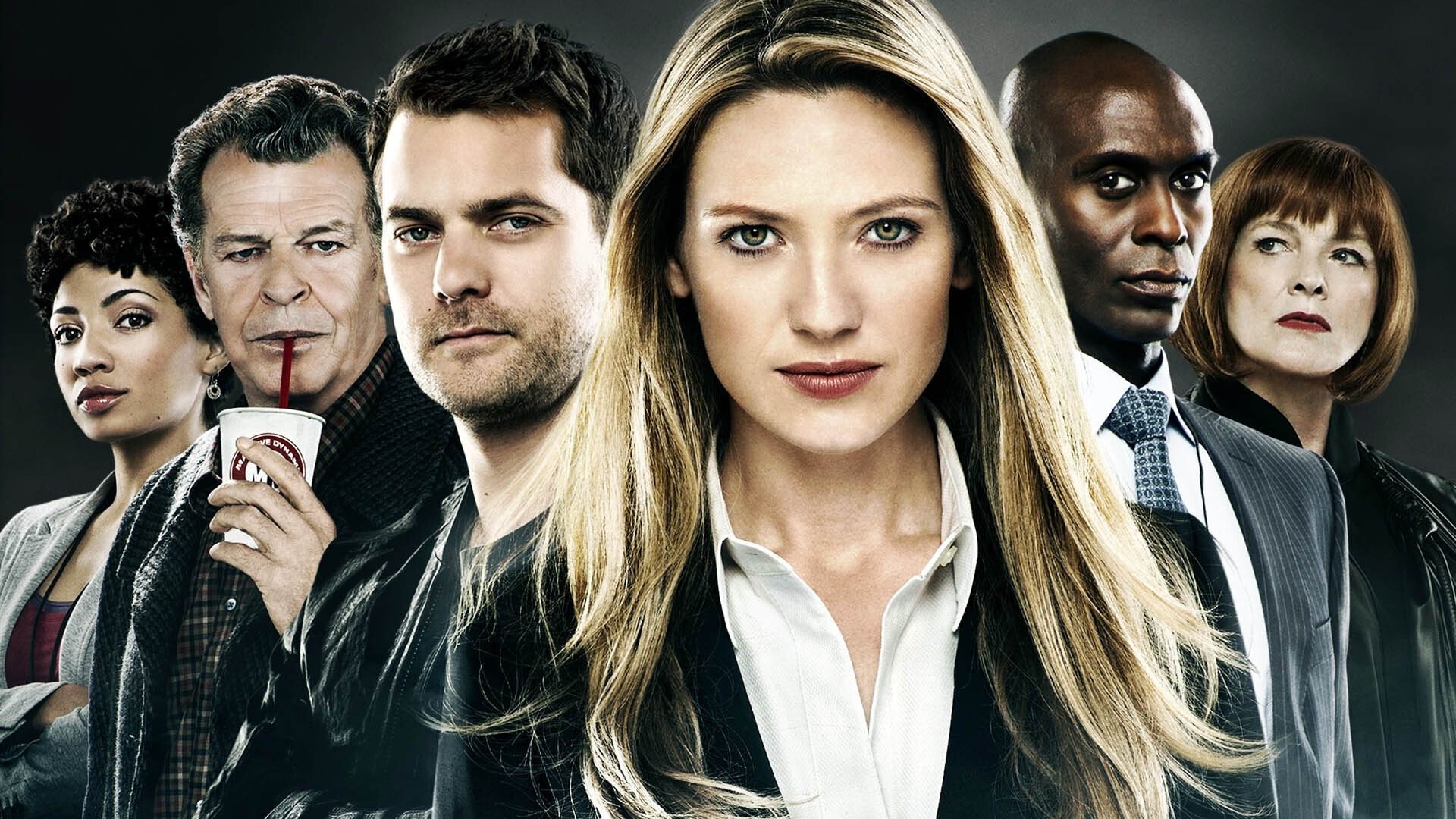
When Fringe debuted on September 9, 2008, it arrived in a television landscape already primed for the next big serialized mystery box. Coming from the creative minds of J.J. Abrams, Alex Kurtzman, and Roberto Orci—the architects of Lost‘s early seasons—there were sky-high expectations. What emerged was something that didn’t just meet those expectations; it carved out its own distinctive identity as one of television’s most underrated science fiction achievements. Over five seasons and 100 episodes, the show built something genuinely special that deserves to be mentioned alongside the era’s most important television.
What made Fringe stand out, especially in those crucial first seasons, was its willingness to embrace episodic storytelling within an overarching mythology. Unlike some of its contemporaries that demanded viewers live or die by the serialized narrative, Fringe understood that great television often lives in the space between standalone wonder and long-form mystery. The show could deliver a genuinely creepy, self-contained episode about interdimensional insects one week, then spend the next exploring deep mythology about parallel universes and corporate conspiracies. This balance became its secret weapon—it never felt like you were being punished for missing an episode, yet the mythology rewards remained rich for the devoted.
The mythology itself deserves special attention here. Rather than a vague, undefined threat that kept getting redefined (a common pitfall of mystery-box television), Fringe operated with real rules. Alternate universes weren’t just a narrative convenience; they were a consistent scientific framework that shaped every major story beat. The parallel universe storyline—particularly once we entered it directly—became the show’s most ambitious and sustained narrative achievement, something that built naturally from the show’s established mythology rather than feeling like a desperate pivot.
> The show understood that great television often lives in the space between standalone wonder and long-form mystery.
The character work remains genuinely impressive. Olivia Dunham, played by Anna Torv with remarkable depth, anchored the series with a complex journey from skeptical FBI agent to someone deeply entangled in supernatural forces beyond her comprehension. But perhaps more importantly, the show surrounded her with unforgettable supporting characters. Walter Bishop, the unhinged mad scientist played by John Noble, should have been a one-note comic relief character; instead, he became the emotional heart of the series. The gradual reveal of Walter’s past mistakes and the moral weight they carried transformed him into one of television’s most sympathetic characters. Astrid Farnsworth evolved from assistant to essential team member, grounded and brilliant. Even Peter Bishop became more layered the more the show revealed about his origins and his role in the larger conflict.
The show’s ability to generate iconic moments became part of its cultural footprint. Certain episodes transcended typical television—like the alternate universe arc where we watched glimpses of a world shaped by different choices, or the episodes that fully committed to exploring Walter’s fractured mind. The show didn’t shy away from emotional devastation either; major character deaths happened, and they mattered, they didn’t get undone by the next episode. This commitment to real consequences kept audiences engaged and genuinely uncertain about what would happen next.
Critical reception settled around an 8.1/10 rating, which honestly feels appropriately positioned for a show that was excellent but sometimes uneven. The early seasons were tighter, the middle seasons occasionally lost focus, but the commitment to sticking the landing in the final season showed a show that understood how to end while it still had stories to tell. Not many prestige television shows manage that balance.
Key elements that sustained the series:
- The mythology architecture remained consistent without becoming confining
- Character development that privileged emotional truth over plot mechanics
- A willingness to take stylistic risks (musical episodes, alternate reality episodes, experimental narrative structures)
- The ensemble cast’s chemistry, particularly the Walter-Astrid-Peter dynamic
- Visual effects that conveyed genuine scale and consequence for a network television budget
The show’s influence on the broader television landscape is easy to underestimate because Fringe didn’t become a cultural phenomenon in the way Breaking Bad or Game of Thrones did. But it demonstrated something crucial: that science fiction television could be intelligent, character-driven, and mythologically complex while still living on network television. It proved that audiences would show up for sophisticated serialized storytelling even without the prestige cable cachet. The show may not have had the cultural saturation of its competitors, but it built something more durable—a loyal, passionate fanbase that recognized what the show was attempting and appreciated the craft involved.
Looking back now, Fringe deserves reconsideration as one of the more successful science fiction television experiences of its era. It maintained narrative momentum across 100 episodes, developed characters with genuine complexity, and—perhaps most importantly—ended while it still had something to say. In an era of television gluttony, where shows often overstay their welcome, Fringe‘s five-season run feels almost perfectly calibrated. It’s the kind of show that rewards rewatching, where earlier episodes take on new resonance once you understand the larger picture, and where the mythology reveals gradually make the entire structure feel intentional and designed.
If you haven’t experienced Fringe, or if you watched it during its original run and drifted away, now’s the perfect time to revisit. It’s available on Hulu, and the complete narrative arc stands as a genuinely accomplished piece of science fiction television—one that trusted its audience’s intelligence and rewarded that trust with compelling characters, genuine scares, emotional devastation, and ultimately, a sense that the entire journey meant something.