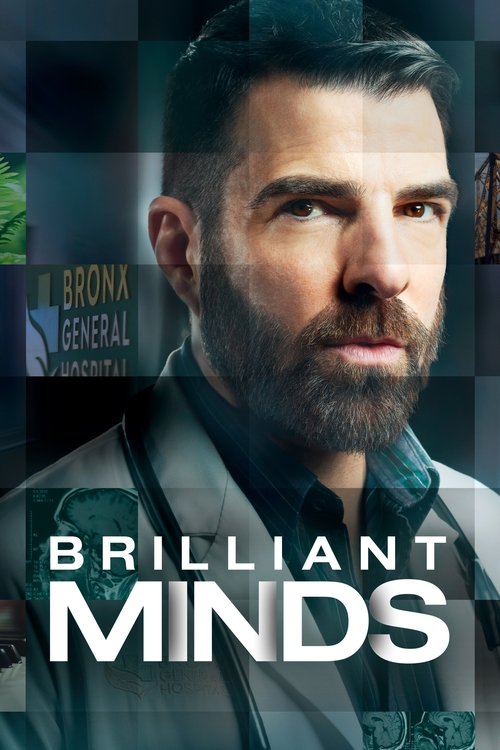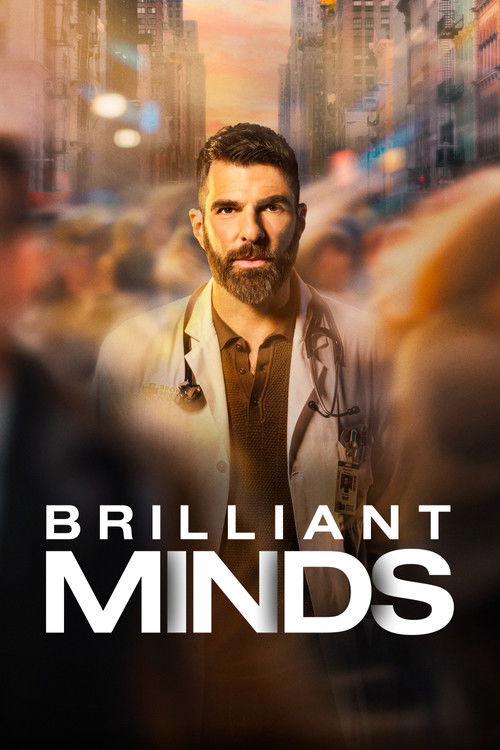
When Brilliant Minds premiered on September 23rd, 2024, it arrived at a moment when prestige medical dramas felt somewhat exhausted. Yet Michael Grassi’s creation managed to breathe genuine life back into the genre by refusing to be just another procedural about clever doctors solving impossible cases. Instead, what emerged was something far more ambitious—a show willing to explore the intersection of genius and vulnerability, brilliance and brokenness, in ways that felt refreshingly honest for network television.
The foundation of the show’s appeal lies in how Grassi structured the narrative around characters whose intellectual gifts are simultaneously their greatest strengths and deepest wounds. That’s not groundbreaking territory on its own, but the execution here—the 43-minute runtime allowing proper breathing room for both medical mystery and character development—creates something that feels neither rushed nor indulgent. Each episode manages to deliver compelling cases while also peeling back layers of complexity from its ensemble, which is no small feat in the drama landscape.
What’s particularly striking about Brilliant Minds‘ cultural resonance is how it sparked meaningful conversations about mental health, neurodivergence, and the cost of excellence. The show didn’t treat these themes as side plots or after-school-special moments; they’re woven into the DNA of the storytelling itself. Whether audiences connected with specific characters or found themselves debating the ethics of particular medical decisions online, the show clearly struck a nerve in ways that suggested it was addressing something audiences genuinely cared about.
> The real measure of a medical drama isn’t whether it can explain a complex diagnosis—it’s whether it can make us believe these characters’ emotional stakes matter as much as the clinical ones.
Over its first two seasons, spanning 28 episodes, Brilliant Minds built something of genuine substance. Now, the 7.3/10 rating might look modest on paper, but context matters enormously here. That score reflects a show that’s ambitious enough to take risks, complex enough to divide opinion, and human enough to matter. It’s the kind of rating that belongs to shows with real artistic integrity—not everything lands perfectly, but everything lands purposefully.
The show’s journey from its September 2024 debut to its current status as a returning series tells us something important about what audiences want right now. Despite the crowded streaming landscape—with Brilliant Minds available on Hulu, Peacock Premium, YouTube TV, and Peacock Premium Plus—the show found its audience. That’s genuine traction in an era when viewership is fragmented across platforms and attention spans are increasingly precious. The fact that NBC renewed it speaks volumes about how this show is performing where it matters most: keeping audiences coming back.
What really distinguishes Brilliant Minds in the current television climate is its refusal to separate the “brilliant” from the “human.” The show understands that exceptional minds often come with exceptional struggles, and rather than treating this as a plot device, Grassi’s vision integrates it into every aspect of the storytelling. The pacing, the character arcs, the way cases unfold—everything is in service of exploring that central tension.
The casting and ensemble dynamics clearly play a significant role in why this show resonates. With characters who represent different flavors of genius and different ways of being brilliant, the show creates spaces for multiple entry points. Viewers find themselves identifying with different people at different times, which builds a kind of emotional investment that pure procedural plotting could never achieve. That chemistry elevates even standard medical mystery beats into something that feels lived-in and genuine.
The key to Brilliant Minds‘ enduring appeal seems to be its willingness to ask uncomfortable questions:
- What responsibility do brilliant people have when their gifts could help others?
- How do you maintain relationships when your mind works fundamentally differently than most people’s?
- What’s the cost of pushing yourself to excellence, and at what point does ambition become destructive?
- Can institutional medicine accommodate for the full humanity of its practitioners?
These aren’t questions with easy answers, and the show doesn’t pretend they have them. Instead, it sits with the complexity, which is exactly what good drama should do. The 43-minute format proves crucial here—there’s enough time to introduce complications without resolving them neatly, to let moral ambiguity breathe, to acknowledge that sometimes the smartest people in the room still get things wrong.
From a pure production standpoint, Brilliant Minds also deserves recognition for how it manages its scope. Balancing ensemble character work with compelling weekly cases, maintaining emotional coherence across multiple narrative threads, and doing it all within network television constraints—that’s genuinely impressive work. The show never feels cheap or phoned-in; even in its most procedural moments, you can feel the care behind the construction.
Looking ahead, with the show returning for more episodes, there’s real potential for Brilliant Minds to solidify itself as one of those dramas that genuinely mattered. It’s found its audience, proven it can sustain interesting storytelling across multiple seasons, and created a foundation rich enough for expansion and deepening. In an era of prestige television, sometimes the most radical thing a network drama can do is commit to genuine character development alongside compelling storytelling.
If you haven’t discovered Brilliant Minds yet, now’s genuinely the time to start. This is television that respects your intelligence while never forgetting your heart.