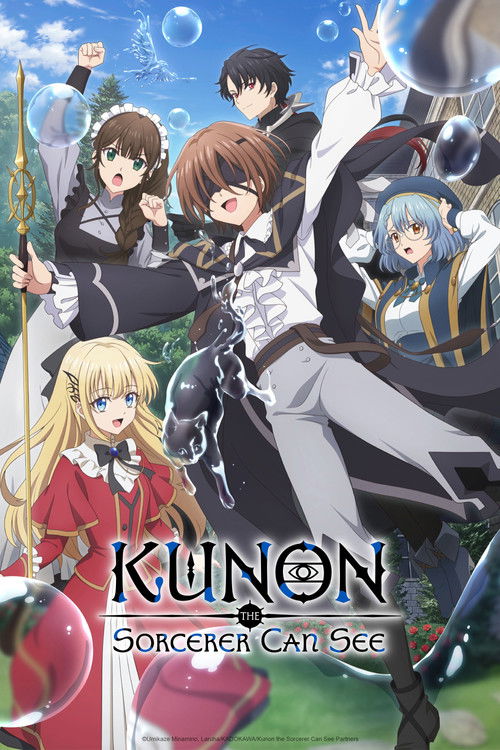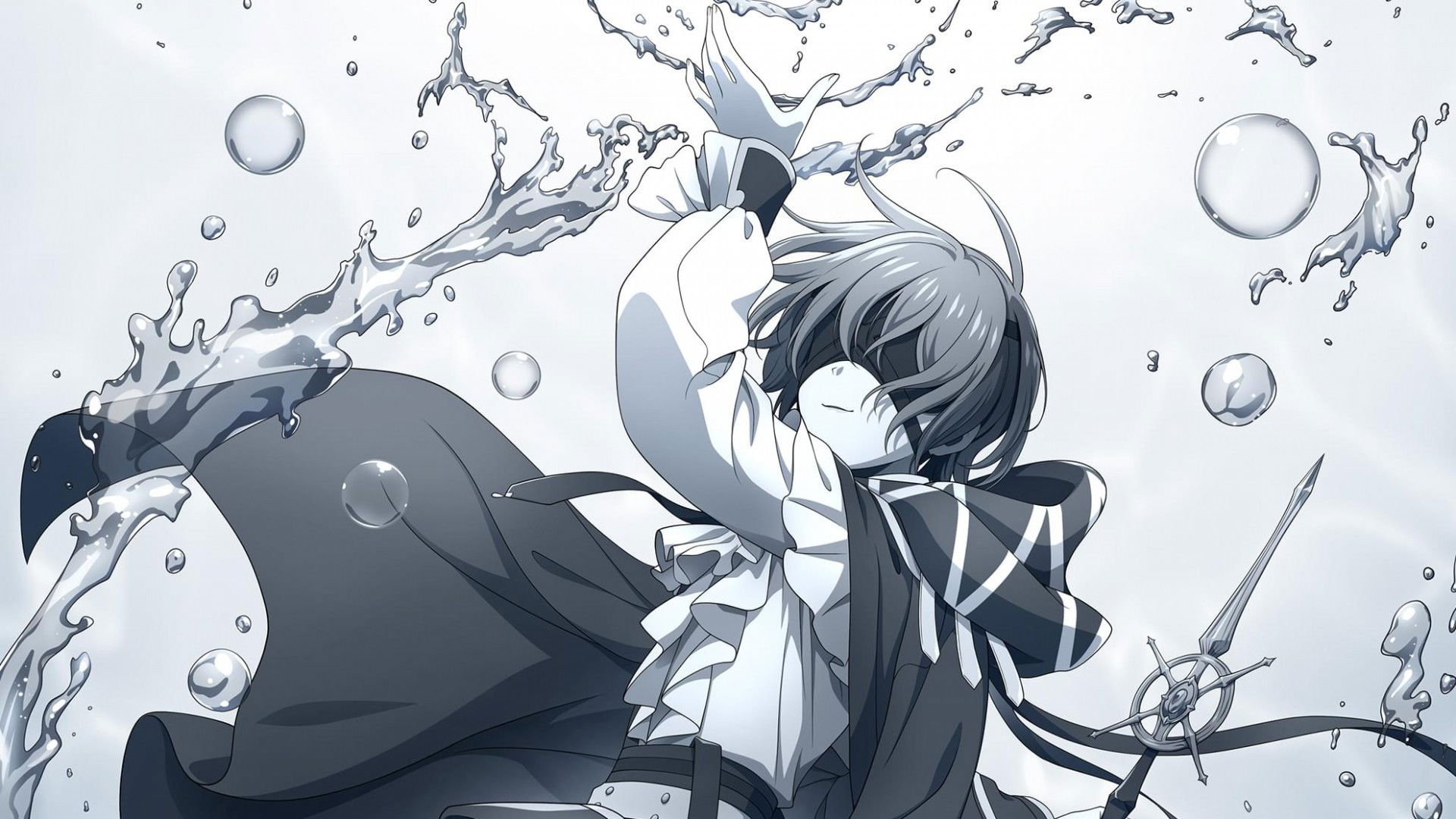
When Kunon the Sorcerer Can See premiered on January 4th, 2026, it arrived quietly but with undeniable impact. Tokyo MX took a chance on what could have been another forgettable fantasy anime, but what unfolded across those 12 episodes was something far more compelling—a show that understood how to blend sci-fi and fantasy worldbuilding with genuinely compelling character-driven storytelling. The 8.7/10 rating it earned wasn’t just a number; it represented the kind of consensus that forms when a series does something right that resonates across different viewer demographics.
What made Kunon the Sorcerer Can See stand out in an increasingly crowded animated landscape was its willingness to trust its audience. Rather than explaining every magical system and narrative thread in exposition dumps, the show allowed viewers to discover its world alongside the characters. This approach created a sense of genuine mystery that felt earned rather than manufactured.
> The show’s greatest strength lay in how it balanced action sequences with quieter character moments—a balance many contemporary series struggle to maintain.
The animation itself became a topic of discussion in fan circles, with viewers praising how the studio utilized visual storytelling to convey information that other shows might have spelled out in dialogue. Each episode maintained consistent quality while experimenting with different visual techniques, keeping the aesthetic fresh across the entire season.
Key elements that defined the series:
- A protagonist whose “sight” operated on rules that weren’t immediately obvious—creating mystery and intrigue
- Supporting characters who felt like they had their own motivations beyond simply serving the plot
- A world that suggested depth and history without requiring extensive exposition
- Action sequences that advanced character development rather than just looking cool
- A narrative arc that felt complete while leaving room for expansion
The cultural conversation around Kunon the Sorcerer Can See developed organically, building momentum as more viewers discovered it through streaming platforms like Crunchyroll. What began as scattered praise from early adopters became a genuine phenomenon by the season’s conclusion. Fans started creating fan art, crafting theories about the magic system, and dissecting subtle character moments that revealed deeper layers on rewatch.
Several episodes became touchstones in anime discourse. Viewers found themselves returning to specific moments, not just for their visual spectacle but for how they deepened their understanding of Kunon’s character and motivations. The show sparked meaningful conversations about disability representation in fantasy narratives, about how limitations can become sources of strength rather than tragedy, and about the nature of perception itself.
What made the ending land with such emotional resonance:
- The payoff felt earned through genuine character development across all 12 episodes
- Visual and thematic threads wove together in satisfying but not predictable ways
- The conclusion respected audience intelligence without tying everything into neat bows
- It created space for deeper appreciation on rewatch, revealing foreshadowing viewers initially missed
The decision to announce a returning series status only deepened the intrigue. This wasn’t a show that overstayed its welcome or desperately clung to a ending—it was a complete narrative that now had permission to expand. The creative team clearly had more to explore in this world, and fans eagerly anticipated what direction the story might take.
Where Kunon the Sorcerer Can See really distinguished itself was in its creative philosophy. The Unknown runtime notation suggests the studio prioritized storytelling pacing over commercial break structures, allowing episodes to breathe and develop naturally. This freedom resulted in a show that felt intentional in every scene, where nothing appeared to exist purely for filler or padding.
The animation studio’s approach to the Action & Adventure elements never sacrificed character for spectacle. Every conflict felt meaningful because viewers understood what was at stake emotionally, not just narratively. The Sci-Fi & Fantasy genres merged seamlessly, creating a world that felt internally consistent and genuinely lived-in rather than a collection of cool set pieces.
The show’s influence on the broader animation landscape:
- Demonstrated that 12-episode seasons could tell complete, satisfying stories without compromising depth
- Proved that mystery-box storytelling could work without frustrating audiences
- Showed audiences wanted animation that trusted their intelligence
- Established that character-first storytelling could drive compelling action sequences
Looking back at Kunon the Sorcerer Can See from its current vantage point, the show represents something increasingly rare in contemporary television—a complete artistic vision executed with confidence and clarity. It didn’t try to be everything to everyone, and that specificity became its greatest strength. For viewers seeking animation that challenged them intellectually while delivering genuine emotional resonance and exciting action, it delivered comprehensively.
As we await what comes next in this world, there’s real anticipation rather than uncertainty. The foundation Kunon the Sorcerer Can See built across its first season suggests the creative team knows exactly what they want to accomplish—and that’s precisely the kind of confidence that transforms a good show into something that endures in the cultural conversation long after it airs.