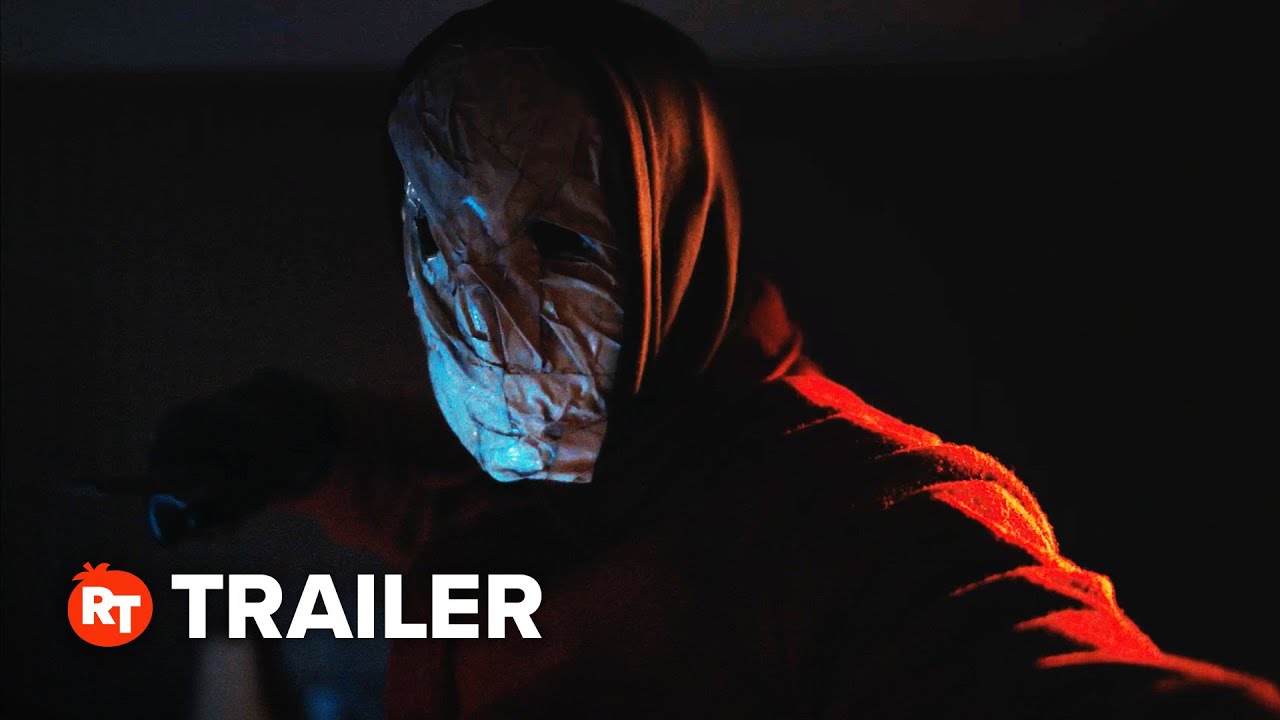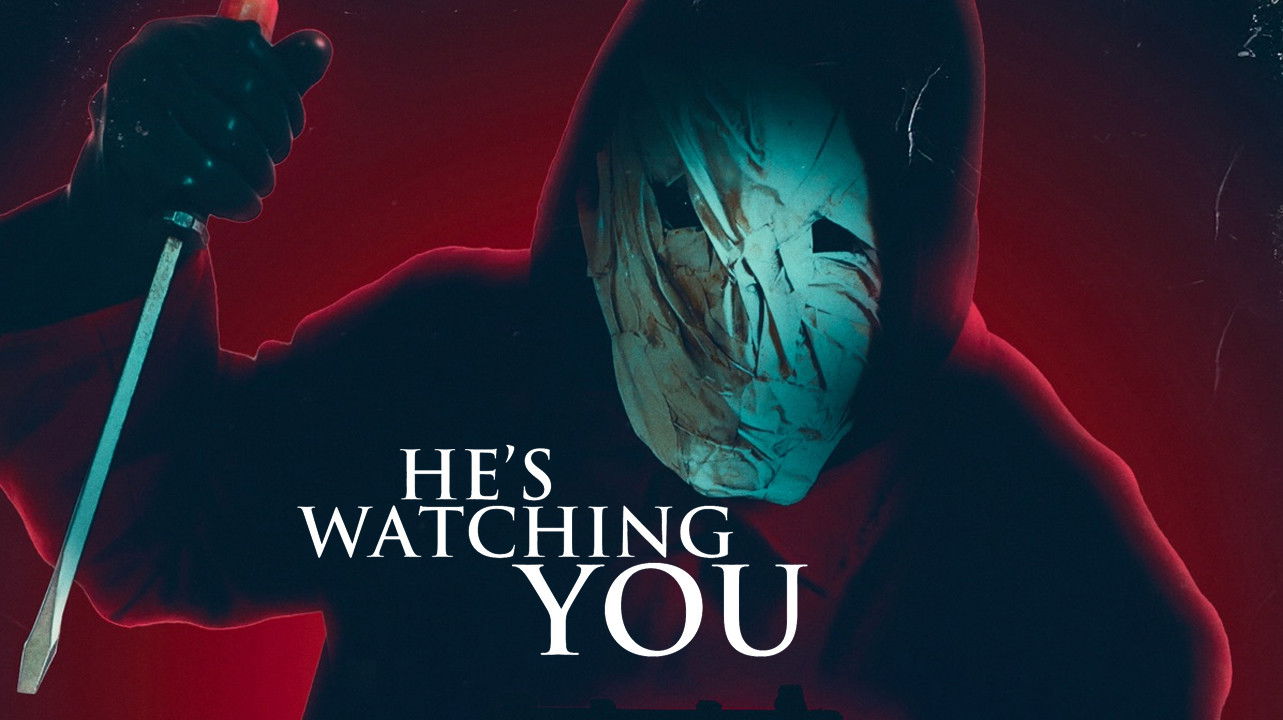
When He’s Watching You premiered in January 2026, it arrived quietly—no massive marketing push, no pre-release buzz dominating social media. Yet director Jordon Foss had crafted something that would linger in viewers’ minds far longer than most horror films manage. What makes this film particularly fascinating is how it operates as almost a perfect distillation of modern horror anxieties, wrapped up in a lean 1 hour and 42 minutes that refuses to waste a single frame.
Foss brought a distinctly measured approach to the material, which stands out in a genre often defined by jump scares and excess. The economy of the runtime itself becomes part of the creative vision—there’s no bloat, no unnecessary exposition, just a filmmaker committed to tension and psychological dread. This restraint is what allows the film to burrow under your skin, because you’re never quite comfortable enough to relax into the experience.
The ensemble cast deserves serious credit for understanding Foss’s vision. Gianni DeCenzo, Jan Luis Castellanos, and Elizabeth Yu form the beating heart of the narrative, and what’s remarkable is how they avoid the typical horror film trappings. Their performances feel grounded and naturalistic, which actually makes the increasingly unsettling situations feel that much more threatening. When characters react with genuine fear rather than theatrical panic, the horror becomes contagious. You believe their terror because they’re not performing for the camera—they’re living it.
> The film’s genius lies in understanding that what we don’t see is almost always scarier than what we do.
What He’s Watching You accomplishes thematically extends beyond simple scares:
- It taps into surveillance anxiety—a theme that’s become increasingly relevant in contemporary life
- The film explores vulnerability and the invasion of private space with surgical precision
- It questions the nature of observation itself, and whether being watched fundamentally changes who we are
- There’s an unsettling commentary on complicity and how easily we invite threats into our homes
The critical reception of 7.2/10 from early voters tells an interesting story. That’s not a polarizing score—it suggests something neither universally loved nor dismissed, but rather deeply interesting. This is the kind of film that sparks conversation, that divides audiences into those who found it profoundly unsettling and those who wanted something different. That kind of engaged response often matters more than universal acclaim, because it means the film provoked genuine thought and reaction.
Without publicly available box office figures, it’s hard to assess the film’s commercial footprint, but that absence itself is telling. He’s Watching You appears to be the kind of film that found its audience through word-of-mouth, streaming recommendations, and critical appreciation rather than theatrical dominance. In 2026’s fragmented media landscape, that’s actually become a more valuable achievement than it might seem. The film has staying power precisely because it wasn’t designed as a tentpole event—it’s designed as an experience.
Palm Drive Productions gave Foss the space to make something genuinely uncompromising, and that partnership clearly mattered. You can sense throughout the film that no one was making studio demands for broader appeal or easier resolutions. The creative vision remained intact, which is increasingly rare.
Why this film resonates with contemporary audiences:
- Timely anxieties: In a world of smart devices, home security systems, and constant digital tracking, the film’s central premise feels genuinely plausible
- Character-driven horror: The focus on how ordinary people respond to extraordinary threat feels more sophisticated than typical genre fare
- Visual restraint: Foss seems to understand that horror has become oversaturated with bombastic imagery, and quiet dread is far more effective
- Thematic depth: This isn’t just a thriller—it’s genuinely exploring something about human nature and our relationship to safety
The legacy of He’s Watching You may ultimately be subtle rather than flashy. It’s unlikely to spawn a franchise or generate countless imitators. Instead, it’ll be the kind of film that serious horror enthusiasts recommend to each other, that appears on year-end critical lists, that influences the next generation of directors who understand that great horror is about psychology first and spectacle second. Foss has made a film that trusts its audience’s intelligence, that understands discomfort and dread, and that refuses easy answers.
What makes this collaboration between Foss, DeCenzo, Castellanos, and Yu memorable is that it feels like a complete creative statement—everyone involved understood the assignment and executed it with precision. There’s nothing wasted here, nothing included for easy scares or audience manipulation. It’s filmmaking with intent and purpose, which in horror cinema is genuinely rare.
The real significance of He’s Watching You is that it proves horror can still be genuinely unsettling without cynicism or cruelty. It’s a film that respects both its characters and its audience, and in doing so, it creates something that sticks with you long after the credits roll.