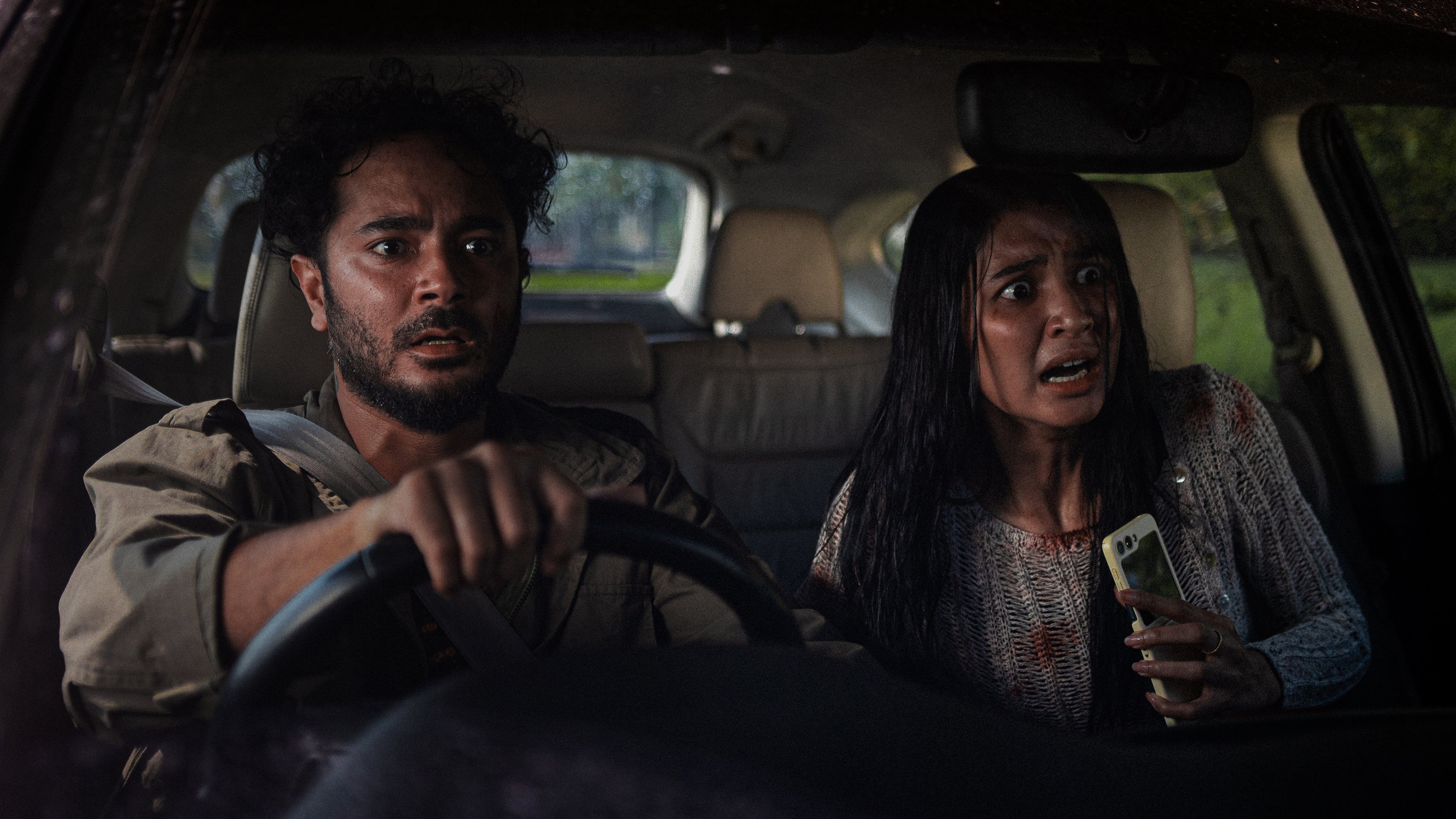
When Kimo Stamboel’s The Elixir premiered in October 2025, it arrived at an interesting moment for Southeast Asian horror cinema. The film, which runs 118 minutes minutes, presents a straightforward premise with genuine potential: a family running an herbal medicine business accidentally creates a potion that unleashes the undead on their village. It’s the kind of setup that could go either way—become genuinely compelling social commentary or collapse under its own ambitions. What Stamboel chose to do with this material reveals something worth discussing about where horror cinema stands right now.
The core conceit is actually quite smart. A family business built on tradition becomes the source of catastrophe when someone tries to innovate. There’s real thematic meat there about generational conflict, the dangers of hubris, and what happens when we try to improve on things we don’t fully understand. The problem is that The Elixir doesn’t dig deep enough into these ideas. Instead, it treats them as window dressing for a more conventional zombie outbreak story.
The ensemble cast—Mikha Tambayong, Eva Celia, and Marthino Lio—works with the material they’re given. Tambayong and Celia carry the emotional weight of the family drama that’s meant to anchor the horror, while Lio brings intensity to his scenes. The performances aren’t the issue. What matters more is whether the film gives them anything substantial to play with, and that’s where things get murkier.
What the Numbers Tell Us
The film earned a 5.9/10 rating from 177 votes on major databases, which puts it in that middle ground that neither condemns nor celebrates it. Interestingly, critical reception tells a different story—Rotten Tomatoes gave it a 75% Tomatometer score, suggesting critics found more to appreciate than general audiences did. That gap between critical and audience response is telling. It means the film likely works better as a constructed piece of filmmaking than as a visceral experience.
Where It Fits in Horror Right Now
Indonesian horror has become increasingly visible internationally over the past decade. Films from the region bring distinct cultural perspectives and aren’t afraid to get genuinely unsettling. The Elixir continues that tradition by grounding its zombie outbreak in a specific cultural context—the herbal medicine business isn’t just set dressing, it’s fundamental to understanding how the catastrophe unfolds.
The film’s approach to the family dynamic is its most interesting element:
- Generational tension between traditional practices and modern innovation drives the central conflict
- Family unity as survival mechanism—members who begin at odds must reconcile under pressure
- Community collapse as the undead spread through the village, forcing personal feuds to take a backseat
- The irony of tradition becoming both the cause and potential salvation
These elements could have been developed more thoroughly. Instead, the film seems content to hit these beats without exploring them fully.
The Creative Vision
Stamboel has worked in Indonesian horror and thriller cinema for years, and he brings technical competence to The Elixir. The film doesn’t look cheap or poorly made. Cinematography is solid, editing is clean, and the pacing moves forward without major stumbles. What’s missing isn’t technical skill but thematic depth. The director seems more interested in delivering genre expectations—jump scares, zombie action, family drama—than in really interrogating what the story could be about.
This isn’t necessarily a failure. Plenty of effective horror films work precisely because they deliver what audiences want without overreaching. But The Elixir hovers in a space where it’s competent enough to frustrate rather than satisfy. You can see the better film it could have been, and that awareness becomes the real problem.
Why It Still Matters
Despite its limitations, The Elixir released during a period when horror cinema continues to expand globally. Films from Indonesia, Thailand, South Korea, and other Asian territories are increasingly finding international audiences, and each release contributes to shifting which stories get told and where. That matters culturally, even when individual films are just adequate rather than exceptional.
The cast commitment is real. Tambayong and Celia give genuine performances even when the script doesn’t offer them much complexity. There’s something to respect about actors who elevate material that doesn’t fully support them. It’s a reminder that cinema is collaborative, and sometimes the most interesting work happens at the margins of what’s actually on screen.
The Lasting Take
The Elixir is the kind of film that occupies a specific space: too competent to dismiss entirely, too limited in scope to truly celebrate. It works as a piece of entertainment for audiences who want horror with family drama, but it doesn’t transcend those boundaries. The film does what it sets out to do without doing much more, and there’s honesty in that, even if it’s not particularly exciting.
What matters going forward is whether filmmakers in this region continue pushing beyond formula. The Elixir suggests Stamboel is comfortable working within established horror structures. The real question is whether future projects will take more risks, explore their thematic potential more deeply, and trust audiences to engage with complexity alongside scares. That’s where the conversation about Southeast Asian horror cinema becomes truly interesting.


![Official Trailer [Subtitled]](https://img.youtube.com/vi/XL48F7LGoig/maxresdefault.jpg)
![Official Teaser [Subtitled]](https://img.youtube.com/vi/xo2neNwfw2Q/maxresdefault.jpg)