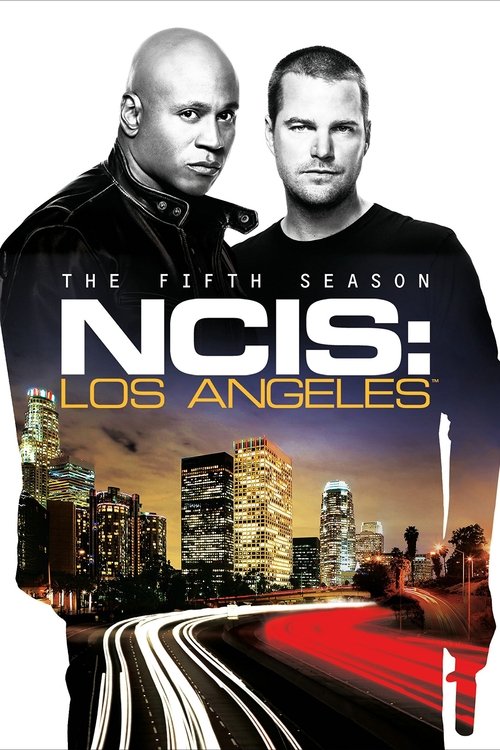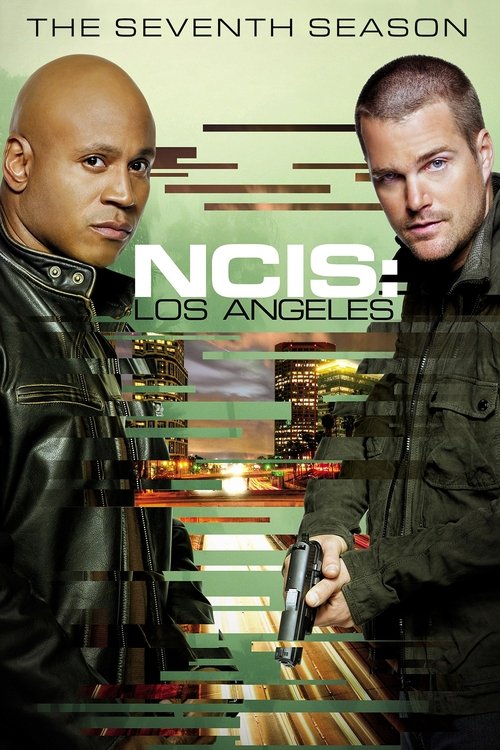
When NCIS: Los Angeles premiered back on September 22, 2009, it arrived as a spinoff to an already-successful procedural franchise. But what Shane Brennan created wasn’t just another law enforcement drama riding on established coattails—it became a distinct entity with its own identity, tone, and loyal fanbase that would sustain it through 14 impressive seasons and 323 episodes. That’s not a typical trajectory for a spinoff, and it speaks volumes about what made this show special.
The brilliance of Brennan’s vision lay in his understanding of what made procedurals tick in the late 2000s, combined with a willingness to inject genuine character development into a format that could have easily remained superficial. The 45-minute runtime allowed for something crucial: enough breathing room to weave together high-stakes cases with meaningful interpersonal drama. Rather than treating these elements as separate, the show made them symbiotic. Cases informed character decisions, and character relationships elevated the stakes of investigations beyond simple “solve the crime” mechanics.
What set NCIS: Los Angeles apart from its crowded procedural landscape was its commitment to the ensemble dynamic. This wasn’t a show about one brilliant detective—it was about a team where each member brought distinct perspectives and skills to the table. That distinction mattered enormously in an era where procedurals sometimes treated supporting characters as interchangeable. The chemistry between cast members felt organic rather than forced, which is a harder achievement than it sounds.
The show’s cultural footprint extended beyond typical crime drama territory. It sparked genuine conversations about representation in action television, particularly in how it portrayed female operatives and leadership. Characters like Nell Jones and Kensi Blye weren’t afterthoughts or romantic sideplots—they were central to the narrative apparatus, driving stories and making consequential decisions. This felt progressive for the time, especially within the action-adventure space where female characters have historically occupied narrower roles.
> The show understood that audiences in 2009 and beyond craved more than procedural mechanics—they wanted to invest in these characters’ lives, struggles, and relationships over multiple seasons.
The crime and mystery elements remained consistently engaging across those 323 episodes, which is genuinely difficult to maintain. What prevented the show from becoming formulaic was its willingness to evolve its threats and incorporate larger mythology. Season arcs built tension across multiple episodes, allowing for sophisticated storytelling that transcended the traditional “case-of-the-week” framework. The action sequences, meanwhile, elevated the production values in ways that made the show feel cinematic within its television constraints.
The show earned its solid 7.5/10 rating honestly. It wasn’t going to win every critic over—procedurals rarely do—but it cultivated the kind of durable audience loyalty that enabled 14 seasons of production. That’s a remarkable achievement in an increasingly fragmented television landscape. The fact that it maintained viewership on CBS, a network that wasn’t necessarily known for streaming dominance, speaks to the show’s broad appeal and the relationships viewers had developed with these characters.
Thematically, NCIS: Los Angeles consistently explored the cost of the operational life. Characters juggled dangerous fieldwork with personal relationships, moral compromises with professional ethics, and loyalty to the team with loyalty to their families. These tensions created genuine dramatic stakes beyond the case mechanics. The show recognized that spending an hour every week with these characters meant audiences would care deeply about their welfare, and it leveraged that investment deliberately and effectively.
The technical execution deserves recognition too. The 45-minute runtime shaped storytelling in sophisticated ways—it allowed for complex narrative structures where exposition could be woven naturally rather than delivered in clumsy blocks. Scene transitions, interrogation sequences, and operational planning sequences all benefited from adequate time to breathe. This was television craft executed at a high level, even if it didn’t always receive critical acclaim for doing so.
What makes NCIS: Los Angeles worth revisiting or discovering is its commitment to entertainment that never feels cheap or cynical. The show understood that audiences were intelligent and could appreciate both thrilling action sequences and meaningful character moments in the same episode. It balanced humor with drama, spectacle with introspection, and procedural satisfaction with ongoing narrative development.
- The ensemble approach: No single character dominated; instead, the team dynamic drove storytelling
- Character evolution: Major players grew, changed, and faced genuine consequences across seasons
- Cultural representation: The show pushed boundaries in how it portrayed women in action roles
- Sustained quality: 323 episodes maintained engagement through both procedural satisfaction and mythology
- Production value: Action sequences and cinematography felt cinematic without losing the intimate character focus
Fourteen seasons is a remarkable run that most shows never achieve. NCIS: Los Angeles earned that longevity by understanding something fundamental: viewers return to shows because they care about the people within them. The crimes and mysteries mattered, certainly, but ultimately audiences invested because they believed in these characters, valued their relationships, and wanted to follow their journeys. That’s the core of what made this spinoff not just successful, but genuinely meaningful television.