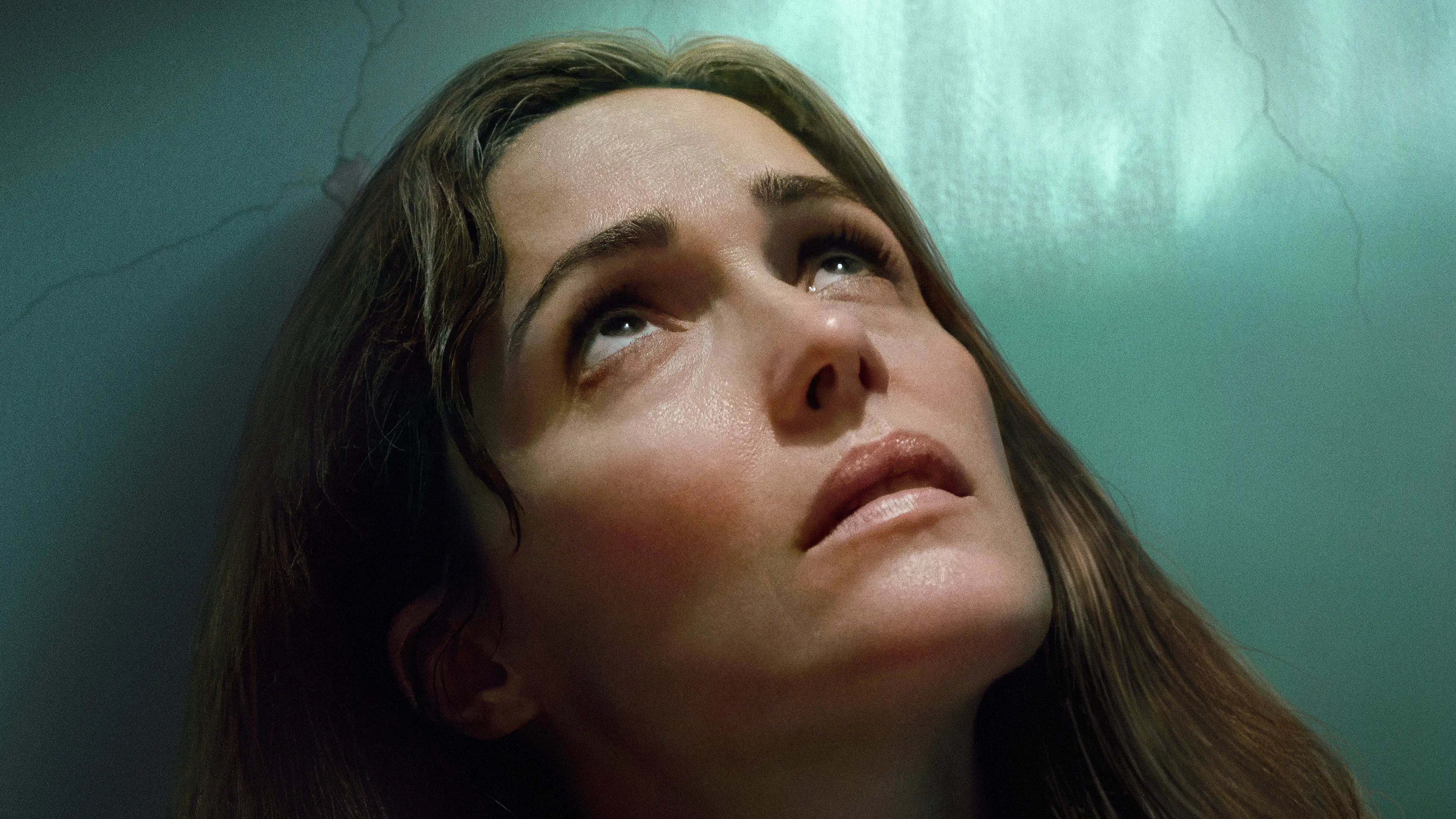
Mary Bronstein’s If I Had Legs I’d Kick You arrived in October 2025 as one of those genuinely strange, difficult films that somehow manages to matter. With a modest $1.5 million budget and a cast that reads like someone’s fever dream—Rose Byrne, Conan O’Brien, and A$AP Rocky sharing screen time—this 113-minute meditation on control and powerlessness shouldn’t have worked. Yet here we are, still talking about it months later, which tells you something about what Bronstein accomplished.
Let’s be honest about the numbers first, because they matter to the story: the film grossed $1.3 million against its budget. On the surface, that’s a shortfall. It underperformed at the box office. Critics gave it a 6.5/10, which isn’t glowing praise. But this is exactly the kind of film where those metrics don’t tell the real story. If I Had Legs I’d Kick You was always going to be a niche film—intentionally so. It’s a film made by someone with a clear, uncompromising vision, and Bronstein never once flinched from that vision to chase broader appeal.
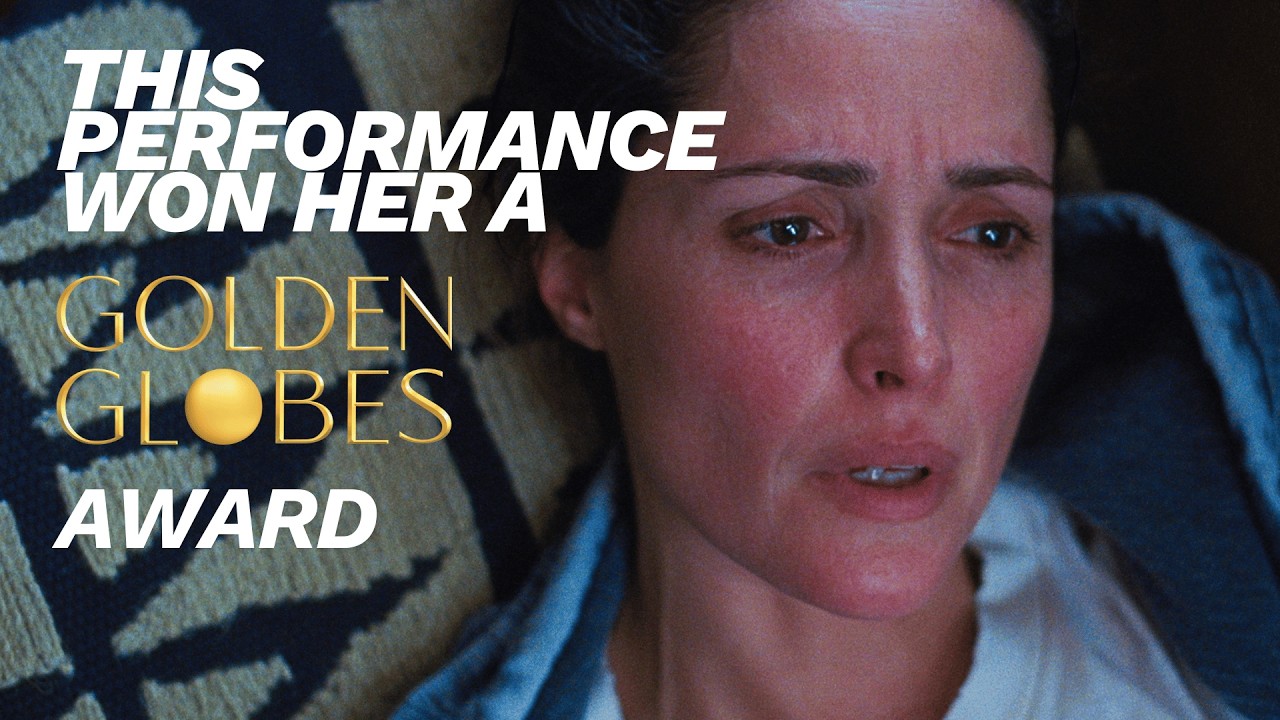
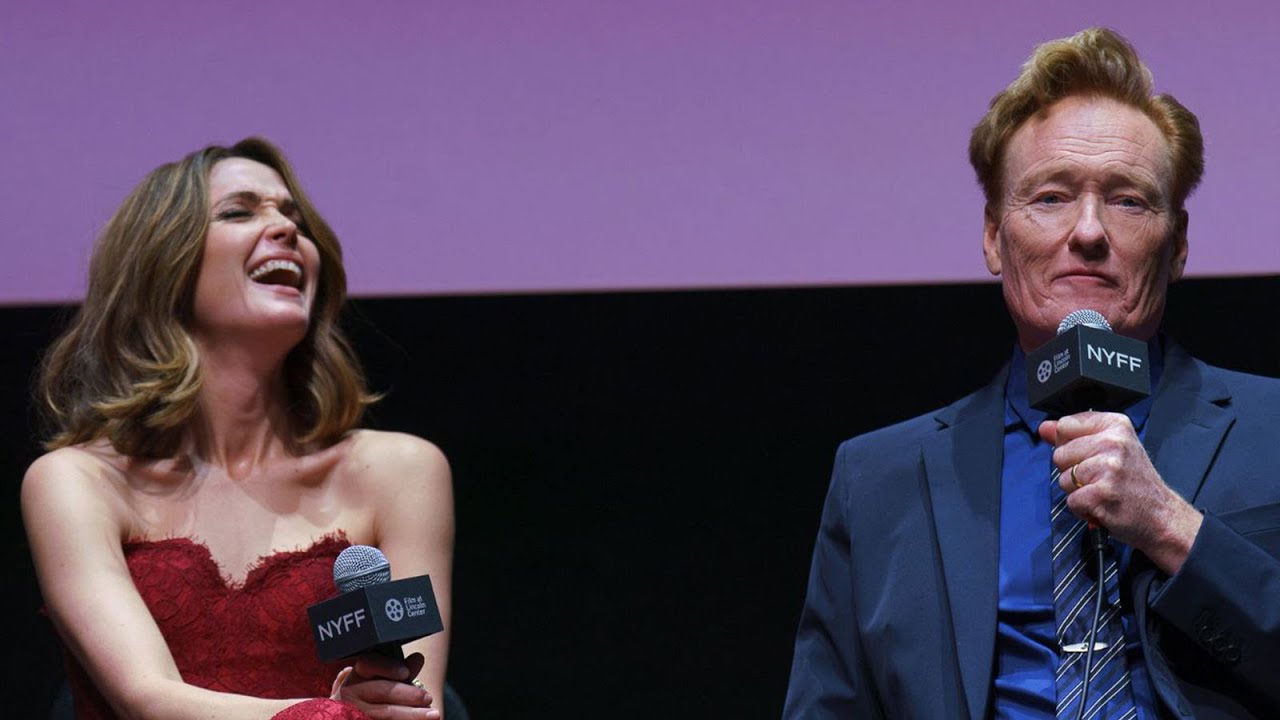
What makes the film genuinely significant is how it uses its mismatched cast as a genuine artistic statement. Rose Byrne brings her considerable dramatic chops to a role that seems designed to strip away everything we expect from her. Conan O’Brien—yes, the late-night host—shows up in what amounts to a surprisingly effective dramatic turn, which shouldn’t work but does because he commits fully. And A$AP Rocky? He’s weirdly grounded, giving the film an authenticity in its quieter moments that you wouldn’t anticipate. These three actors don’t feel thrown together; they feel like they’re all operating on the same strange wavelength that Bronstein created.
> “Everything is under control” is the film’s tagline, and it’s completely ironic. Nothing in this movie is under control. Everything is slipping, fragmenting, breaking apart.
The runtime of 1 hour 53 minutes deserves mention because it feels deliberate. Bronstein had the discipline to make exactly the film she wanted without padding it with unnecessary scenes or, conversely, cutting away when the discomfort became too much. The pacing is deliberately off-kilter in places, which some viewers found frustrating. That critical reception of 6.5/10 likely reflects that divide—people either embraced the uncomfortable formal choices or resented them.
Looking at the film’s place in contemporary cinema, it occupies a fascinating middle ground:
- It’s deeply theatrical in its sensibility despite being a film
- It treats melodrama and absurdism as equally valid tonal registers
- It refuses easy emotional catharsis
- It uses its modest budget as an aesthetic choice rather than a limitation
Fat City and A24’s involvement signals something important too. A24 has become known for championing idiosyncratic voices, but this film goes further than many in their catalog. It’s genuinely weird in ways that mainstream distributors would have smoothed away. Bronstein had partners willing to let her make something uncompromising, and that’s increasingly rare.
The cultural impact has been quieter than mainstream recognition, but more intense among those who’ve engaged with it. The film found its audience in festival circuits and among critics who appreciate formal risk-taking. It won’t show up in retrospectives about the biggest films of 2025—that’s not its trajectory. But in conversations about independent cinema, about what becomes possible when you have a clear vision and the courage to see it through, If I Had Legs I’d Kick You will keep coming up.
What makes Bronstein’s direction remarkable isn’t flashiness—it’s precision:
- She understands that constraint breeds creativity
- She trusts her actors completely, but never lets them disappear into their roles
- She finds visual language for emotional states that dialogue couldn’t capture
- She’s unafraid of silence and stillness in ways that feel almost radical now
The collaboration between Byrne, O’Brien, and Rocky works because Bronstein clearly knew what she wanted from each of them. Byrne grounds the film in something recognizable and human. O’Brien provides an unexpected pathos. Rocky brings an element of danger, a sense that something could shatter at any moment. Together, they create something genuinely unsettling.
Legacy-wise, If I Had Legs I’d Kick You might not influence a generation of filmmakers in obvious ways. You won’t see directors mimicking its specific strategies. But it matters because it exists as proof of concept—proof that you can make a genuinely strange film about control and agency and powerlessness with modest resources, with unexpected casting choices, and still create something that people think and talk about. In an era of sequel fatigue and algorithmic content, that kind of artistic independence feels almost radical.
The film’s real achievement is that despite the box office shortfall and the divided critical reception, it never feels like a failure. It feels like exactly what it was meant to be: difficult, necessary, and strange. That’s its legacy.