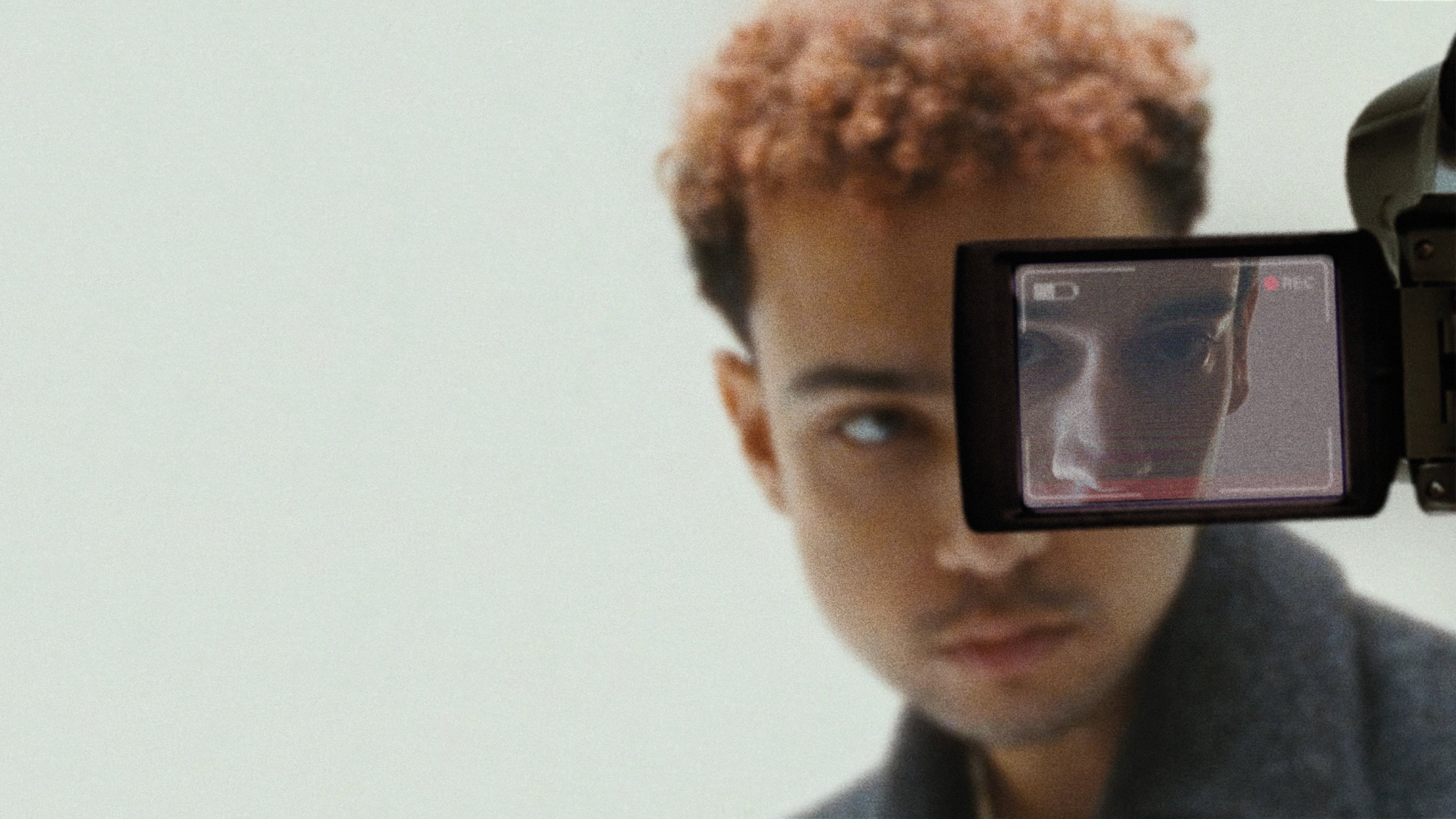
When Alex Russell’s directorial debut Lurker came out in August 2025, it arrived as something quietly unsettling—a film that understands the particular toxicity of parasocial relationships in the streaming age. This isn’t a big studio project with mainstream ambitions. It’s an indie thriller that earned $455,555 at the box office, opening on a modest four screens in New York and Los Angeles. Yet what matters here isn’t the commercial footprint. It’s what the film says about access, obsession, and the blurred lines between fandom and invasion.
The premise is deceptively simple: a retail clerk named Marcus (Théodore Pellerin) insinuates himself into the life of a rising popstar (Archie Madekwe). But Russell doesn’t treat this as a straightforward stalker narrative. Instead, the film quietly excavates the psychology of someone trying to climb into a world that was never meant to include them. Pellerin gives a performance that’s equal parts sympathetic and deeply uncomfortable—you understand Marcus’s hunger for belonging, even as you watch him cross lines he probably doesn’t fully recognize he’s crossing.
What makes Lurker resonate beyond its immediate genre constraints is its timing and its refusal to be predictable. Released at 2025-08-22, the film tapped into anxieties that feel distinctly contemporary. The internet has normalized a certain kind of access—influencers sharing their lives, artists cultivating parasocial bonds with fans—and Russell explores what happens when someone takes that false intimacy seriously. It’s not about a villain. It’s about a person convinced he’s earned something he never actually had a claim to.
> The film understands that obsession rarely announces itself as obsession. It wears the mask of friendship, of support, of love.
The collaboration between Russell and his cast elevates what could have been a predictable thriller into something more complex. Havana Rose Liu, as a character caught in the orbit of both men, brings a sharper awareness to her scenes—she sees what’s happening before anyone else does. Madekwe doesn’t play his popstar as a villain either; he’s someone genuinely trying to figure out who to trust, and by the time he realizes what’s happening, the proximity has become dangerous for reasons nobody anticipated.
At just 100 minutes, Lurker moves with real economy. Russell doesn’t waste time on exposition or character explanation. You piece together who these people are through behavior and dialogue that feels lived-in rather than written. The film trusts its audience to understand the subtext—the way a compliment can become a threat, how “friendship” becomes the weapon of someone who feels they’ve been denied something they deserved.
What makes this debut significant:
- It arrives as Russell’s first feature after work on acclaimed television projects, bringing a mature sensibility to genre filmmaking
- The film treats its protagonist as genuinely sympathetic rather than simply villainous, which complicates the moral landscape considerably
- It engages directly with fan culture and parasocial dynamics without feeling preachy or obvious about it
- The ensemble cast creates a pressure cooker of tension where every interaction carries weight
The critical reception—a 6.2/10 from 34 votes—reflects something honest: this is a film that doesn’t satisfy in conventional ways. It’s not cathartic. It doesn’t provide easy answers about who’s right or wrong. Some viewers will find that frustrating. Others will recognize it as exactly what makes the film worth remembering. It sits with discomfort rather than resolving it.
In the landscape of 2025 cinema, where streaming services and indie distributors are increasingly important for character-driven thrillers, Lurker claims its space by being genuinely about something. It’s not just a showcase for genre mechanics. Russell uses the thriller framework to examine how we construct identity in relation to others, and what happens when that construction becomes pathological. The film doesn’t offer solutions. It offers recognition, which is sometimes more valuable than comfort.
There’s no guarantee Lurker will gain the kind of cult following or critical reassessment that might define its legacy. Box office numbers suggest limited theatrical reach, which is typical for this kind of intimate, unsettling drama. But for those who’ve seen it, the film lingers. It stays with you the way uncomfortable truths do—not because it’s shocking, but because it’s recognizable.