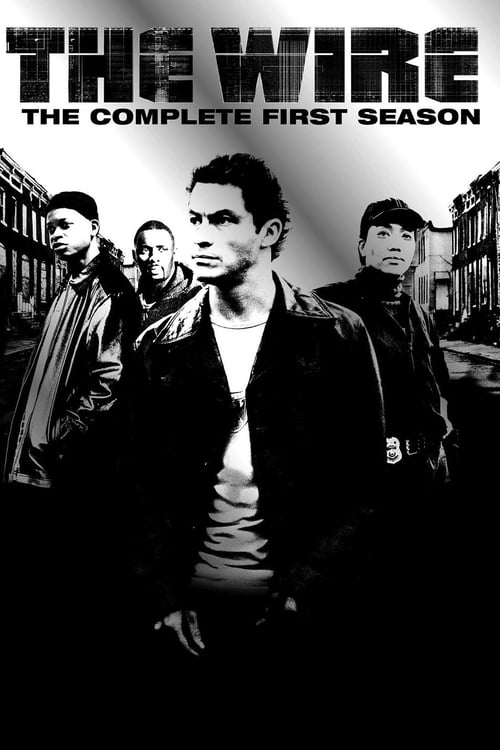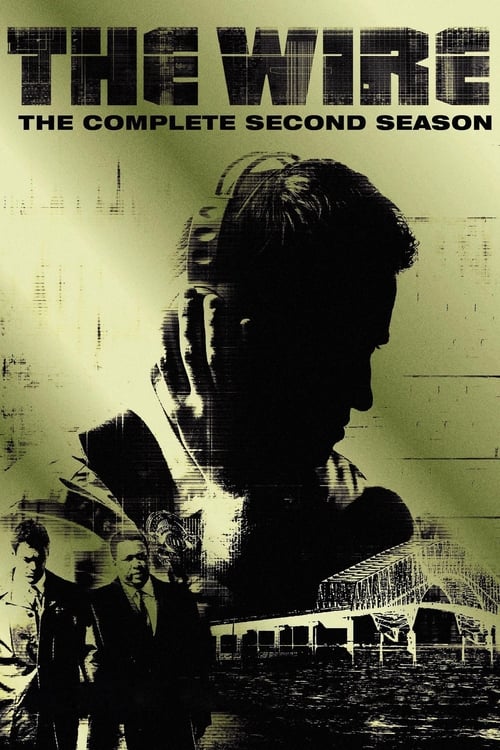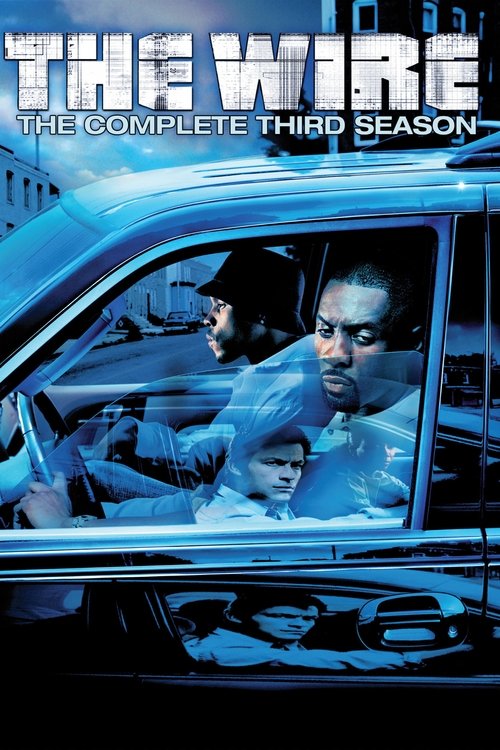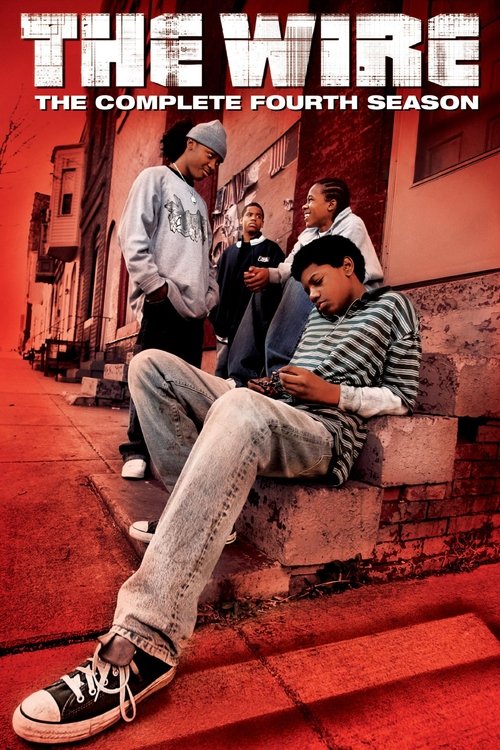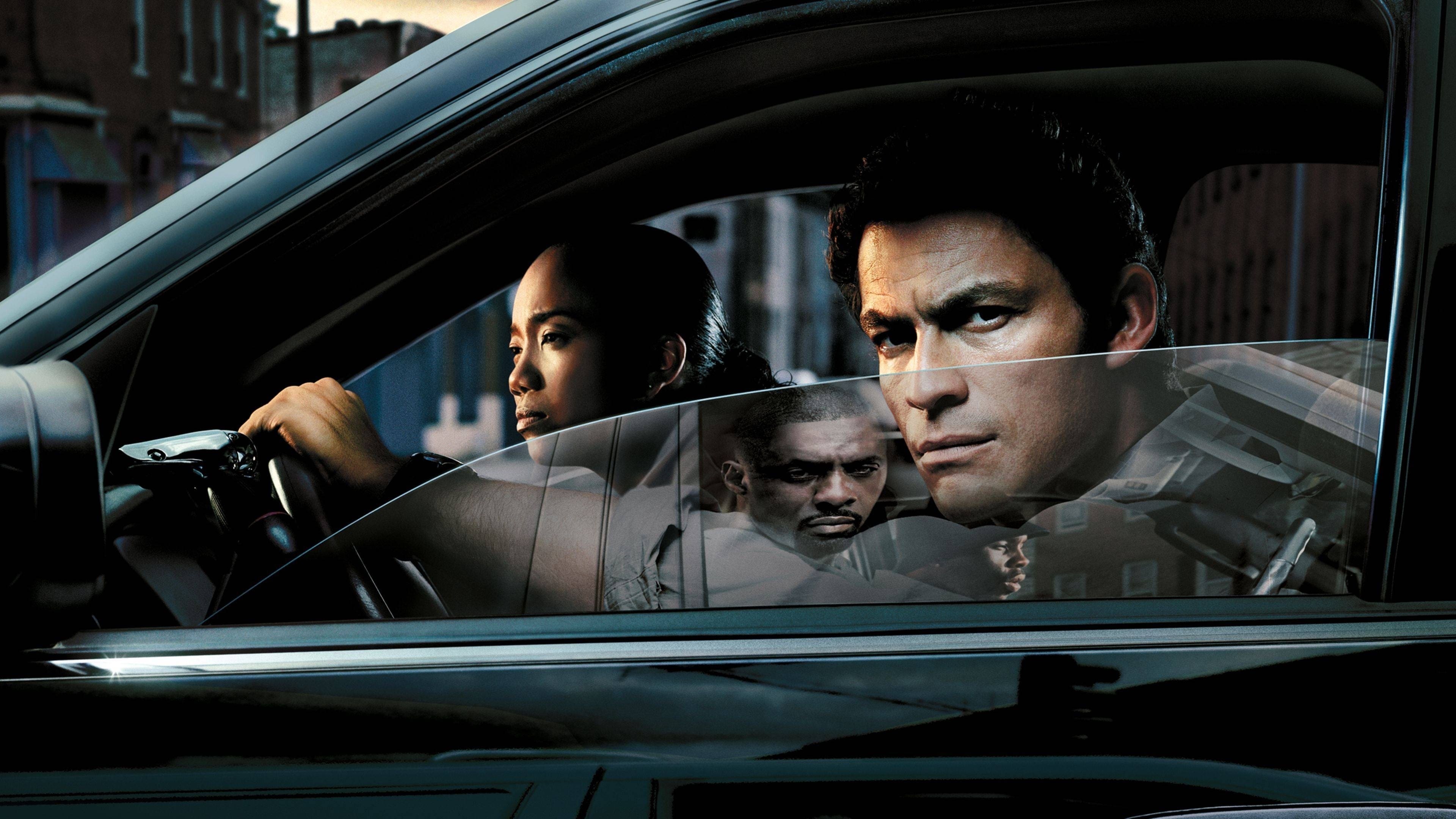
Let’s be honest—when The Wire premiered on HBO in June 2002, nobody really knew they were about to witness one of the most important television dramas ever made. It didn’t arrive with massive hype or a star-studded cast that guaranteed eyeballs. It was just David Simon, a former Baltimore Sun journalist, bringing his intimate knowledge of urban systems to the small screen. But what unfolded over those five seasons and 60 episodes became something that fundamentally changed what television could be and what audiences could expect from dramatic storytelling.
The genius of what Simon created lies in his refusal to simplify Baltimore into a backdrop for cop stories. Instead, he treated the city itself as a character—a living, breathing organism with interconnected systems that revealed how power, money, and human desperation move through a place. The show didn’t follow the typical episodic formula where each hour neatly wraps up its central conflict. Rather, each season zoomed in on a different institution—the police department, the drug trade, the schools, city politics, the media—showing how they all fail their communities in different ways. It was novelistic television before that term became a cliché, structured more like a serialized novel than traditional drama.
Why audiences connected runs deeper than mere storytelling innovation. The show’s willingness to present morally gray characters—cops who were flawed and sometimes corrupt, drug dealers who showed unexpected humanity, politicians and administrators grinding through broken systems—felt revolutionary. There were no easy heroes here, no white hats to root for unambiguously. Instead, Simon presented the hard truth that institutions corrupt people, and individuals struggling within those institutions often find themselves complicit in the very systems they might want to change.
> “All in the game,” as D’Angelo Barksdale might say—and that phrase encapsulated the show’s philosophy better than any manifesto could. Everyone’s playing, everyone’s losing, and the game itself is rigged.
The 8.6/10 rating the show carries speaks to something that deepens with time rather than fading. The Wire wasn’t designed to be immediately gratifying television. There were no cliffhangers in the melodramatic sense, no shocking character deaths deployed for shock value alone. The pacing challenged viewers, the sprawling cast demanded attention, and the slow-burn approach to storytelling required patience. Yet that’s precisely why it endured—it respected its audience’s intelligence and rewarded sustained engagement with genuine insight into how American cities actually function.
The cultural impact radiates outward in ways that still surprise people. The show became required viewing for urban planners, sociologists, police departments, and educators. It spawned academic papers, influenced policy discussions, and created a shared vocabulary among fans that persists today. Character moments and quotes became iconic not because they were designed to be memorable in a flashy way, but because they captured something true:
- The chess game metaphor explaining the drug trade’s logic
- The “how” versus “who” interrogation scenes that revealed character through dialogue
- Omar Little’s moral code existing outside conventional law
- Bubbles’ journey through addiction and toward something resembling redemption
- The slow destruction of good people trying to work within broken systems
David Simon’s vision expanded with each passing season, and the show’s willingness to shift its focus entirely demonstrated rare artistic confidence. Not every creator would abandon the police procedural elements that drew initial viewers to instead spend an entire season examining Baltimore’s school system or devote another to newspaper newsrooms. But that’s what made The Wire special—it was genuinely interested in systems, not just in the drama of individuals operating within them.
The unknown runtime actually became part of the show’s DNA in an interesting way. Without the constraints of a fixed episode length dictating story beats, scenes could breathe. Conversations could meander. A scene wasn’t trimmed because it hit a predetermined time mark—it ended when it said what it needed to say. This structural freedom allowed for a documentary-like realism that typical network television couldn’t achieve, and it set the template for how prestige cable drama would approach storytelling going forward.
What made the show’s five-season arc particularly satisfying was its commitment to narrative completion. Simon didn’t overstay his welcome or milk the property for diminishing returns. The final season, while divisive among some fans, brought thematic closure even if not every character’s arc concluded in triumph. That restraint—knowing when a story is told—became increasingly rare in television and made The Wire feel more like a complete artistic statement than an endless episodic treadmill.
Watching The Wire today, it feels almost prescient about issues that would come to dominate national conversation—police brutality, systemic inequality, institutional failure, the decline of news media. Yet the show was never didactic. It didn’t lecture viewers about these problems; it simply showed them in action, letting the weight of accumulated detail and observation do the work. That’s the mark of genuine artistic confidence—trusting that viewers can draw their own conclusions when presented with honest storytelling.
The show’s current status as a completed series, available through HBO Max and other platforms, means new generations keep discovering it. Word-of-mouth remains strong because the show legitimately rewards rewatching—you catch details missed the first time, understand connections between seasons, appreciate the long-game plotting. That’s the hallmark of something that transcended being “just a TV show.” It became a cultural touchstone, proof that television could be serious, demanding, and artistically uncompromising while still reaching audiences who craved something real. If you haven’t experienced The Wire yet, you’re not just catching up on a show—you’re witnessing the moment television grew up.