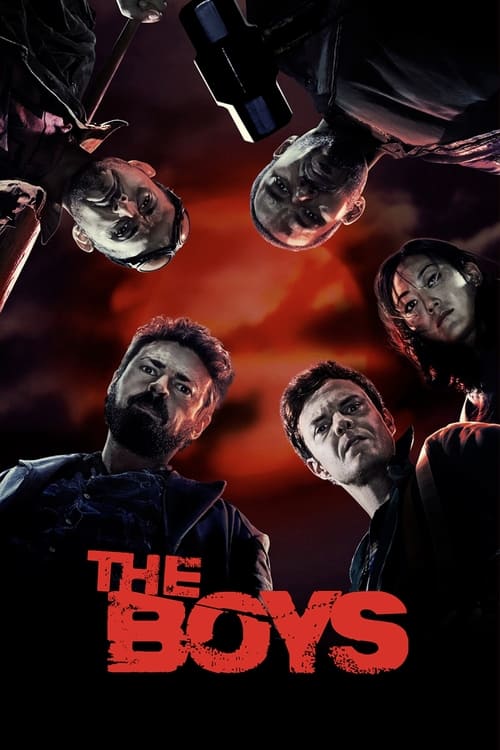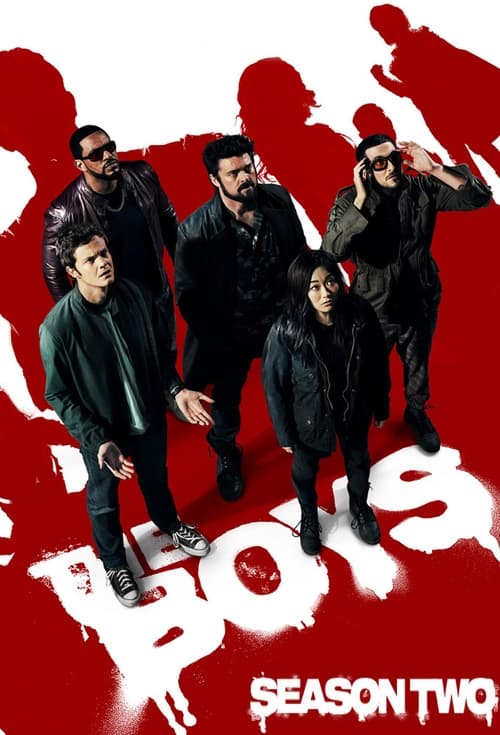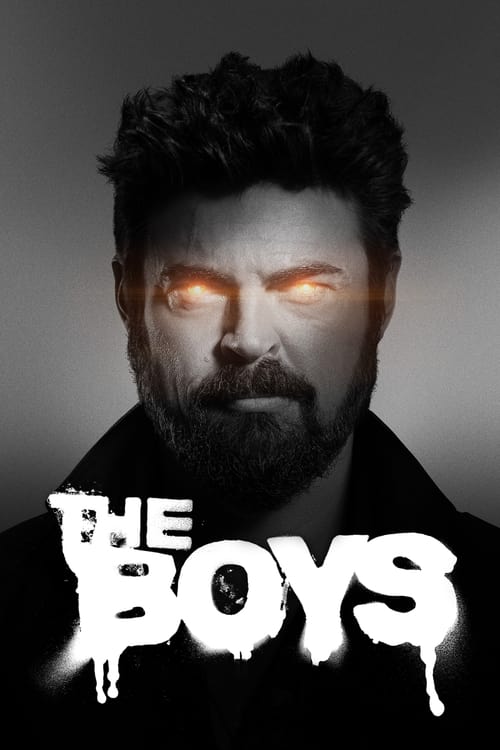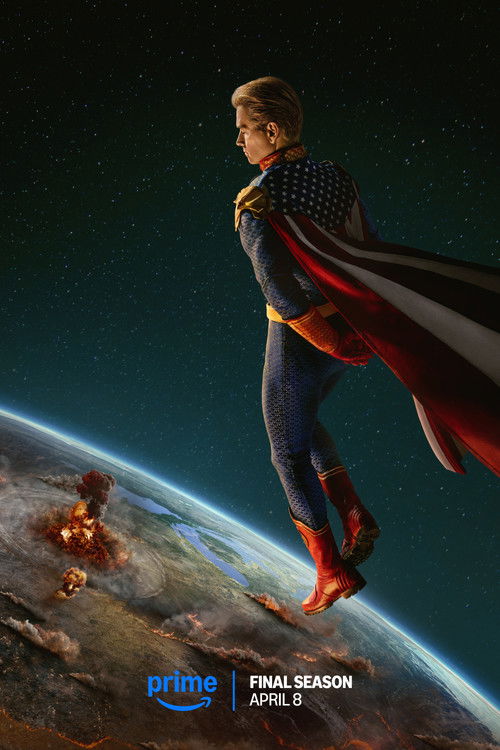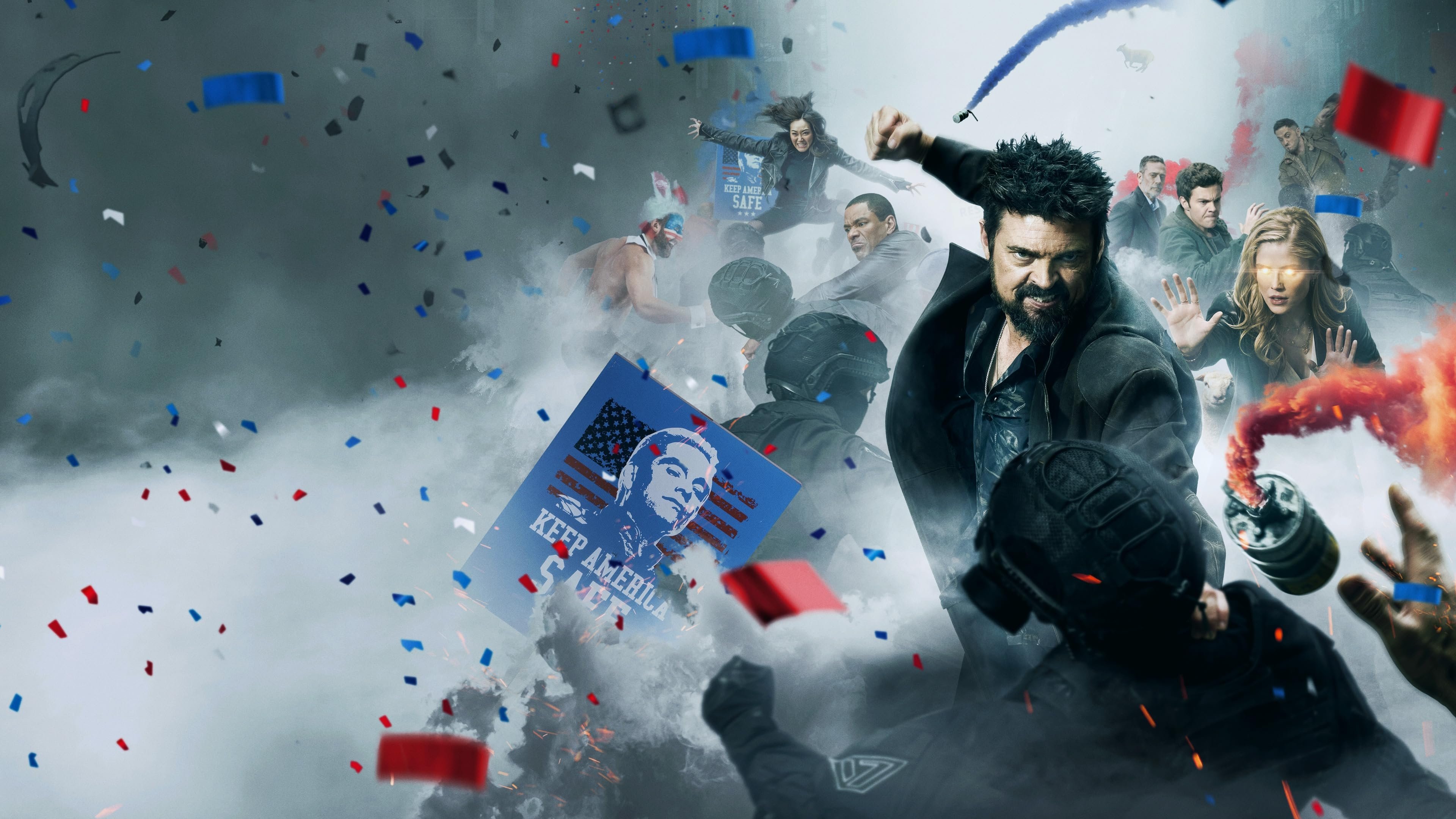
When The Boys premiered on July 25, 2019, it arrived as something we didn’t quite know we needed—a deconstruction of the superhero genre that felt both wickedly funny and genuinely terrifying. Eric Kripke, fresh off wrapping Supernatural, brought that same irreverent energy to Amazon Prime Video, and what emerged was a show that immediately positioned itself as a cultural lightning rod. It wasn’t just another superhero story; it was a systematic dismantling of the mythology we’ve been sold for decades, wrapped in ultraviolence, dark comedy, and surprisingly sharp social commentary.
The genius of The Boys lies in its fundamental premise: what if superheroes weren’t inherently noble? What if they were more like corrupt corporations with godlike powers? This wasn’t entirely new territory, but Kripke executed it with a ferocity that mainstream superhero media had been carefully avoiding. By flipping the script on the hero’s journey, the show created space for storytelling that felt urgent and dangerous in ways that most costumed adventures had sanitized away.
> “The real power of The Boys was asking audiences: what do we actually want from our heroes? And what happens when we realize they don’t deserve our worship?”
Across its five-season arc spanning 40 episodes, the series built something genuinely impressive—a narrative momentum that escalated consistently without losing sight of its character-driven core. That 8.4/10 rating reflects something meaningful: audiences recognized they were watching a show that understood how to balance spectacle with substance. It’s not perfect, and viewers readily discuss where the show stumbles, but there’s clear affection in those scores.
The show’s ability to spark conversations cannot be overstated. The Boys became appointment television in a landscape increasingly fragmented by streaming choice. Every new season dropped cultural conversations about power, masculinity, complicity, and corruption that extended far beyond the episode runtimes. The Vought Corporation became a shorthand for corporate malfeasance in general, and characters like Homelander entered the pantheon of TV villains people couldn’t stop discussing.
Key elements that defined the show’s impact:
- The willingness to subvert expectations: Heroes act like villains. Villains have tragic backstories. Morality becomes messy and contextual rather than binary.
- Ultraviolence as meaningful storytelling: Rather than gratuitous, the gore serves thematic purposes—showing the real cost of superhero conflicts.
- Character development that honors complexity: No one remains static. The journey from season to season transforms both heroes and antagonists in ways that feel earned.
- Cultural commentary woven into narrative: Class warfare, corporate malfeasance, celebrity worship, and political corruption aren’t preachy—they’re baked into the plot.
What Kripke understood that many showrunners miss is that you can have deep thematic content and entertaining as hell television. The show never sacrifices pacing for philosophy or action for character work. That balance—especially across 40 episodes where repetition could easily set in—represents genuine creative discipline. The decision to work with unknown episode runtimes rather than forcing stories into predictable lengths gave the show breathing room to expand or contract scenes based on what the narrative actually needed.
The cultural footprint here is substantial. Conversations about “super-powered corporations with government protection” started feeling less like science fiction and more like documentary. Actors like Antony Starr (Homelander) created performances that became defining—he somehow made a genocidal psychopath pathetic and sympathetic simultaneously, which shouldn’t work but absolutely does. The show produced multiple iconic moments that became memes, conversation starters, and watercooler moments for years.
Why audiences connected so deeply:
Prime Video positioned The Boys as prestige television, and the production values backed that up. But what kept people watching wasn’t just spectacle—it was the feeling that the show was saying something. In an era when superhero content had become almost omnipresent, The Boys offered a counterargument. It asked audiences to think critically about what they’d been consuming, and remarkably, people enjoyed being challenged.
The show’s Returning Series status signals Amazon’s confidence in the property, and deservedly so. Five seasons represents a complete narrative arc across a streaming landscape where cancellations happen with brutal frequency. The fact that The Boys gets to conclude on its own terms rather than being cut short speaks to both audience loyalty and the creative vision holding together throughout.
What makes The Boys endure in retrospective conversations isn’t nostalgia—it’s the recognition that this was a show unafraid to be ugly, crude, and genuinely provocative. In an era increasingly dominated by safe, focus-grouped entertainment, Kripke and his team delivered something that felt dangerous. And somehow, they managed to do that consistently across five seasons without losing sight of why we were watching in the first place: because these characters mattered, the world they inhabited felt real, and the questions being asked still demanded answers.