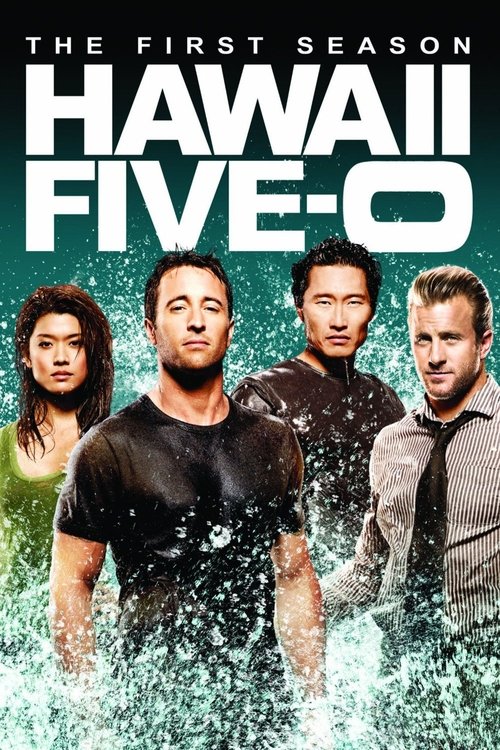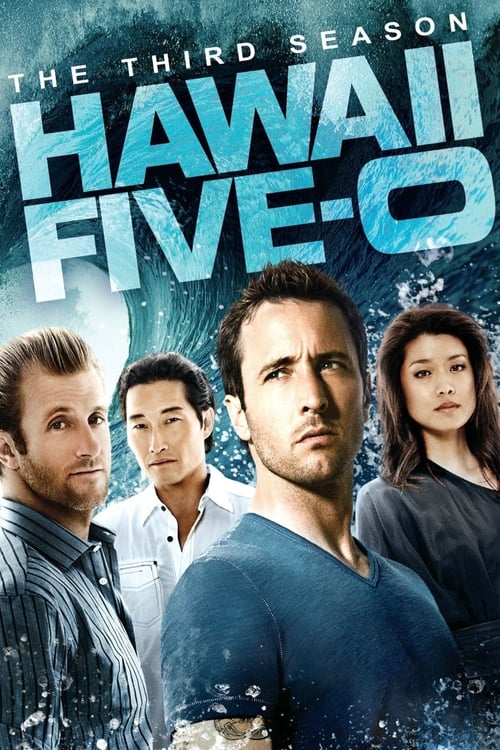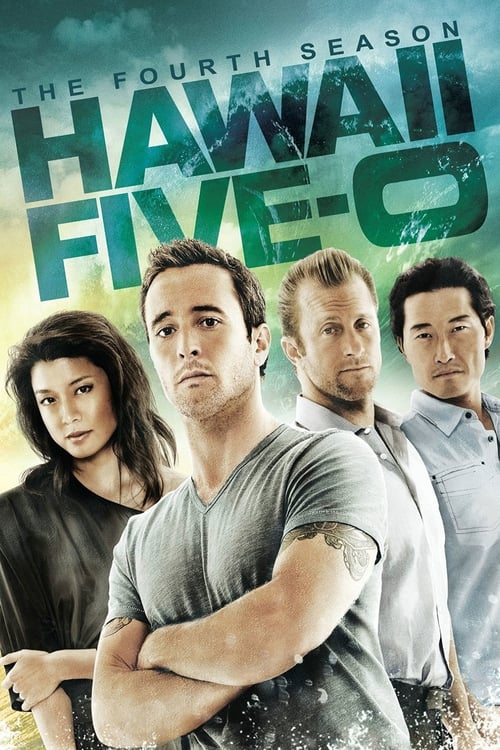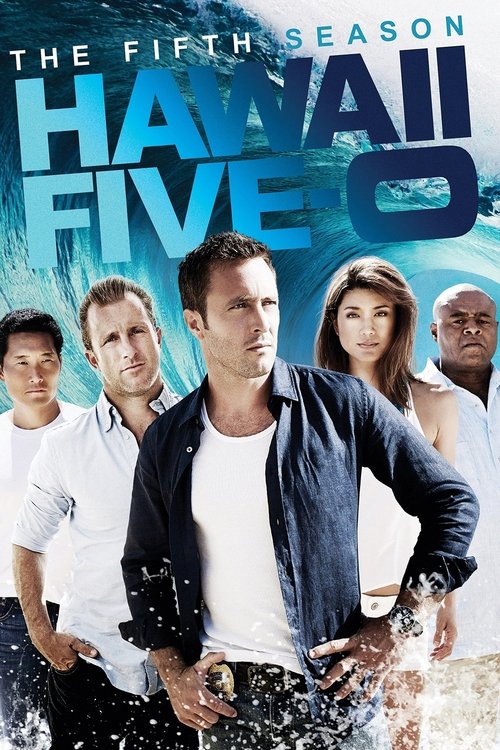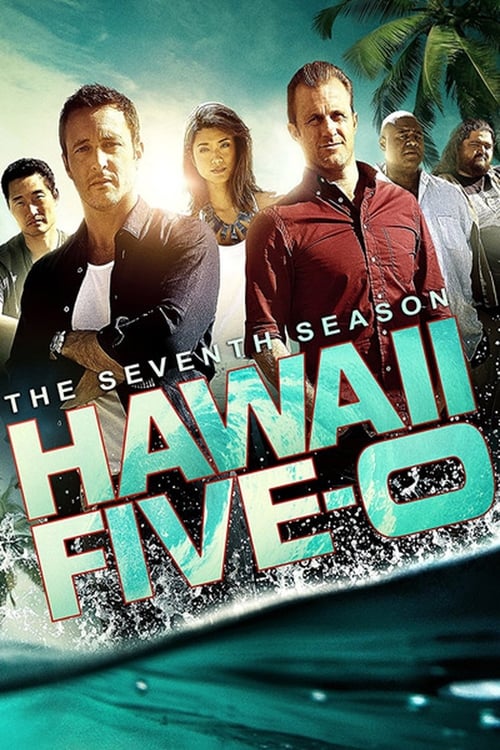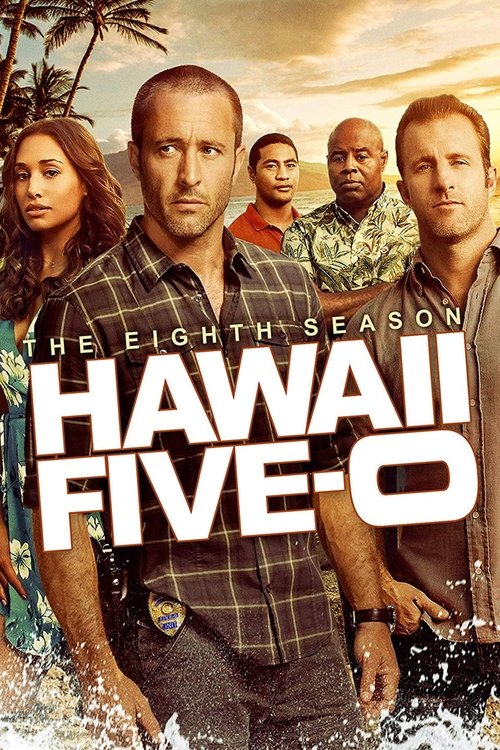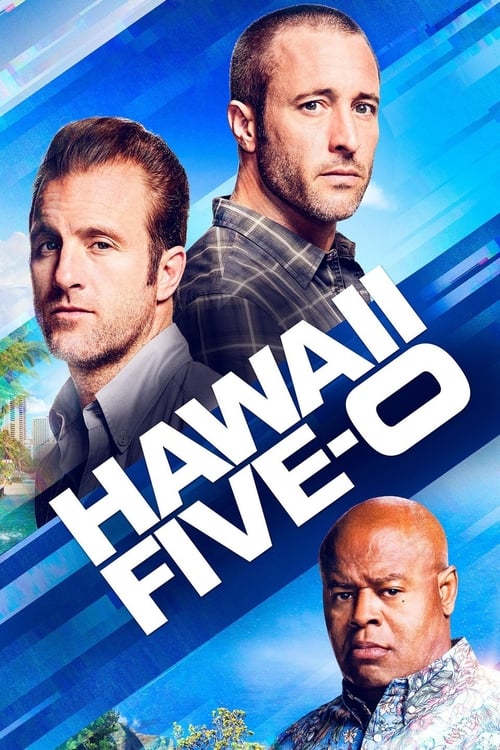
When Hawaii Five-0 debuted on CBS in September 2010, it arrived as a reboot that could have easily been dismissed as another cash-grab attempt to capitalize on nostalgia. Instead, creators Roberto Orci, Alex Kurtzman, and Peter M. Lenkov crafted something that respected its source material while forging its own identity entirely. What emerged was a show that understood the appeal of ensemble crime drama while injecting it with kinetic energy, genuine character development, and a commitment to making every 42-minute episode count. Over ten seasons and 240 episodes, this series proved that the reboot format could yield something far more valuable than a mere resurrection of the past.
The show’s fundamental strength lay in how it balanced procedural satisfaction with serialized storytelling. Each episode functioned as a standalone mystery that kept viewers engaged week to week, yet the narrative threads connecting the Five-0 task force members created a deeper emotional investment that kept audiences returning season after season. This balancing act isn’t easy to pull off—too much serialization alienates casual viewers, while pure proceduralism can feel hollow. Hawaii Five-0 found the sweet spot, and that’s one reason it maintained a respectable 7.8/10 rating throughout its entire run.
> The show understood that location could be more than just a backdrop—Hawaii itself became a character that shaped every investigation and relationship.
What truly set Hawaii Five-0 apart was its cultural authenticity and geographic specificity. Rather than treating Hawaii as exotic wallpaper, the series integrated the islands’ unique politics, demographics, and sensibilities into its storytelling DNA. Cases weren’t just generic crimes transplanted to a tropical setting; they reflected real tensions between tourism and local culture, the island’s complicated relationship with the military, and the diverse communities that actually inhabit Hawaii. This groundedness made the show feel distinctive in a crowded crime drama landscape.
The creative team’s understanding of visual storytelling also cannot be overstated. The 42-minute runtime demanded efficiency, and Lenkov particularly excelled at constructing narratives that maximized character moments within tight action sequences. Whether it was a tactical takedown, an interrogation scene, or a quiet moment between team members, there was rarely a wasted moment. This tautness kept the pacing sharp and made viewers feel like they were getting substantial storytelling within that half-hour window (minus commercials).
Character development formed the emotional core that separated this reboot from being merely competent. The ensemble cast—anchored by Steve McGarrett but equally invested in the growth of Danny Williams, Chin Ho Kelly, Kono Kalakaua, and eventually other members—evolved authentically across the show’s decade-long run. These weren’t static archetypes; they were people who changed, suffered consequences, and grew from their experiences. Audiences felt genuine investment in their relationships, their personal challenges, and their professional victories.
- Steve McGarrett’s journey from revenge-driven newcomer to steady leader
- Danny and Steve’s partnership evolving from antagonistic to genuinely familial
- Chin Ho’s struggle with identity and belonging after exile
- Kono’s transformation from newcomer to experienced operative
- The revolving door of team members that created natural narrative evolution
The show’s influence on television crime drama shouldn’t be understated either. Hawaii Five-0 demonstrated that reboots could work when treated as creative starting points rather than nostalgic recreations. It proved that procedurals still had tremendous appeal if executed with intelligence and heart, arriving at a time when many critics had prematurely pronounced the death of the format. In an era increasingly dominated by prestige dramas and streaming series, this CBS show quietly maintained relevance and audience loyalty across its complete ten-season arc.
There were moments that transcended typical crime-drama fare—cases that explored themes of loyalty, redemption, and the cost of justice. The show wasn’t afraid to let its characters face real consequences or to examine the moral ambiguities of law enforcement. While it never lost its fundamental entertainment value (and never pretended to be something it wasn’t), it had genuine thematic depth that elevated it beyond surface-level action and mystery.
The legacy of Hawaii Five-0 extends beyond simple numerical success. Yes, 240 episodes across ten seasons represents considerable staying power, especially in an increasingly fragmented television landscape. But more importantly, the show created a template for how reboots could honor their predecessors while establishing their own voice. It showed that location-based storytelling remained viable and valuable. It demonstrated that ensemble casts could sustain audience interest when given proper development and respect.
The show’s availability across multiple streaming platforms—Paramount Plus, Apple TV Channel, and various Roku channels—means new audiences continue discovering it. For those willing to commit to the series, it offers exactly what good television should: engaging mysteries, compelling characters you genuinely care about, and the satisfaction of watching a creative team execute their vision with consistency and intelligence across a full decade of production.
If you haven’t experienced Hawaii Five-0, approaching it with the understanding that it’s neither trying to exactly replicate the original nor pretending to be prestige television might be the perfect entry point. What you’ll find instead is a show that excels at what it actually is: intelligent, entertaining, character-driven crime drama that respects both its audience and its format.