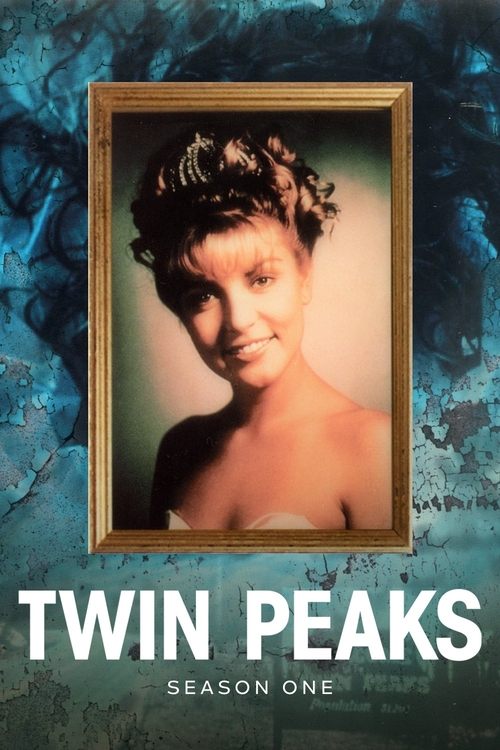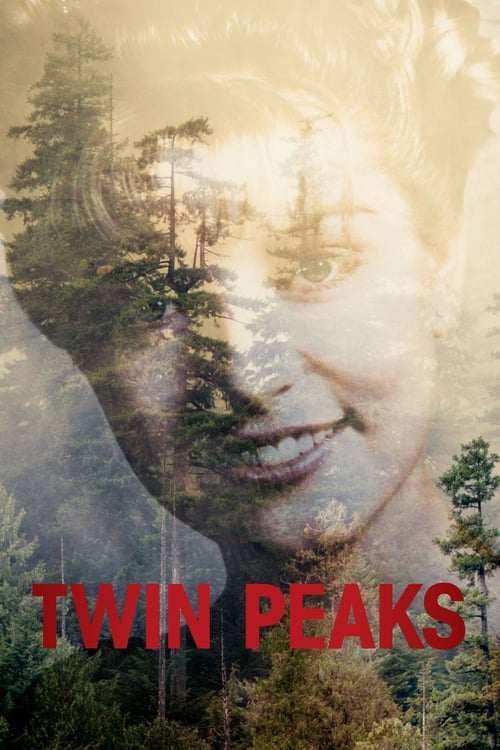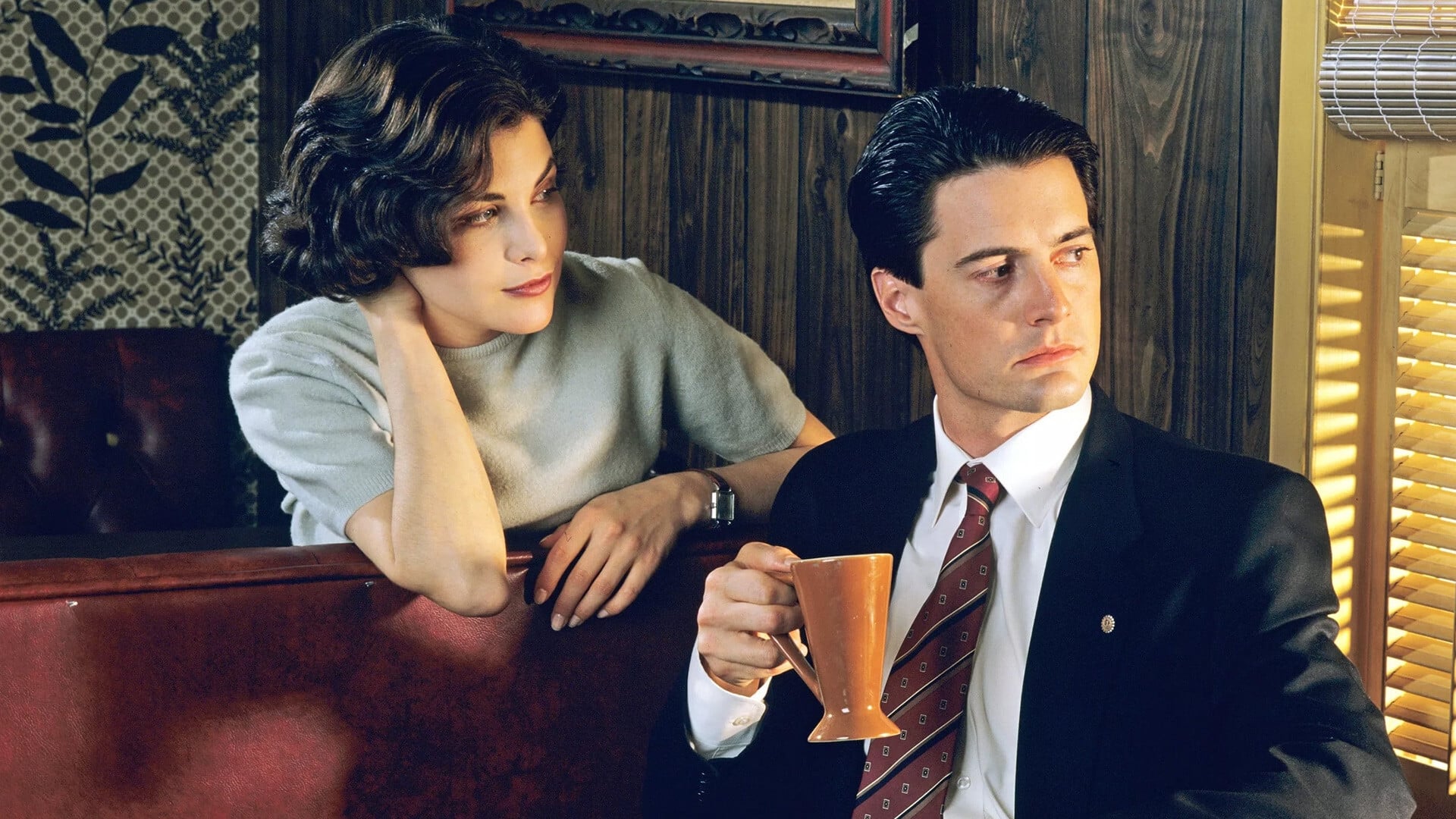
If you want to understand why Twin Peaks still matters—why people are still discovering it, still discussing it, still arguing about it—you have to start with the simple fact that it did something television had never quite done before. When Mark Frost and David Lynch’s creation debuted on April 8, 1990, they didn’t just present another murder mystery. They offered something far more unsettling and hypnotic: a show that treated the supernatural and the mundane with equal seriousness, that found horror in small-town American life, and that refused to play by the rules audiences had come to expect from network television.
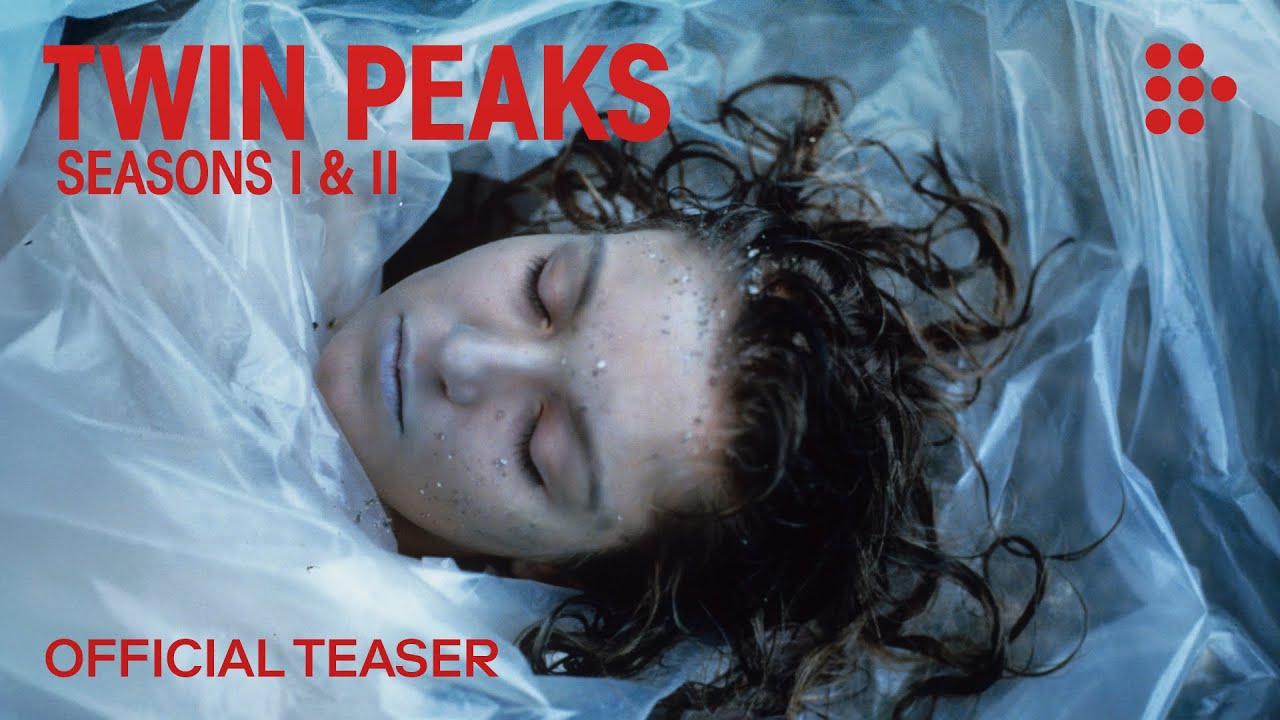
The premise was deceptively straightforward—a homecoming queen is murdered in the Pacific Northwest, and FBI Special Agent Dale Cooper arrives to investigate. But what made Twin Peaks revolutionary was how it used that simple setup as a launching point for something far more ambitious. This wasn’t a show interested in solving its mystery and moving on. Instead, it became a meditation on the darkness lurking beneath perfectly manicured lawns, on the strange beauty of obsession, and on what happens when you pull back the curtain on a community’s secrets.
Over its three-season run spanning 48 episodes, the show managed to amass an 8.3/10 rating that speaks to its quality, but those numbers don’t capture what actually happened when this show aired. Twin Peaks became a cultural phenomenon. Audiences tuned in not just to see if Laura Palmer’s killer would be caught, but because they were genuinely unsettled—and fascinated—by the world Frost and Lynch had created. People discussed it at work, theorized about it endlessly, and became genuinely invested in characters and plot threads that spiraled into increasingly bizarre and wonderful directions.
What made the show truly stand out was its willingness to embrace genuine weirdness:
- The Red Curtain Room: A dreamscape sequence that became iconic television, influencing everything from The Sopranos to Mulholland Drive
- Agent Cooper’s quirks: His obsession with coffee, pie, and tape recordings to his secretary Diane became character moments that felt both hilarious and deeply unsettling
- The Log Lady: A woman who spoke to a log and was treated with complete narrative sincerity
- Bob: A demonic entity that twisted the entire show’s mythology into something far darker than anyone anticipated
The creative ambition here is staggering when you think about it. Lynch and Frost were making something that refused categorization—it was a drama, yes, but also a mystery, a soap opera, a noir, a supernatural thriller, and increasingly, an avant-garde art piece. The unknown runtime of individual episodes meant the show could breathe, could linger on a conversation or a shot far longer than conventional television would allow. That freedom from formula became essential to what Twin Peaks actually was.
> The show’s genius lay in making viewers genuinely uncomfortable—not through jump scares or gore, but through an unsettling atmosphere that suggested the real horror was something unknowable and lurking just beneath the surface.
What really cemented Twin Peaks in the cultural landscape was how it changed what television could be. Before this show, networks believed audiences wanted neat resolutions and predictable storytelling. Twin Peaks proved that people craved mystery, ambiguity, and the kind of storytelling that respected their intelligence. It sparked conversations about serialized television, about the role of the director’s vision, and about whether mystery shows needed to actually solve their mysteries.
The show’s influence ripples through everything that came after:
- The Sopranos learned from Twin Peaks how to blend dark humor with genuine menace
- Lost understood the power of mythology and audience investment in mysteries
- The X-Files took the supernatural elements and ran with them in a different direction
- Stranger Things borrowed the small-town horror atmosphere wholesale
Even when Twin Peaks stumbled—and let’s be honest, the show’s second season hit some rough patches when Lynch stepped back—it remained essential television because the world it created was so vividly, oddly real. The town of Twin Peaks felt like a place, with recurring characters, local politics, and a genuine sense of community. When Agent Cooper wasn’t there, the show continued exploring these characters’ lives, which made the whole experience feel lived-in and authentic.
The show’s journey to its ended status feels fitting, somehow. Twin Peaks returned for its third season in 2017 on Showtime—a limited series called The Return that proved Lynch’s vision hadn’t softened or calcified. If anything, it became more experimental, more challenging, more willing to abandon conventional narrative structures entirely. Whether you found it brilliant or baffling (and honestly, most viewers found it both), it demonstrated that the show’s creators still believed in the strange world they’d constructed.
What makes Twin Peaks deserve your attention now—whether you’re discovering it for the first time through Paramount+, MUBI, or Amazon—is that it remains genuinely weird and genuinely moving. It’s a show about murder and mystery, sure, but more importantly, it’s about connection, loneliness, and the human desire to make sense of the senseless. In our current moment, when television has largely settled into predictable prestige formulas, rewatching Twin Peaks reminds you why great television can feel dangerous, can surprise you, and can stay with you long after the final episode ends.