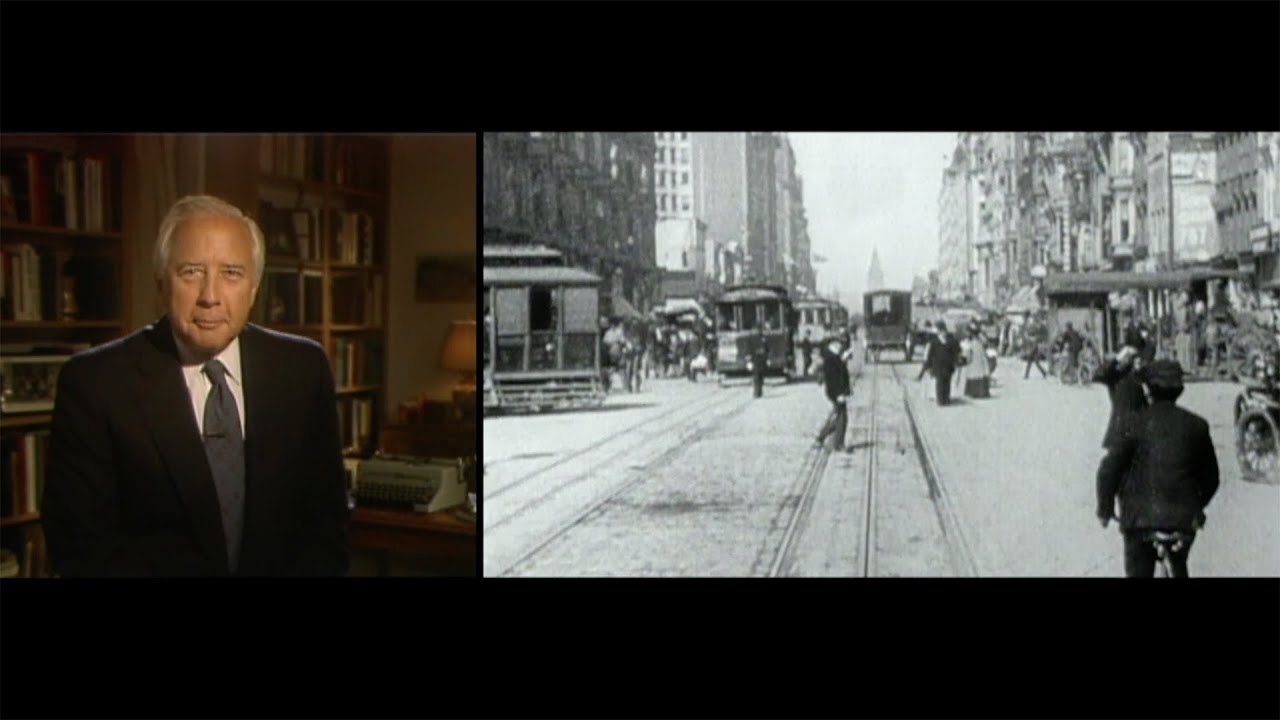
If you’ve been sleeping on American Experience, it’s time to wake up. This PBS documentary series premiered back in October 1988 and has quietly become one of the most important educational programs in television history. What started as an ambitious attempt to tell American history through compelling storytelling has evolved into a cultural institution that’s still going strong after 38 seasons and 400 episodes. That’s not just longevity—that’s proof of concept that audiences hunger for intelligent, deeply researched documentary content.
The genius of American Experience lies in its fundamental approach to history. Rather than treating the past as a dusty collection of dates and names, the series insisted from day one that American history was fundamentally about human stories. Each 55-minute episode was structured like a narrative film, complete with dramatic tension, character development, and emotional arcs. This wasn’t revolutionary in isolation—plenty of documentaries use storytelling techniques—but the commitment to this format across hundreds of episodes, with unwavering quality control, marked something genuinely significant in documentary television.
What makes the show’s staying power even more remarkable is how it’s managed to remain relevant across nearly four decades of cultural change. The 6.6/10 rating might seem modest on paper, but here’s the thing: that number actually reflects the show’s broader appeal. American Experience has never chased viral moments or sensationalism. It’s consistently aimed at viewers who want to understand the nuance and complexity of American history, which means it reaches a specific, devoted audience rather than pursuing mass market appeal. That audience has proven remarkably stable and engaged.
> The series transformed how television could present historical documentation—not as academic lectures, but as immersive experiences that honored both the subject matter and the viewer’s intelligence.
The creative team behind American Experience understood something crucial about the 55-minute runtime: it was the perfect length for deep storytelling without overwhelming viewers. Not a quick 30-minute digest, not a sprawling miniseries. That precision in format became part of the show’s identity. Each episode tells a complete story—whether it’s about a pivotal political moment, a forgotten historical figure, or a transformative event—with the breathing room to explore context and consequence. The storytelling structure has influenced how documentary programs approach their own formats.
Key strengths that define the series:
- Rigorous historical research – Episodes are backed by extensive archival work, interviews with experts and descendants, and primary source materials
- Visual storytelling – Combining photographs, newsreel footage, reenactments, and animation to bring history to life for television audiences
- Diverse subject matter – From presidents and inventors to social movements and cultural phenomena, no aspect of American experience is off-limits
- Consistent production quality – 400 episodes of remarkably steady quality is harder to maintain than most realize
The cultural footprint of American Experience extends well beyond its television audience. Teachers have integrated episodes into curricula for decades. Libraries carry the complete collections. Young people discover it on YouTube and PBS platforms. The show has essentially become a reference standard for how historical documentaries should be made—it’s been cited and honored repeatedly within the industry, and its influence appears in countless subsequent documentary series that adopted similar narrative approaches.
What’s particularly impressive is how the show has evolved thematically over its run. Early seasons understandably focused on presidential histories and major political events, but as the series matured, it expanded to include Indigenous histories, untold stories of women and minorities, labor movements, scientific breakthroughs, and cultural transformations. This evolution reflects both changing historiography and changing audience interests. The show wasn’t static; it grew more inclusive and more ambitious in scope.
The decision to keep American Experience as a returning series rather than conclude it speaks volumes about PBS’s faith in the format and the continued hunger for this type of programming. With 38 seasons already completed, the series could have rested on its considerable laurels. Instead, it continues to produce new episodes, tackle contemporary historical perspectives, and reach new audiences through streaming platforms like YouTube TV and the PBS Documentaries Amazon Channel. That’s not just commercial viability—that’s cultural relevance.
Why audiences kept coming back:
- A sense of discovery—learning stories about American history they’d never encountered before
- Production values that respected the subject matter and honored the medium
- Narrative craftsmanship that engaged emotions while educating minds
- A consistent editorial vision that maintained quality across hundreds of episodes
For anyone interested in understanding how documentary television can function as serious journalism and compelling storytelling simultaneously, American Experience is essential viewing. It proves that you don’t need flashy editing, artificial drama, or sensationalism to hold an audience’s attention. What you need is respect for your subject, respect for your viewers, and the skill to tell true stories that matter. After more than three decades, this series remains a masterclass in that craft.