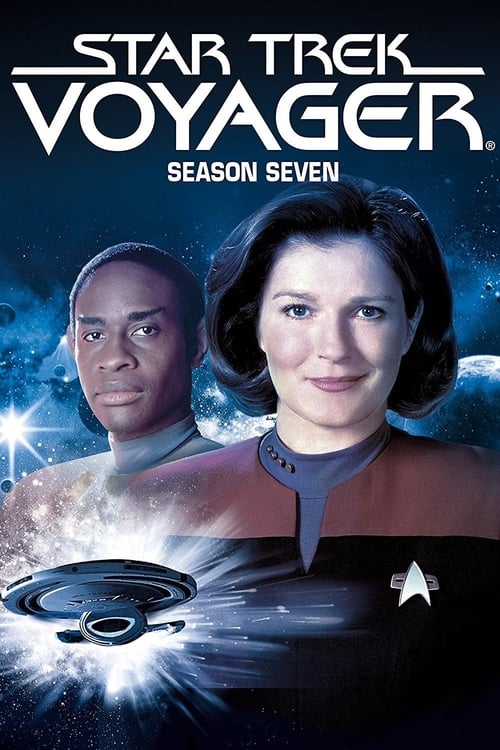
When Star Trek: Voyager debuted on January 16, 1995, it arrived with massive expectations and an even larger audience—21.3 million viewers tuned in for the premiere. That kind of viewership speaks volumes about the cultural moment and the enduring appetite for Star Trek storytelling. What made this particular entry into the franchise so compelling was its fundamental premise: a Starfleet vessel stranded 70,000 light-years from home, forced to navigate not just the vast expanse of space, but the complications of survival against impossible odds. It was Star Trek stripped down to its essence—exploration, discovery, and the human struggle to maintain hope and principles when circumstances demand compromise.
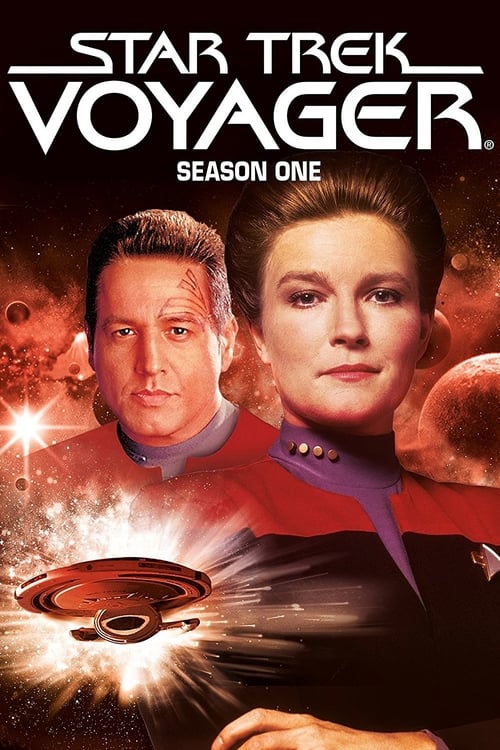
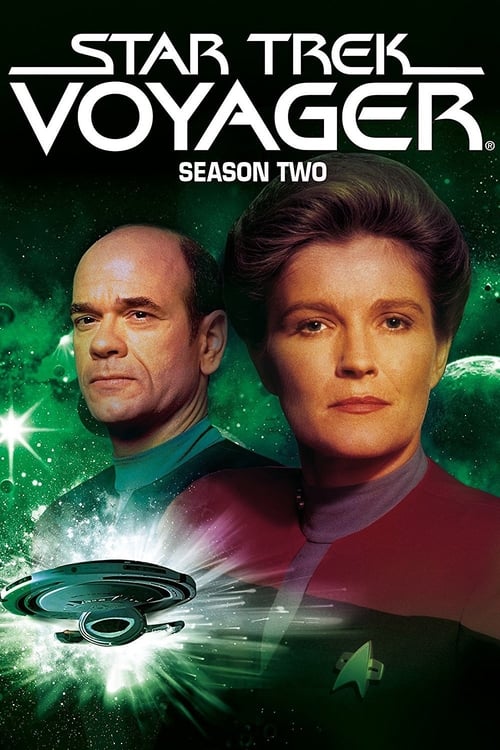
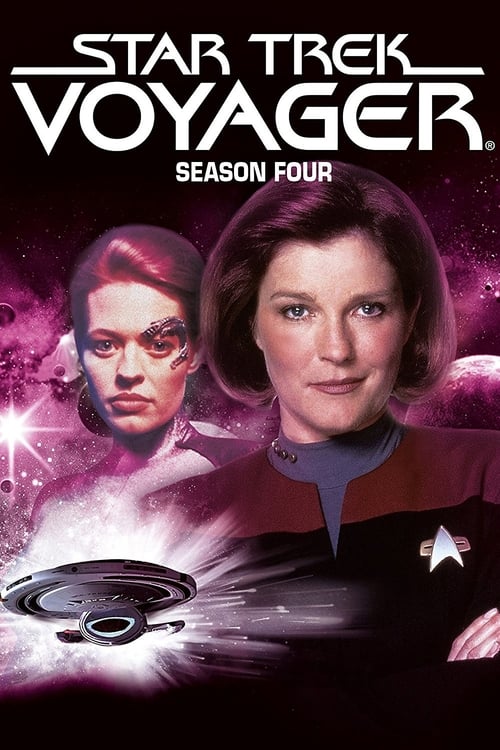
The show’s seven-season run, spanning 169 episodes, carved out something distinct within the broader Star Trek universe. While earlier series had explored the frontiers of space, Voyager made the journey itself the central dramatic tension. That 45-minute runtime per episode became a vessel for character development and serialized storytelling that deepened as the series progressed. The opening seasons established the premise and crew dynamics, but by Season 4 and 5—which boast ratings of 7.6 and 7.5 respectively—the writers had found their rhythm, weaving together the show’s unique identity within the Star Trek canon.
> The genius of Voyager wasn’t just its “lost in space” concept, but how it asked what happens to a crew when they can’t go home, when every decision carries exponential weight, and when diplomacy and survival become constant negotiating partners.
The creative vision behind the series deserves particular recognition. Jeri Taylor, Rick Berman, Gene Roddenberry, and Michael Piller brought different sensibilities to the table—Roddenberry’s utopian idealism, Berman’s practical understanding of franchise mechanics, Piller’s knack for character-driven drama, and Taylor’s commitment to exploring complex moral territory. This collaborative foundation produced storytelling that balanced episodic adventures with larger mythic arcs. The show never quite abandoned the possibility that the crew might find a way home, yet it also developed enough internal richness that the journey became as important as the destination.
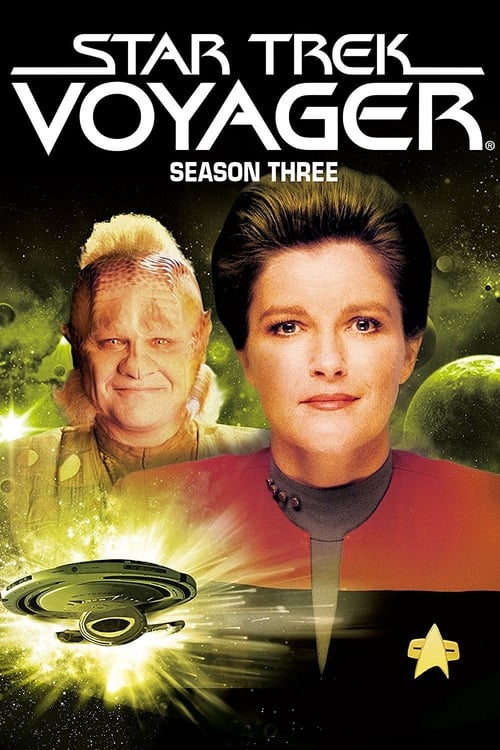
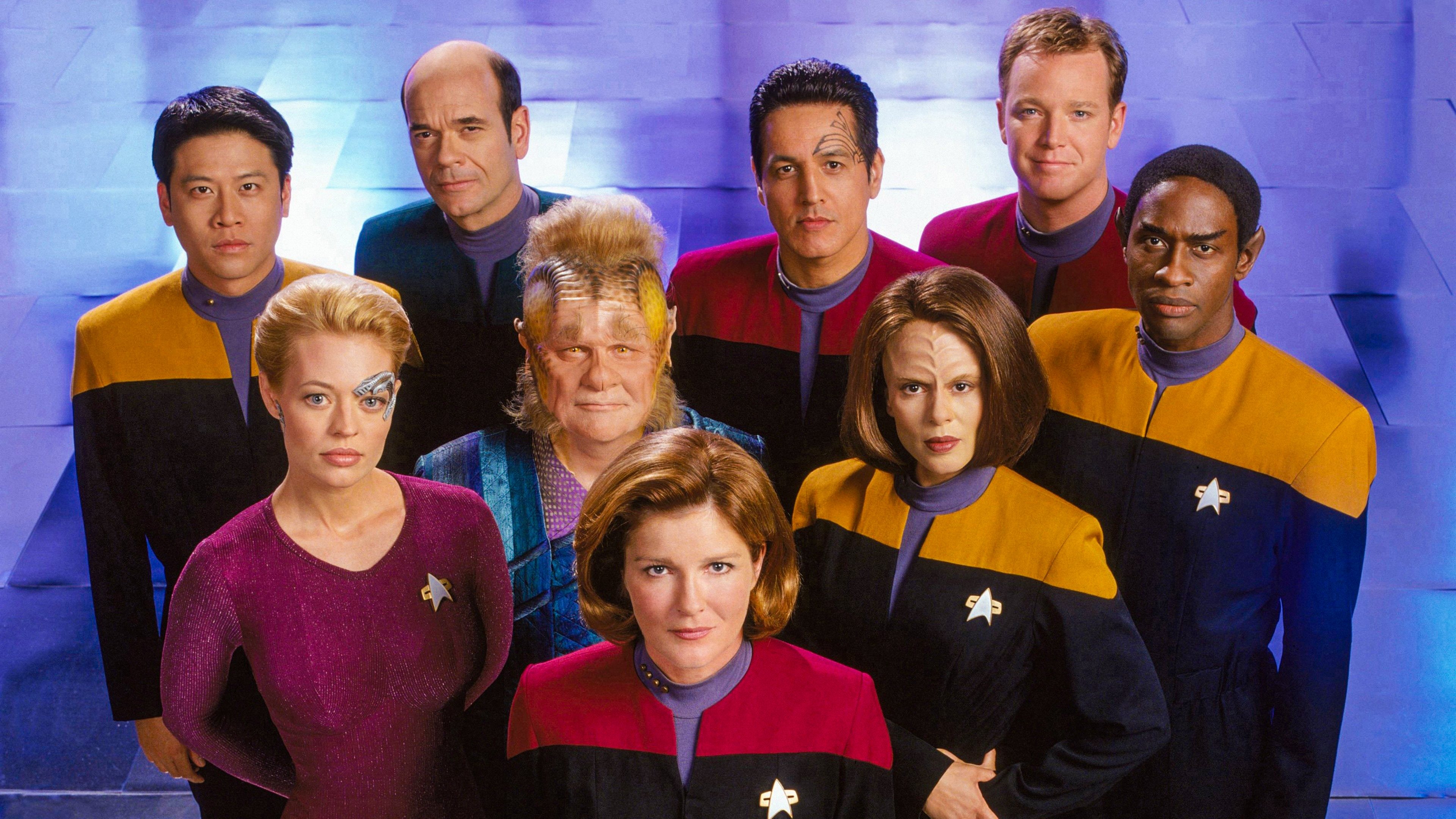
What made Voyager resonate culturally was its commitment to diversity and representation. Captain Kathryn Janeway, played by Kate Mulgrew, stood as a complex female lead—flawed, ambitious, and entirely capable of commanding respect without abandoning her humanity. The crew itself reflected different cultures, backgrounds, and perspectives: Tuvok the Vulcan security officer brought logical counterpoint to Janeway’s intuitive command style; Neelix served as an outsider’s perspective on Starfleet values; Seven of Nine provided an outsider returning to humanity; and B’Elanna Torres embodied the struggle between two identities seeking integration. These weren’t token characters—they were central to the show’s thematic exploration of what it means to survive together across seemingly unbridgeable differences.
The show’s cultural footprint extended beyond its admirers to spark genuine conversations about representation in science fiction. At a time when mainstream television was still grappling with how to portray women in positions of authority, Voyager presented a captain who didn’t need to perform masculinity to be taken seriously. She could be both scientific and intuitive, both commanding and vulnerable. This contributed to the show’s lasting significance in conversations about leadership and representation in speculative fiction.
Across 169 episodes, Voyager built an impressive catalog of memorable moments and character arcs:
- The transformation of Seven of Nine from efficiency-obsessed Borg drone to increasingly human crew member became the show’s most compelling long-form narrative
- Torres and Paris’s relationship provided genuine romantic stakes that evolved organically over seasons
- The dynamic between Janeway and Chakotay explored unresolved tension with remarkable restraint and subtlety
- Episodes like “Timeless,” “Living Witness,” and “Blink of an Eye” demonstrated the show’s capacity for innovative storytelling and temporal mind-bending
- The Borg storylines, particularly those involving Seven, elevated the show’s mythology while complicating the villains into something more textured
The ratings trajectory tells an interesting story. After solid opening seasons (both Season 1 and 2 scored 7.1), the show genuinely found its footing by mid-run, with Season 4 reaching 7.6. That consistency around the 7.5-7.3 range for later seasons reflects a show that had earned viewer loyalty and respect. The overall 7.8/10 rating represents something valuable—not a masterpiece-tier show, but a genuinely well-crafted one that audiences appreciated and trusted week after week.
By the time the series finale aired in 2001, viewership had declined to 5.5 million—a significant drop from the premiere’s 21.3 million, yet still respectable for a seven-year network run during an era before streaming made appointment television less mandatory. That fade wasn’t unusual for network television; what mattered was that the show had sustained itself long enough to tell its story, to develop its characters, and to conclude on its own terms rather than cancellation’s whim.
Voyager endures because it understood something fundamental about Star Trek: the franchise thrives when it asks questions about who we are when stripped of comfort and certainty. It wasn’t the most celebrated Trek series, but it was earnest, thoughtful, and committed to exploring what survival means not just physically but morally and spiritually. In rewatches and through streaming platforms like Paramount+, new audiences continue discovering why this show about people trying to get home became, for many fans, a home of its own.