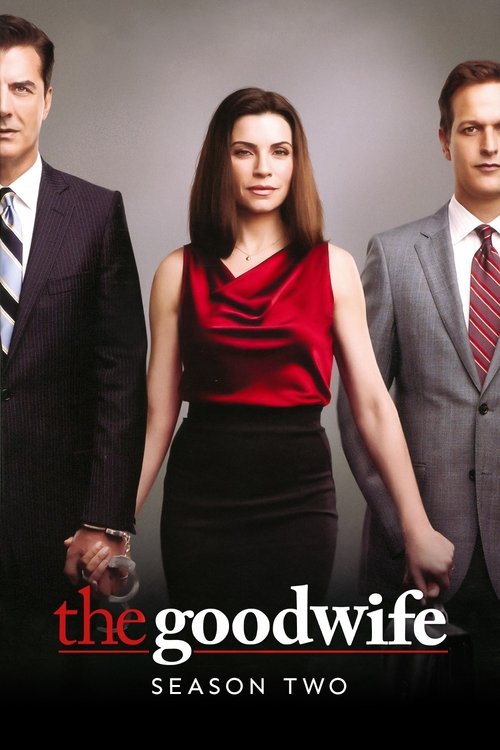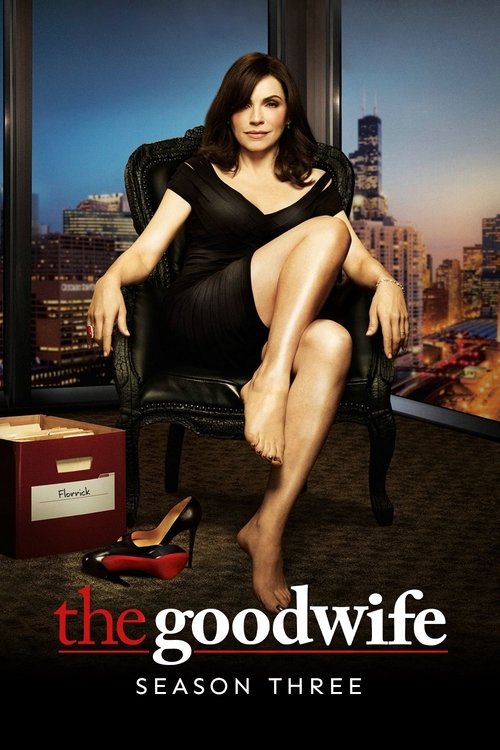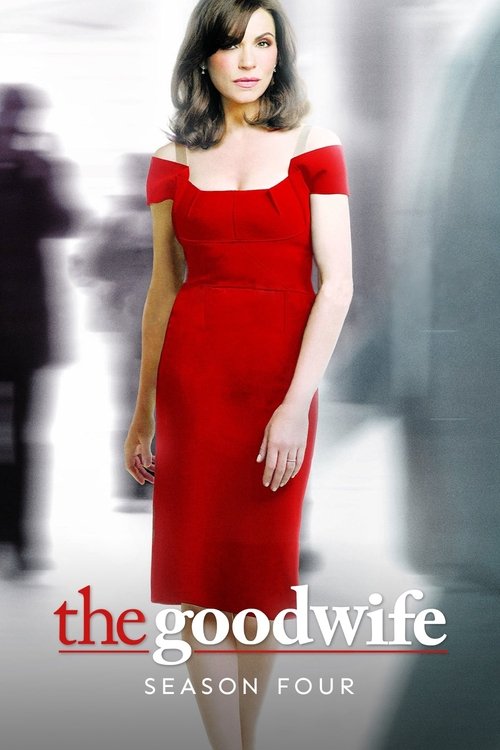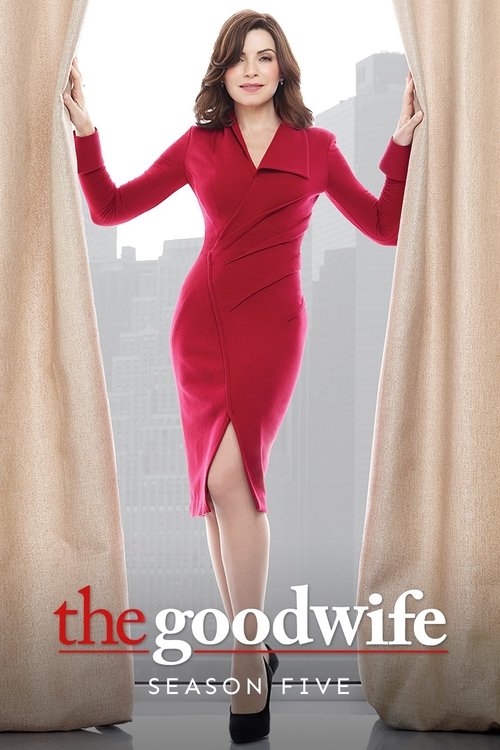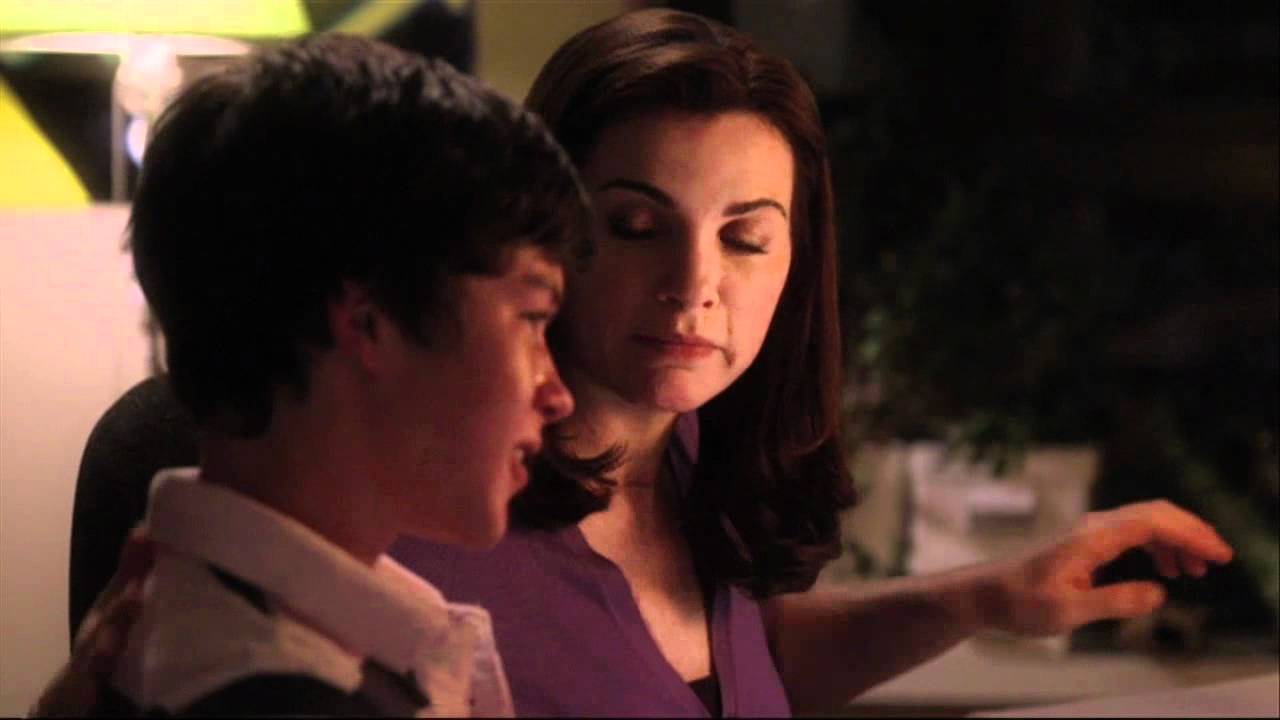
If you want to understand what made The Good Wife such a compelling watch for seven seasons, you have to start with its central premise—which sounds like it could’ve been a tired network drama, but absolutely wasn’t. When the show premiered on CBS in September 2009, it introduced us to Alicia Florrick, a woman returning to her career as a lawyer after her husband’s public disgrace and imprisonment. On the surface, this is familiar territory: the wronged spouse finding redemption through professional success. But what Michelle King and Robert King did with this setup was far more ambitious and nuanced than the premise suggested.
The genius of The Good Wife was that it understood television’s potential for long-form storytelling in a way that elevated the entire legal drama genre. Over 156 episodes across those seven seasons, the show didn’t just deliver courtroom victories and defeats—it built a genuinely complex portrait of professional ambition, moral compromise, and the sometimes-impossible balance between idealism and pragmatism. The 43-minute format gave the creators room to breathe, allowing subplot development and character work that transformed what could’ve been a straightforward procedural into something far more layered.
What’s remarkable is how the show maintained quality and creative ambition throughout its entire run. The ratings tell part of this story—the show held strong across its seasons, peaking at an 8.3 in Season 5 before settling at a still-respectable 7.8 in its final season. That consistency wasn’t accidental. The Kings crafted a narrative that deepened rather than repeated itself, constantly pushing the boundaries of what network television drama could explore.
The show’s cultural impact was genuinely significant:
- It sparked serious conversations about women in the workplace and the costs of professional ambition for female professionals
- Alicia Florrick became an iconic character—played brilliantly by Julianna Margulies—whose moral compromises and ethical struggles felt painfully real
- The show didn’t shy away from depicting corruption, moral gray areas, and the ways institutions fail their people
- It influenced how other legal dramas approached storytelling, proving that complex, character-driven narratives could thrive on broadcast television
What really set The Good Wife apart from other legal dramas was its willingness to let characters grow, change, and sometimes become compromised versions of themselves. Alicia wasn’t always likable, and the show was brave enough to let that uncomfortable reality breathe. She made morally questionable decisions. She sometimes put ambition above principle. This wasn’t a flaw in the writing—it was the entire point. The show was interested in how good people navigate imperfect systems, and whether “good” really means what we think it means.
The supporting cast deserves special mention here. Characters like Diane Lockhart (Christine Baranski), Will Gardner, Kalinda Sharma, and Cary Agos weren’t just sidekicks—they were fully realized people with their own arcs, conflicts, and growth. The relationships between them, particularly the tension between professional loyalty and personal friendship, became central to what made the show resonate with audiences. You watched these people across seven seasons, and you genuinely cared about their fates.
> The show understood that a legal drama could be about so much more than the cases themselves—it could be about power, gender, class, and the ways institutions shape us.
The Kings also demonstrated remarkable restraint in how they used the weekly case structure. Many legal dramas use cases as mere vehicles for exposition, but The Good Wife integrated its case-of-the-week episodes with larger narrative arcs. A procedural case could illuminate character development or thematic concerns. Nothing felt wasted or perfunctory. This disciplined approach to storytelling made the 43-minute episodes feel substantial without being bloated.
If the show has a flaw—and the ratings suggest it wasn’t universally adored at every moment—it’s that not every season hit with equal impact. But looking back at that journey from 2009 to 2016, what’s striking isn’t any weakness; it’s the sheer sustained quality and ambition. This wasn’t a show that lost the plot or phone it in. The Kings took their material seriously, and they respected their audience enough to assume complexity and nuance were welcome.
The Good Wife ended when it needed to end, which is rarer than you’d think for successful television shows. That decision to conclude after seven seasons rather than coast on past success speaks to the creative integrity behind the show. It gave the narrative proper closure and preserved what made it special rather than letting quality gradually erode.
For anyone looking to understand what quality network television drama looks like, The Good Wife remains essential viewing. It’s available now on Paramount+, which means there’s never been a better time to experience the full seven-season arc. Whether you’re interested in legal procedurals, character-driven drama, or just really well-crafted television, this show deserves your attention. It proved that broadcast networks could take risks and that audiences would reward genuinely thoughtful storytelling. That legacy alone makes it worth revisiting.