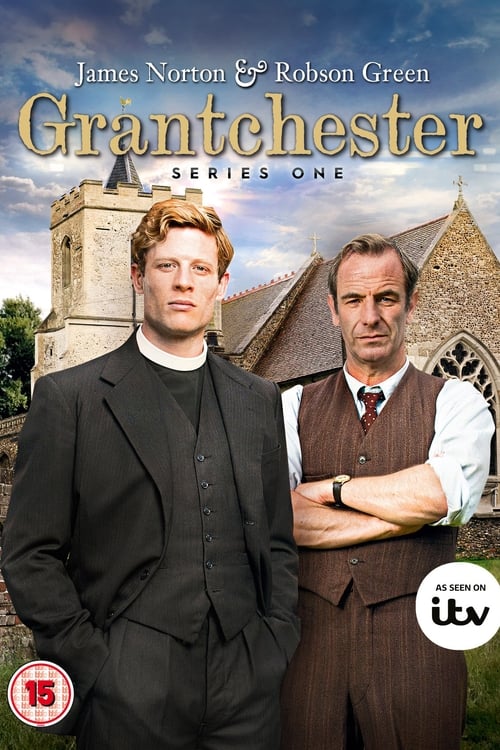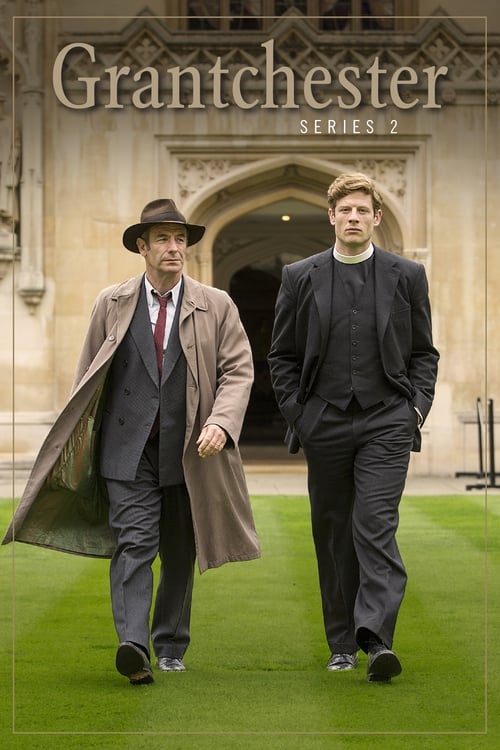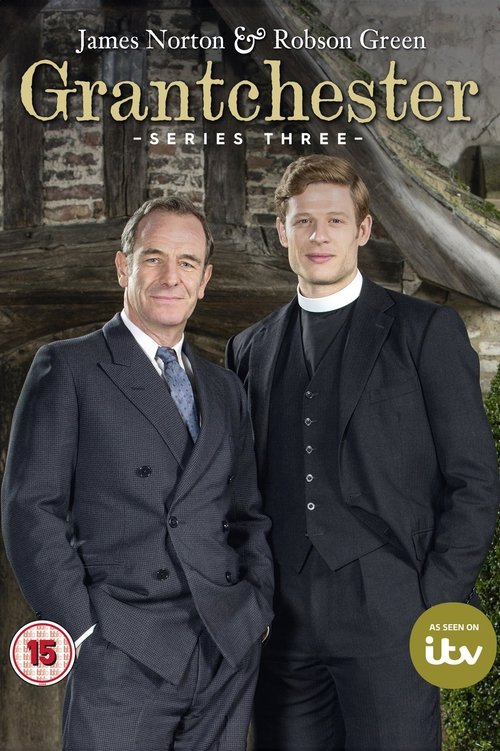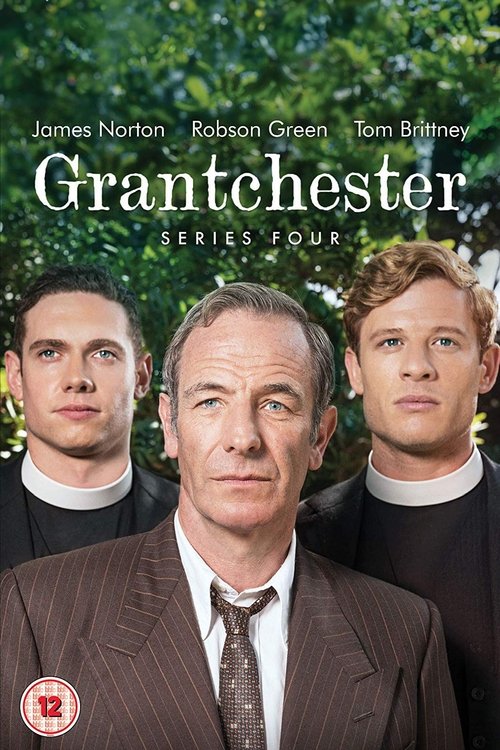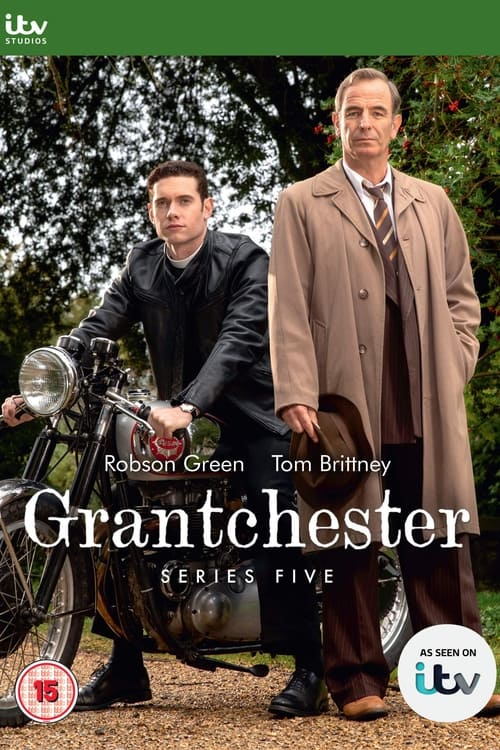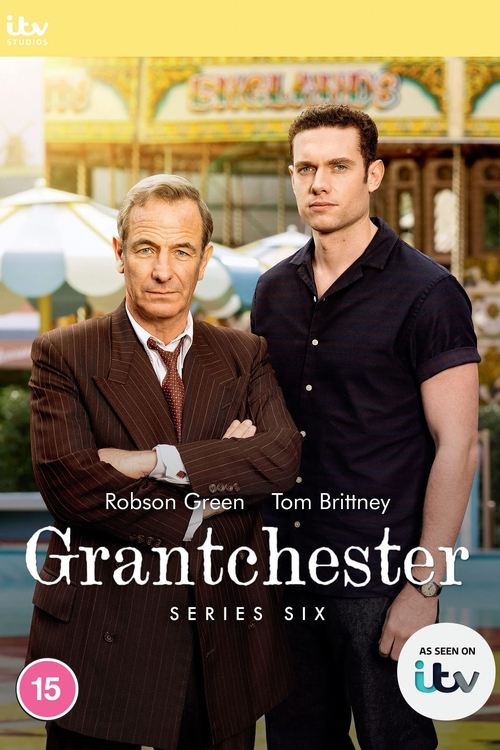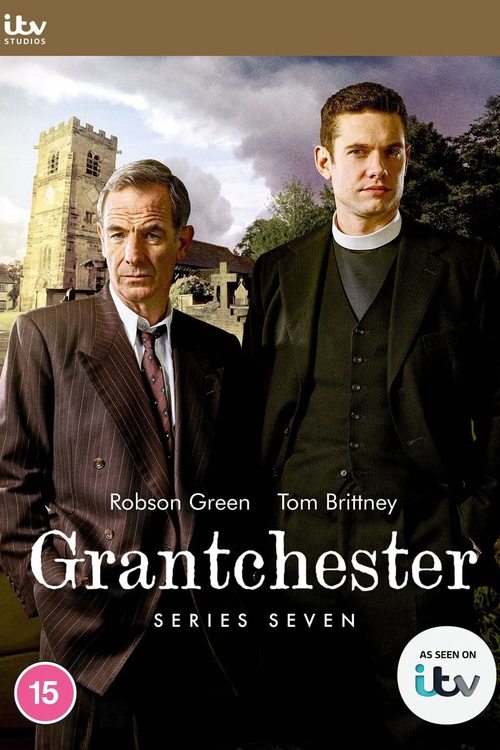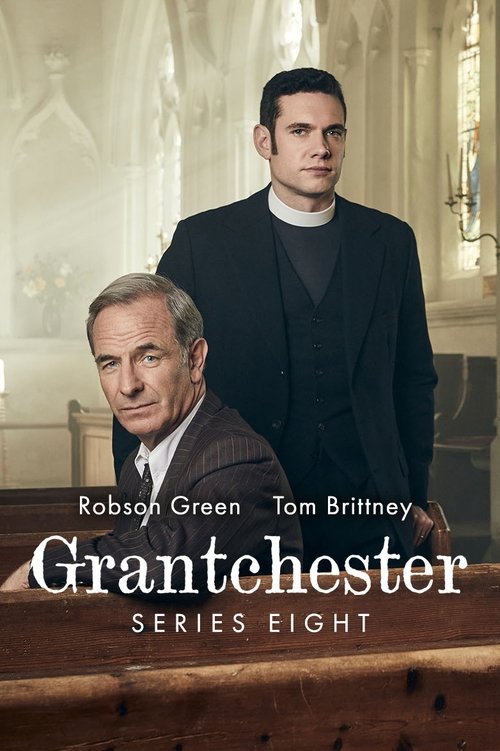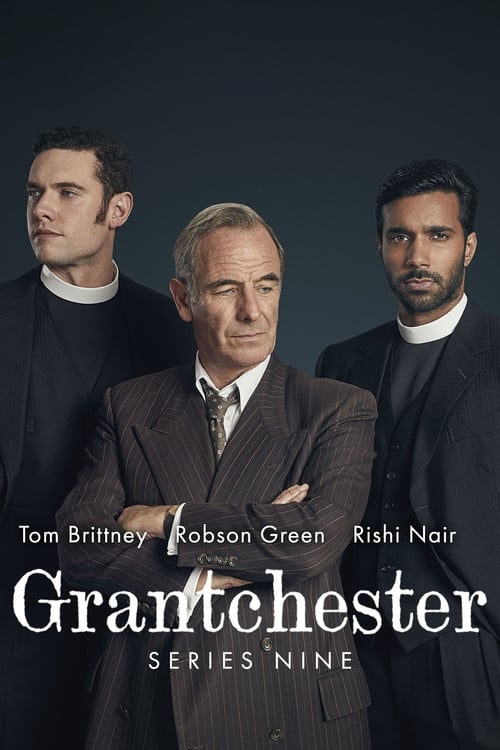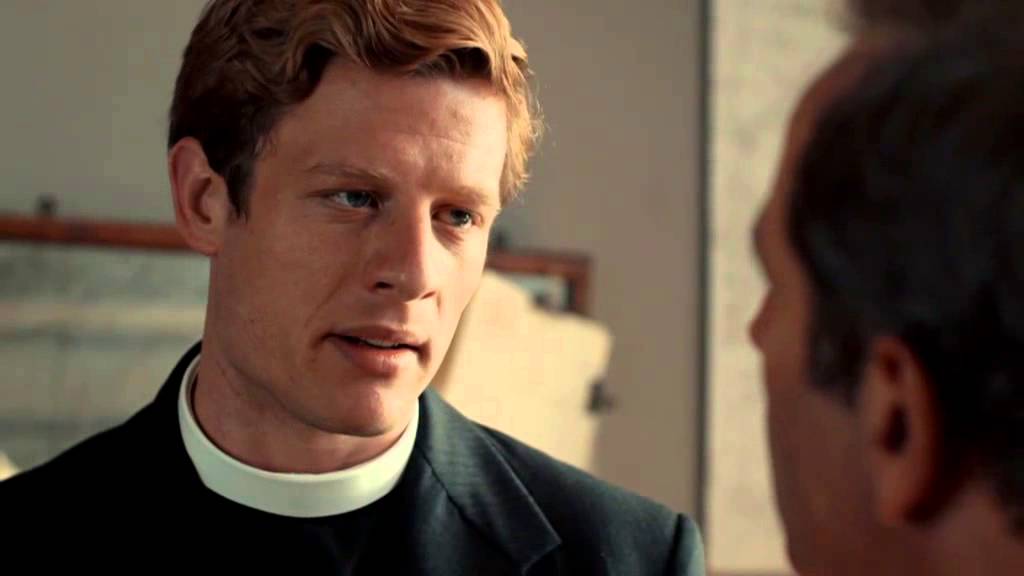
There’s something peculiarly compelling about watching a Cambridgeshire clergyman wade through the moral complexities of small-town crime. When Grantchester premiered on ITV1 back in October 2014, it arrived as something of a breath of fresh air in the detective drama landscape—a show that understood that solving murders could be just as much about examining conscience as it was about forensic evidence. Daisy Coulam’s adaptation demonstrated a remarkable grasp of how to blend the cozy appeal of a period piece with genuinely sophisticated storytelling, creating something that felt both comforting and genuinely unsettling.
What made Grantchester stand out from the crowded field of British crime dramas was its willingness to center emotional and spiritual conflict alongside procedural investigation. Rather than simply following a detective through cases, we’re invited into the internal world of a man wrestling with faith, duty, and the gap between church doctrine and human complexity. That tension—between what should be and what actually is—became the show’s beating heart across its 10-season run and 66 episodes.
The numbers tell part of the story. While the show settled around a solid 7.3/10 rating on IMDb, that figure masks something more interesting: the early seasons demonstrated the creators’ genuine mastery of tone and pacing. Season 1 premiered to strong acclaim, with individual episodes earning scores in the 7.7-7.9 range, establishing that audiences were responding to something authentic in Coulam’s vision. The consistency across the show’s extended run—hovering largely between 7.6-8.0 across most seasons—reveals the kind of viewer loyalty that speaks to something beyond mere competence.
> Grantchester works because it trusts its audience to care about character development and moral ambiguity alongside plot mechanics.
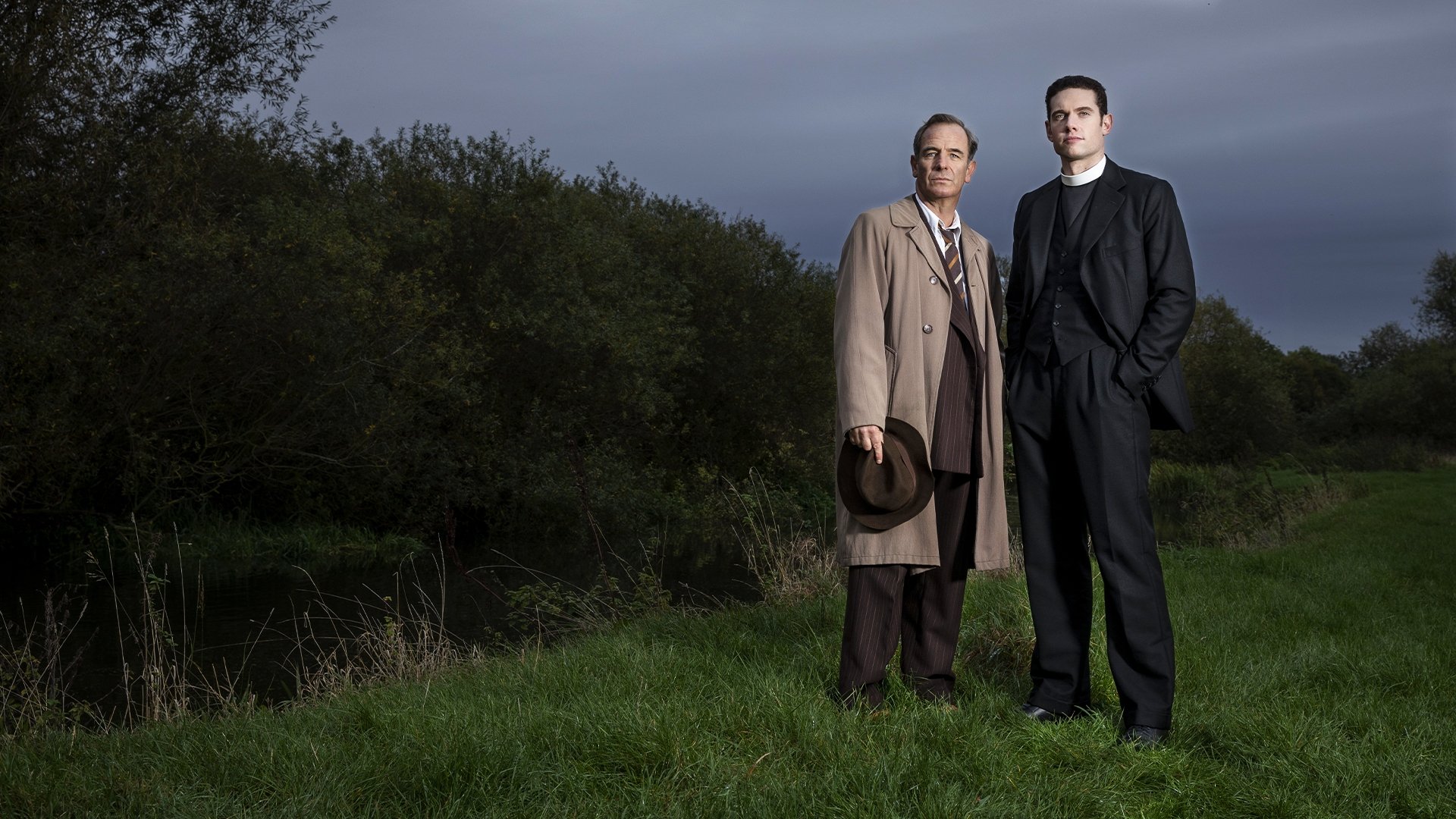
The show’s cultural footprint emerged quietly but persistently. It became the kind of series that sparked conversations not just about whodunit, but about the nature of redemption, justice, and whether institutional faith could coexist with genuine moral inquiry. The partnership between its protagonist and his policeman ally created one of television’s more compelling investigative dynamics—two men from different worlds, bound by something deeper than procedural necessity. That relationship dynamic became iconic within crime drama circles, influencing how other shows approached the pairing of unlikely partners.
What deserves particular attention is how Grantchester managed to sustain itself across a full decade of production. In an era of streaming-driven cancellations and shortened seasons, the fact that this show kept finding audiences—first on ITV1, then expanding to Netflix, YouTube TV, PBS Masterpiece, and WETA+—speaks to something enduring in its appeal. The variety of distribution platforms suggests a show that transcends a particular demographic or geographical viewpoint. American audiences discovered it through PBS. Streamers embraced it. International viewers found it. That’s not accidental; it’s a testament to Coulam’s ability to create narratives that resonate across cultural boundaries.
The creative achievement here deserves unpacking. Coulam didn’t simply adapt source material into television format; she reconceived what a crime drama could be in the contemporary moment. By setting her stories in a historical village while exploring themes that feel urgently modern—questions about institutional accountability, personal integrity, the performance of public identity—she created something that feels both escapist and relevant. The unknown episode runtime, rather than constraining storytelling, may have actually liberated it; each episode could be as long as the story required, allowing for deeper character exploration without artificial commercial breaks dictating narrative rhythm.
Key elements that defined the show’s success:
- The central conflict between faith and doubt, never resolved but constantly interrogated
- The procedural framework serving character development rather than vice versa
- A consistent tone that balanced dark mystery with genuine warmth
- The ability to introduce new cases while maintaining season-long emotional arcs
- A supporting cast that evolved meaningfully over time
The show’s journey from 2014 through its current status as a Returning Series demonstrates something increasingly rare: a drama that audiences have allowed to age naturally, developing and occasionally stumbling, but ultimately remaining worth their time. This isn’t a show that achieved perfection and maintained it. Instead, it’s a show that understood its central purpose—exploring the gap between appearance and reality, between institutional authority and moral truth—and pursued that exploration with genuine intelligence and empathy.
What makes Grantchester significant in the broader television landscape is how it proved that the detective drama didn’t require procedural novelty or relentless darkness to capture and maintain an audience. It could be thoughtful. It could prioritize character over spectacle. It could trust viewers to engage with ambiguity. In an entertainment landscape often driven by algorithmic metrics and short attention spans, Grantchester persisted because it offered something substantive—stories that actually had something to say about how we live and what we owe each other. That’s worth your attention, whether you’re discovering it now or revisiting it after all these years.