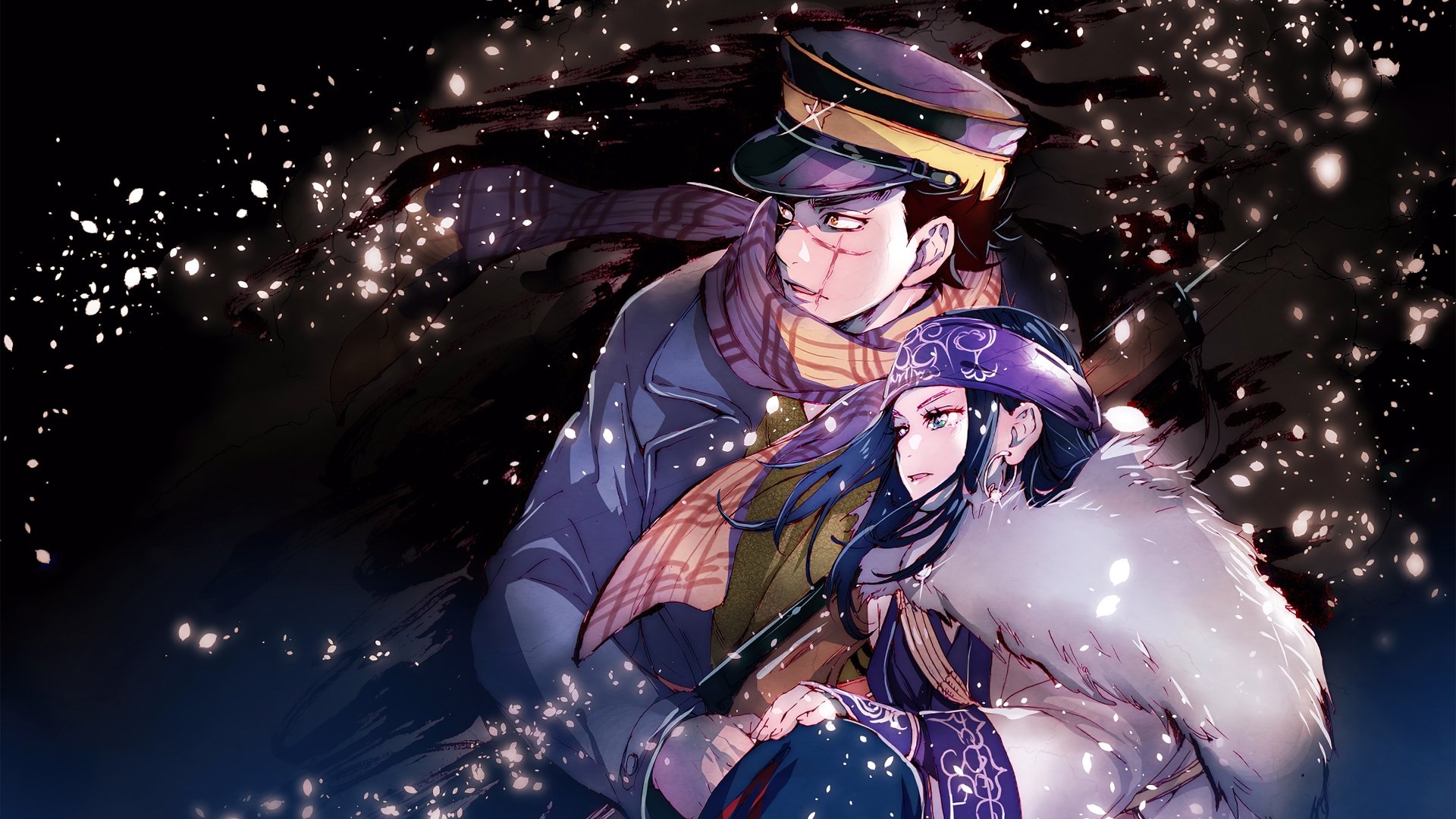
When Golden Kamuy premiered back in April 2018, it arrived with an intriguing premise: an immortal ex-soldier and a young Ainu girl searching for hidden gold across Hokkaido’s unforgiving landscape. But what started as a straightforward treasure hunt adventure evolved into something far more complex and rewarding—a show that managed to be simultaneously a gripping action thriller, a surprisingly nuanced comedy, and a meditation on friendship, survival, and cultural identity. Over five seasons and 59 episodes, the series proved that anime storytelling could operate on multiple registers without losing coherence or emotional weight.
What makes Golden Kamuy genuinely stand out in the crowded Action & Adventure space is its commitment to treating every element seriously while never losing sight of fun. The 24-minute runtime forced creators to be economical with their storytelling—every scene had to earn its place, whether building tension during a deadly confrontation or establishing the deeply affectionate banter between Sugimoto and Asirpa. This constraint paradoxically became a strength, creating a pacing that kept audiences engaged across entire seasons. The show never overstayed its welcome within individual episodes, yet it built toward genuinely consequential character moments and plot developments.
> The partnership between Sugimoto the Immortal and Asirpa forms the emotional core that elevates Golden Kamuy beyond a simple treasure hunt narrative. Their relationship—mentor and student, soldier and guide, trauma survivor and indigenous knowledge keeper—becomes the lens through which everything else is examined.
The cultural footprint of Golden Kamuy deserves particular attention. By centering Ainu culture and perspectives in a mainstream anime, the series opened conversations about representation in Japanese media that had largely been absent. Asirpa isn’t simply a plot device or a love interest; she’s presented as intellectually superior to many characters, with her traditional knowledge often proving more valuable than military expertise or cunning deception. This approach resonated with audiences who were hungry for stories that acknowledged Japan’s indigenous peoples with respect rather than exoticization or erasure.
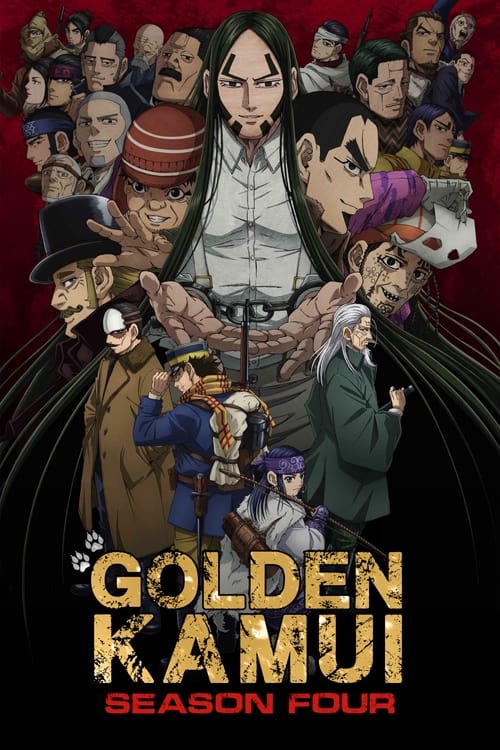
The show’s ensemble cast also became a significant draw as the series progressed. What began as a relatively simple dynamic expanded to include a fascinating rogues’ gallery of antagonists and allies—soldiers with their own tragic motivations, rival treasure hunters with conflicting philosophies, and increasingly unpredictable characters who challenged the protagonists’ assumptions about loyalty and morality. The ability to make viewers simultaneously invest in and question characters across competing factions demonstrated sophisticated writing that transcended typical anime adventure fare.
The action sequences themselves warrant discussion. The animation captured violence with a visceral quality that made combat genuinely consequential—injuries lasted, trauma accumulated, and survival meant something. Yet the show balanced this intensity with moments of unexpected humor, often emerging naturally from character interaction rather than forced comedic relief. This tonal dexterity, maintaining both stakes and levity across the runtime, proved to be one of Golden Kamuy’s greatest achievements.
Key elements that defined the series:
- The Hokkaido setting as a character itself, with the landscape presenting both danger and opportunity
- The encoded treasure map woven into Ainu tattoos, creating a visual puzzle that drives the narrative
- Sugimoto’s status as “the Immortal”—a man marked by war who must reckon with what survival actually means
- Recurring encounters with bears that function as both literal threats and symbolic obstacles
- The moral ambiguity of various factions, none entirely heroic or villainous
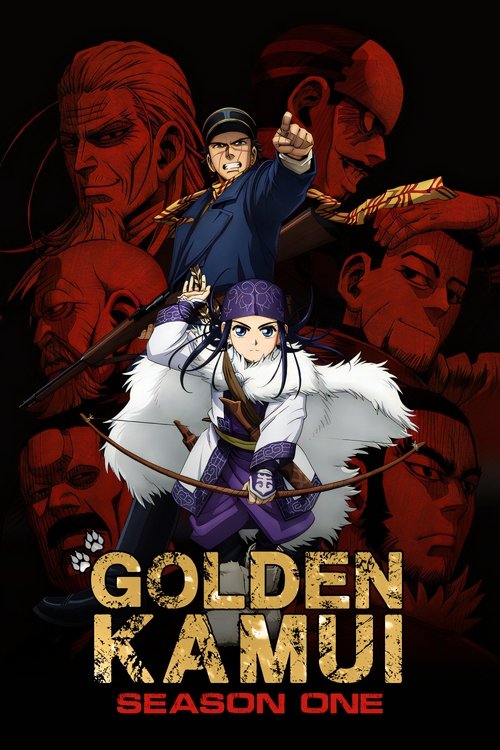
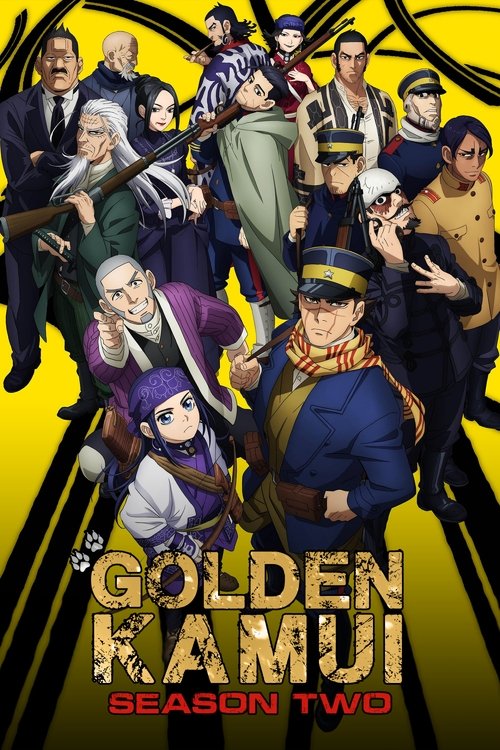
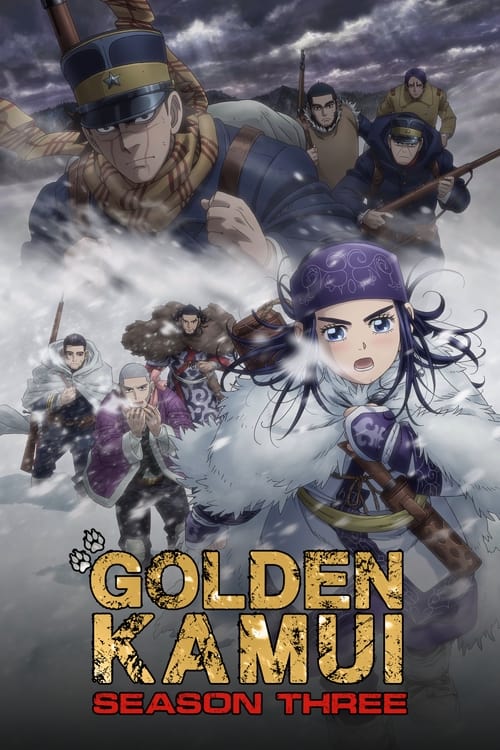
Looking at the ratings trajectory tells an interesting story about audience engagement. The first two seasons established a strong foundation, with Season 1 drawing initial attention and Season 2 consolidating that viewership. Season 3 maintained momentum impressively, suggesting the show had found sustainable audience appeal. While viewership naturally fluctuated—as it tends to do with longer-running anime—the fact that Golden Kamuy reached a fifth season returning status speaks to its enduring ability to deliver on its promises.
The streaming landscape played a crucial role in Golden Kamuy’s accessibility. By being available on Crunchyroll and Amazon’s platform, the series reached international audiences who might never have encountered it otherwise. This global reach amplified the cultural conversations the show sparked, with viewers worldwide discussing everything from Ainu history to the ethics of treasure hunting to the nature of chosen family.
What’s particularly impressive about the show’s 7.6/10 rating is how it reflects genuine engagement rather than universal acclaim. Golden Kamuy doesn’t appeal to everyone—some find the tonal shifts jarring, others wish for deeper character exploration, and certain plot directions inspire debate. Yet this divisiveness itself indicates the show was attempting something meaningful, taking risks that sparked conversation rather than playing it safe. Art that challenges audiences inevitably receives more varied responses than safely conventional work.
The five-season commitment represented a genuine narrative completion arc. Rather than overstaying its welcome or ending prematurely, Golden Kamuy appeared to reach a natural conclusion while maintaining audience investment. This balance—delivering a complete story within a reasonable scope—has become increasingly rare in television, making the series a model of how to sustain audience attention without burning out either viewership or creative energy.
Ultimately, Golden Kamuy deserves attention because it demonstrates that action-adventure anime can be intelligent, culturally aware, emotionally resonant, and wildly entertaining simultaneously. It respects its audience’s intelligence while maintaining accessibility, honors genre conventions while subverting expectations, and treats its setting and characters with genuine care. Six years after it premiered, it remains a fascinating example of what anime storytelling can accomplish when creators commit fully to their vision.


![Official Trailer [Subtitled]](https://img.youtube.com/vi/G2raRyN6kgY/maxresdefault.jpg)