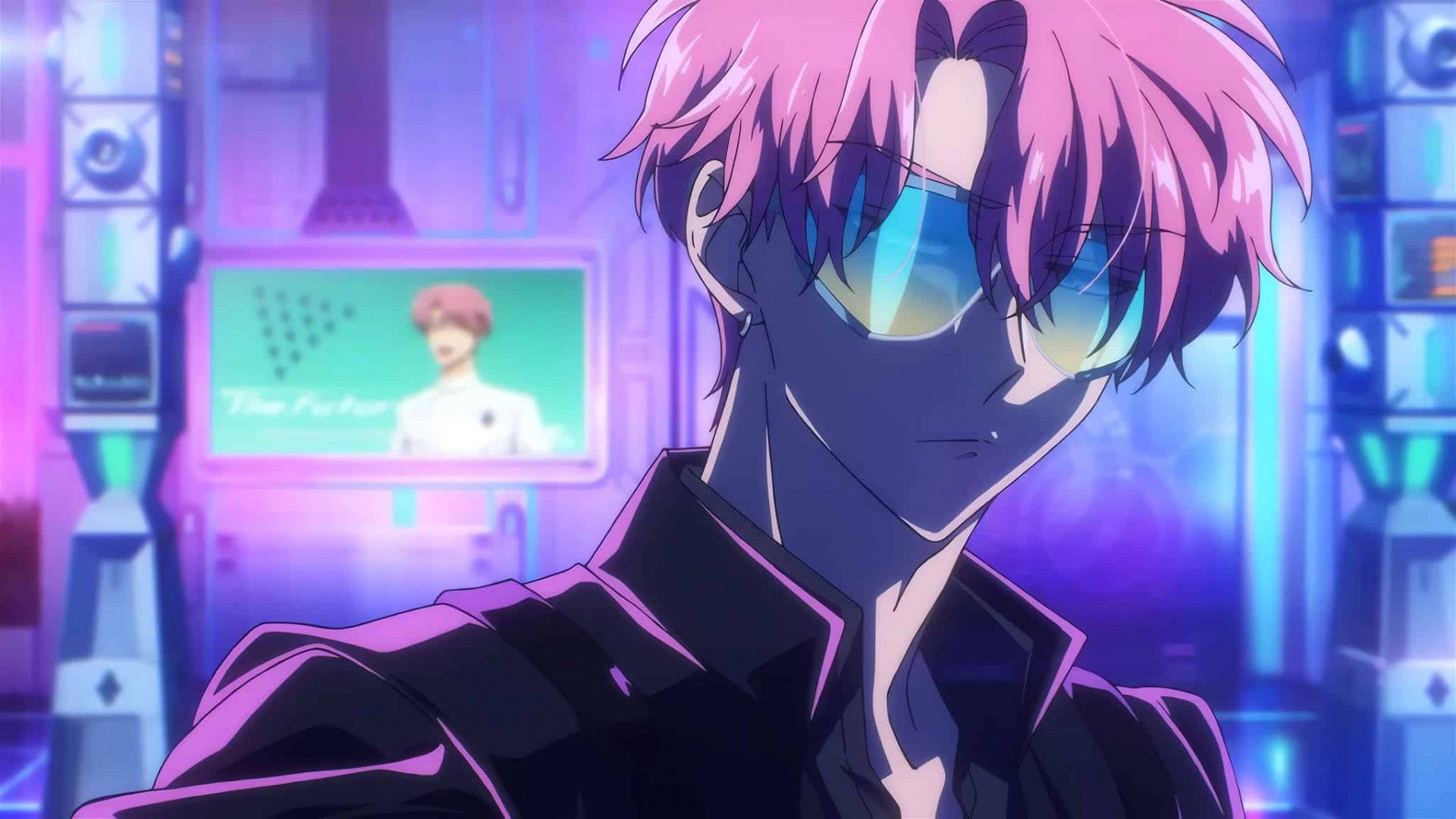
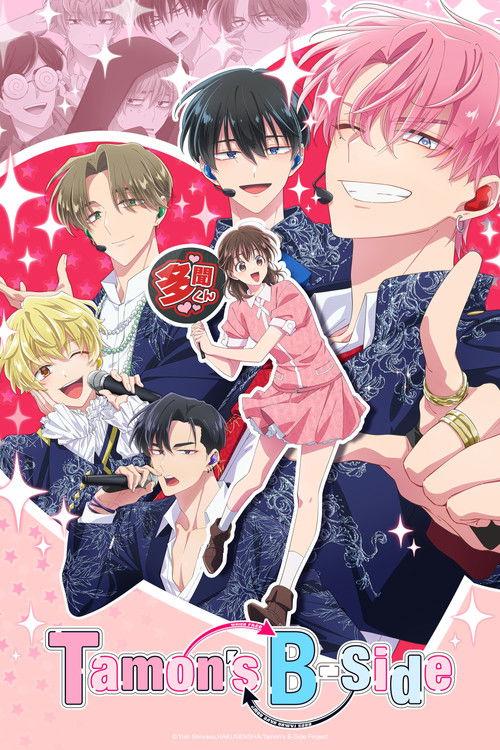
When Tamon’s B-Side premiered on January 4th, 2026, it arrived with one of those deceptively simple premises that immediately hooks you: a high school girl working as a housekeeper discovers that her idol from the boy band F/ACE—the seemingly perfect Tamon—is actually shy and gloomy when the cameras stop rolling. It’s the kind of setup that could have gone either direction, either becoming a forgettable rom-com or something genuinely special. What actually unfolded across those 13 episodes was something that resonated far deeper than anyone anticipated, landing a solid 7.4/10 rating while sparking conversations that extended well beyond typical anime fandom circles.
What makes Tamon’s B-Side stand out in the crowded landscape of comedy-driven animation is its willingness to deconstruct idol culture with genuine affection rather than cynicism. The show never punches down at its characters for being flawed or vulnerable. Instead, it creates space for authenticity in a world built on carefully curated personas. That’s genuinely progressive storytelling, especially in a genre that often reduces idol narratives to either pure fantasy or outright mockery.
The Core Appeal: Subversion Through Sincerity
The brilliance lies in how the show frames its central conflict. Utage’s fandom isn’t portrayed as obsessive or unhealthy—it’s treated as a legitimate emotional connection that’s suddenly complicated by reality. When she encounters the real Tamon, the show could have made her disillusionment the punchline. Instead, it explores something much more nuanced: how we can simultaneously hold space for someone’s public and private selves without either one being “fake.”
- The premise’s strength: Using the housekeeper angle creates organic proximity and vulnerability
- Character depth: Both Utage and Tamon get genuine development beyond their initial archetypes
- Thematic resonance: Questions about authenticity that feel surprisingly relevant to contemporary media consumption
- Comedic timing: The humor emerges naturally from character interactions rather than relying on forced gags
The creative team understood something crucial: the best comedies emerge from character truth, not character exaggeration. Every episode built on establishing who these people actually were beneath their projected images, which made the comedy land harder and the moments of genuine connection feel earned rather than manufactured.
Animation and Format as Storytelling Tools
While the exact runtime of individual episodes remains somewhat mysterious, the structure of 13 episodes clearly shaped how the narrative unfolded. That’s a specific creative constraint that forces writers to balance serialized character development with episodic satisfaction. It’s enough time to establish genuine stakes without padding the story to artificial lengths. The pacing feels deliberate—you’re never left wondering if the show is treading water.
The animation style itself became part of the show’s appeal. Working with what appears to be J.C. Staff’s involvement, the series employed a visual approach that felt modern without being alienating. The character designs were expressive enough to carry comedic beats while remaining grounded enough to support the sincere emotional moments. That balance—between visual appeal and emotional authenticity—is harder to achieve than it appears.
Cultural Impact and the Conversations It Sparked
Since its premiere, Tamon’s B-Side has become one of those shows people reference when discussing how anime handles romance and identity. It sparked meaningful conversations about celebrity, parasocial relationships, and the performance aspect of public personas—topics that extend well beyond anime fandom into broader cultural discourse about influencers, streaming personalities, and social media performance.
The show’s status as a “Returning Series” suggests the audience and industry alike recognized something worth continuing. That’s not guaranteed in the anime space, where many shows receive single seasons and disappear. The fact that Tamon’s B-Side earned renewal speaks to both its critical reception and its ability to connect with viewers in ways that transcended typical demographic boundaries.
> The show’s greatest achievement wasn’t revolutionary storytelling—it was executed storytelling. Every element served the core narrative about learning to see people clearly, without cynicism or idealization.
Why This Matters for Television
In an era where animation continues expanding its audience and ambitions, Tamon’s B-Side represents something important: proof that intimate, character-driven comedy-dramas find audiences on streaming platforms. It didn’t need massive spectacle or complicated mythology. It needed sincere writing, capable animation, and characters worth investing in.
The series arrived at a moment when many viewers were hungry for stories about real connection in filtered worlds. Utage and Tamon’s journey—learning to see each other clearly while navigating the gap between public and private selves—felt particularly resonant in 2026, and it continues to matter now.
For anyone who appreciates character-focused storytelling, sharp comedy that emerges from genuine situations, and animation that serves narrative rather than overshadowing it, Tamon’s B-Side absolutely deserves your attention. It’s the kind of show that reminds you why we keep coming back to this medium.


![Official Trailer [Subtitled]](https://img.youtube.com/vi/qFmSz2ZVxCA/maxresdefault.jpg)