When Ancient Aliens premiered on April 20, 2010, it arrived at a particular cultural moment—a time when the History Channel was still carving out space for genuinely thought-provoking programming, and audiences were hungry for content that asked “what if?” in ways mainstream media rarely dared. Creator Kevin Burns tapped into something primal: our fascination with humanity’s greatest mysteries and the tantalizing possibility that we’re not alone. What makes this show remarkable isn’t that it answers those questions definitively, but that it’s spent over a decade asking them with genuine curiosity and style.
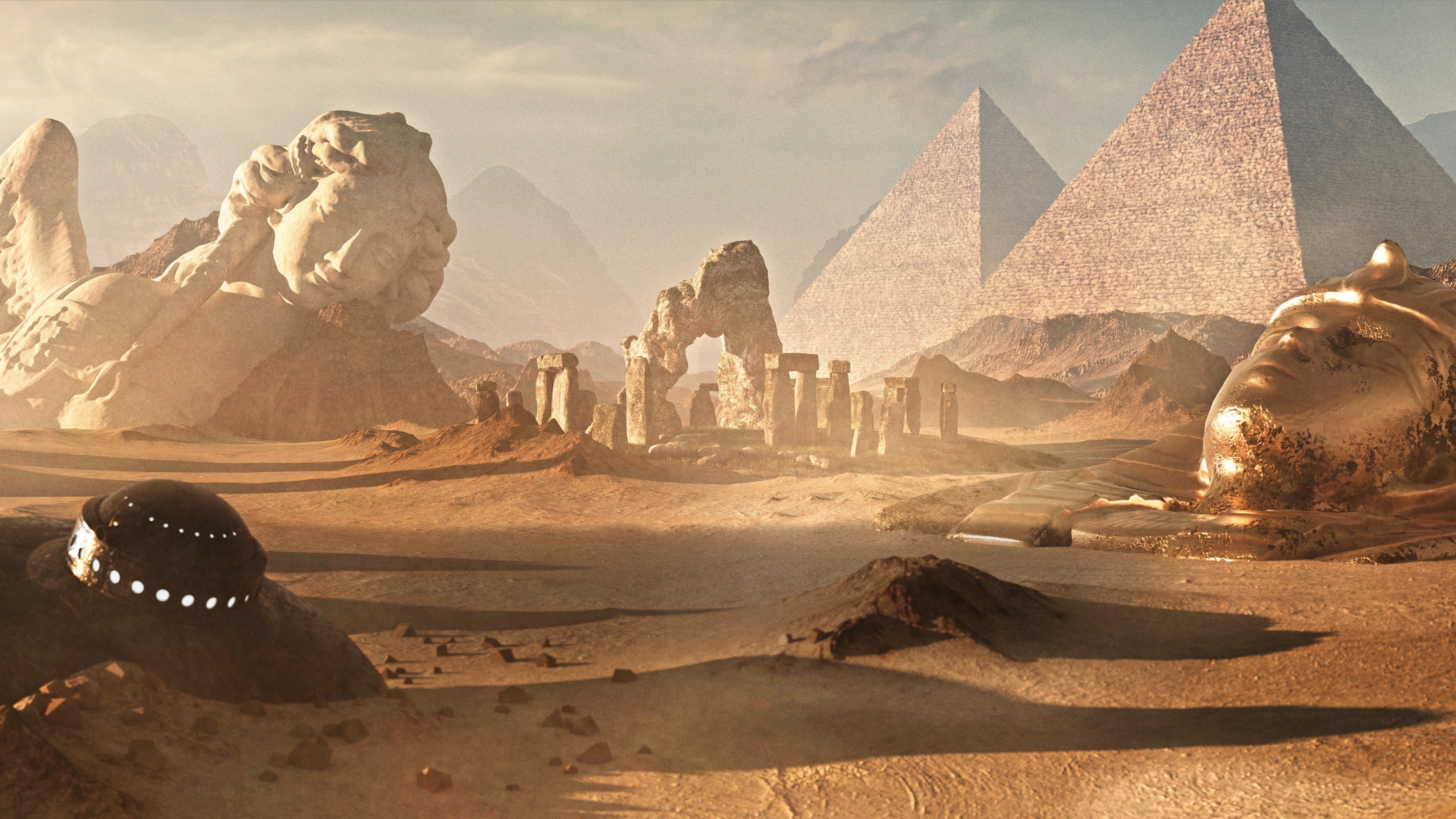
The concept itself is deceptively simple. Take humanity’s most enduring mysteries—the construction of the pyramids, ancient artwork, religious texts, megalithic structures—and ask whether extraterrestrial contact might explain them. But simplicity of premise doesn’t translate to simplicity of execution. Burns crafted a documentary format that borrows from sci-fi sensibilities, creating something that sits comfortably at the intersection of mystery and speculative fiction. The 42-minute runtime proved to be the perfect length, giving each episode enough breathing room to explore multiple theories without overstaying its welcome. It’s snappy enough for casual viewers but substantive enough for the genuinely curious.
Across 282 episodes spanning 22 seasons, Ancient Aliens has built something genuinely impressive: sustained creative momentum. That’s no small feat in the documentary space, where repetition can kill momentum quickly. The show’s 7.0/10 rating tells an interesting story too—it’s respectable, consistent, neither critically beloved nor dismissed, which speaks to its broad appeal. The early seasons boasted particularly strong ratings (Season 1’s 7.4 score set a high bar), and while the show has naturally fluctuated over time, maintaining a 7.0 overall average across nearly 300 episodes is a testament to its formula’s durability.
What audiences connected with, fundamentally, was the show’s willingness to treat ancient cultures with intellectual seriousness. Rather than suggesting that non-Western civilizations couldn’t have built their own monuments without extraterrestrial help, Ancient Aliens flips the script: it asks whether we’ve underestimated humanity’s capabilities and whether we might have overlooked evidence of off-world contact. This dual-pronged approach became the show’s secret sauce. It respects both human achievement and the mystery of the cosmos simultaneously.
> The brilliance of Ancient Aliens lies in how it reframes history not as settled fact, but as an ongoing conversation—one worth having repeatedly, from different angles, with different evidence.
The show’s cultural footprint extends beyond its ratings. Certain episodes became genuinely iconic moments in pop culture conversation:
- “Aliens and the Third Reich” sparked enormous discussion (7.3 rating, 269 reviews) about whether historical fascism intersected with extraterrestrial mythology
- Episodes exploring Egyptian pyramids and Mayan civilization became touchstones that people referenced in casual conversation about ancient mysteries
- The show’s treatment of religious texts as potential alien contact accounts became surprisingly sophisticated, treating theological scholarship seriously
- Later seasons expanded into topics like aliens and modern technology, aliens and the future, creating an evolving thesis across the series
The streaming revolution transformed Ancient Aliens into something even larger. Once locked behind cable schedules, the show’s entire library became available on Netflix, Disney Plus, Amazon Prime Video, Hulu, and specialized platforms like Pure Flix and HISTORY Vault. A show that premiered in 2010 suddenly found new audiences in 2020s, its ideas gaining fresh relevance as interest in UAPs and government transparency skyrocketed. The algorithm favored it, certainly, but also: audiences discovering the series in bulk could binge entire seasons and genuinely experience how Burns developed his thesis across episodes.
Kevin Burns’ vision revealed itself over time as fundamentally optimistic about both human potential and cosmic possibility. Rather than positioning ancient peoples as primitive or needing outside intervention to succeed, the show often celebrated their ingenuity while positing that contact might have occurred. It’s a subtle but crucial distinction. The documentary-mystery hybrid format he developed—mixing talking-head experts, archival footage, CGI reconstructions, and dramatic recreations—became so influential that countless shows copied it. Ancient Aliens didn’t invent the format, but it perfected it and demonstrated its commercial staying power.
The show’s longevity reveals something deeper about television audiences. We want mysteries to stay unsolved. Conclusive answers would kill the show; the endless possibility is the point. Each season can revisit similar locations and questions because the mystery persists. Humanity’s relationship to our own history remains genuinely enigmatic, and Ancient Aliens created a safe space to explore that enigma without cynicism.
Returning series status after 22 seasons means Kevin Burns’ creation remains in active production, still discovering new angles on ancient mysteries. That’s remarkable in an era where most shows burn out after five or six seasons. The show weathered cultural shifts, platform changes, and evolving audience expectations—all while maintaining its core formula. Its 7.0 rating, while not stratospheric, represents exactly what the show aimed for: accessible, thoughtful entertainment that takes big ideas seriously without pretending to have all the answers.
Whether you approach Ancient Aliens as genuine speculation about human history, as a fascinating deep-dive into mythology and archaeology, or simply as excellent comfort-watch television, its achievement stands: it created something that lasted. In an entertainment landscape obsessed with innovation and novelty, that might be the most alien concept of all.