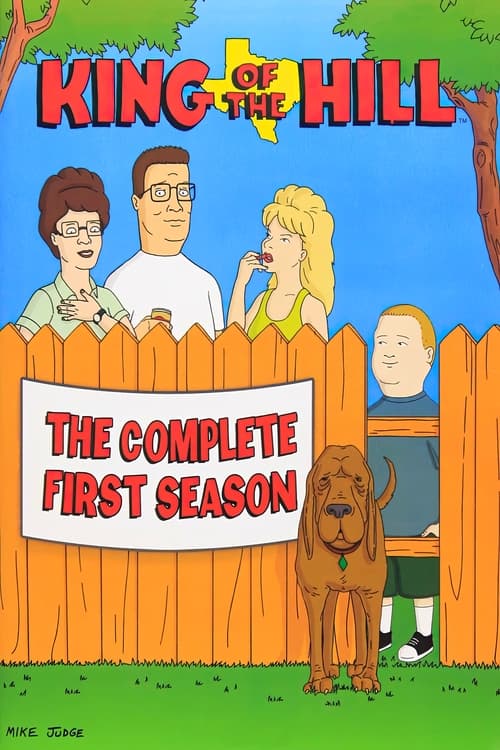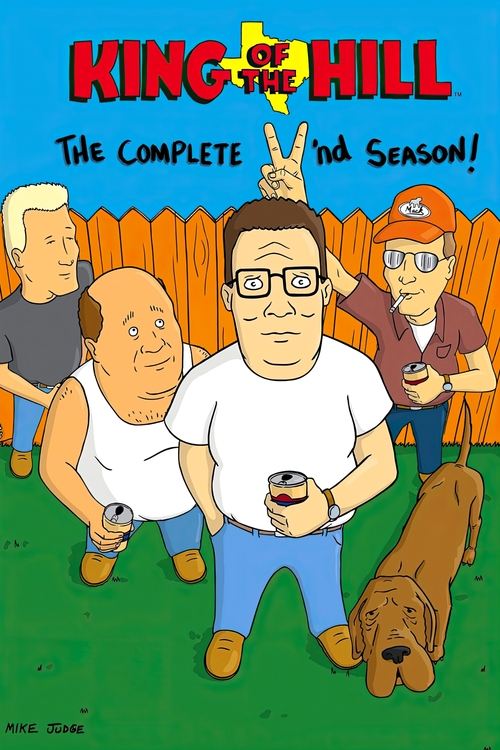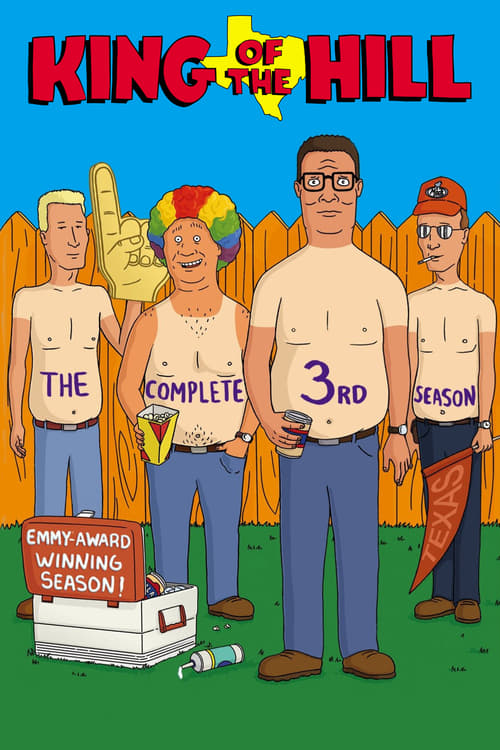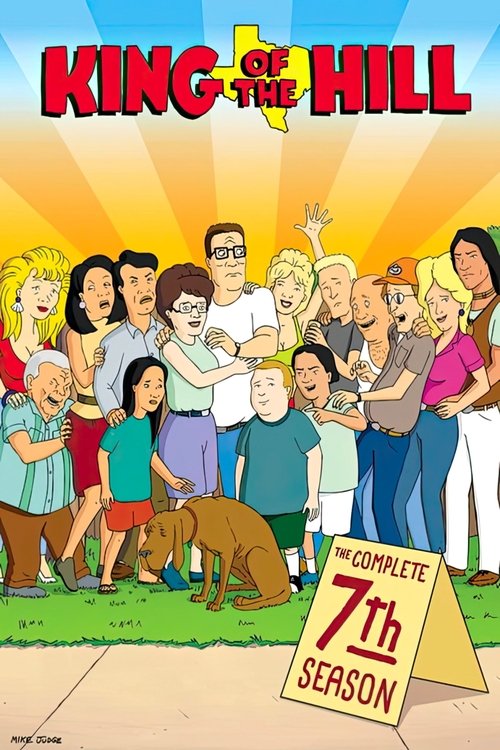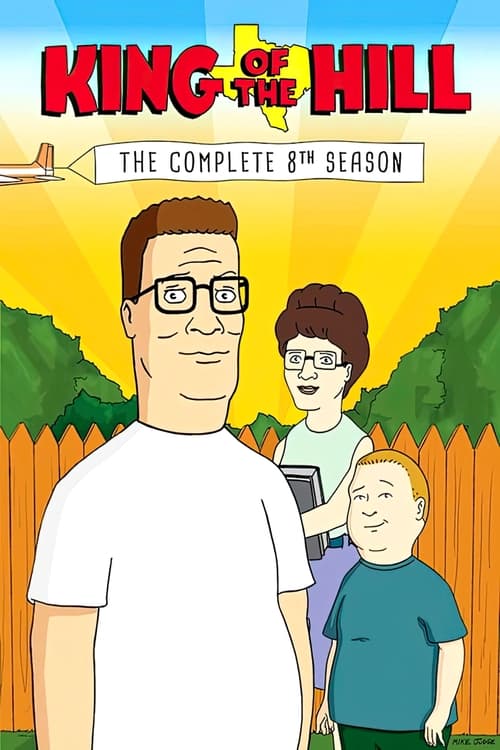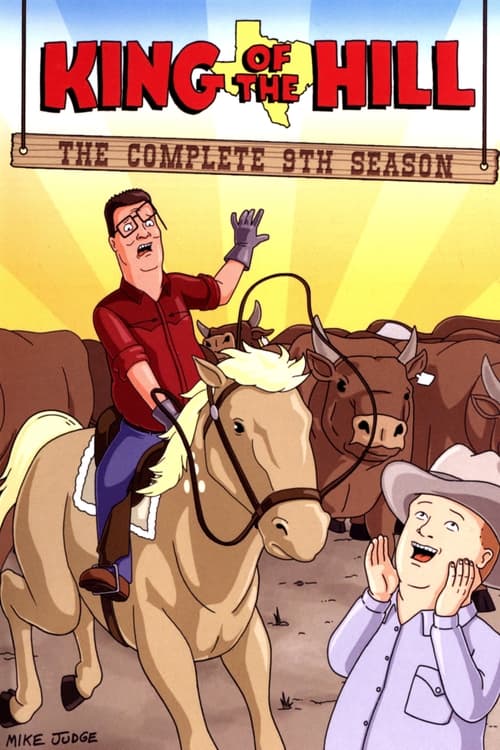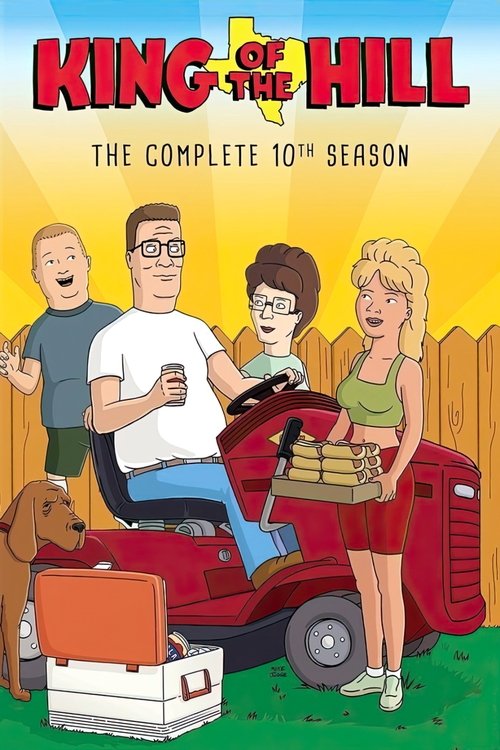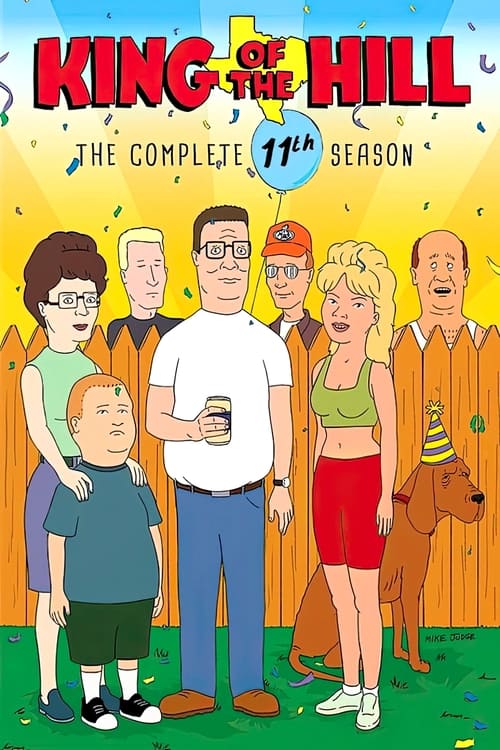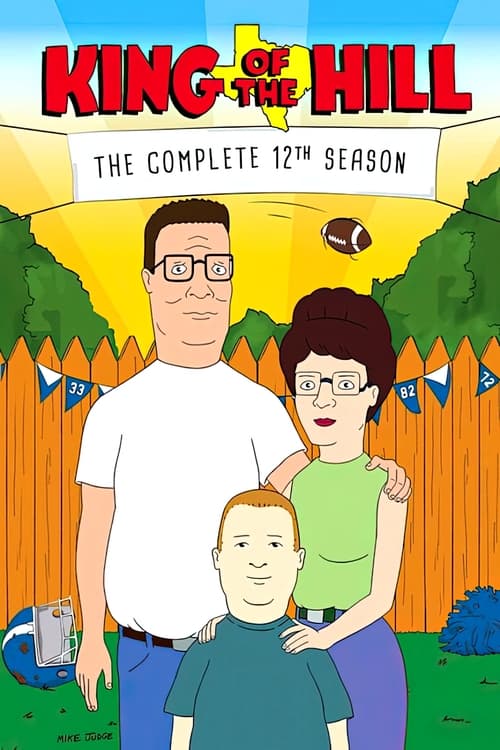
When King of the Hill debuted on January 12, 1997, it arrived during a golden age of animated comedies, yet it carved out something distinctly its own. Created by Greg Daniels and Mike Judge, the show didn’t rely on the absurdist humor or sci-fi gimmicks that defined many of its contemporaries. Instead, it chose to anchor itself in the mundane reality of a middle-class Texas family, finding comedy and pathos in the everyday struggles of suburban life. That choice—to treat sitcom storytelling with genuine emotional weight while remaining consistently funny—became the show’s greatest strength.
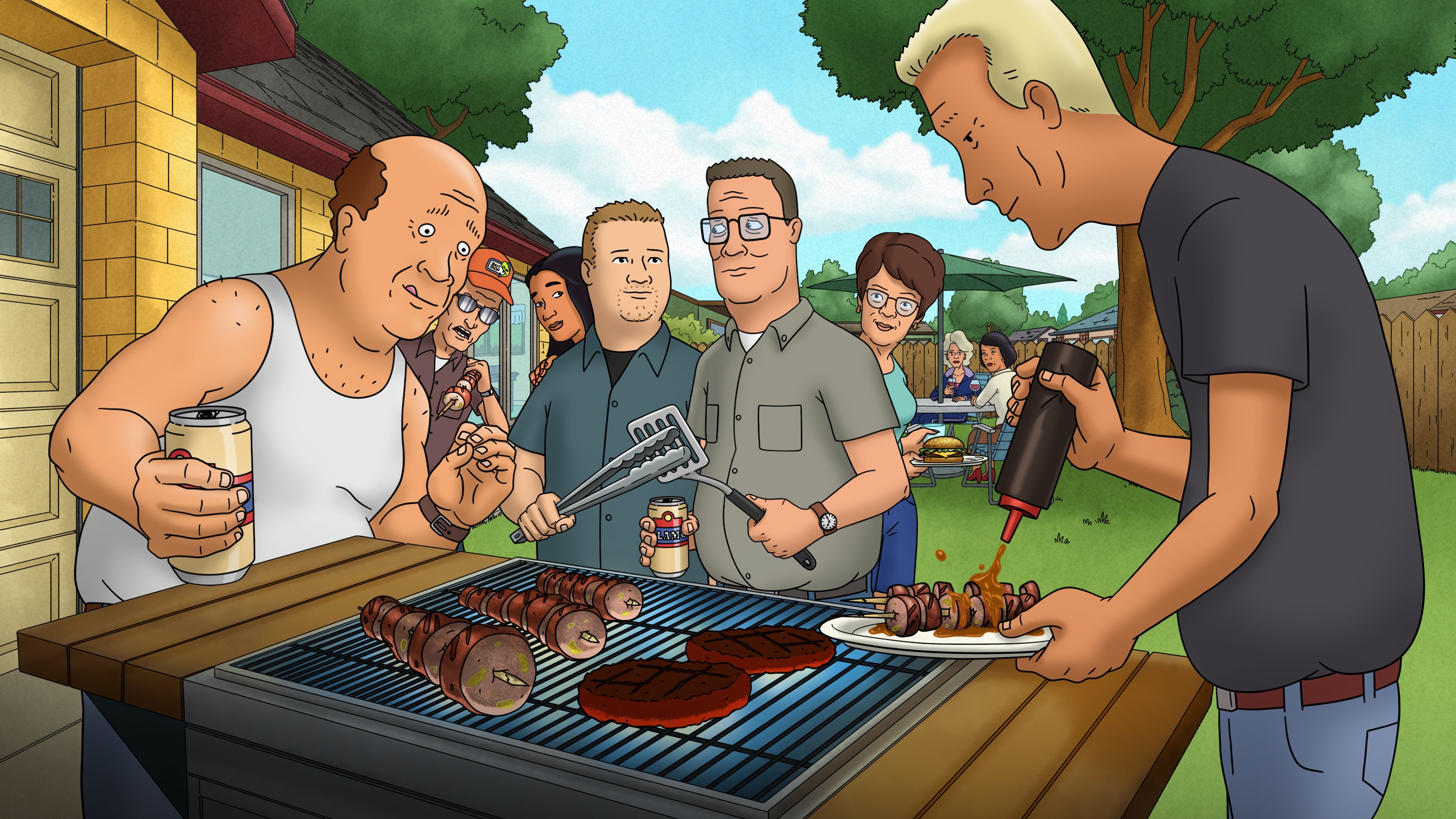
The premise sounds almost deceptively simple: follow Hank Hill, a propane salesman, and his family through their daily lives in the fictional town of Arlen, Texas. But here’s where Daniels and Judge’s vision truly shines. Rather than treating these characters as punchlines or caricatures, they wrote Hank, his wife Peggy, their son Bobby, and his niece Luanne as fully realized human beings with genuine hopes, fears, and contradictions. That respect for character became the foundation for 275 episodes across 15 seasons, a run that allowed the show to explore its world with remarkable depth.
> The show’s greatest achievement wasn’t simply making audiences laugh—it was making them care about these people while they were laughing.
The 22-minute runtime proved perfectly suited to the show’s approach. Unlike traditional sitcoms that resolved conflicts neatly, King of the Hill used those 22 minutes to develop situations that felt organic and earned. A story about Hank struggling with his father’s legacy or Bobby navigating the confusion of adolescence didn’t get wrapped up with a convenient lesson. Instead, the show trusted that life’s complications don’t resolve neatly, and audiences responded to that authenticity in ways that reflected in its solid 7.4 rating—respectable precisely because it represented genuine appreciation rather than inflated hype.
What made the show culturally significant was its willingness to engage with working-class American life at a time when television often dismissed or mocked it. Consider some of the show’s core thematic explorations:
- Class and dignity – Hank’s pride in his job, his work ethic, and his refusal to be pitied by wealthier neighbors
- Generational conflict – The tension between Hank’s traditional values and Bobby’s modern sensibilities
- Family loyalty – Despite their differences, the Hills remained fundamentally committed to one another
- Regional identity – The show celebrated Texas culture without turning it into a joke
This nuanced approach sparked important conversations. The show wasn’t mocking rural America or its values; it was exploring them with genuine curiosity and affection. That distinction mattered enormously, and it’s part of why the show maintained its audience through shifting cultural moments.
The creative achievement here deserves particular emphasis. Mike Judge’s voice work—particularly as Hank—created an unforgettable character through performance. Judge’s ability to convey Hank’s frustration, confusion, and underlying warmth with just his voice became iconic. The animation style, though modest by modern standards, perfectly captured the show’s aesthetic: clean, clear, and focused on character expression rather than flashy visual gags. This wasn’t animation designed to dazzle; it was designed to tell stories efficiently and emotionally.
Over 15 seasons, the show demonstrated remarkable consistency while evolving naturally. Early episodes established the show’s core relationships and comedic voice, but later seasons deepened character arcs in ways that felt earned rather than contrived. Bobby’s journey from confused kid to complicated teenager to young adult carried real weight across multiple seasons. Peggy’s evolution—becoming more confident in her own identity while maintaining her role as family anchor—reflected genuine character development rather than simple repetition.
Several episodes achieved such storytelling excellence that they transcended the “sitcom” label entirely:
- Episodes exploring Hank’s relationship with his father Cotton revealed tragic family dynamics with surprising depth
- Stories involving Bobby’s identity and sexuality handled sensitive topics with genuine compassion
- Peggy-focused episodes often became meditations on marriage, identity, and self-doubt
- Community episodes demonstrated how well the show understood social dynamics beyond the nuclear family
The show’s influence on television cannot be overstated. It proved that animation didn’t require wackiness to succeed, that sitcoms could earn emotional investment through character consistency, and that audiences craved authenticity even—or especially—in comedy. Programs that followed, from Bob’s Burgers to various dramedies, owe something to King of the Hill’s willingness to blend humor with genuine stakes.
What’s particularly impressive is how the show maintained its Returning Series status, bouncing between networks and eventually finding a home on Hulu and other streaming platforms. That journey from 1997 to the present speaks to enduring quality. Audiences didn’t simply watch King of the Hill; they lived with these characters. Streaming services recognized that the show had built something that transcended its original broadcast context.
The show’s legacy rests not on being revolutionary in form or wildly experimental in content. Instead, it succeeded by being consistently, authentically good. Greg Daniels and Mike Judge created characters and a world that viewers could return to year after year because those characters felt real. In an entertainment landscape often chasing the next viral moment, King of the Hill represented something increasingly rare: a show content to tell human stories with humor, respect, and genuine affection for its characters. That’s a legacy worth celebrating.