Charlie Polinger’s The Plague arrived in December 2025 as a quiet, unsettling film that caught audiences by surprise. It premiered at the Un Certain Regard section of Cannes in May before getting a limited theatrical release on December 24, 2025, then expanding nationwide in early January 2026. The film earned 7.5/10 from 19 votes and grossed $685,153 against its $1.00 million budget—numbers that don’t tell the whole story about what Polinger actually accomplished here.
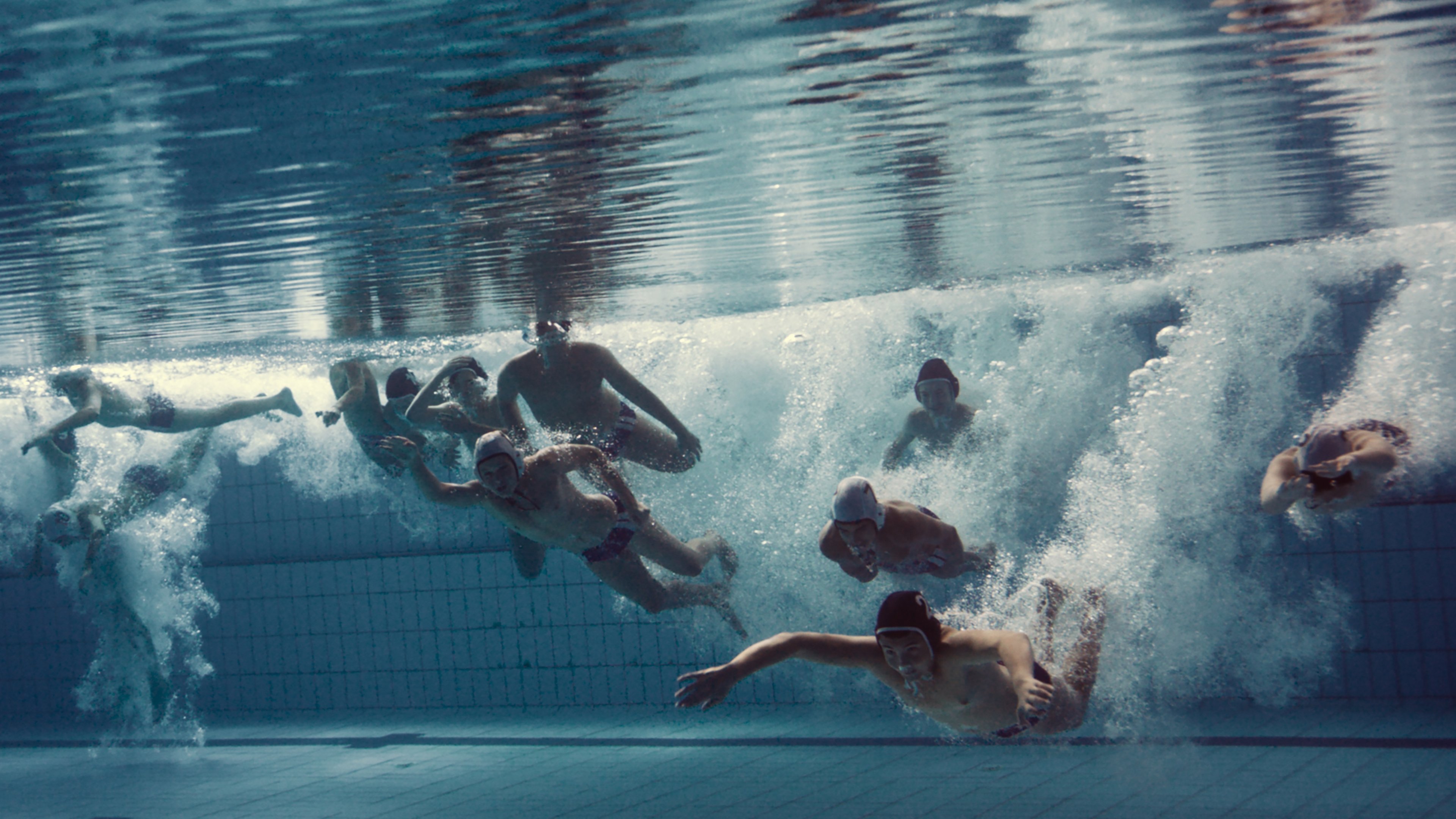
On paper, The Plague sounds like a coming-of-age film. A socially awkward kid goes to water polo camp for the summer. But that description undersells what the film actually is: a psychological descent that refuses to look away from the casual cruelty of adolescence. In its 99 minutes runtime, Polinger doesn’t make a film about overcoming anxiety or finding friendship. Instead, he makes a film about what happens when a kid’s mind turns against him, when the social hierarchy of a summer camp becomes a complete psychological collapse. It’s uncomfortable to watch, which is exactly the point.
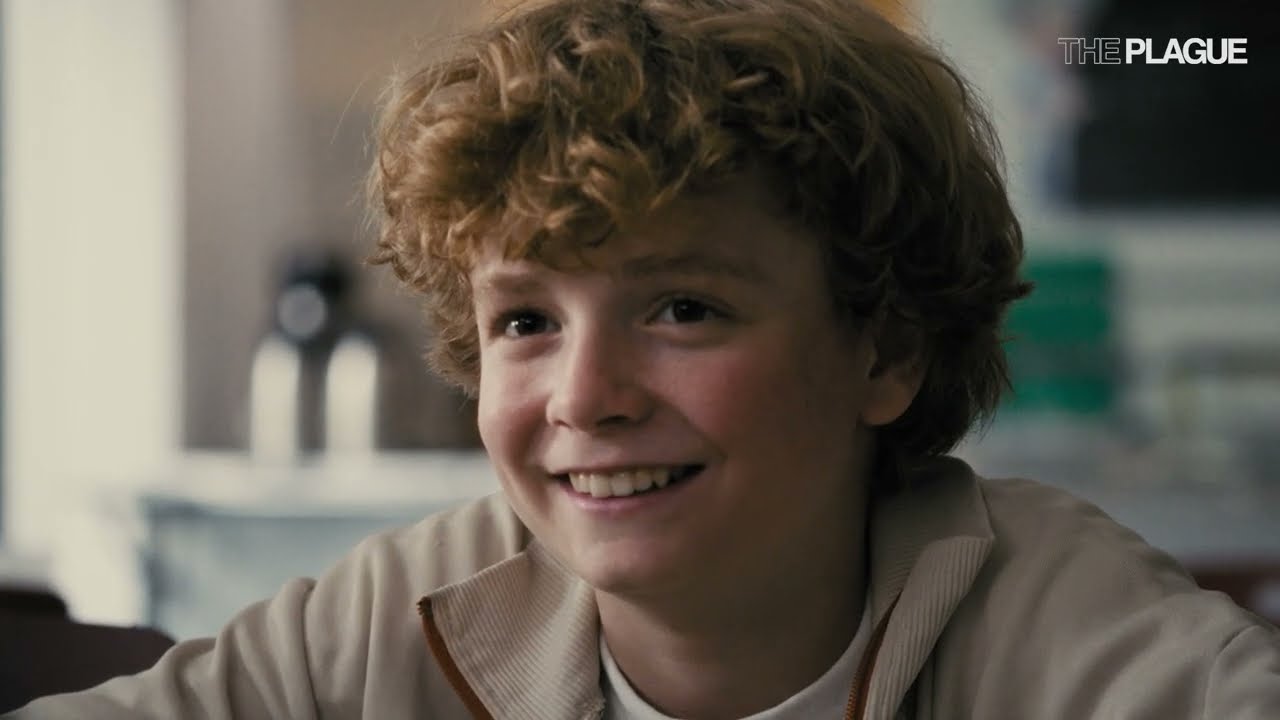
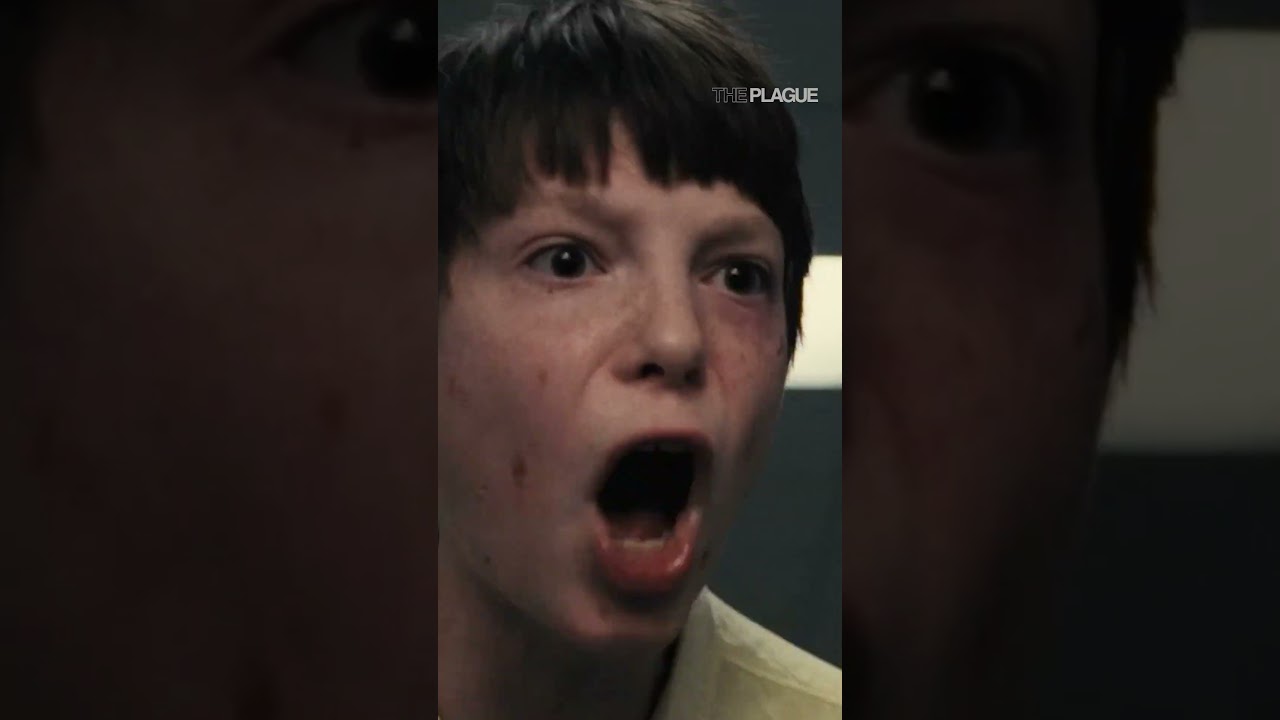
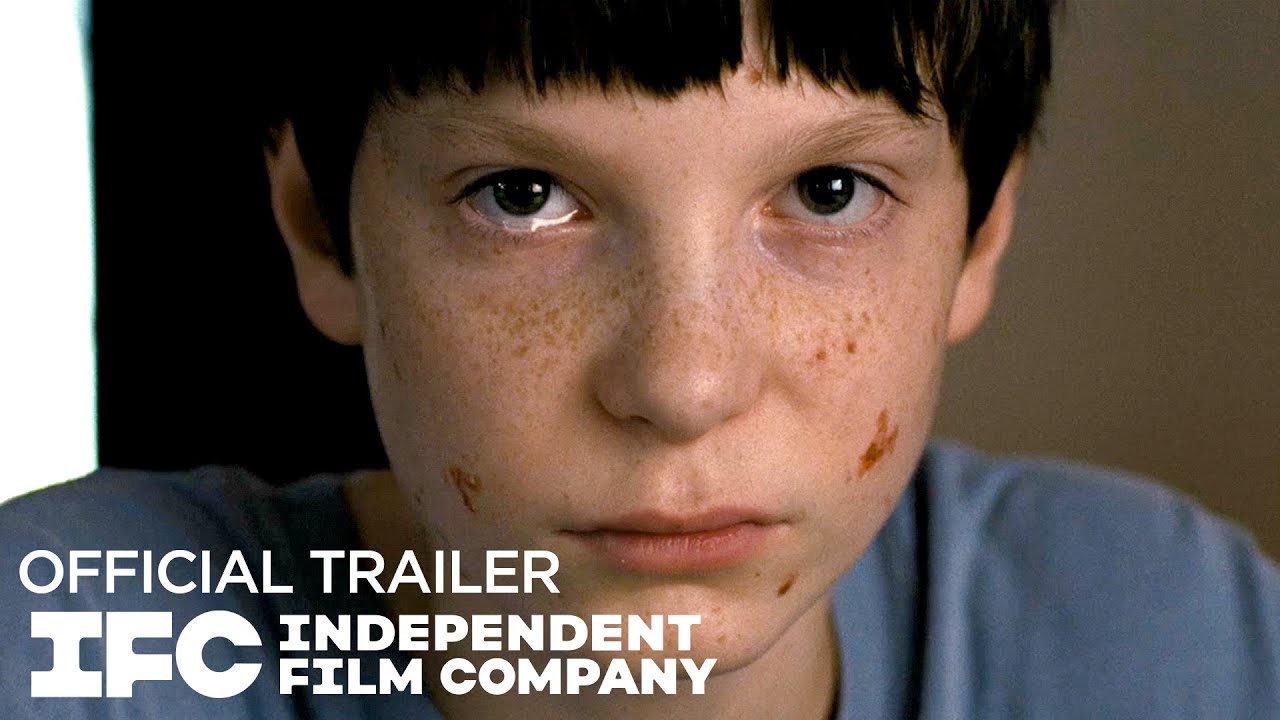
Everett Blunck carries the entire film, and his performance is the kind that sticks with you because you remember what social anxiety actually feels like—the spiraling thoughts, the way your body betrays you in public spaces, the certainty that everyone is watching and judging. Blunck doesn’t play the role as sympathetic or relatable in the conventional sense. He plays it as real. Kayo Martin and Joel Edgerton round out the cast, but Blunck’s anxiety is the true antagonist. The film is essentially a portrait of his character’s mind breaking down, and the other performers exist in the space around that breakdown.
What’s striking about The Plague is how little it relies on conventional dramatic beats:
- No uplifting third-act transformation
- No mentor figure who fixes everything
- No montage where the kid learns to be confident
- Just the steady weight of social humiliation and internal panic
The film takes summer camp—a space traditionally treated as safe, formative, fun—and reveals it as a pressure cooker designed to expose and exploit weakness.
Polinger’s direction is spare and intentional. He doesn’t overexplain the psychology happening on screen. The camera sits with discomfort. Wide shots show the kid isolated among groups. Close-ups catch the moment his mind spirals. There’s no manipulative score telling you how to feel. The threat is internal, so the film’s style reflects that. This restraint is what makes the film matter, even though it performed modestly at the box office and will likely remain a discovery for viewers rather than a mainstream success.
> The genius of The Plague is that it treats adolescent anxiety as legitimate psychological crisis, not a problem to be solved by friendship or determination.
The collaboration between Polinger and his cast created something genuinely rare: a film about mental health that doesn’t sentimentalize it. Blunck’s performance is the core, but the entire production—shot by Polinger and his small, focused team through studios like Spooky Pictures, The Space Program, and Image Nation Abu Dhabi—operates with real precision. This isn’t a big-budget spectacle. It’s a focused study that does more with restraint than many films do with resources.
The film’s cultural significance will likely grow over time, even if immediate recognition hasn’t materialized. The Plague exists in a growing category of films that refuse to offer false comfort about the teenage experience. It’s closer to Lynne Ramsay’s work than traditional teen dramas. It respects its audience enough to present suffering without resolution, psychology without diagnosis. That’s not commercially friendly, but it’s artistically honest.
For young filmmakers, The Plague demonstrates that you don’t need enormous budgets to create psychological impact. Polinger made something genuinely disturbing and artistically coherent on a $1.00 million budget—that’s worth noting. The film will find its audience through festival circuits, streaming platforms, and word-of-mouth among viewers who appreciate cinema that doesn’t soften its edges.
What The Plague ultimately does is expand the conversation about what indie drama can be. It’s not about overcoming obstacles or finding your people. It’s about the specific terror of being a particular kind of kid in a space designed for extroverts and athletes. That’s a narrow subject, maybe, but it’s also a true one. And in cinema, truth—even uncomfortable, unpopular truth—always outlasts commercial performance.