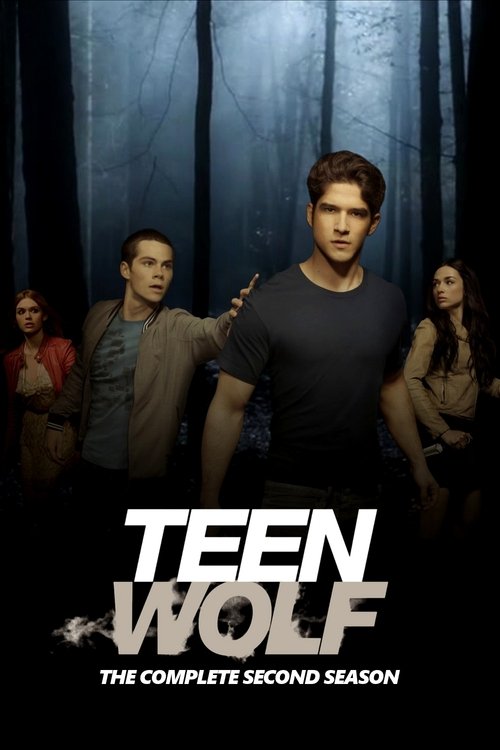
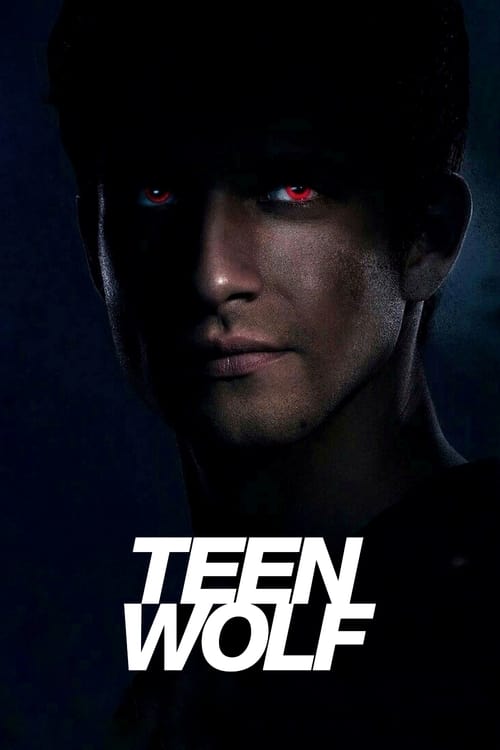
When Teen Wolf debuted on MTV back in June 2011, it arrived with modest expectations—a supernatural twist on a beloved ’80s movie, helmed by creator Jeff Davis and aimed at a teen audience hungry for mythology and mystery. What unfolded over the next six seasons and 100 episodes was something far more significant: a show that would redefine what teen television could be, blending sci-fi worldbuilding, genuine dramatic stakes, and unexpected comedic brilliance into something that felt entirely its own. The show’s 8.5/10 rating speaks to its consistent quality, but the real story lies in how it earned the passionate devotion of audiences who stuck with it through werewolves, Nogitsune demons, and the kind of character development that made you forget you were watching a show about supernatural teenagers.
What made Teen Wolf stand out was Jeff Davis’s willingness to treat his premise seriously. This wasn’t campy or self-aware in a winking way—it was grounded storytelling with genuine emotional consequences. Early on, the show established that being a werewolf wasn’t cool or glamorous; it was a burden that demanded sacrifice. Scott McCall’s journey from bitten teenager to reluctant alpha wasn’t a power fantasy; it was the story of someone trying to hold onto their humanity while becoming something more.
The show’s structural approach was particularly smart. By keeping episodes’ runtimes flexible and allowing narratives to breathe across multiple seasons, Davis created space for the mythology to deepen organically. Characters weren’t reset between seasons; trauma accumulated, relationships fractured and reformed, and the stakes kept escalating in ways that felt earned rather than artificial.
> The beauty of Teen Wolf was that it refused to stay in one genre lane—it was simultaneously a tense supernatural drama, a coming-of-age story, and genuinely funny comedy, often within the same scene.
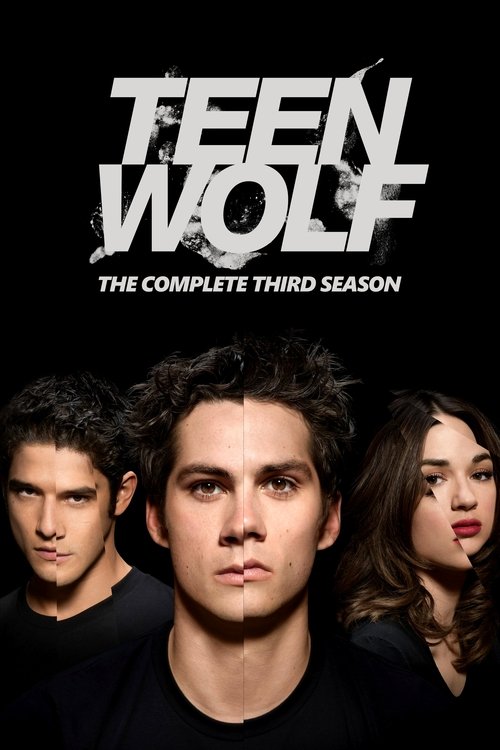
Looking at the season ratings tells an interesting story about the show’s evolution. Season 3, which aired in two parts, emerged as a critical peak—particularly Season 3B, which hit 9.5/10 and represented the show firing on all cylinders. This was the Nogitsune arc, where the show proved it could handle mythology as complex and psychologically unsettling as anything on prestige television. The “Lunar Eclipse” episode that capped 3A became iconic within fandom spaces—a moment where multiple storylines converged in ways that felt both inevitable and surprising.
The cultural footprint Teen Wolf left was substantial, even if mainstream critics sometimes overlooked it. The show sparked conversations about:
- Representation and representation that mattered—Scott McCall as a Latinx lead in a supernatural drama wasn’t tokenistic; it was central to his character
- Queer storytelling done right—the evolution of Danny’s character and, more significantly, the organic development of supernatural romance between male characters that resonated deeply with LGBTQ+ audiences
- Found family as the emotional core—Scott’s pack wasn’t just a plot device; it was the actual heart of the series, exploring loyalty and belonging in ways that transcended typical teen drama tropes
- What happens when good people face genuinely impossible choices—the show never let characters off easy, and it trusted its audience to sit with moral complexity
The cast became cultural shorthand for a generation of TV fans. Tyler Posey, Dylan O’Brien, Holland Roden, Colton Haynes—these actors grew from relative unknowns into career-defining roles precisely because they had material worthy of their talent. The chemistry between cast members, particularly between Posey and O’Brien as Scott and Stiles, created the emotional backbone that kept audiences invested even when mythology got convoluted.
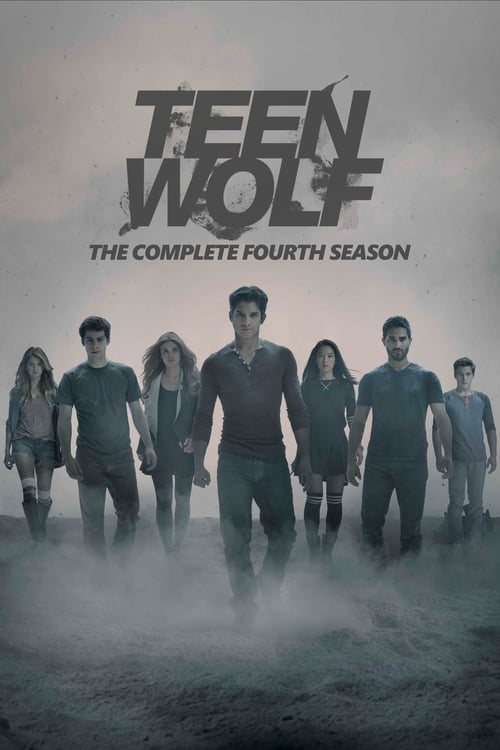
Season rankings showed the show’s journey, and that variance actually reflects something healthy: a series willing to experiment, sometimes successfully and sometimes less so. Even as ratings dipped slightly in later seasons (all hovering around 8.4), the show never felt like it was coasting. The final season wrapped up with intention, and the subsequent film continuation released on Paramount+ in January 2023 demonstrated that the story still had resonance years after the series ended.
What made Teen Wolf endure was its core formula: take your premise seriously, invest in your characters emotionally, and trust your audience to handle complexity. Jeff Davis created something that respected its viewers’ intelligence while never losing sight of the visceral appeal of monsters, mystery, and the dark possibility that the world is stranger and more dangerous than we’d like to believe.
The show’s availability across streaming platforms—Netflix, Amazon Prime Video, Hulu, and their ad-supported variants—means new audiences continually discover it. They arrive expecting a fun supernatural adventure and find instead a richly plotted drama about trauma, growth, and the people we choose as family. Teen Wolf proved that MTV could do prestige television before that phrase became trendy, and it did so with genuine heart. That’s why, years later, it remains worth your time.