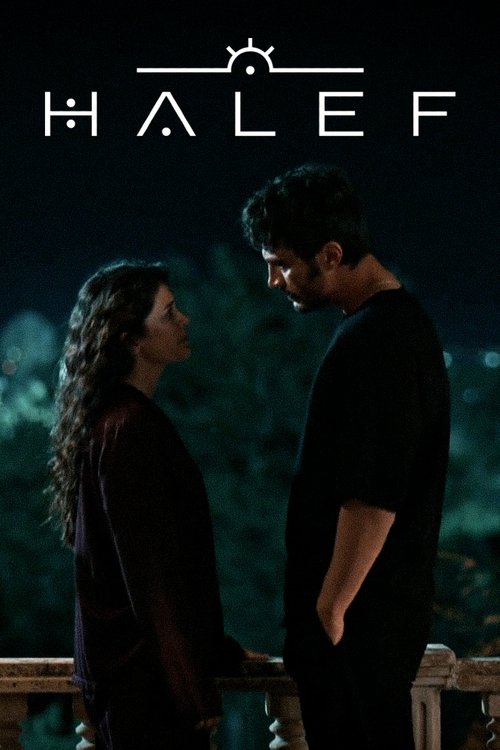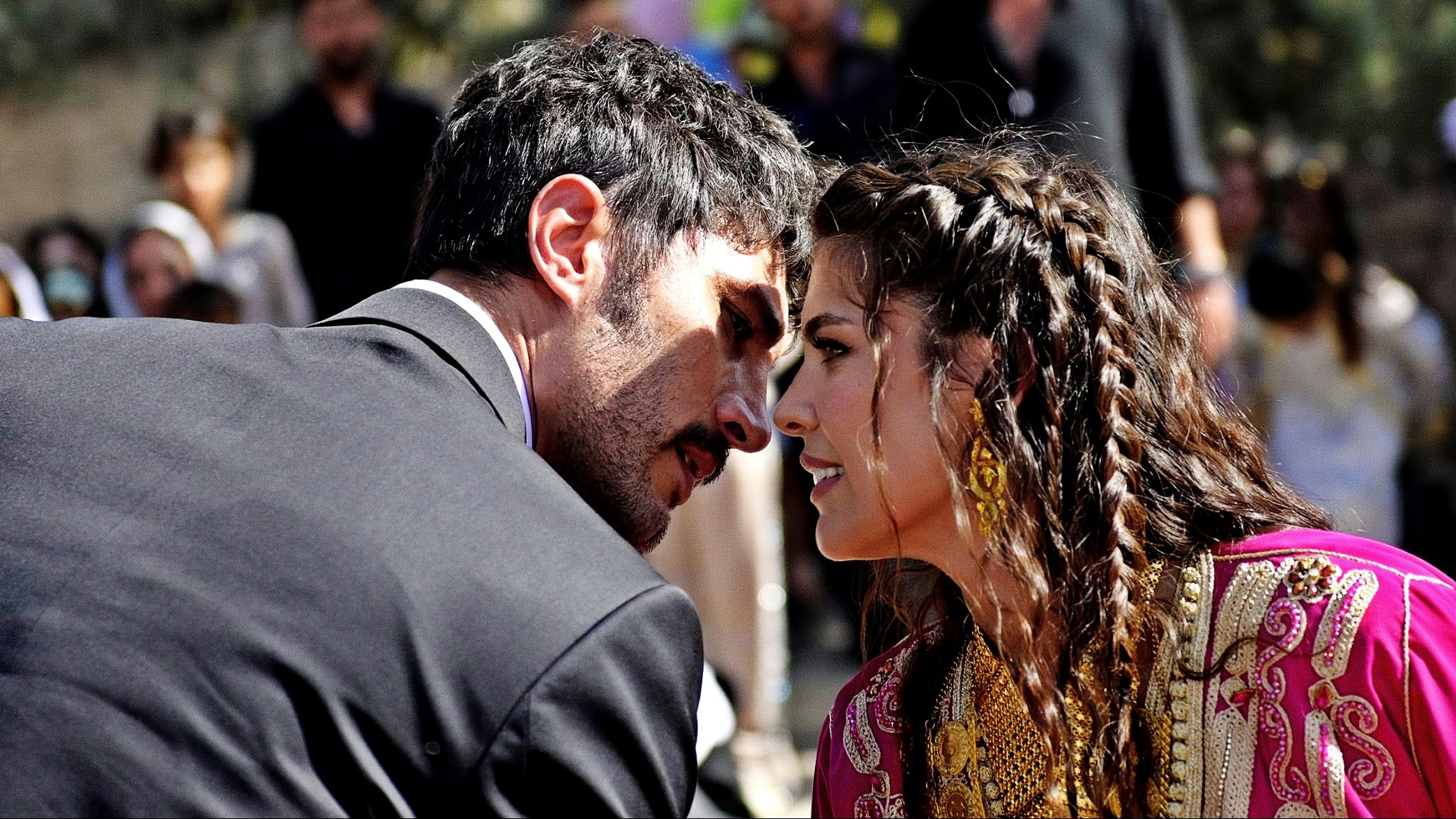
When Halef premiered on September 18th, 2025, it arrived with something television had been quietly craving: a drama willing to sit with its characters long enough to actually understand them. Creator Ercan Uğur crafted something deliberately paced, something that rejected the modern impulse to rush toward resolution. With 20 episodes spanning its first season and a generous 130-minute runtime per episode, the show positioned itself as an intimate exploration rather than a plot-driven spectacle—and audiences responded with genuine enthusiasm, propelling it to a solid 7.8/10 rating that reflects both critical appreciation and widespread viewership engagement.
The premise itself carries weight: Serhat, a successful surgeon, abandons his homeland to construct a new identity in Istanbul, only to discover that destiny doesn’t simply release us because we’ve changed our geography. His clandestine marriage to Melek becomes the emotional anchor—not a secret to be resolved in three episodes, but a fundamental tension that threads through the entire narrative fabric. What makes this approach revolutionary in contemporary television is its refusal to treat consequences as plot devices. Instead, Uğur recognizes them as the actual substance of human drama, the real meat of what we watch television to experience.
> The show understands that sometimes the most compelling television emerges not from what happens next, but from how people navigate what has already happened.
That extended runtime wasn’t laziness or indulgence—it was architectural necessity. With 130 minutes per episode, Uğur could afford the luxury of silence, of lingering on a character’s face as they process betrayal or longing. Modern television has conditioned us to expect constant escalation, but Halef proved there’s an audience starving for something different. Each episode became an event, a commitment, something you couldn’t simply consume passively. The show demanded presence from its viewers, and they showed up.
The cultural conversation that emerged around Halef centered on several key elements:
- The complexity of displacement: Serhat’s journey transcended typical “starting over” narratives by acknowledging that running toward something new inevitably means running from something that won’t stay behind
- Class and ambition: His role as a surgeon positioned him as someone accustomed to control, making his emotional vulnerability that much more resonant
- The mythology of Istanbul: The city itself became a character—not exotic backdrop, but a living presence that reshapes everyone it touches
- Secret marriages and hidden truths: The central secret avoided becoming soap opera artifice; instead, it served as meditation on what we owe to others versus what we owe ourselves
The ratings trajectory told an interesting story. The premiere established the show’s baseline appeal, but it was the consistency—episode after episode maintaining quality and emotional depth—that proved Halef had genuine staying power. In an ecosystem of prestige dramas often suffering from uneven seasons, this show’s first outing maintained remarkable equilibrium.
What really distinguishes Halef in the current television landscape is its cultural specificity married to universal emotional truths. The show didn’t shy away from Turkish context and sensibility, yet simultaneously spoke to anyone who’s ever felt caught between who they were and who they’re trying to become. That balance—authenticity to place without sacrificing accessibility—remains one of television’s most difficult achievements, and Uğur managed it with apparent ease.
The announcement that the series is returning for additional seasons feels less like a commercial renewal and more like cultural recognition that this story deserved continuation. The 7.8/10 rating, while perhaps seeming modest to some, actually represents something meaningful: critical respect paired with genuine popularity. This isn’t a niche prestige project that three film critics adore, nor is it a guilty-pleasure crowd-pleaser that serious viewers dismiss. It’s a show that successfully bridged that gap.
The 20-episode structure of season one proved particularly effective because it allowed for genuine development without the padding that sometimes afflicts longer seasons. Each episode could breathe without feeling like filler, and the overall arc could build systematically toward genuine emotional payoff. This became the template—not too short to feel rushed, not too long to become indulgent.
For anyone still sleeping on Halef, the question worth asking is simple: don’t you sometimes crave television that trusts you? That respects your intelligence enough to let scenes play out naturally? That understands that the most devastating moments in human life aren’t accompanied by dramatic music cues, but arrive quietly, inevitably, like destiny itself? This show arrived at precisely the moment when audiences were hungry for exactly that kind of sophistication, and it delivered with remarkable consistency. With its return confirmed, Halef isn’t just a show worth your time—it’s proof that television’s appetite for genuine human drama remains insatiable.