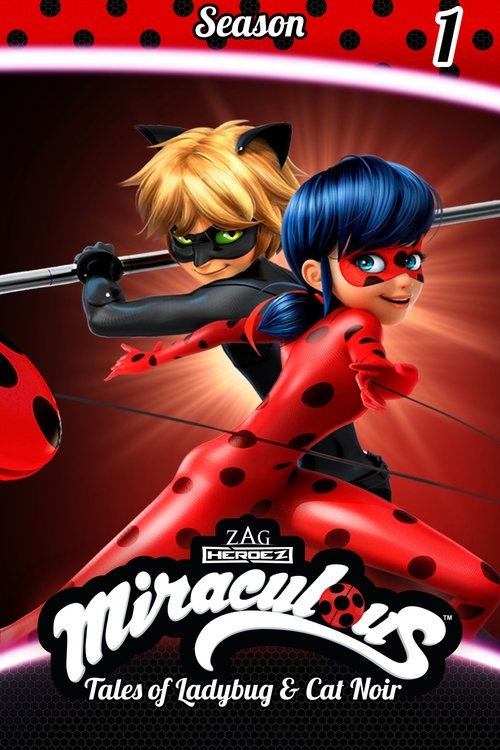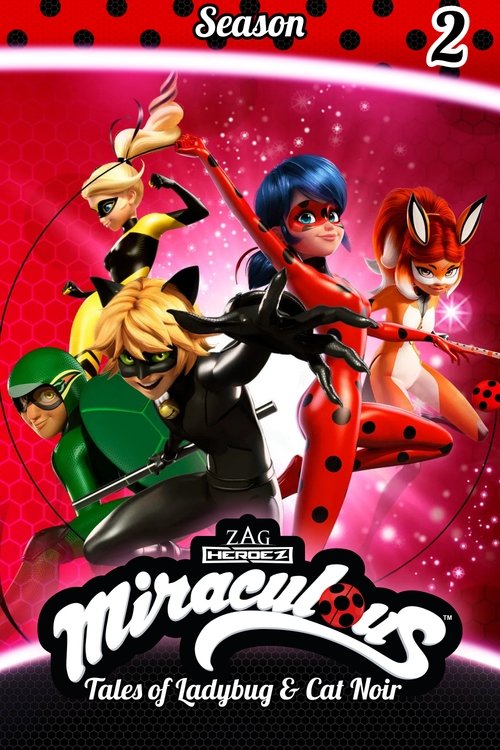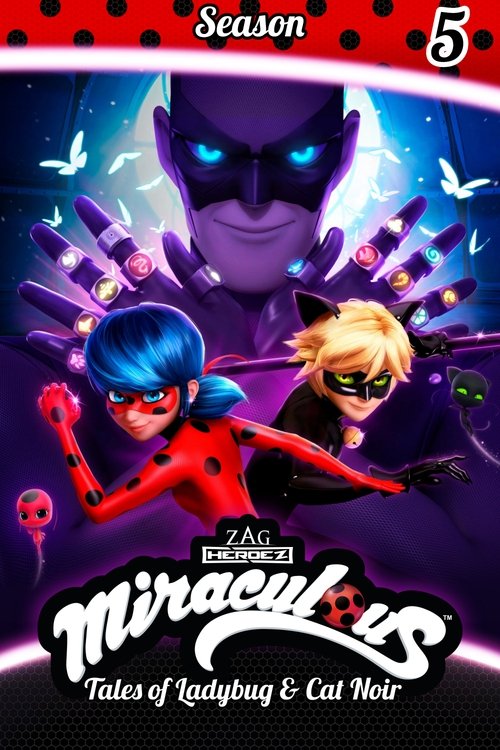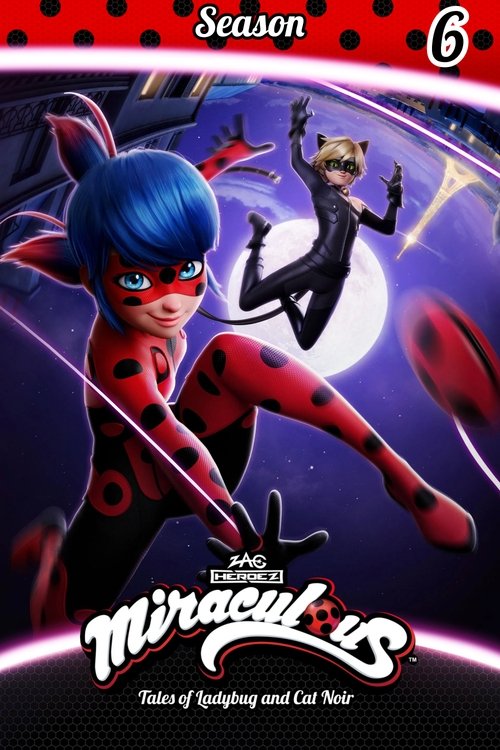
If you’ve been paying attention to the animation landscape over the past decade, you’ve likely noticed Miraculous: Tales of Ladybug & Cat Noir carving out a genuinely unique space in children’s television. When it premiered in October 2015, the show arrived with a premise that seemed straightforward enough on the surface: a teenage girl discovers she can transform into a superhero to protect Paris from magical threats. But what Thomas Astruc and Jérémy Zag created was something far more ambitious—a serialized narrative that respected its young audience’s intelligence while weaving together intricate mythology, genuine character development, and a romantic tension that would become the beating heart of the entire series.
The show’s endurance speaks volumes. Across six seasons and 155 episodes, Miraculous maintained an impressive 8.0/10 rating, with later seasons even climbing higher—Season 6 hitting 8.2/10—which is remarkable for a children’s animated series. That consistency isn’t accidental. It’s the result of creators who understood that their core demographic of kids and teens wanted serialized storytelling with real stakes, character arcs that paid off, and narratives that treated their emotional investments seriously. The variable runtime format allowed the creative team flexibility in how they structured episodes, letting certain pivotal moments breathe when needed while maintaining pacing elsewhere.
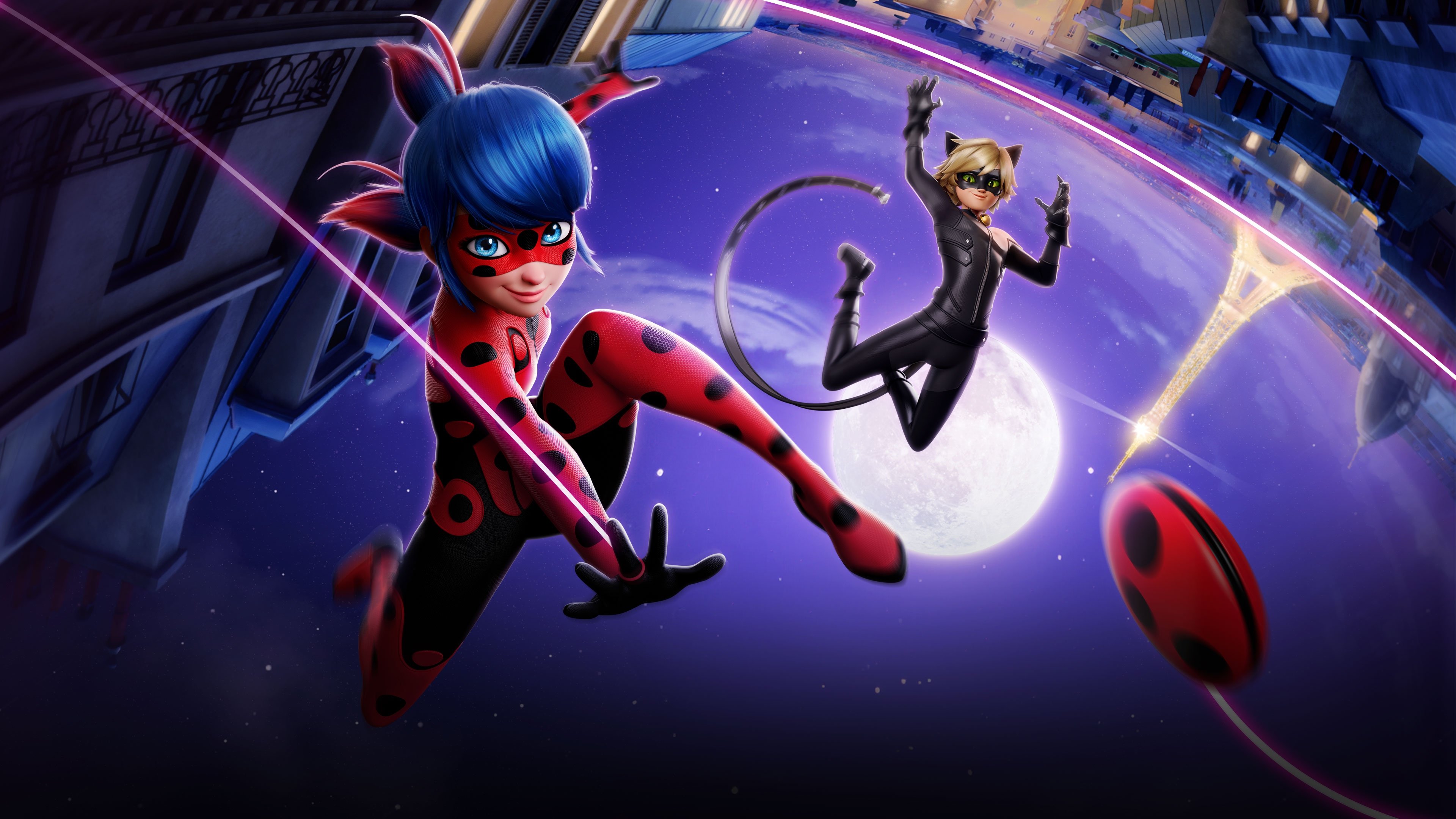
What truly sets Miraculous apart in the crowded superhero animation space is its double-identity framework that goes beyond the typical masked hero trope. At its core, the show is about Marinette Dupain-Cheng’s struggle to balance being an ordinary teenager with the extraordinary responsibility of being Ladybug, while simultaneously developing feelings for Adrien—who, unbeknownst to her, is Cat Noir, her superhero partner. This dramatic irony creates a rich thematic foundation that allows the show to explore identity, vulnerability, trust, and the masks we wear both literally and figuratively.
> The show understood something crucial: that the greatest tension in a superhero story isn’t always about fighting villains. Sometimes it’s about two people who care deeply for each other, standing on opposite sides of a secret, unable to fully connect.
The villain evolution throughout the series demonstrates the show’s sophisticated storytelling approach. Gabriel Agreste’s transformation from seemingly isolated antagonist to Shadow Moth, a manipulative figure controlling an entire network of magical threats, provided escalating stakes that justified the extended narrative. Episodes like the high-rated Shadow Moth confrontations (with some episodes reaching 9.5/10) showed the creators willing to go genuinely dark when the story demanded it, proving that animation for younger audiences doesn’t require dumbing down the stakes or emotional complexity.
Key Elements That Made This Show Resonate:
- The Love Square: The central relationship dynamic between Marinette/Ladybug and Adrien/Cat Noir created endless dramatic possibility, with each character harboring unrequited feelings for different versions of the other
- Magical Worldbuilding: The Miraculous system—powered objects that grant transformation—provided a mythology deep enough to sustain multiple seasons while remaining accessible
- Supporting Cast Development: Characters like Alya, Nino, and eventually the broader miraculous holder team evolved from sidelines into integral narrative players
- Villain Psychology: Rather than one-dimensional bad guys, the show explored how ordinary people become corrupted through emotional vulnerability
The cultural footprint of Miraculous extends well beyond typical children’s show territory. Fan communities built elaborate theories about plot developments, the will-they-won’t-they of Marinette and Adrien became genuine water cooler conversation, and the show’s romantic arc became increasingly central to its identity. Episodes dealing with Valentine’s Day and love became natural focal points for fan engagement, turning episodes like the Dark Cupid storyline into cultural moments that demonstrated how animation could handle romance narratives with genuine emotional weight.
Streaming availability across Netflix, Disney Plus, fuboTV, and YouTube TV reflected the show’s mainstream success—it wasn’t relegated to niche audiences but positioned as a flagship property worth major distribution investment. This accessibility meant that Miraculous could build audiences globally, creating an international fandom that discussed episodes across time zones and languages.
What’s particularly impressive is how the show maintained quality across its extensive run. Many animated series struggle with consistency over 150+ episodes, but the Season ratings progression—starting at 7.5 in Season 1, stabilizing in the 7.9-8.2 range through subsequent seasons—shows that the creative team either found its footing quickly or kept refining its approach. The fact that later seasons actually improved in viewer ratings suggests that the narrative payoffs fans had been waiting for were landing effectively.
The creative decision to keep runtimes flexible (rather than locked into standard 22-minute or 44-minute formats) allowed Miraculous to tell stories at their natural pace. This flexibility, combined with a serialized approach in an era when many children’s shows still relied on episodic narratives, positioned the series ahead of industry trends. Astruc and Zag recognized that their audience wanted to invest in ongoing storylines, character development that mattered, and resolutions that required patience across seasons.
Looking at Miraculous now, as it maintains its Returning Series status and continues to evolve, it’s clear the show achieved something television rarely manages: it created a property that satisfied both casual viewers seeking entertaining superhero action and dedicated fans who engaged deeply with its mythology and romance. In a landscape cluttered with competing animated properties, that’s a remarkable achievement—one that earns its place in television history through sheer storytelling persistence and genuine respect for its audience.