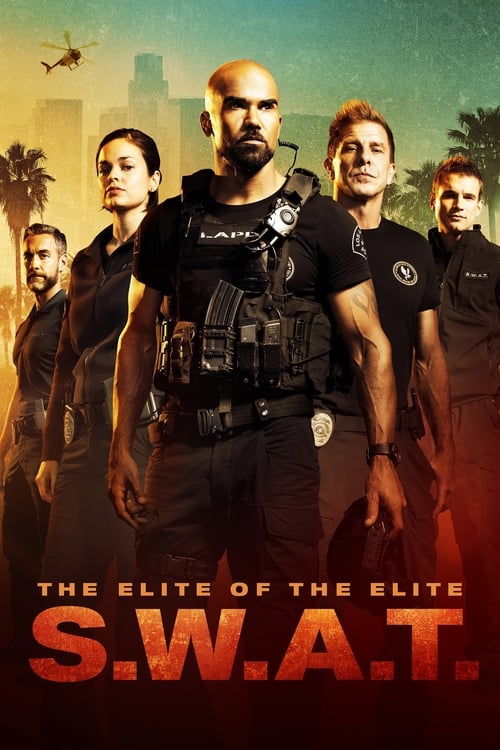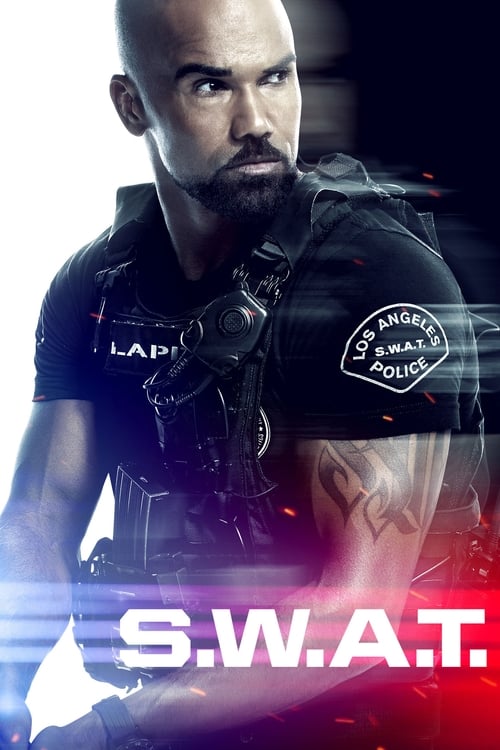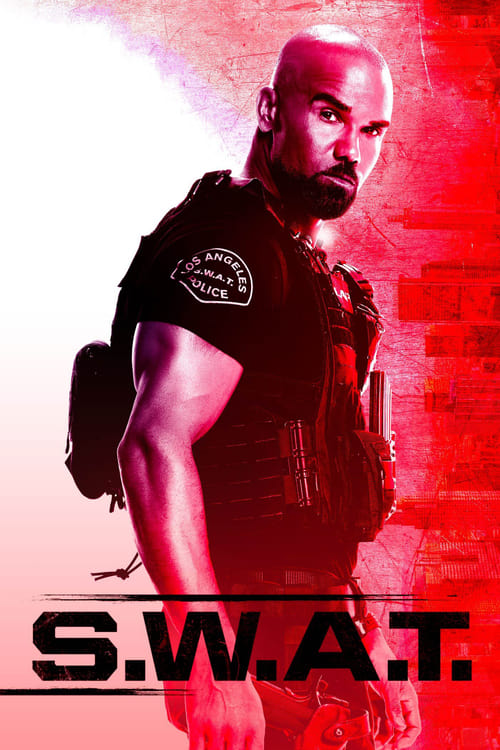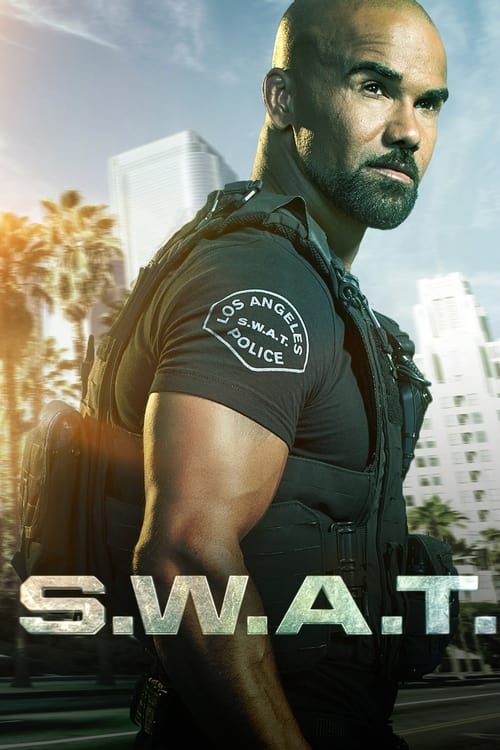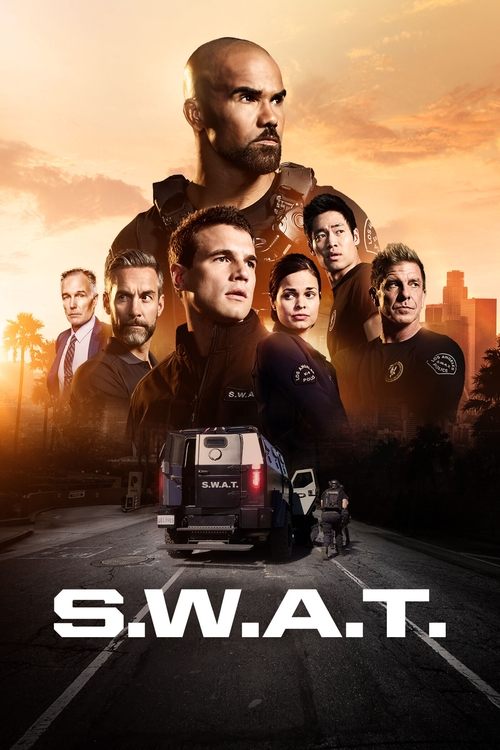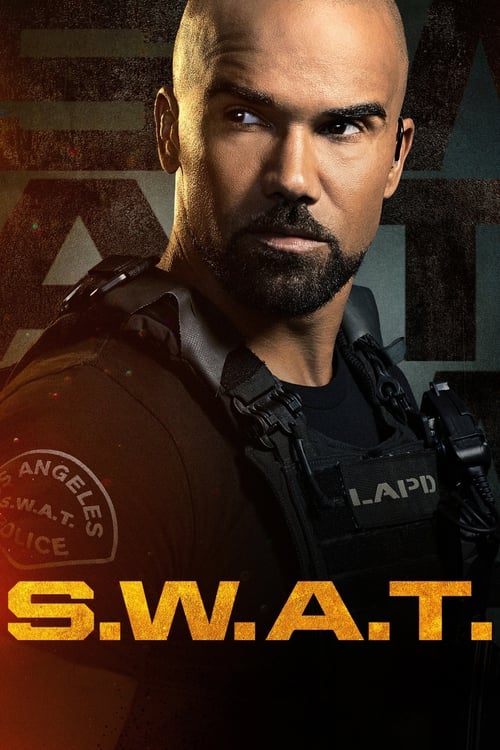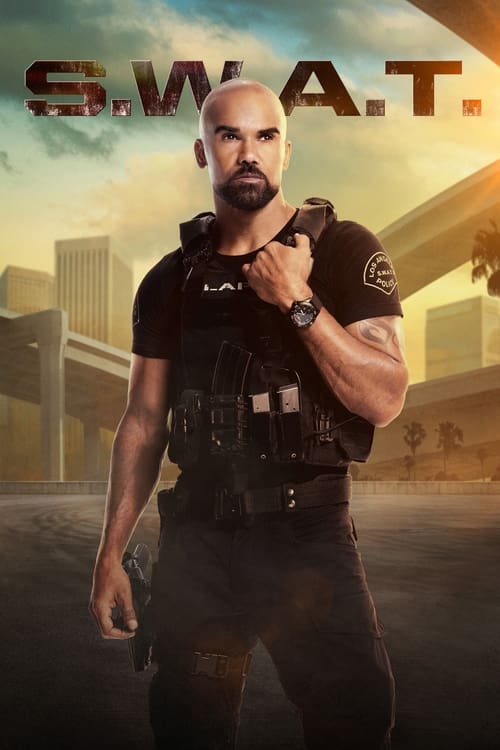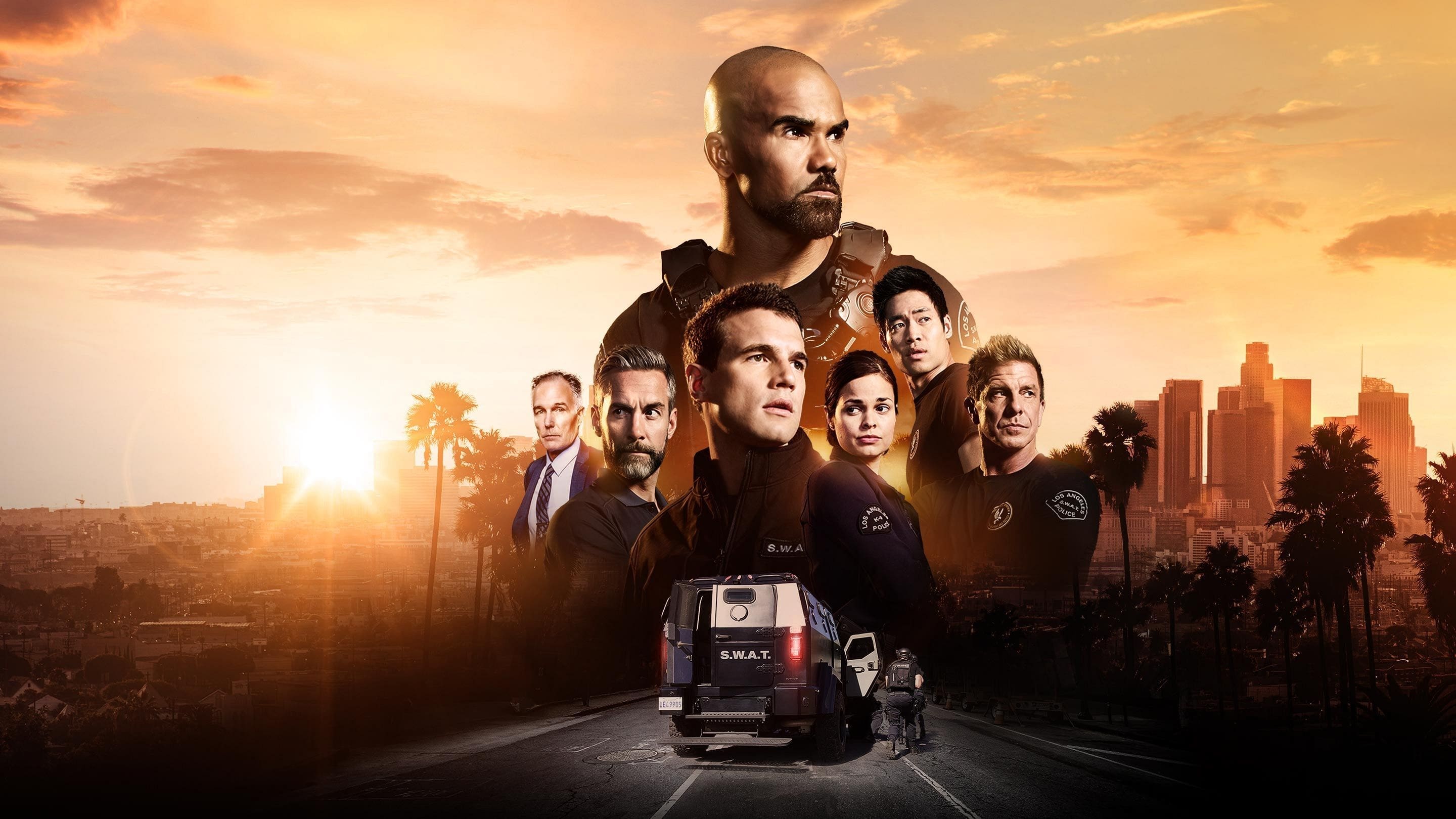
When S.W.A.T. premiered on CBS back in November 2017, it arrived as something we didn’t necessarily expect to stick around for eight full seasons. What started as another procedural police drama evolved into something far more nuanced—a show that understood how to balance explosive action sequences with genuinely human storytelling. The series earned a solid 8.1/10 rating across its 163-episode run, and those numbers tell only part of the story. What really matters is how this show managed to stay relevant through eight years of cultural shifts, network upheaval, and the kind of industry pressures that typically tank ambitious dramas before they find their footing.
At its core, S.W.A.T. was built on a premise that could have been hollow in less capable hands. Created by Aaron Rahsaan Thomas and Shawn Ryan, the show centered on Sergeant Daniel “Hondo” Harrelson, a locally born and bred SWAT sergeant caught between two worlds—loyalty to the streets where he came from and duty to his fellow officers in the tactical unit. This central conflict became the emotional spine that elevated what could have been just another procedural into something genuinely compelling. The premise demanded that the show engage with issues of community, policing, systemic inequality, and personal identity. Rather than shy away from these conversations, Thomas and Ryan leaned directly into them.
The creative decision to ground the series in this tension between duty and origin was crucial. It meant that every case-of-the-week didn’t exist in a vacuum. The tactical operations that formed the backbone of the show—the reason audiences tuned in for those adrenaline-pumping action sequences—always connected back to deeper questions about the role of law enforcement in communities, the price of straddling different worlds, and what loyalty actually means when those two identities collide.
Why the show endured where so many didn’t:
- Its willingness to make its hero morally complex rather than heroically straightforward
- Strong ensemble cast work that gave screen time to character development alongside procedural action
- Commitment to serialized storytelling within a procedural framework—cases mattered, but so did ongoing character arcs
- Cultural conversations about policing that felt earned rather than performative
- Consistent quality across seasons despite network pressures and scheduling challenges
The ratings trajectory across the eight seasons tells an interesting story. Season 1 started strong at 7.4, climbed through Seasons 2 and 3 (both landing at 7.7), and maintained respectable numbers even when they dipped slightly. The show never collapsed in quality the way so many extended dramas do. Instead, it fluctuated naturally—Season 7 actually climbed back to 7.8, suggesting the show had found a rhythm that worked. This consistency across 163 episodes is remarkable when you consider how difficult it is to maintain creative freshness over nearly a decade.
What made S.W.A.T. genuinely stand out in the crowded procedural landscape was its refusal to treat its supporting characters as mere background players. The SWAT team itself became a found family unit, and the show invested genuine time in exploring the personal lives, struggles, and growth of each team member. This ensemble approach meant that episodes could focus on different characters, different perspectives, and different emotional stakes while maintaining overall quality and viewer investment.
> The show understood that modern audiences wanted action and procedure, yes, but they also wanted to see themselves reflected in complex characters navigating a complicated world.
The cancellation saga in 2023 became something of a cautionary tale about network decision-making. CBS cancelled the show after six seasons, then reversed course and renewed it for what was announced as a seventh and final season. That kind of uncertainty would tank most shows, but S.W.A.T. managed to deliver Season 7 (which averaged 6.17 million viewers during the 2023-24 season, ranking #29) and even extended to an eighth season before finally concluding. The show’s resilience through this chaos speaks to both the dedication of its remaining audience and the structural quality that kept it watchable even under stressful circumstances.
The availability across multiple platforms—Netflix, fuboTV, YouTube TV, Philo, and Netflix Standard with Ads—suggests the show found a secondary life in streaming. This distribution model helped keep S.W.A.T. relevant to viewers who might have missed it during its initial CBS run, introducing new audiences to Hondo and his team years after the premiere. For a show that started in 2017, that kind of platform flexibility became essential to building and maintaining a dedicated fanbase.
What Aaron Rahsaan Thomas and Shawn Ryan created wasn’t revolutionary in its form—it was still a police procedural, still relied on tactical operations and case resolutions. But in its substance, in its commitment to character complexity and cultural honesty, the show pushed against the boundaries of what procedurals typically offer. It proved that you could deliver exciting action, satisfying crime-solving narratives, and genuine emotional depth in the same package. That’s why audiences kept showing up, and why S.W.A.T. managed to sustain itself for eight seasons in an industry where longevity is increasingly rare. The show’s real legacy isn’t just that it lasted—it’s that it remained creatively engaged throughout, giving viewers reasons to care that went far beyond “what’s the crime this week?”