When Primal premiered on Adult Swim back in October 2019, few could have predicted that a show built almost entirely on visceral action and primal emotion—with barely a word of dialogue spoken—would become one of the most acclaimed animated series of the decade. Yet here we are, three seasons and 27 episodes later, with an 8.6/10 rating and a 100% Fresh score on Rotten Tomatoes that feels almost too good to be true. Genndy Tartakovsky didn’t just create a show; he crafted a masterclass in visual storytelling that proved sometimes the most powerful narratives are the ones that trust their audience enough to say almost nothing at all.
What makes Primal truly revolutionary is how it weaponized its constraints into strengths. The 23-minute runtime, rather than feeling cramped, became the perfect vessel for Tartakovsky’s maximalist approach to action and emotion. Every frame counts. Every gesture, every growl, every reaction shot carries weight because there’s no exposition to fall back on. The absence of traditional dialogue forces the animation itself—the movement, the staging, the color palette—to do the heavy lifting of character development and plot advancement. It’s a bold creative choice that could have easily failed, but instead it became the show’s defining signature.
> The show proved that animation could operate in a space entirely its own—not beholden to the conventions of live-action, not trying to tell Marvel-style quippy action sequences, but instead reaching back into something more primal (pun intended) about human connection and survival.
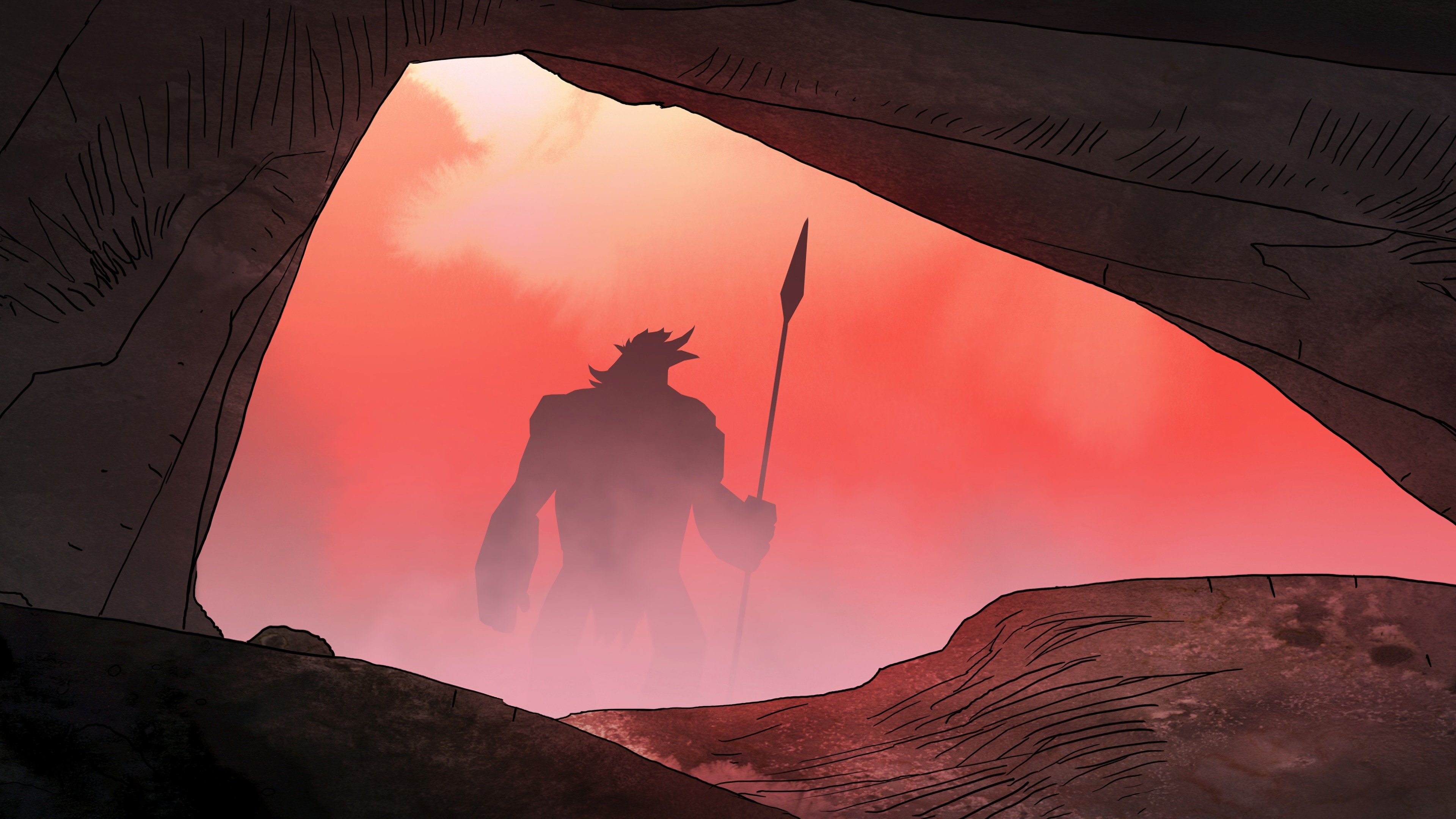
The premise itself is deceptively simple: a caveman and a dinosaur form an unlikely bond in a prehistoric world filled with danger, mystery, and stunning visual storytelling. But that simplicity is where the genius lies. Without dialogue to explain motivations or world-build through exposition, Tartakovsky had to show us everything through action sequences that are genuinely among the most impressive animation work produced in recent memory. The fight choreography, the creature design, the environmental storytelling—it all combines to create something that feels both ancient and urgently modern.
What’s particularly striking is how the show evolved across its three-season run:
- Season 1 (8.7/10) established the core relationship and world with an almost mythic quality, focusing on survival and companionship
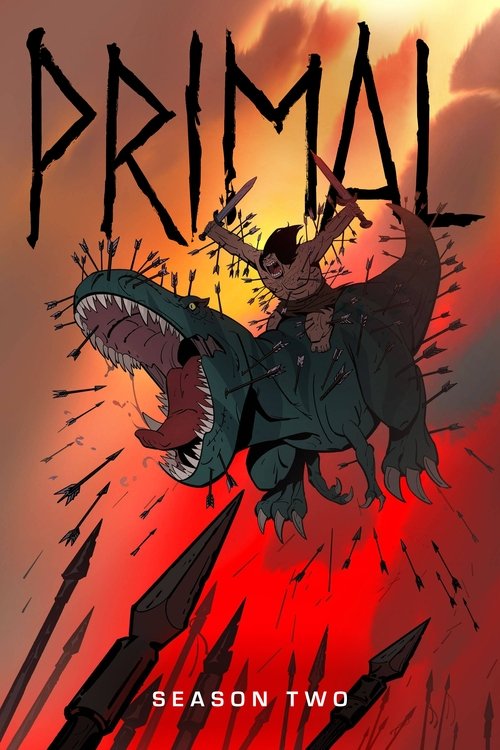
- Season 2 (8.6/10) expanded the scope, introducing more complex antagonists and exploring themes of loss, legacy, and civilization
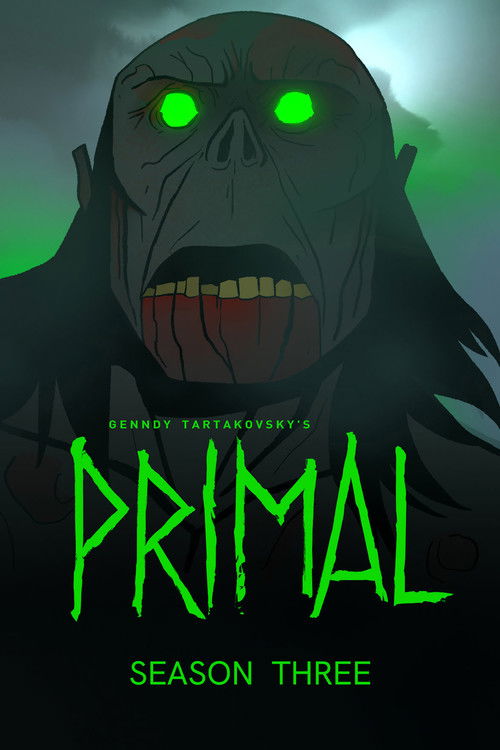
- Season 3 (8.3/10) deepened the emotional complexity while maintaining the visual spectacle audiences had come to expect
The slight rating dip in Season 3 is fascinating to discuss—it suggests that as the show evolved into more narratively complex territory, some viewers perhaps craved more of that pure, stripped-down survival storytelling from earlier seasons. Yet the fact that all three seasons maintain ratings above 8.3 speaks to the unwavering quality Tartakovsky maintained throughout.
The cultural footprint of Primal extends far beyond typical animation discourse. This show sparked genuine conversations about what television animation could be when freed from laugh-track obligations, soap opera plotting, or the need to appeal to the broadest possible demographic. It reminded critics and audiences alike that animation isn’t a format—it’s a medium with unlimited potential for artistic expression. Every frame is a painting, every action sequence a ballet of violence and desperation. The show became a reference point in arguments about artistic ambition in animation, proof positive that Adult Swim’s willingness to take creative risks could yield genuine masterpieces.
Tartakovsky’s vision here feels like the culmination of everything he learned across his career—from Dexter’s Laboratory to Samurai Jack to Sym-Bionic Titan. With Primal, he finally had the freedom and the format to create something entirely his own. The show’s minimalist approach to narrative became its most effective tool for emotional storytelling. When the caveman cradles his fallen companion, when dinosaurs display intelligence and tenderness, when the animation captures a moment of genuine pathos—it lands because we’ve earned that moment through shared experience, not through exposition.
The streaming landscape also played a crucial role in Primal‘s success. Available across HBO Max, YouTube TV, Adult Swim, and various other platforms, the show found audiences across multiple demographics and viewing habits. This wasn’t a show confined to cable schedules; it could be discovered and binge-watched, discussed on social media, and built a passionate fanbase through word-of-mouth. The accessibility paradoxically complemented the show’s inaccessibility—here was a genuinely challenging piece of television animation that was simultaneously easy to recommend and easy to watch.
What truly separates Primal from its peers is its refusal to compromise its artistic vision for broader appeal. In an industry obsessed with franchises and IP, with shows desperately trying to go viral through memes and pop culture references, Primal stood apart—ancient, brutal, and completely uninterested in winning you over with cleverness. It won you over by making you feel something visceral and real.
The returning series status signals that Tartakovsky and Adult Swim aren’t done exploring this world, and honestly, that’s exciting. Because even after three seasons, Primal feels like it’s only scratched the surface of what it could explore. The fact that audiences keep showing up, that critics keep celebrating it, that it maintains such consistently high ratings across multiple seasons—that’s the mark of something genuinely special in the television landscape.