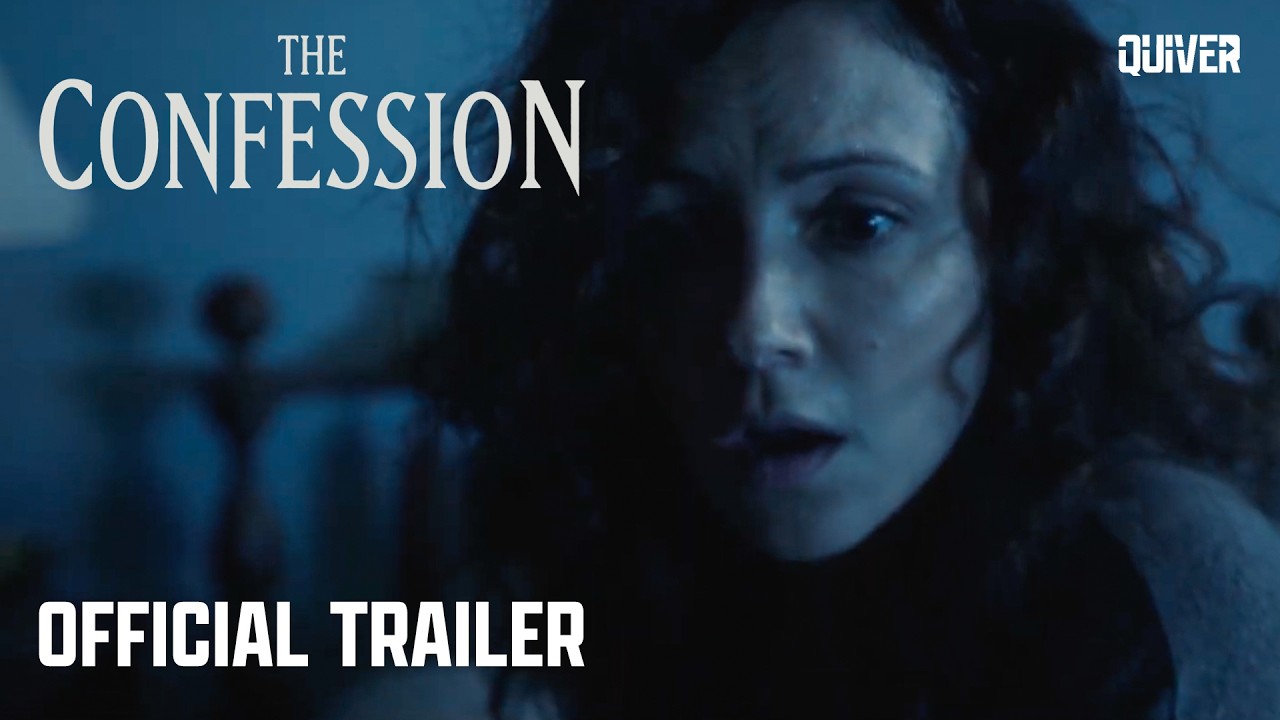
When Will Canon’s The Confession arrived in January 2026, it came quietly—a lean 87 minutes-minute horror film from independent studios Three Folks Pictures and Five by Five that seemed designed to slip past the cultural radar. Instead, it became something more interesting: a film that asks uncomfortable questions about inherited trauma and generational darkness, wrapped in a premise that feels urgently contemporary even if the execution doesn’t always stick the landing.
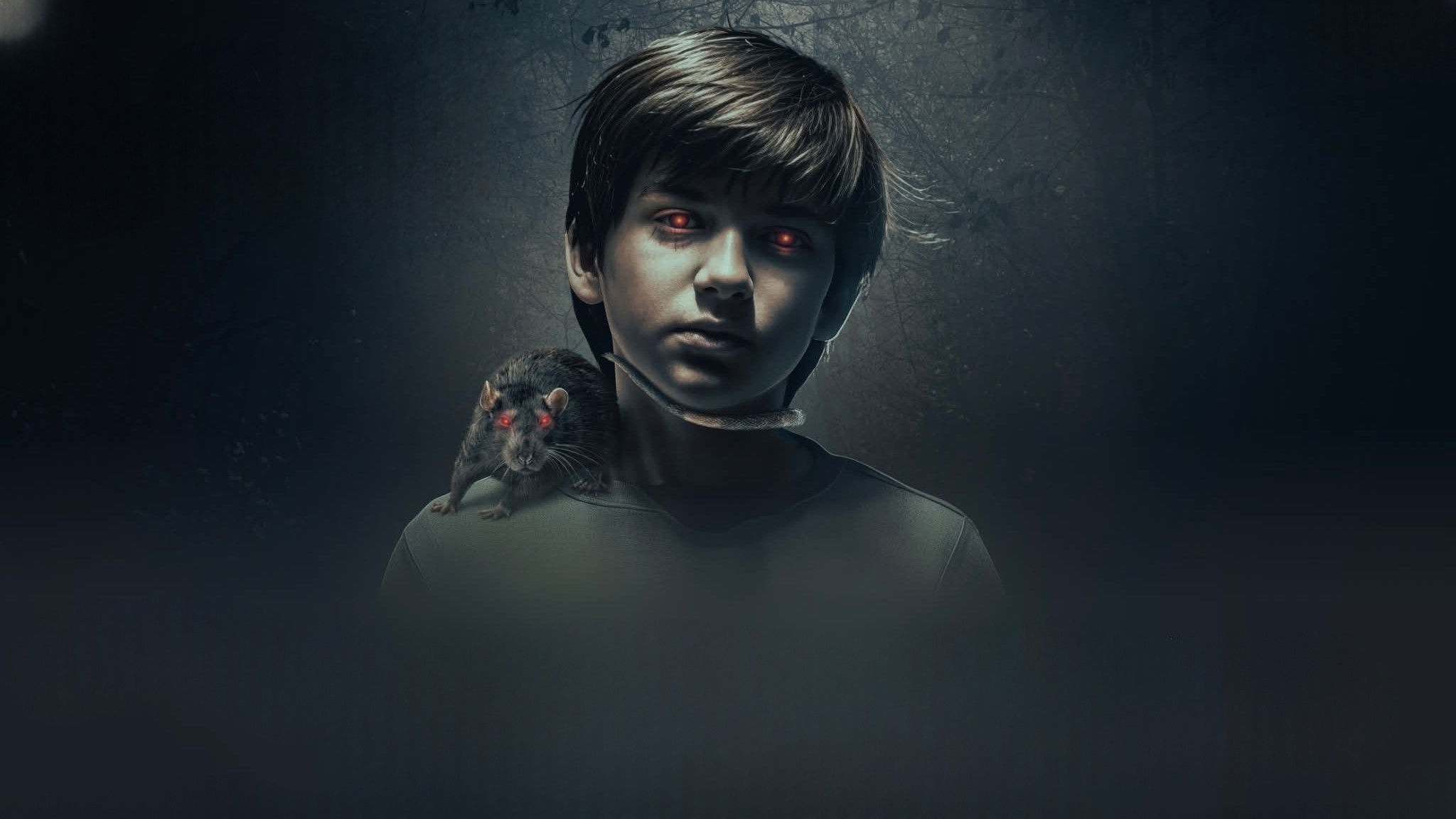
The setup is deceptively simple. A woman discovers her late father’s confession on tape—he murdered someone, and he recorded this admission as a way to protect himself from an evil force. Now her own son is exhibiting disturbing behavior that mirrors his grandfather’s darkness. The core tension isn’t really about ghosts or supernatural possession in the traditional sense. It’s about whether evil can be passed down like genetics, and whether knowing the truth about your family’s sins actually helps you fight them or just accelerates the curse.
This is genuinely compelling thematic material, and it’s what keeps The Confession from being just another DTV horror piece. Canon understood that the scariest thing isn’t a jump scare or a demon—it’s the fear that you might become someone you despise. That you might carry your parent’s worst impulses in your DNA like a recessive gene waiting to activate.
What Canon brought to the project:
- A willingness to let tension build through conversation rather than constant movement
- Staging that often keeps characters in tight, confined spaces where family conflict feels claustrophobic
- An understanding that the real horror is psychological—watching a mother recognize pieces of her father’s cruelty in her own child
- A visual language that’s deliberately subdued, almost drained of color in places
Italia Ricci carries the film as the mother fighting against this inheritance. She’s not given much to work with in terms of dialogue—the script is lean, sometimes to a fault—but she communicates dread through body language and hesitation. There’s a scene where she listens to her father’s tape for the first time, and Ricci just sits there, occasionally closing her eyes as if she’s trying to unsee something she’s already processed. Scott Mechlowicz and Zachary Golinger round out the core family dynamic, and the interplay between them has an authenticity that keeps the premise from becoming ridiculous.
Where the film struggles:
The 5.2/10 rating from 17 votes reflects what many viewers probably felt: there’s an interesting idea here that doesn’t always translate into satisfying cinema. The pacing drags in places where it should accelerate. Some plot developments feel undercooked, like the film is suggesting connections without fully exploring them. The ending, particularly, divides viewers—some find it boldly ambiguous, others think it just stops without committing to anything.
There’s also the matter of what “the evil force” actually is. Canon leaves this deliberately vague, which is either a strength or a weakness depending on your tolerance for ambiguity. Some viewers walked out feeling philosophically challenged. Others walked out feeling like the film had wasted their time by not answering basic questions about its own mythology.
Cultural resonance and legacy:
Despite modest box office performance—exact figures remain limited—The Confession found an audience among horror fans interested in character-driven narratives. It arrived at a cultural moment when conversations about intergenerational trauma, inherited patterns, and family secrets had moved from psychology textbooks into mainstream consciousness. The film is rough around the edges, but it’s asking questions that matter.
What’s worth noting is that The Confession doesn’t try to provide easy answers. It doesn’t suggest therapy will fix this, or that love conquers all, or that understanding your parents’ sins breaks their hold on you. Sometimes knowing the truth just gives you more information about how helpless you are. That’s bleak, but it’s honest in a way a lot of mainstream horror isn’t willing to be.
The film’s modest scope—low budget, limited release—actually works in its favor over time. It’s the kind of movie that gets rediscovered on streaming platforms a few years later, where audiences looking for something genuine find it and respond. Word-of-mouth on horror forums still builds slowly for films like this, particularly when critics and casual viewers have enough distance to appreciate what they’re actually watching.
Canon has continued directing since, but The Confession remains a small, strange gem—proof that you don’t need a massive budget or star power to make horror that lingers. Sometimes you just need a premise that troubles you and actors willing to live in uncomfortable moments without trying to make them comfortable for the audience.