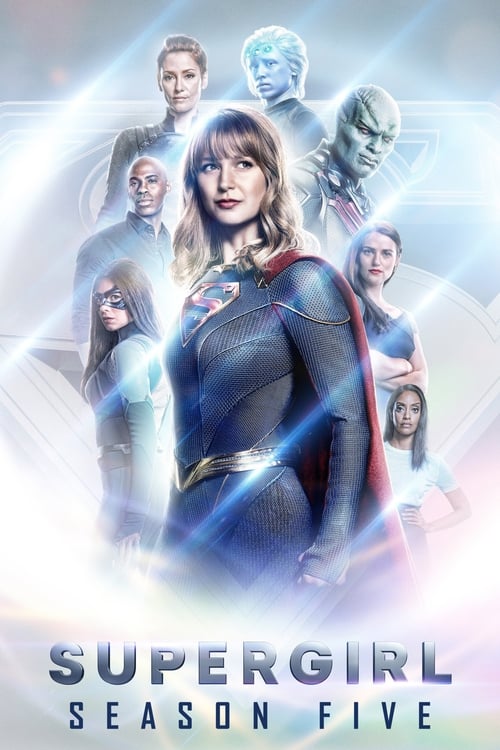
When Supergirl premiered in October 2015, the superhero television landscape was already crowded. The Arrowverse was humming along, Marvel had dominated streaming, and networks were throwing countless costumed heroes at audiences hoping something would stick. What made this show different wasn’t just that it centered a female superhero—it was how thoroughly it understood that the story of Kara Zor-El needed to be about identity, belonging, and finding your place in the world, not just about the powers themselves.
Created by Greg Berlanti, Andrew Kreisberg, and Ali Adler, Supergirl took a premise that could have been shallow—Superman’s cousin hides her abilities until she’s forced to reveal them—and turned it into something genuinely moving. The show recognized that Kara’s journey wasn’t about proving she was strong enough to be a hero. It was about learning to accept herself after spending years ashamed of what made her different. That emotional core is what separated Supergirl from typical superhero fare.
The first season hit audiences with something they didn’t expect from a show on CBS. Yes, it had the action and sci-fi spectacle you’d want from a comic book adaptation. But it also had humor, genuine warmth, and characters you actually cared about. Kara’s relationship with her adoptive sister Alex wasn’t just a subplot—it was the heart of the entire series. The Danvers family felt real in a way that made the fantastical elements land harder.
> The show understood that the story needed to be about identity and belonging, not just about the powers.
Over six seasons and 126 episodes, Supergirl told a remarkably consistent story while still taking significant creative risks. The series earned a 7.3/10 rating from 4,324 votes, which reflects something interesting: the show divided audiences, but it never divided them because it was mediocre. People had strong reactions to it because it was genuinely trying to say something.
The show’s cultural significance goes beyond typical superhero storytelling. It gave mainstream television a lesbian love story that wasn’t treated as secondary or controversial—it was central to the narrative and beautiful. Alex and Maggie’s relationship, and later Alex and Kelly’s, became meaningful to audiences in ways that typical network television rarely achieves. That wasn’t accidental. The creators made a choice to prioritize these characters and relationships, and it resonated.
The 42-minute episode structure kept the pacing tight across all six seasons. That format meant stories had to move, character beats had to land quickly, and there wasn’t room for filler. It’s a constraint that actually strengthened the writing. When you have limited time, every scene matters more. Every conversation between characters had to earn its place.
What really kept people watching wasn’t just the spectacle of Superman’s cousin flying around National City. It was:
- Kara’s struggle with her Kryptonian heritage while trying to build a human identity
- The Danvers family dynamic, which felt earned and genuine across six seasons
- The show’s willingness to grow its characters, particularly Alex, whose arc from supporting player to fully realized protagonist was quietly excellent
- Relationships that contradicted superhero television conventions, like the openness with which LGBTQ+ characters and stories were treated
- Political relevance that felt natural rather than preachy, exploring what it means to be an immigrant, an outsider, and someone with power in uncertain times
The show moved networks from CBS to The CW after its first season—a shift that could have derailed it but instead seemed to liberate it creatively. On The CW, surrounded by other Arrowverse shows, Supergirl found a new audience and gained the freedom to take bigger swings. The crossover events with The Flash, Arrow, and Legends of Tomorrow became cultural moments for a certain segment of television fans.
By the time Supergirl concluded, it had proven something important: a show centered on a female superhero with strong female relationships and queer representation could sustain itself for six years, build a loyal fanbase, and actually have things to say about identity and power. That’s not a small thing. That’s a show that mattered to the people watching it, even if critical reception varied.
The series is now Ended, and you can find it on Netflix. Going back to watch it now, knowing how the story ends, there’s something valuable in revisiting a show that was always more interested in who Kara was becoming than in just showing us how hard she could punch. That’s what made Supergirl worth paying attention to then, and it’s what makes it worth revisiting now.