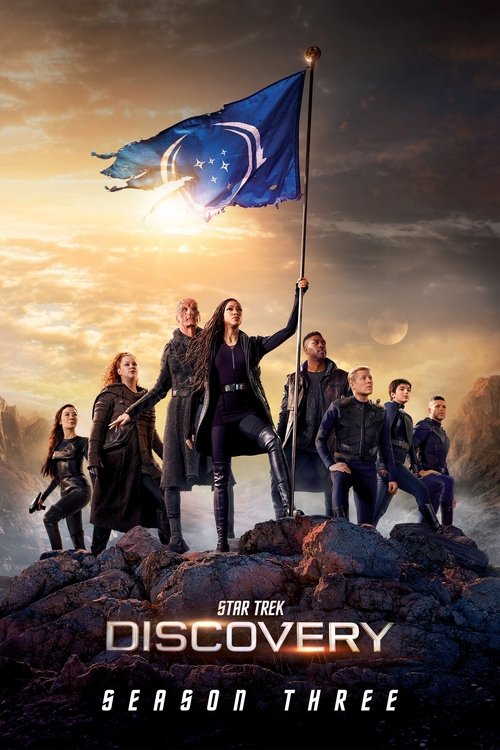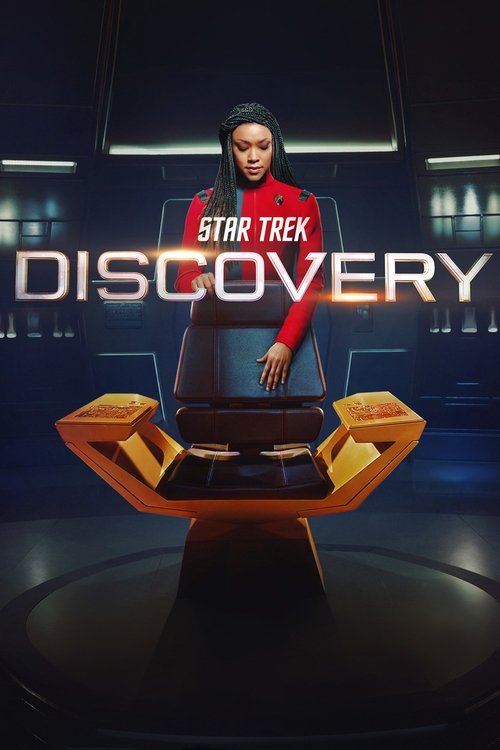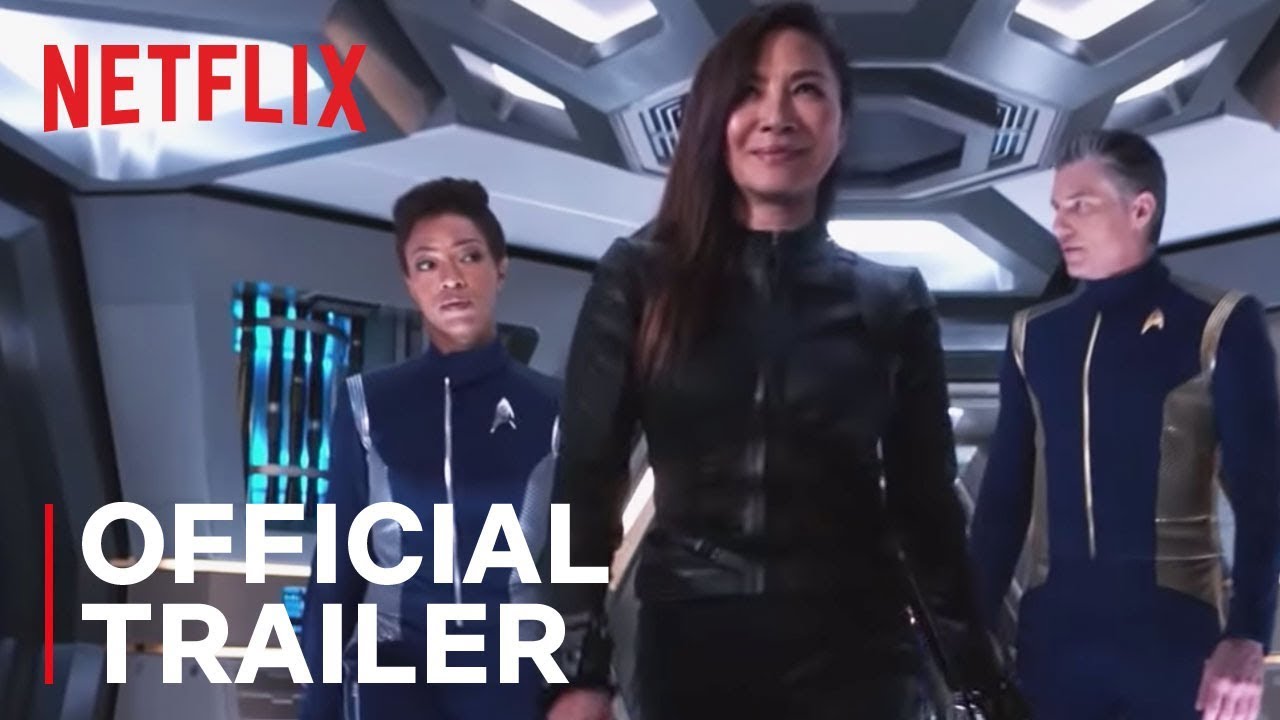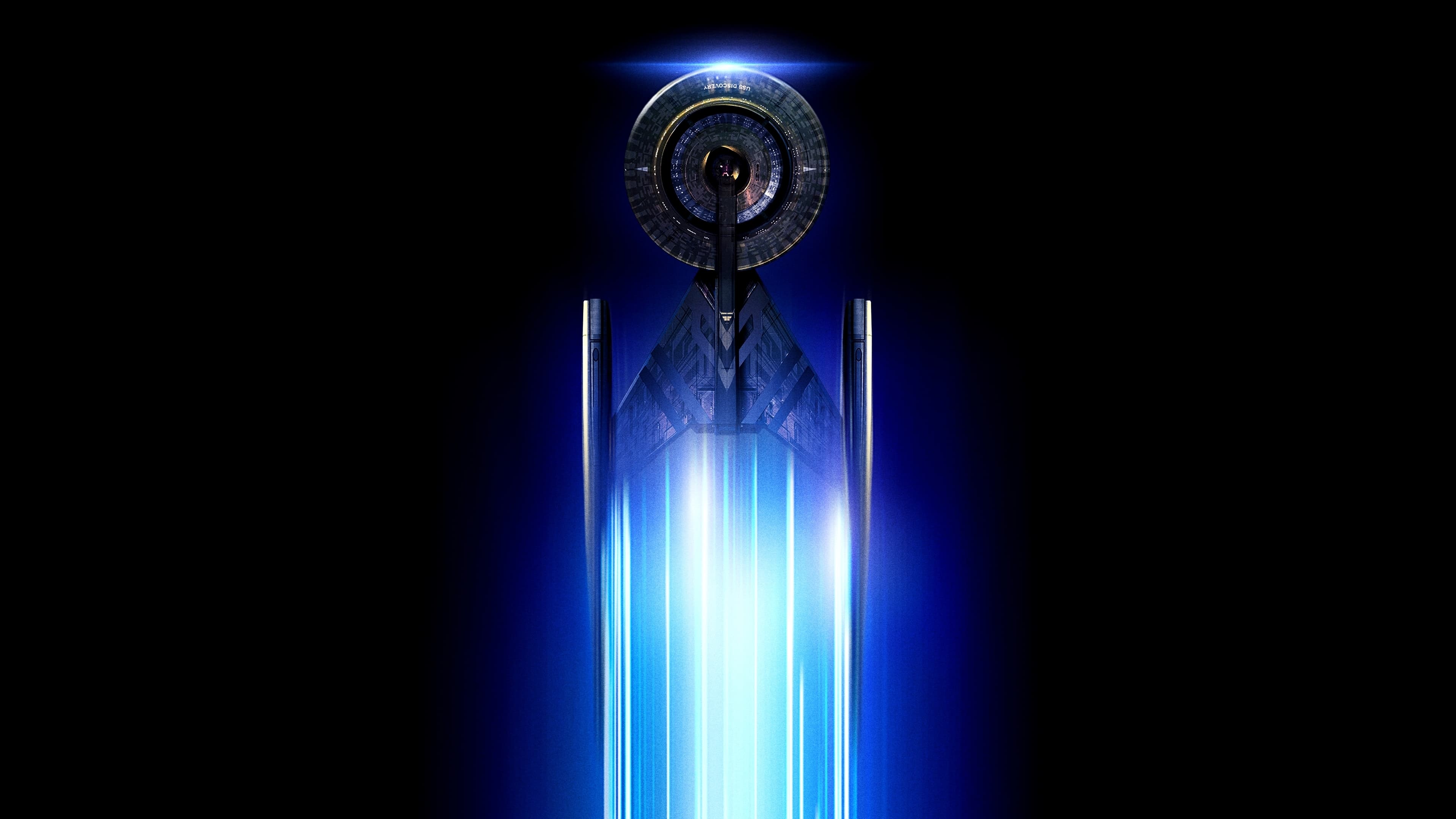
When Star Trek: Discovery premiered in September 2017, it arrived as a show that needed to justify its existence. The franchise had been dormant on television for over a decade, and skepticism ran high. What Bryan Fuller and Alex Kurtzman delivered, though, was something that didn’t just honor the Star Trek legacy—it genuinely expanded what the series could be. Over 5 seasons and 65 episodes, the show earned a 7.0/10 rating that reflects something more interesting than pure consensus: it’s a show that divided audiences while commanding genuine engagement from those who connected with it.
The core premise anchored itself differently than previous Trek entries. Rather than centering on a captain and bridge crew making diplomatic decisions, the show focused on Michael Burnham, a Starfleet officer dealing with her own identity crisis while the galaxy faces existential threats. This inward turn—the idea that understanding yourself might be as important as understanding the cosmos—gave the series permission to dig into character psychology in ways the franchise hadn’t quite attempted before. The synopsis promised both exploration and self-discovery, and that duality became the show’s actual strength, separating it from being another retread of familiar Star Trek territory.
What made Discovery genuinely significant, though, was its willingness to take narrative risks that felt almost reckless for a franchise property:
- Serialized storytelling – Unlike episodic Trek formats, Discovery committed to season-long arcs with real consequences
- Diverse casting and perspectives – The show prioritized representation not as an afterthought but as fundamental to its ensemble
- Tonal shifts – Moving from darker, morally complex stories to more optimistic futures showed the show was willing to evolve
- Time travel and alternate futures – Later seasons pushed the show’s scope in unexpected directions
The cultural conversation around Discovery was rarely lukewarm. The show inspired passionate defense from supporters who saw it pushing the franchise forward, while critics argued it sometimes sacrificed Trek’s philosophical core for melodrama. That tension itself became valuable—the show gave people something worth talking about, debating, and caring enough to criticize.
> The real measure of the show’s impact isn’t whether everyone loved it, but that five seasons later, it still generated conversation and engagement substantial enough to rank on streaming charts years into its run.
By its final season, Discovery had traveled further than almost any Trek series before it. The show started in the prime timeline, jumped to the 32nd century, and fundamentally changed what we understood about the franchise’s future. That kind of storytelling ambition—refusing to play it safe even when ratings might have suggested caution—is exactly what television needs from long-running series. The risk of alienating some viewers is the price of trying something new.
The fifth and final season demonstrated something worth noting: according to streaming data, the episode “Mirrors” became the most-viewed episode in the show’s run, with 285 million minutes streamed. That’s not a sign of a show coasting toward cancellation—that’s evidence of genuine audience investment in how the story would conclude. Whether those viewers were longtime fans or newcomers discovering the series late, the momentum suggested the show had built something that lasted.
- Seasons 1-2 – Established the show’s DNA around Burnham’s arc and the Klingon War
- Seasons 3-4 – Took massive narrative risks with the time jump and control AI storyline
- Season 5 – Brought the series to a definitive conclusion while maintaining quality
The technical aspects mattered too. The show worked without a fixed episode runtime, which gave writers and directors freedom to serve story needs rather than arbitrary time slots. That flexibility allowed for both quiet character moments and elaborate set pieces without feeling forced into commercial breaks or padding for syndication—a genuine advantage of streaming television that Discovery used intelligently.
What Bryan Fuller and Alex Kurtzman created was a Star Trek show for people who needed Star Trek to change. Not everyone agreed that change was necessary, and that’s fair. But the show’s existence proved that the franchise could evolve while maintaining its essential optimism about humanity’s future. Even for viewers who preferred classic Trek’s episodic approach or lighter tone, Discovery’s willingness to explore darker questions and deeper character work opened space for the franchise to expand in multiple directions simultaneously.
The show ended on its own terms after completing its story, which is increasingly rare in television. Five seasons, 65 episodes, and a complete narrative arc from Michael Burnham’s court-martial through her journey to understanding both herself and the galaxy. That’s not a show that overstayed its welcome—it’s a show that knew where it was going and got there.