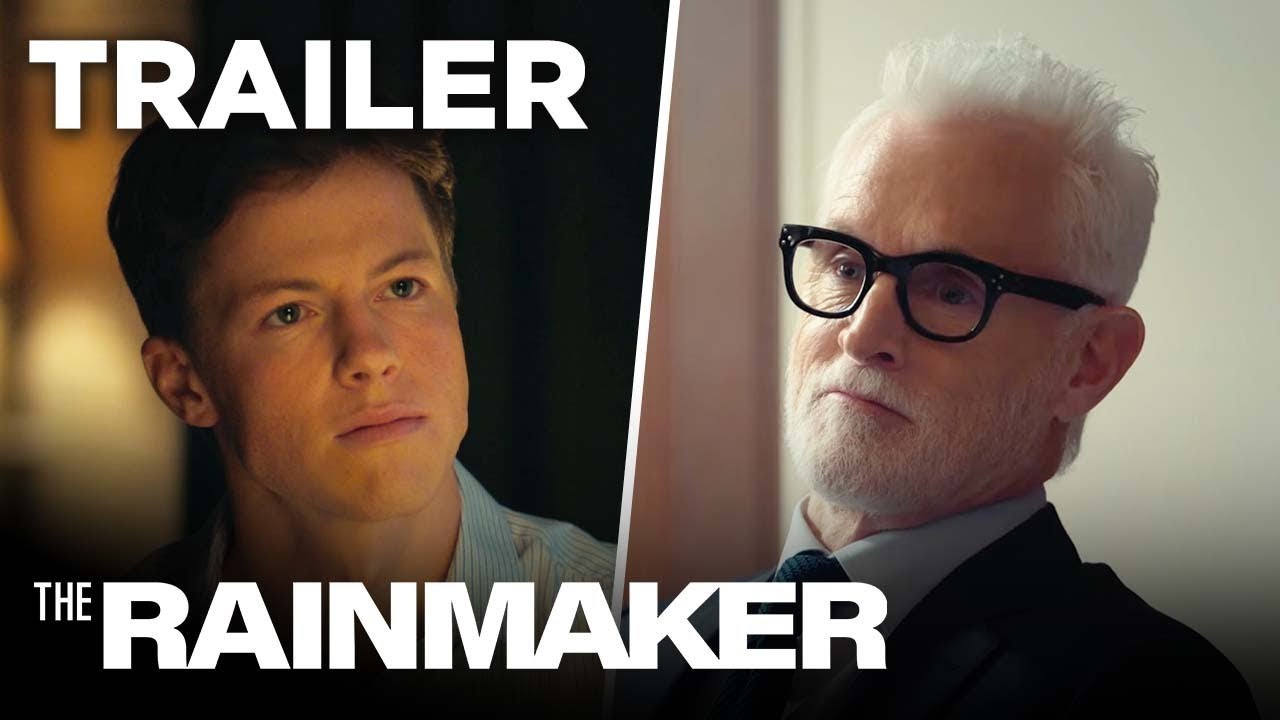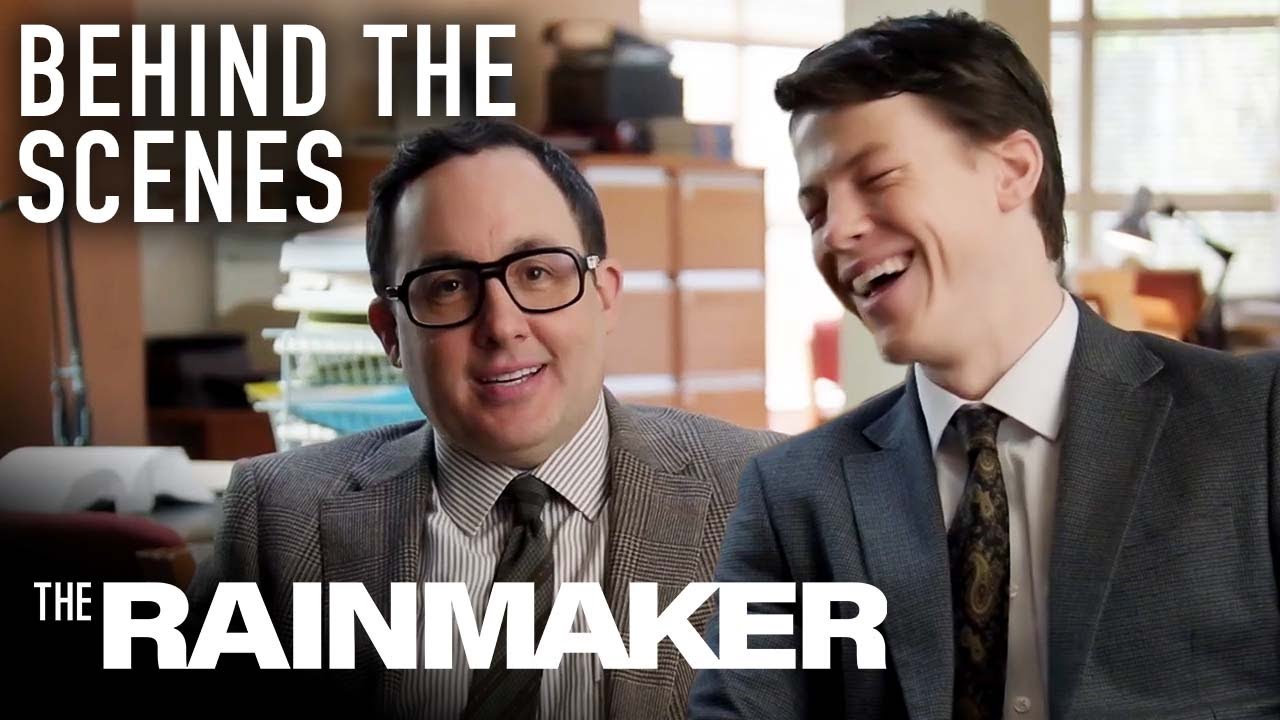
When The Rainmaker premiered on USA Network back in August 2025, it arrived with modest expectations. A legal drama adapted from John Grisham’s novel, following a fresh-out-of-law-school protagonist? The concept felt familiar, even a bit predictable. But what Michael Seitzman and Jason Richman delivered was something that grew far beyond its initial premise—a show that slowly earned genuine investment from viewers willing to stick with it through its growing pains. The 10-episode first season pulled in a respectable 7.4/10 rating from 27 votes, and more importantly, it generated the kind of word-of-mouth that matters: people genuinely wanting to see where this story goes next.
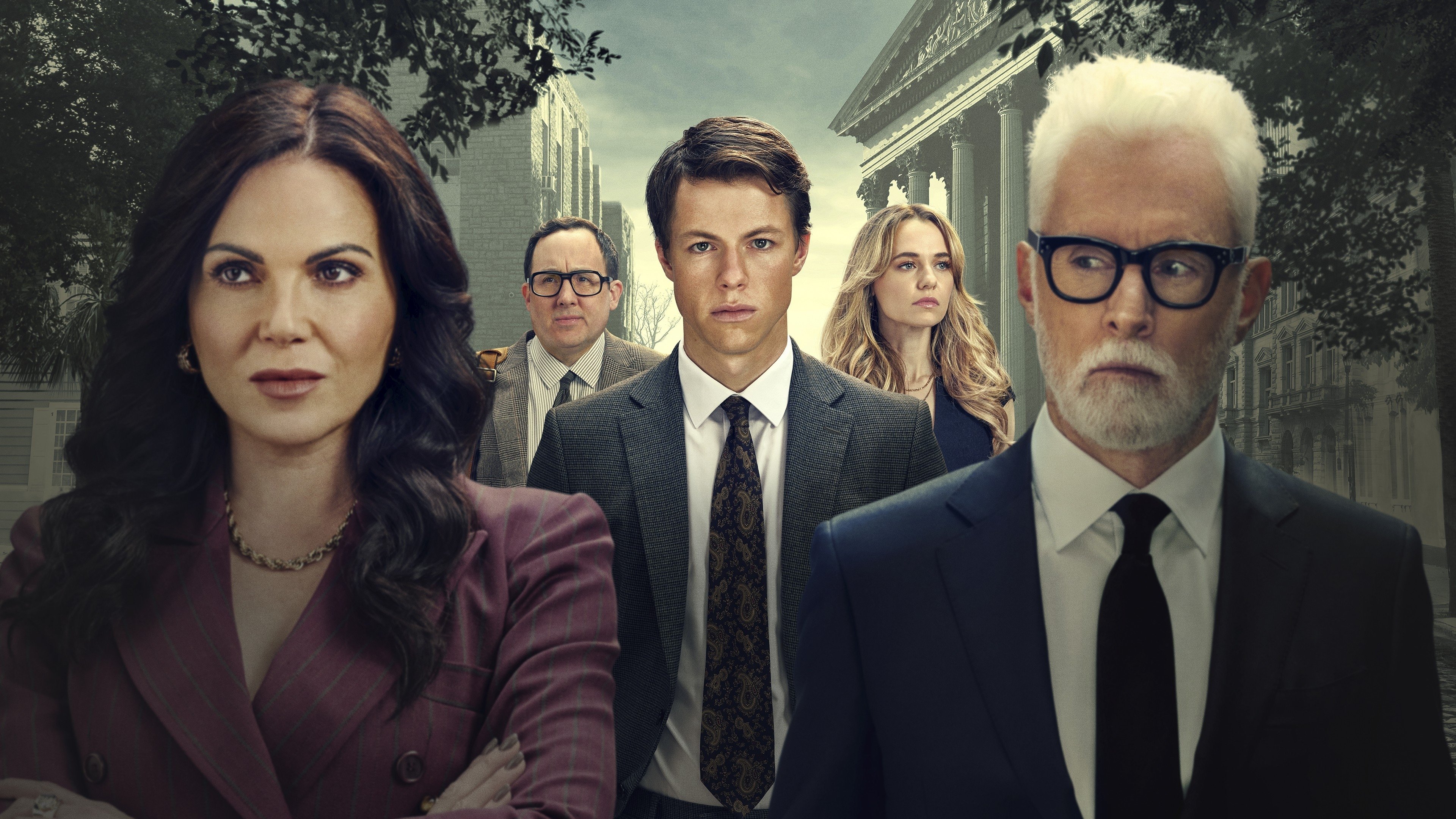
The show’s greatest strength is how it leans into character development rather than relying on procedural shortcuts. Rudy Baylor, played with convincing vulnerability by Milo Callaghan, isn’t the typical TV lawyer protagonist. He’s uncertain, sometimes fumbling, and caught between his idealistic law school self and the harsh reality of actual practice. Paired against Leo F. Drummond—brought to life by John Slattery’s magnetic screen presence—the dynamic becomes less about underdog versus establishment and more about genuinely conflicting perspectives on justice and pragmatism. The addition of Jocelyn “Bruiser” Stone (Lana Parrilla) and the disheveled but clever paralegal Deck creates a ragtag team that feels lived-in and real.
> The early episodes struggle with tonal balance—there are moments of forced comedy and awkward romance beats that don’t quite land—but this actually works in the show’s favor. What initially feels like roughness becomes authenticity. This isn’t a slick procedural; it’s the messy reality of starting a legal career.
The 43-minute episode runtime proves crucial to the storytelling approach. This isn’t a format that allows for padding or unnecessary subplots. Each episode pushes the investigation forward while developing character relationships that matter. By the time viewers reach the midseason point, they’re invested not just in solving the mysteries surrounding the client’s death, but in how these characters handle the moral compromises their work demands.
The dual conspiracies that form the central mystery work better than expected. Rather than unraveling slowly across all ten episodes, the show smartly reveals enough information to keep momentum going while holding genuine surprises. The fifth episode particularly sparked conversation among viewers—one IMDb user noted hitting that midpoint and suddenly realizing the early “silliness” had transformed into something approaching genuine Grisham-quality storytelling. That’s the exact kind of show evolution that builds loyal fanbases.
What’s interesting about the critical response is the disconnect between traditional critics and audience reception. Rotten Tomatoes shows a 50% critical rating based on 22 reviews, suggesting professional critics found more to critique than general audiences did. But the audience score tells a different story—people watching the show discovered something worth their time. This gap between critical skepticism and viewer enthusiasm often indicates a show that defies easy categorization or that critics approach with certain expectations the creators never intended to meet.
The show’s narrative approach also avoids several traps that sink similar legal dramas:
- It doesn’t turn every case into a clean moral victory
- It shows how inexperience has real consequences
- The romantic subplot between Rudy and Sarah (his law school girlfriend) feels genuinely complicated, not just obligatory
- Supporting characters have agency and secrets of their own
The investigation into the conspiracies gains momentum through the season because they’re connected to real stakes for the characters. This isn’t abstract legal maneuvering—it’s personal. The slow burn works because we care about these people enough to follow them through complexity.
The confirmed return for another season validates what that IMDb user pointed out: the show found its footing. The progression from a potentially generic legal adaptation to something with genuine texture and character depth happened organically over ten episodes. That’s harder to pull off than it sounds. Many shows never make that transition; they plateau at “decent” and never find their voice. The Rainmaker did, and it happened precisely because the creators trusted their audience to invest in Rudy’s journey even when the early episodes were finding their rhythm.
What ultimately makes The Rainmaker worth your attention is that it understands something fundamental about adaptation and television: the best versions of familiar stories aren’t about reinvention—they’re about finding the human truth at the center. Rudy Baylor’s struggle against Leo Drummond isn’t really about winning a case. It’s about a young lawyer learning that idealism and pragmatism aren’t opposites, they’re tensions you live with forever. The conspiracies and courtroom drama give the show structure, but the character work is what makes it resonate.
For anyone hesitant based on mixed reviews or the existence of the 1997 film, remember that this show isn’t trying to be that movie. It’s building something slower, messier, and ultimately more human. That’s worth sticking around for.