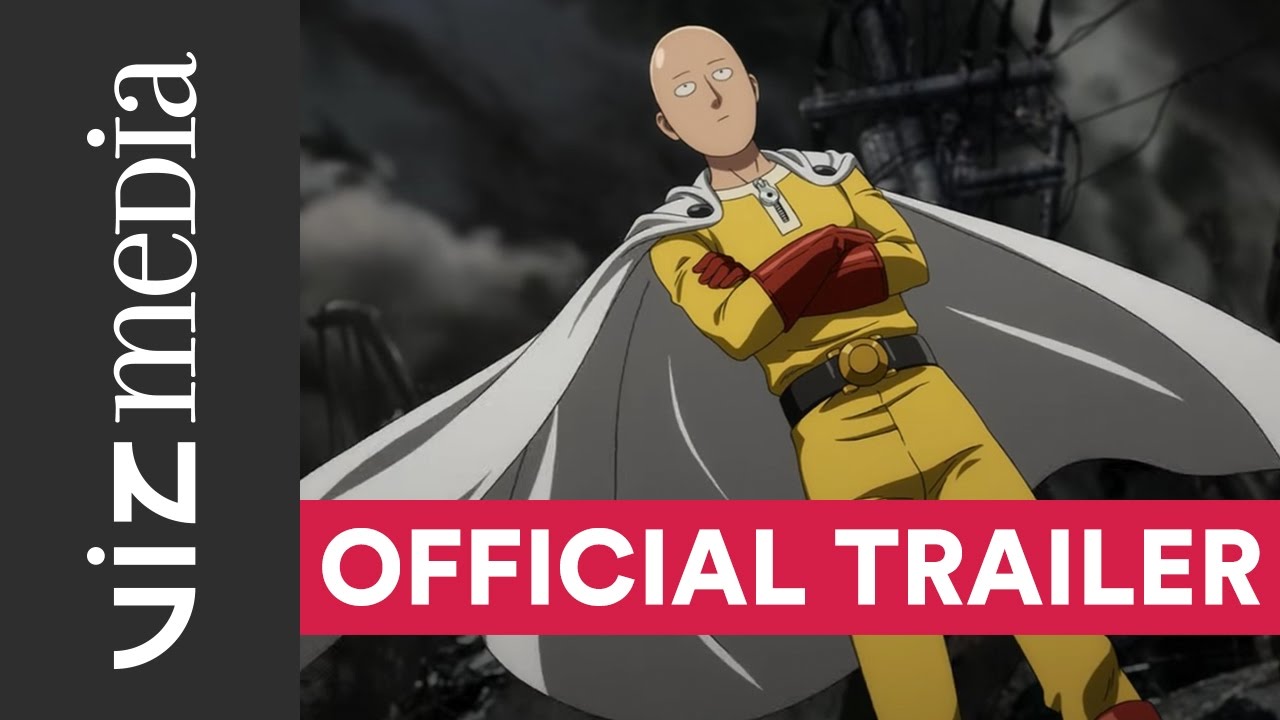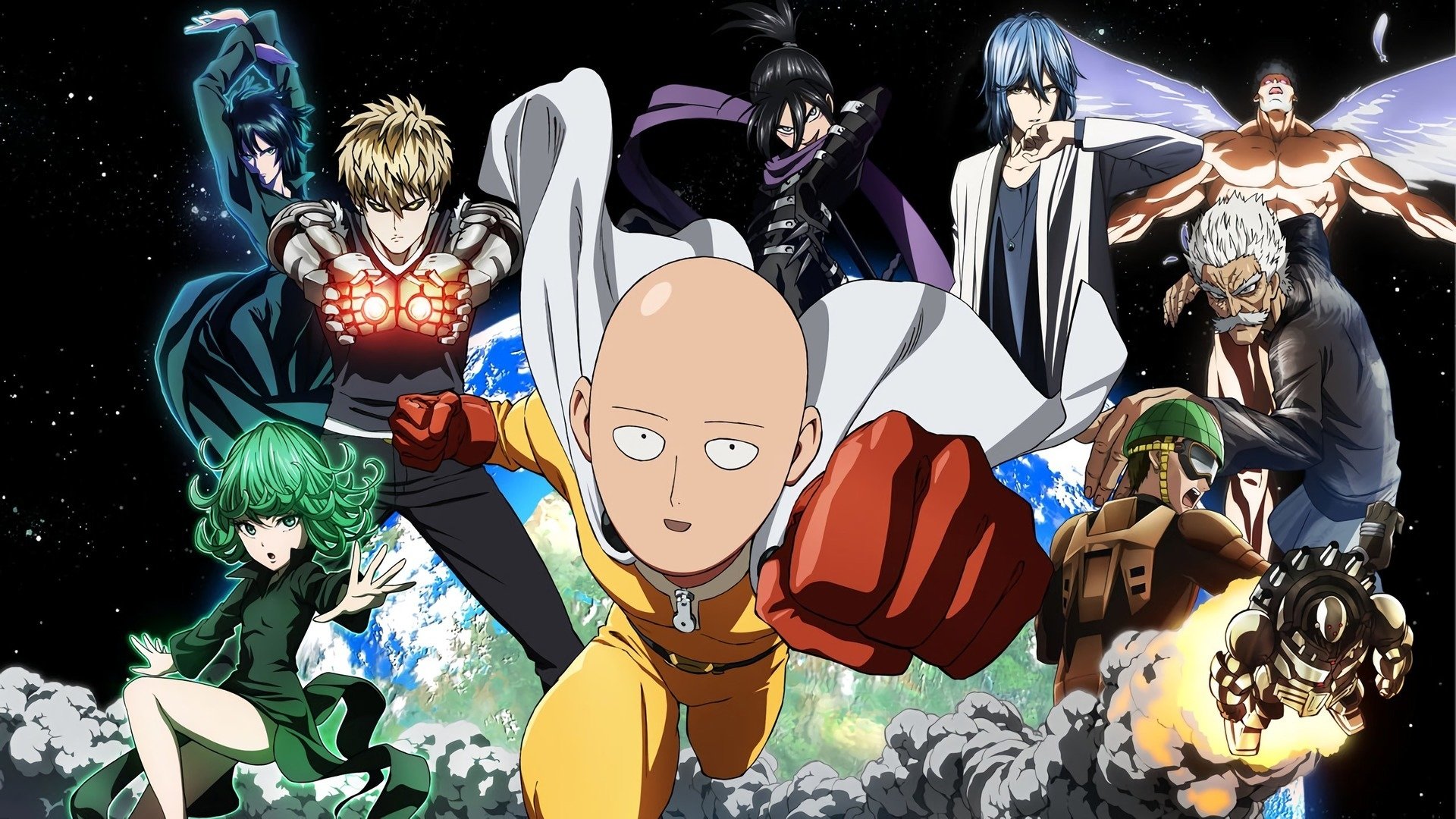
When One-Punch Man premiered on TV Tokyo in October 2015, it arrived with a premise that seemed almost too simple to sustain a series: what happens when a superhero becomes so powerful that nothing can challenge him anymore? The answer turned out to be far more interesting than expected. The show took that basic concept and spun it into something that resonated across millions of viewers, earning a solid 8.4/10 rating from 3,992 votes while building a devoted fan base that’s stuck with it through 3 seasons and 36 episodes.
The genius of the show lies in its willingness to completely invert superhero storytelling conventions. Instead of celebrating the fantasy of unlimited power, One-Punch Man interrogates what that power would actually cost. Saitama, the protagonist, has achieved every hero’s dream—he’s unbeatable. But that victory is hollow. He’s not battling supervillains or saving the world from existential threats; he’s struggling with depression, boredom, and the soul-crushing reality of having nothing left to accomplish. It’s a surprisingly philosophical approach wrapped in comedy and explosive action sequences.
What makes this work is the show’s tonal balance. Within each 24-minute episode, the series jumps between:
- Intense action sequences that deliver genuine spectacle and excitement
- Character-driven comedy that mines humor from mundane situations and social awkwardness
- Existential themes about purpose, ambition, and what gives life meaning
- World-building that populates the universe with other heroes, each with their own absurd powers and motivations
The creative team understood that you can’t spend 36 episodes solely exploring Saitama’s ennui. The show needed supporting characters like Genos, the earnest cyborg desperate to become Saitama’s disciple, and the Hero Association, a bureaucratic organization that adds satirical commentary on how society structures and validates heroism. These elements prevent the premise from becoming repetitive.
The animation itself became a point of conversation. Season 1 established the show’s visual identity with fluid, dynamic action paired with intentionally rough comedic moments. The contrast between the polish of serious fights and the deliberate scrappiness of comedy scenes became part of the show’s identity. Fans debated the production quality across seasons, but that conversation itself indicated how invested viewers had become in the show’s technical execution.
> The show asks a fundamental question: if you win at everything, have you actually won anything?
What’s remarkable is how One-Punch Man influenced subsequent anime and animated superhero content. It demonstrated that audiences wanted something smarter than straightforward power-fantasy narratives. The show’s deconstruction of superhero tropes—the obsession with ranking systems, the absurdity of secret identities, the performative nature of heroism—opened space for other series to take similar satirical approaches. Without One-Punch Man, we might not have seen the same wave of subversive superhero storytelling that followed.
The show’s cultural footprint extended beyond just anime circles. It sparked conversations about toxic positivity and hustle culture. Here’s a protagonist who literally has achieved success beyond anyone’s wildest dreams, yet remains fundamentally unfulfilled. That resonated with audiences in 2015 and continues to resonate now. In an era obsessed with self-improvement and achievement, One-Punch Man asked viewers to consider whether achievement alone could ever be satisfying.
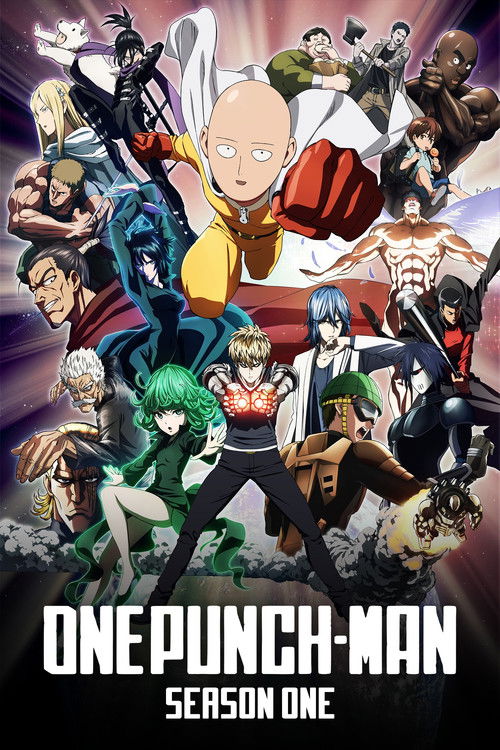
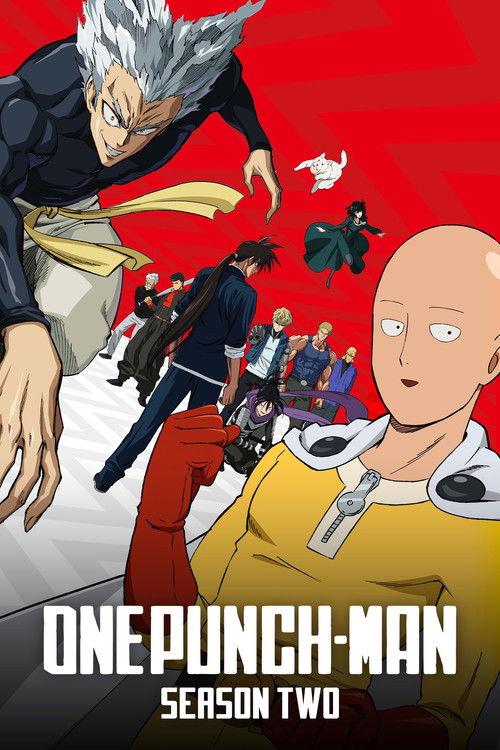
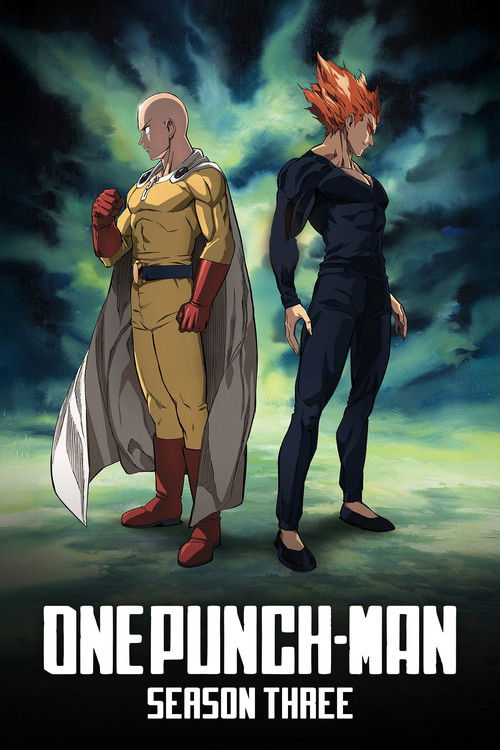
Season 1, which earned a perfect 100% on Rotten Tomatoes, set expectations high. The show maintained quality through Season 2, which aired in April 2019, and continued with Season 3 arriving in October 2025. That consistency across nearly a decade speaks to the show’s enduring appeal and the creative team’s ability to keep the concept fresh without losing what made it special.
The show’s journey from 2015 to its current status as a returning series with 3 seasons demonstrates genuine staying power in an industry where anime series often burn out or get cancelled. That’s not accident—it’s because the core premise is legitimately interesting, the execution is thoughtful, and viewers genuinely care about where the story goes next.
What ultimately makes One-Punch Man essential television is its refusal to be only one thing. It’s not just a comedy or just an action show or just a character study. It’s all of those working in concert, with each element reinforcing the others. The show trusts its audience to appreciate both the absurdist humor of Saitama getting depressed because a sale at a supermarket ended and the philosophical weight of a character questioning his own existence. That balance is harder to achieve than it looks, and the show does it consistently.
For viewers looking for animated superhero content with something to say, One-Punch Man remains the gold standard. It’s a show that understands that the best stories are about people, not just powers.


![Opening | THE HERO!! Set Fire to the Furious Fist - JAM Project [CC]](https://img.youtube.com/vi/atxYe-nOa9w/maxresdefault.jpg)