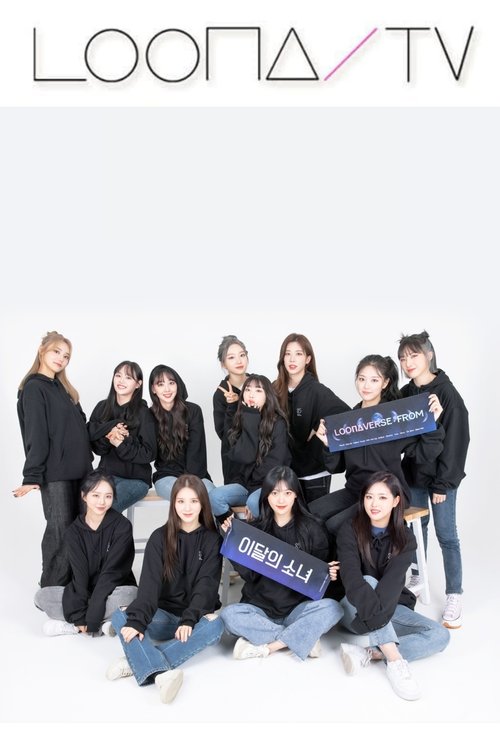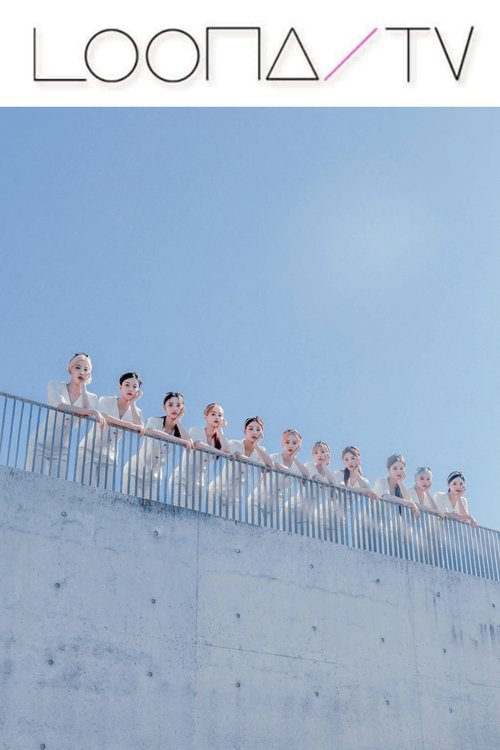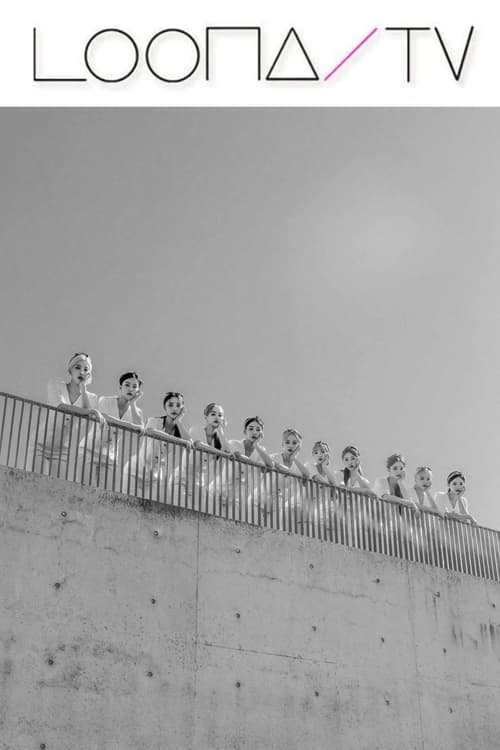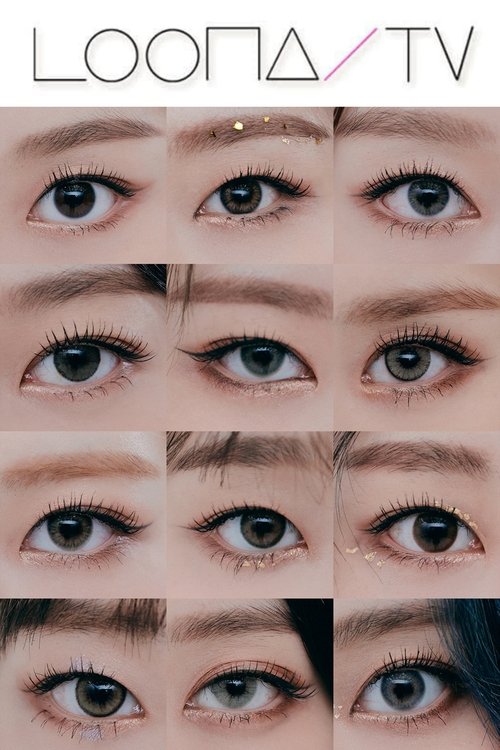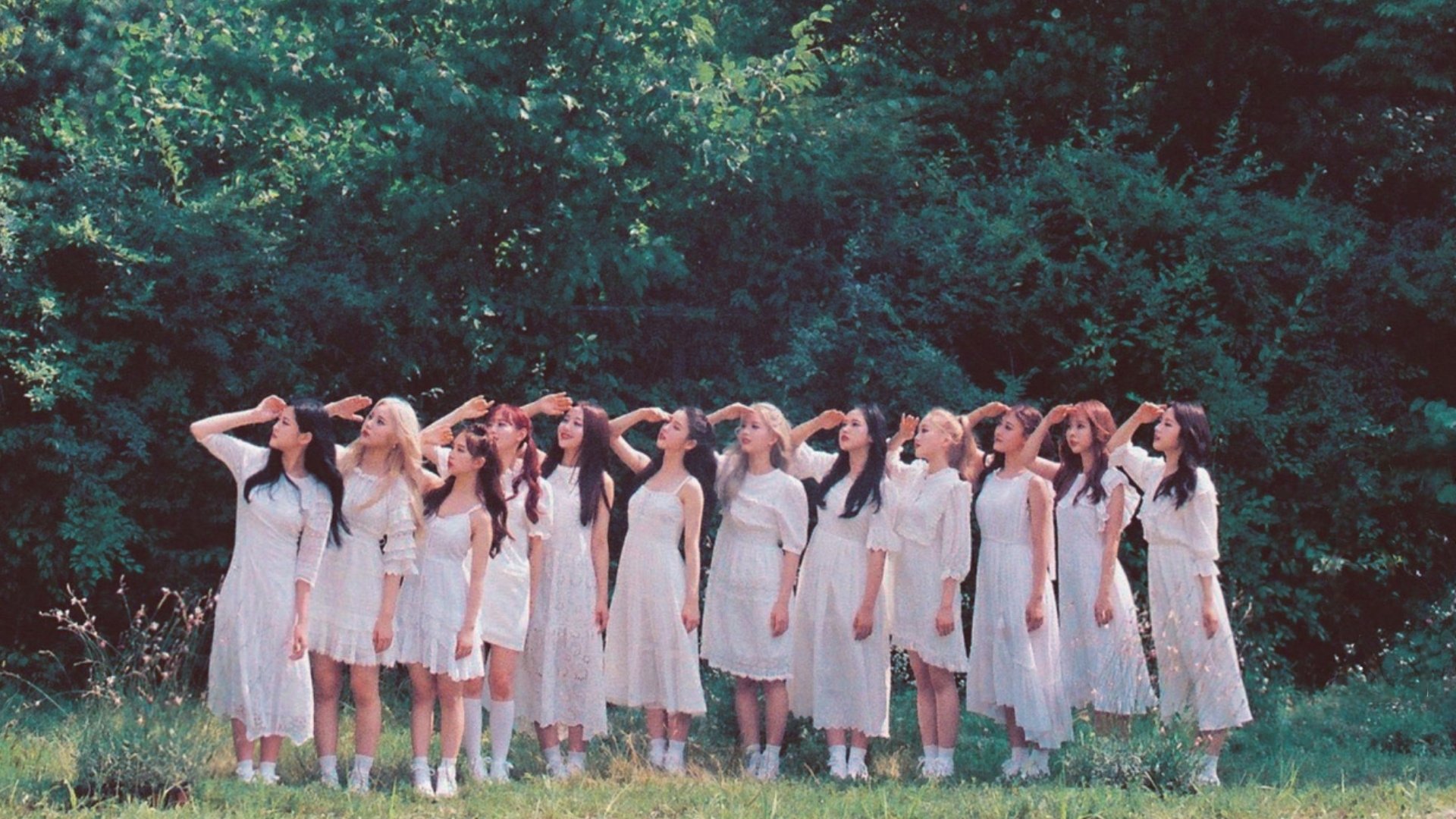
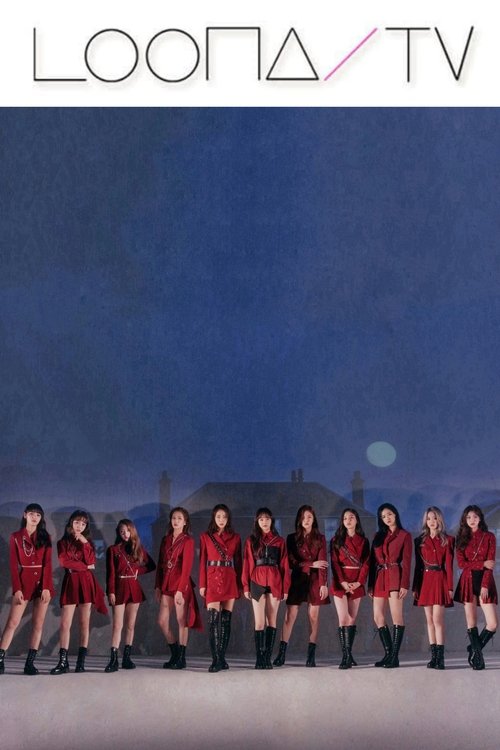
If you’ve been paying attention to how K-pop groups interact with their fanbases, you’ve probably noticed that LOONA TV did something genuinely different. When it premiered on October 12, 2016, it wasn’t trying to be a traditional reality show with dramatic arcs and manufactured conflict. Instead, it was just… there. One minute at a time. Forty-eight seasons. Seven hundred seventy-five episodes. It sounds absurd until you realize that’s exactly what made it work.
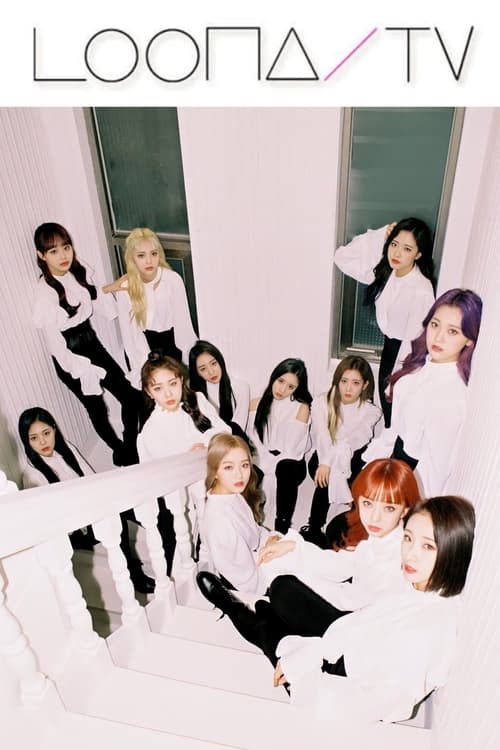
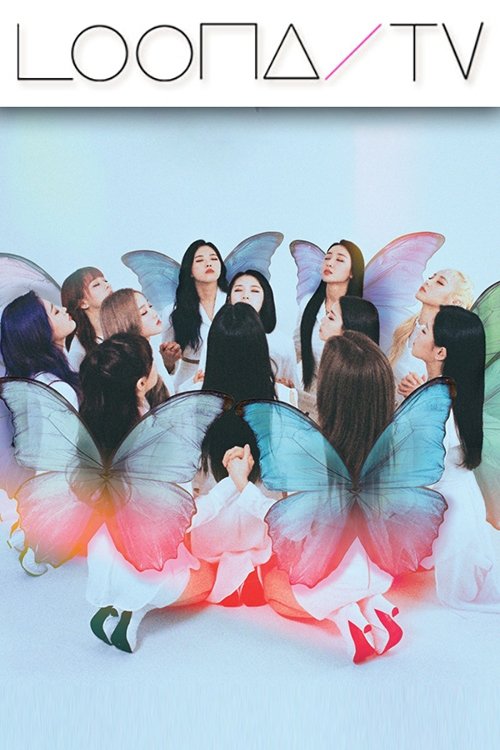
The concept itself is deceptively simple: short documentary clips of the South Korean girl group LOONA during their pre-debut phase, captured during travels, music video shoots, and quiet moments between members. Nothing was heavily produced. There were no confessional interviews or built-in drama. Just the group existing, sometimes with purpose, sometimes just being themselves. That stripped-down approach earned it a 7.0/10 rating from audiences, which is solid for a series that asked very little of viewers beyond paying attention to small, genuine moments.
What’s remarkable about LOONA TV is how it reframed what reality content could be. Traditional reality television had trained us to expect narrative momentum—conflicts resolved, arcs completed, conclusions drawn. This show rejected all of that. It could spend an entire episode on members laughing during a jacket photoshoot, or capture the frustration of dealing with bad weather during overseas filming. The one-minute runtime wasn’t a limitation; it was the whole point. It forced the creators to distill moments down to their essence, to find meaning in the smallest interactions.
> The show’s approach to pre-debut documentation became a template that other groups would try to replicate. LOONA TV proved that fans didn’t need polished narratives or reality TV tropes to connect deeply with artists.
The serialized nature of the series, unfolding across 48 seasons and 775 episodes, allowed for something television rarely does: genuine character development through accumulation. HeeJin’s arc alone—running from episode 1 through episode 18 starting in October 2016—showed how short-form content could build complexity over time. You watched her grow as a trainee not through talking heads or dramatic moments, but through the simple fact of seeing her repeatedly, in different contexts, responding to different situations.
What made LOONA TV significant goes beyond its format innovation. The show became a cultural artifact that defined how pre-debut groups communicated with their fanbases. It was authentic in ways that felt almost radical for K-pop content at the time. Fans weren’t watching a manufactured version of the group; they were watching actual downtime, actual fatigue, actual joy that wasn’t curated for maximum entertainment value. That distinction matters enormously. It created a bond between the group and their audience that couldn’t be replicated by more polished content.
The series also documented something historically interesting: the inclusion of trainees who didn’t ultimately become part of LOONA. This wasn’t erased or hidden. The show acknowledged the brutal reality of predebut selection, showing people who worked toward something that didn’t happen for them. That’s uncomfortable television in the best way—it reflects how this industry actually works, rather than pretending the final group emerged fully formed and inevitable.
Key aspects that made the format work:
- Brevity as storytelling device: One minute forced absolute clarity about what mattered in each moment
- Consistency over spectacle: 775 episodes built authority through sheer presence, not through high-stakes drama
- Authenticity through repetition: Seeing members repeatedly created genuine familiarity
- Documentation of process: The show is basically a visual diary of how a girl group is constructed, flaws and uncertainty included
The fact that LOONA TV eventually reached episode 100—significant enough to warrant a recap episode—tells you something about how the audience responded. This wasn’t a show that found its footing and then got cancelled after twelve episodes. It sustained itself by doing the same thing over and over again: showing up, being honest, and trusting that that would be enough. For a long time, it was.
Its cancellation status now makes the complete run feel like a finished document in a way that ongoing shows can’t quite achieve. We have the whole story. We can see where it started and where it ended. That completeness gives LOONA TV a particular weight in retrospect. It’s not a series interrupted by network decisions or fandom shifts—it’s a closed narrative about a specific moment in a group’s history.
The show’s influence on how K-pop groups approach fan content is worth acknowledging too. After LOONA TV proved that audiences would commit to short-form, unglamorous documentation, other groups started experimenting with similar approaches. The idea that you could build connection through consistent, honest, unpolished content became less radical. LOONA TV helped make that possible.
Looking back now, what stands out is how little the show needed to do to matter. No plot twists. No manufactured narrative. Just time spent with people working toward something, captured honestly and shared regularly. In an entertainment landscape obsessed with high-concept hooks and viral moments, LOONA TV is quietly subversive. It suggests that presence itself can be compelling. That showing up, again and again, over seven hundred seventy-five episodes, might be enough to change how people understand both television and the artists they follow.















![Season 33 u2013 [#] LOONA Call Fansign](https://image.tmdb.org/t/p/w500/vI5TkSFilerzqyUk9rDxrI7kZ1e.jpg)