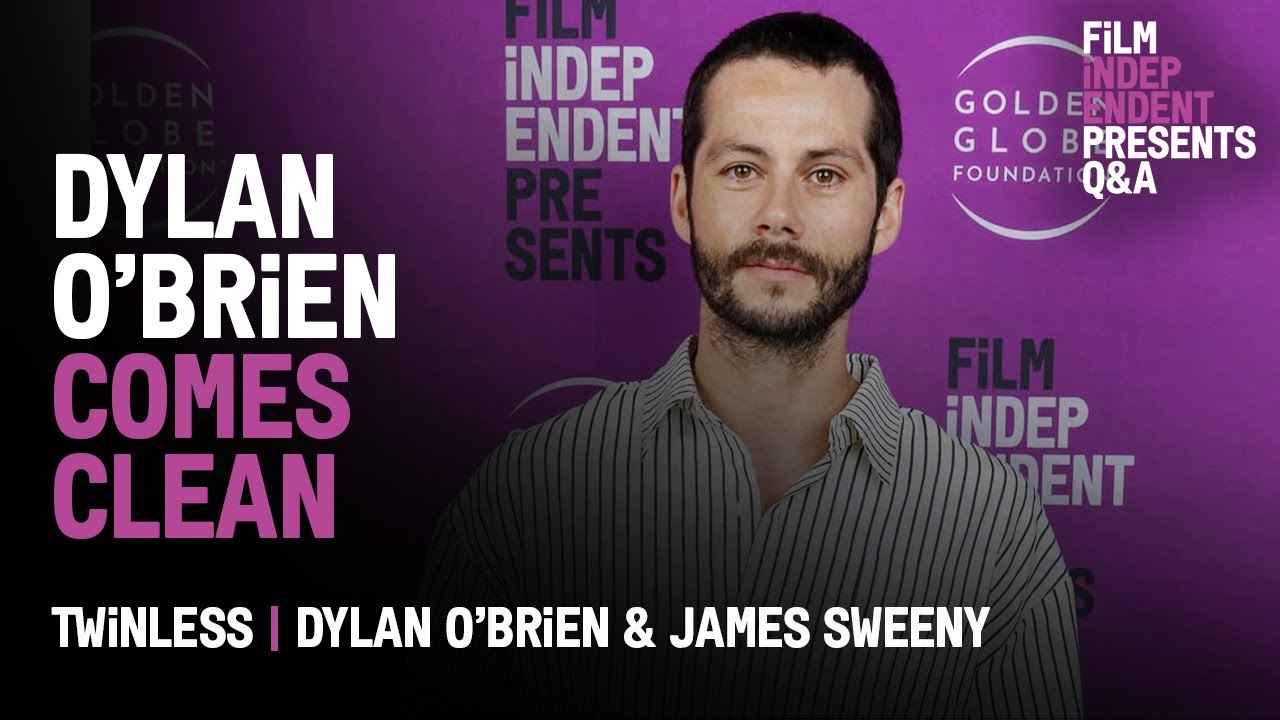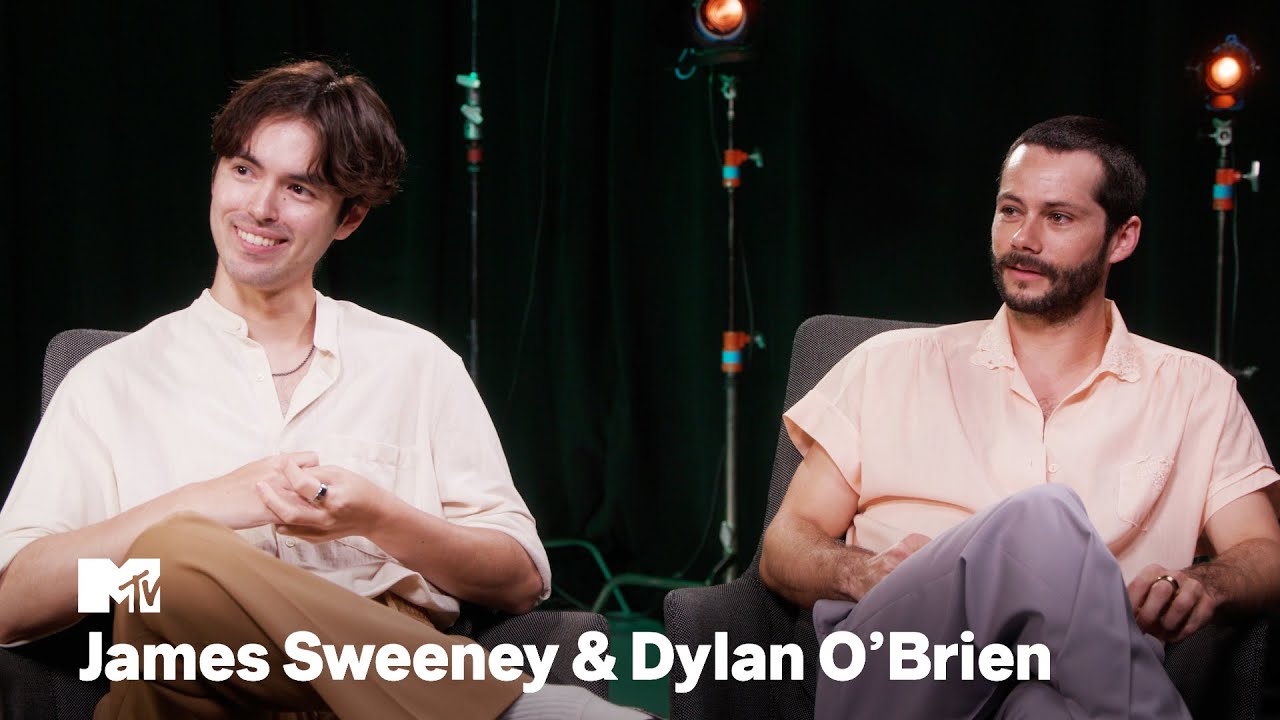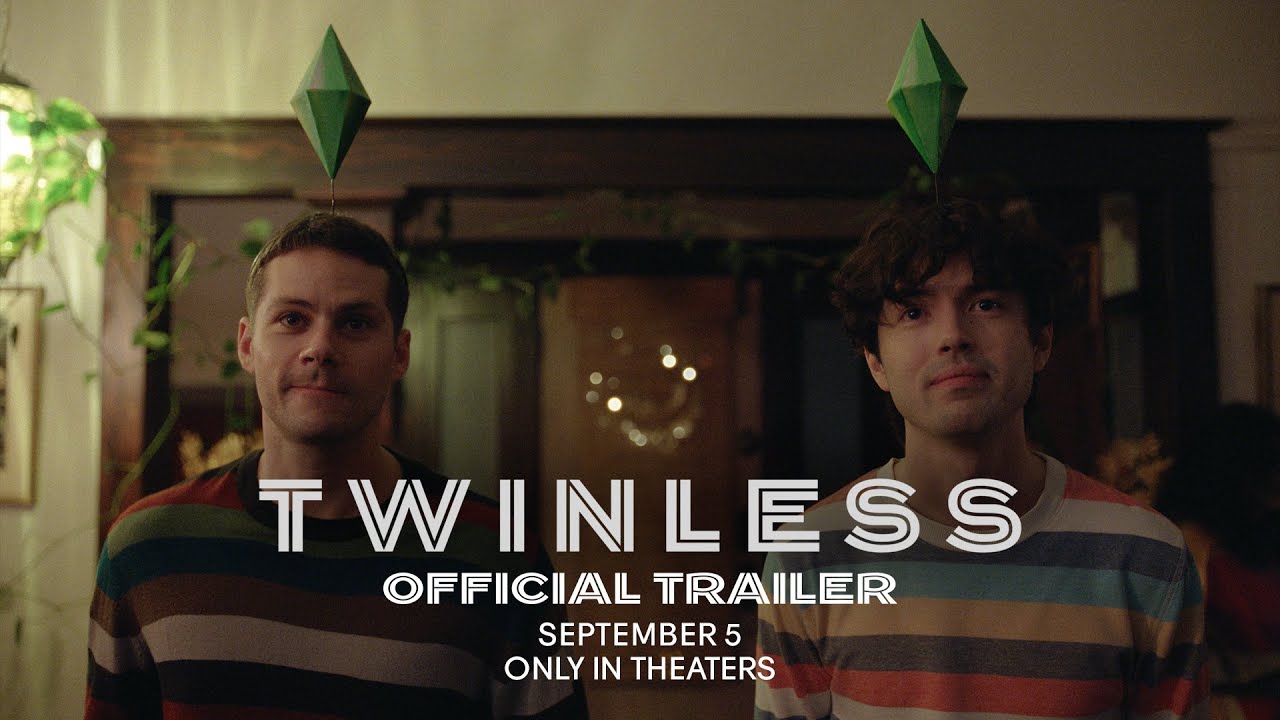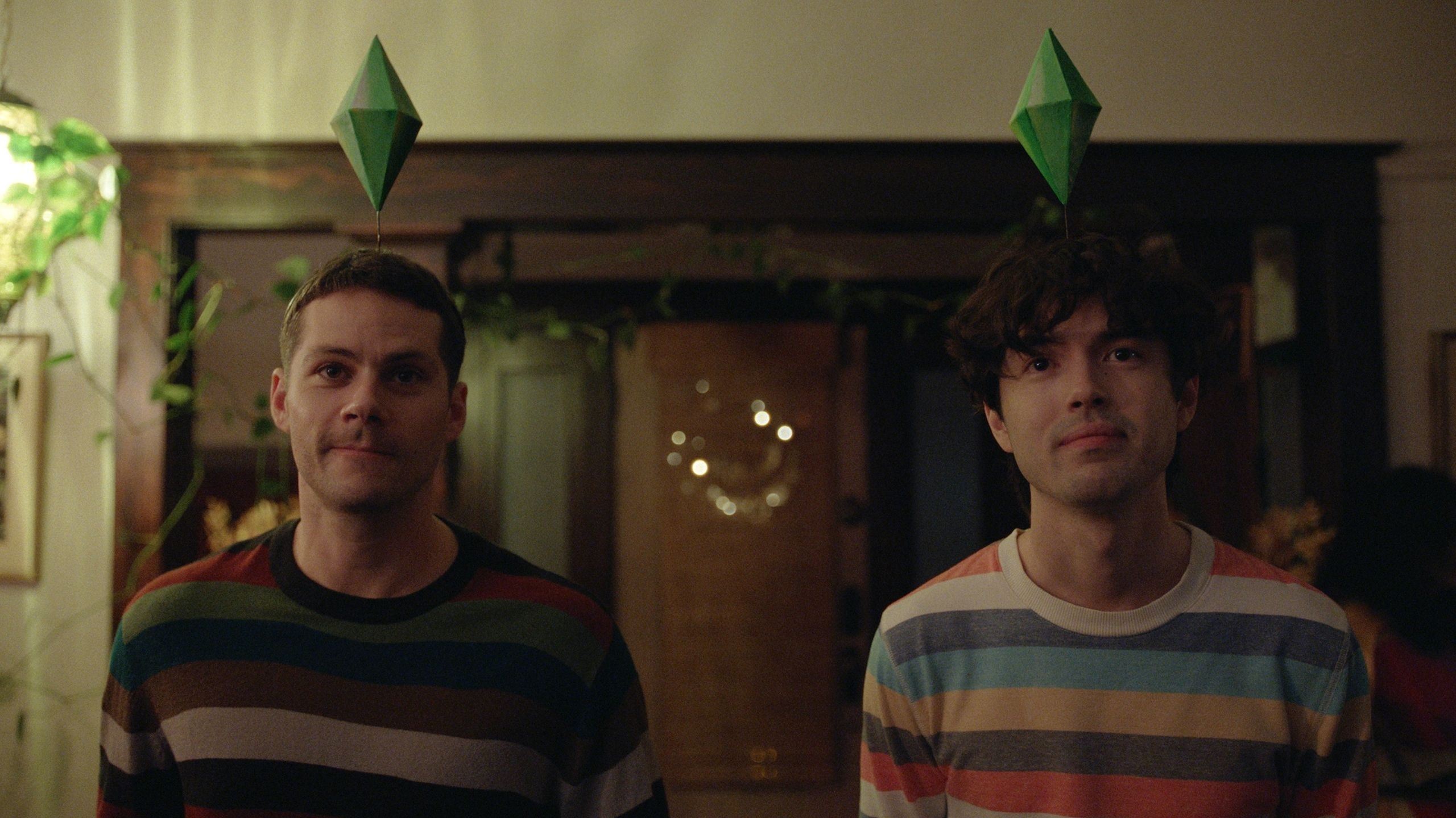
When Twinless premiered at Sundance earlier this year, it arrived as the kind of film that sneaks up on you—a small, intimate story about grief and connection that doesn’t announce itself with fanfare but rather settles into your chest and stays there. What James Sweeney created with this project is something increasingly rare: a character-driven comedy-drama that takes emotional truth seriously while never losing its sense of humor. The film earned a 7.3/10 rating from 89 votes, with critical praise hitting 97% on Rotten Tomatoes, which tells you something important about how audiences and critics alike responded to what Sweeney was attempting here.
The premise is deceptively simple. Two men who’ve each lost their twin brother meet in a support group and develop an unexpected friendship. But that basic setup becomes a vehicle for exploring something much deeper: the particular kind of loneliness that comes from losing someone who was supposed to understand you completely. Sweeney, who also stars in the film alongside Dylan O’Brien, understood that this wasn’t really a story about loss—it’s a story about finding someone who gets you, which is what the film’s tagline promises. That’s the real emotional core here, and it’s what gives Twinless its resonance.
Dylan O’Brien carries much of the film with a performance that’s quietly observant. He doesn’t play for easy sympathy; instead, there’s a guardedness to his character, a sense that he’s learned to protect himself by keeping people at arm’s length. When the friendship with Sweeney’s character develops, O’Brien’s performance shows the small cracks in that armor with real subtlety. Aisling Franciosi appears in a supporting role that matters more as the film progresses, adding another layer to the emotional complexity. The cast—which also includes Chris Perfetti, Tasha Smith, and Lauren Graham—works as an ensemble that feels lived-in and genuine rather than constructed.
What’s particularly interesting about Twinless is how it approaches the comedy-drama balance. This isn’t a film that uses humor as a shield against emotion or emotion as a substitute for real comedy. Instead, the two coexist naturally. There are moments that are genuinely funny because they emerge from character and situation, and there are moments that hurt because they’re grounded in real stakes. That balance is harder to pull off than it looks, and Sweeney manages it across the film’s tight 100 minutes-minute runtime.
Financially, the film operated on a modest $2.00 million budget and earned $1.40 million at the box office. Those numbers matter less than the fact that a film this personal found its audience in a theatrical marketplace that often doesn’t leave room for quiet character studies. The film’s journey from Sundance to wider release reflects a growing appetite for stories that prioritize emotional authenticity over high-concept hooks.
> The real significance of Twinless isn’t in what it does cinematically—it’s in what it says about human connection. In an era of increasing isolation, the film’s message that we’re all searching for someone who truly understands us feels genuinely important.
What makes Sweeney’s directorial vision particularly strong is his willingness to sit with uncomfortable moments. The “long-hidden secrets” that the synopsis mentions don’t arrive as plot twists meant to shock—they emerge as realizations that both characters come to about themselves and each other. This approach requires trust in the audience’s patience and in the actors’ ability to handle vulnerability. Sweeney clearly had that trust, and both O’Brien and he justify it completely.
The film also arrives at a moment when the indie-comedy landscape has shifted considerably. There’s less room now for films that don’t fit neatly into genre categories, which makes Twinless feel a bit like a holdout from an earlier era of cinema. That’s not nostalgia talking—it’s recognition that this kind of film requires distributors willing to take risks and audiences willing to show up for something that doesn’t have a built-in hook or franchise name attached. The fact that it found both suggests there’s still hunger for authentic storytelling.
Looking forward, Twinless will likely be remembered as a film that proved you don’t need a massive budget or star power to create something that moves people. Sweeney’s voice as a filmmaker is clear: he’s interested in the small moments where people almost understand each other, the awkward pauses where connection is possible, the ways we protect ourselves from being fully known. Those are the kinds of themes that don’t date, that don’t depend on current trends or technology.
The cultural impact of Twinless may not be immediately obvious in the way it would be for a blockbuster, but it’s the kind of film that people remember and recommend specifically because it mattered to them personally. Word-of-mouth is what keeps films like this alive, and that 97% critical consensus suggests the word has been quite good. In a landscape crowded with content, that kind of genuine appreciation is its own form of success.
Ultimately, Twinless is significant because it works. It’s a film that understands its characters, respects its audience, and has something true to say about what it means to be lonely in a world full of people. Sweeney’s direction is assured without being showy, O’Brien’s performance is generous without being sentimental, and the story itself is simple enough to be universal. That combination—sincerity without saccharine, ambition without pretension—is exactly what makes a film like this worth your time.