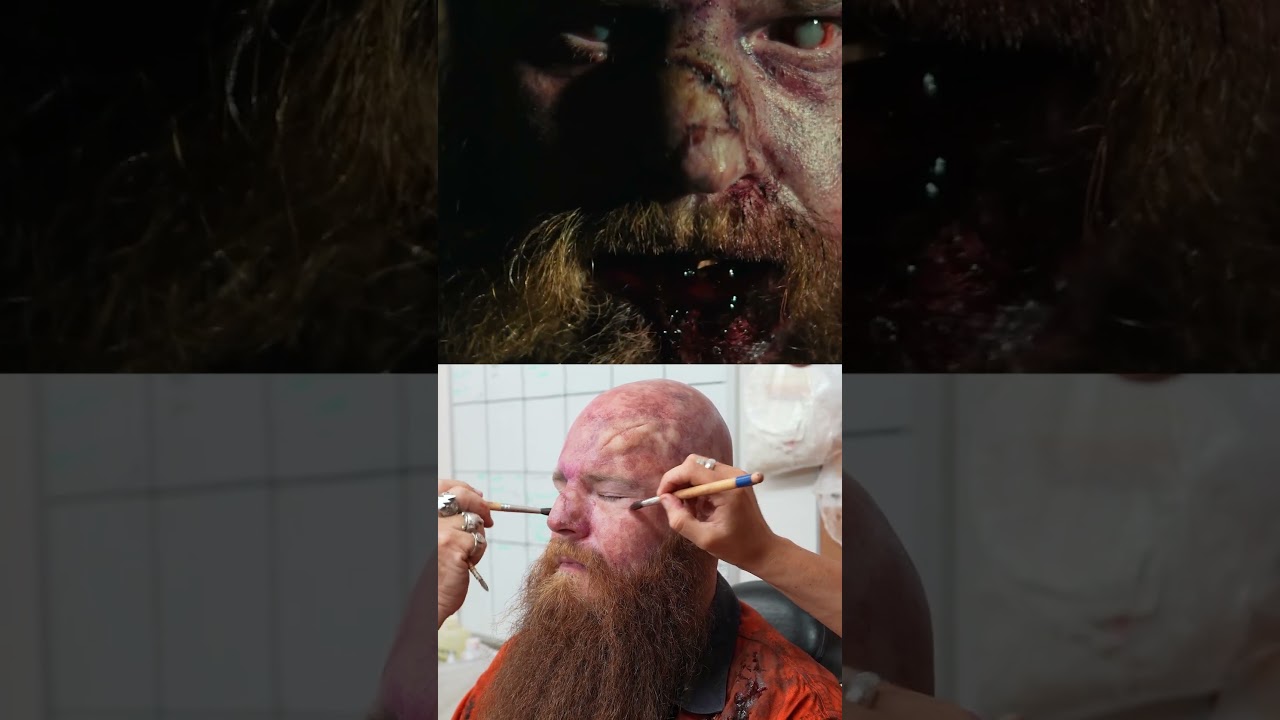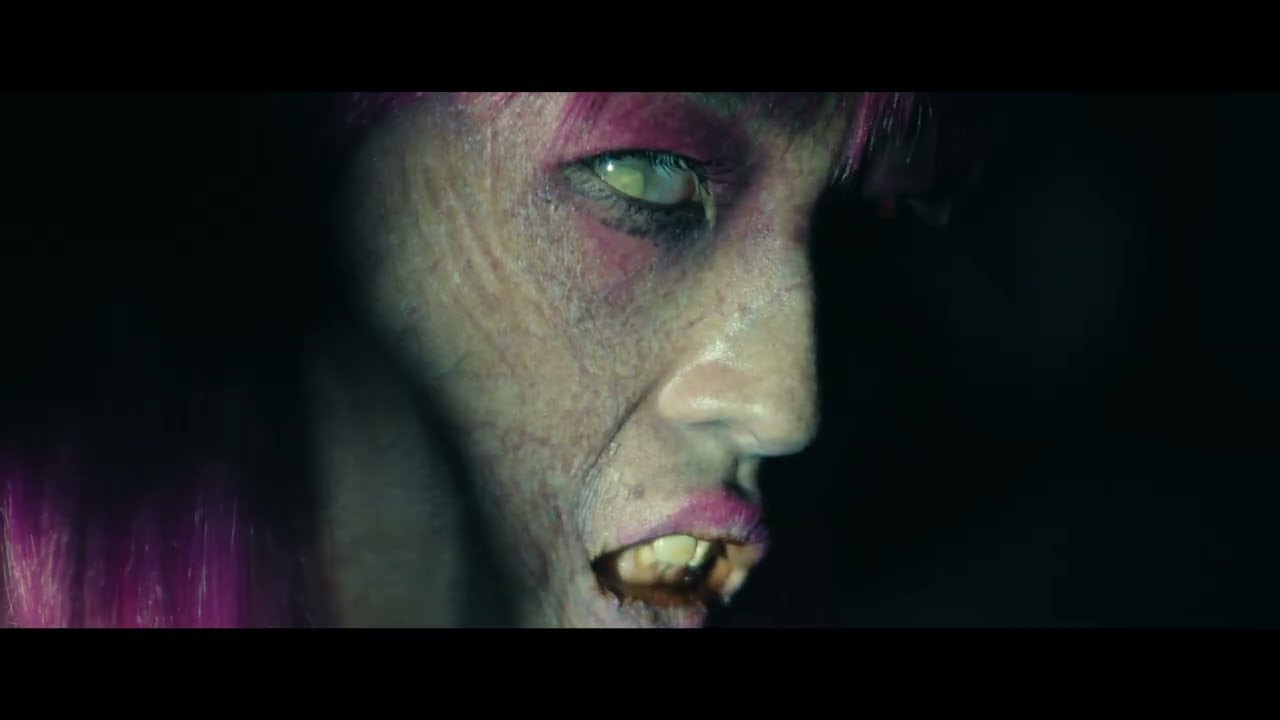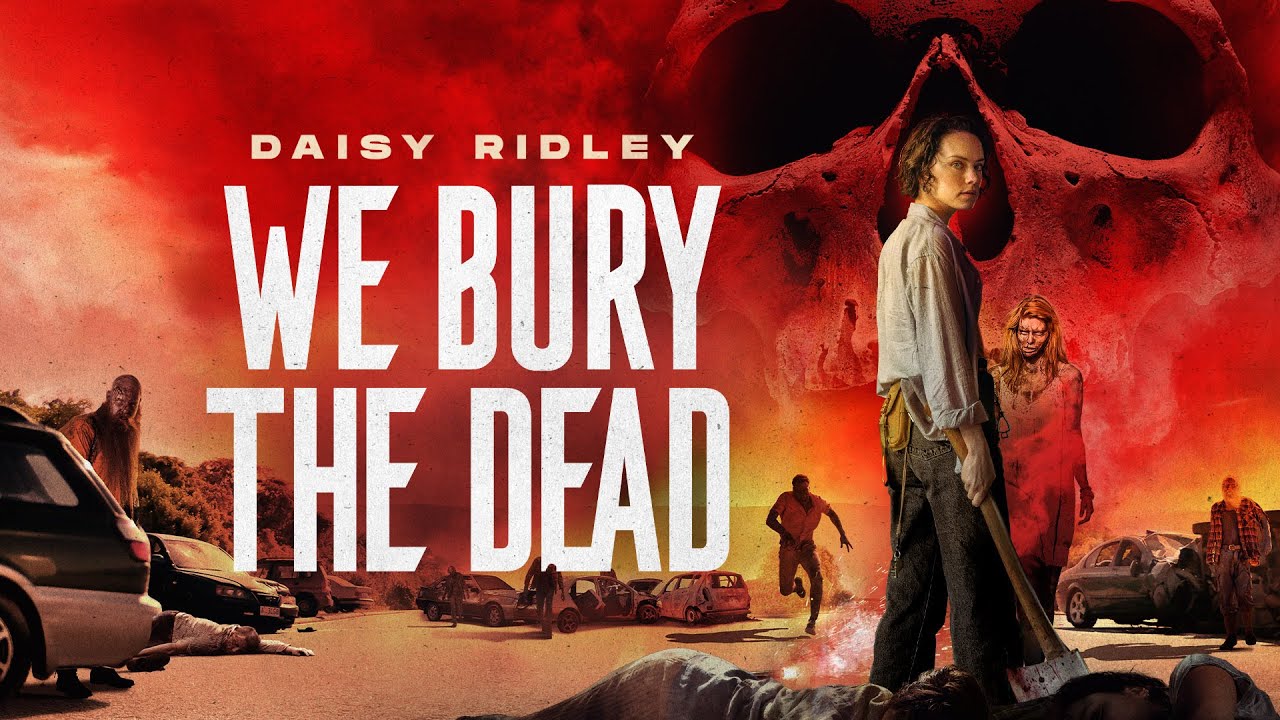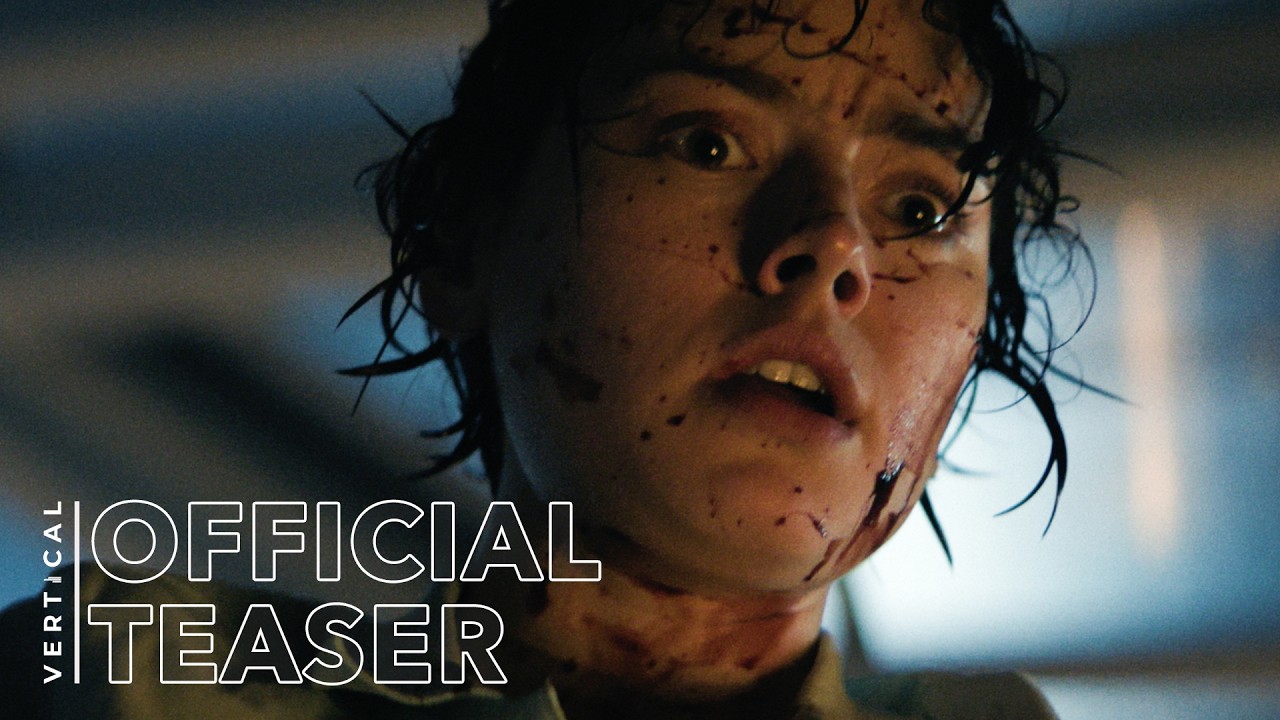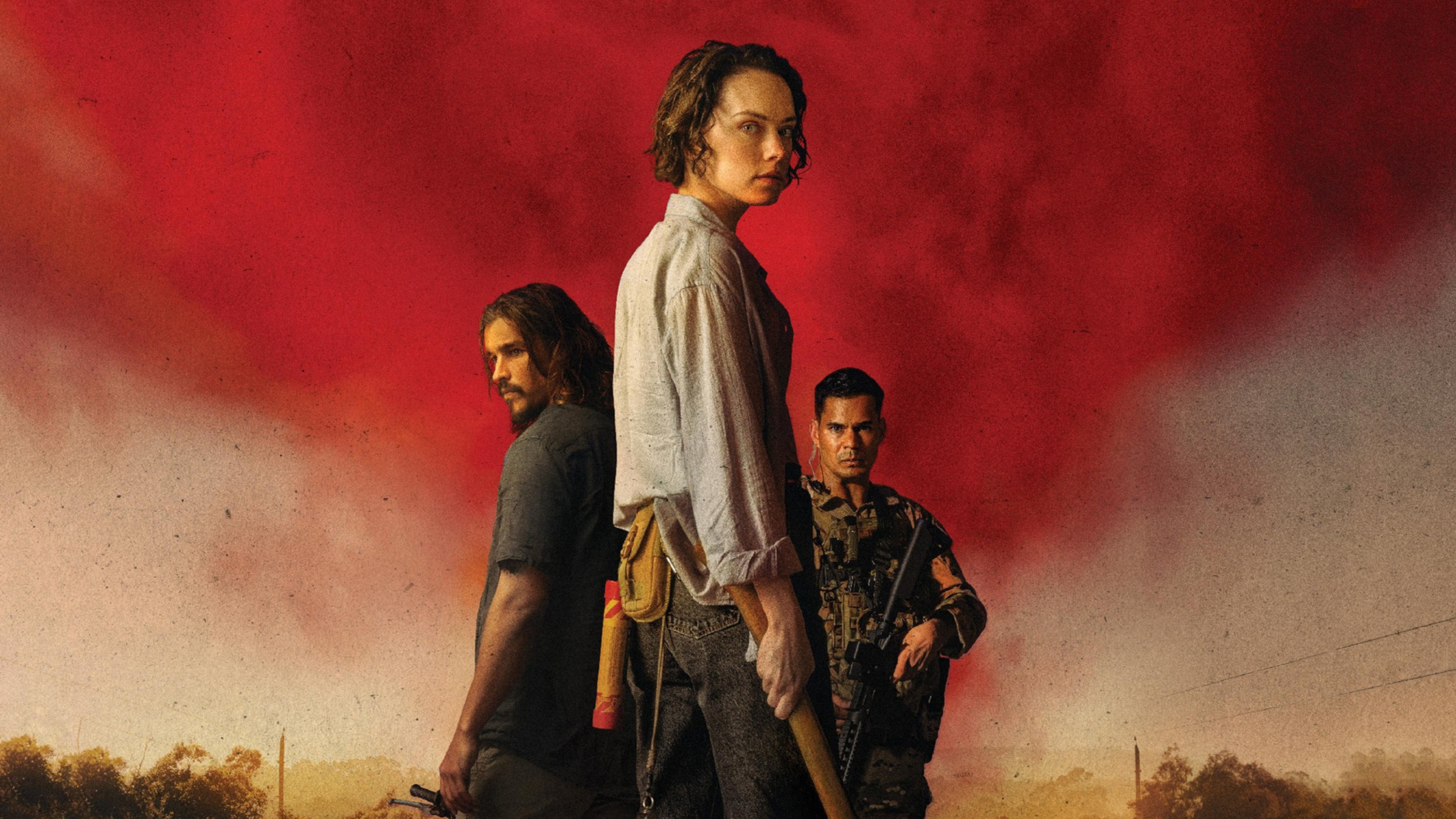
When We Bury the Dead came out on January 2, 2026, it arrived during an interesting moment for zombie cinema. The subgenre had grown predictable, cycling through the same tired beats and familiar scares. Director Zak Hilditch didn’t arrive to reinvent the wheel entirely—he arrived to remind us why we cared about it in the first place. This Australian production, backed by local studios and international partners, takes a premise we’ve seen before and asks a fundamentally different question: what if the military was lying about how dangerous they really are?
The film’s setup is deceptively simple. A military disaster in Tasmania leaves the dead walking, but official channels insist they’re manageable—slow, docile, contained. Daisy Ridley’s Ava doesn’t buy it. She enters a quarantine zone searching for her missing husband, and what unfolds is a tense descent into the horrifying truth: these undead aren’t becoming slower or weaker. They’re getting faster, smarter, hungrier. In just 95 minutes minutes, Hilditch creates genuine dread by subverting the comfortable lies we’ve been told.
What’s striking about Hilditch’s approach is how he uses the military as a narrative device. This isn’t about zombies versus humans in a straightforward survival story. It’s about institutional deception, about how governments spin catastrophe to manage panic. When Ava discovers the truth, there’s no relief—only the crushing realization that the danger was always worse than anyone admitted. It’s a smart thematic layer that elevates the material beyond simple creature horror.
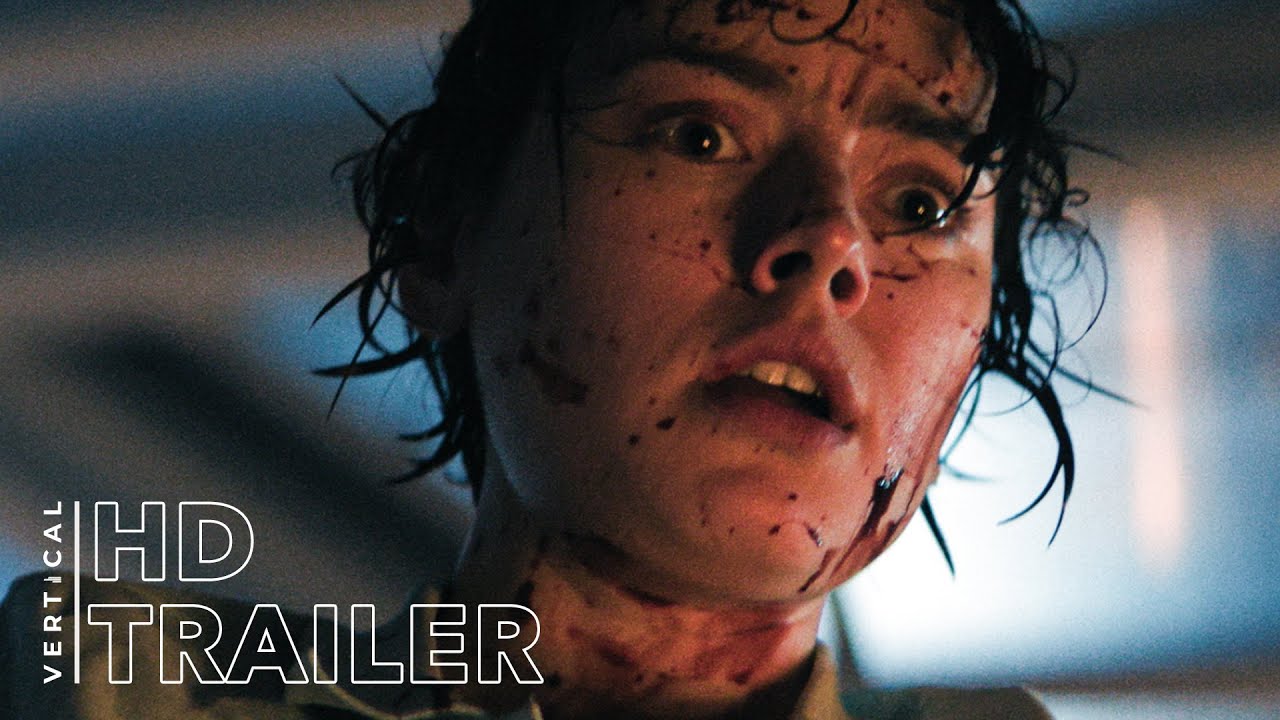
Ridley carries this film, and it’s one of her strongest performances. She plays Ava with a quiet desperation that feels earned rather than performed. This isn’t a warrior ready for combat. She’s a grieving woman searching for answers, and that vulnerability makes every encounter with the undead feel genuinely threatening. Brenton Thwaites and Mark Coles Smith round out the ensemble, both bringing authenticity to their roles as people caught in an impossible situation. The chemistry between the cast members—the way they communicate through glances and hesitations—matters more than explosive set pieces.
> The real achievement here is restraint. Hilditch doesn’t bombard you with jump scares or constant action. The horror works because of what you don’t see as much as what you do.
The box office numbers tell an interesting story about how audiences responded. The film earned $3.75 million during its theatrical run, which is modest by major studio standards but respectable for a mid-budget horror thriller from Australian filmmakers. It wasn’t a phenomenon, but it found its audience—people who wanted something thoughtful within the horror framework. That’s not failure. That’s success on a different scale.
The critical reception came in at 6.3/10 from 35 votes, reflecting a film that divided opinion. Some viewers found the pacing deliberate and atmospheric. Others felt it dragged in the second act. What’s worth noting is that even viewers who had reservations seemed to respect what Hilditch was attempting. This isn’t a film that leaves you indifferent.
Consider what made this project work:
- Hilditch’s control of tone: Never veering into camp or self-parody, even when the premise could easily go that direction
- Australian settings and crew: The Tasmanian landscape becomes its own character, isolating and constraining the action
- A cast committed to grounded emotion: No winking at the camera, no performance theater
- The central metaphor: A military cover-up that mirrors real anxieties about institutional honesty
The film’s legacy sits in a particular space. It didn’t reshape horror cinema or launch a franchise. What it did was provide evidence that the zombie subgenre could still explore genuine thematic territory when filmmakers bothered to think beyond spectacle. In a market often dominated by IP-driven content and algorithmic storytelling, We Bury the Dead was a modest but significant reminder that horror audiences want intelligence alongside their scares.
The international production model—combining Australian funding with North American distribution through Gramercy Park Media—also matters. These funding streams enabled Hilditch to make the film he wanted without studio interference. That creative independence shows in the final product. There’s no corporate fingerprints, no focus-group edits, no attempt to broaden appeal at the cost of identity.
If We Bury the Dead doesn’t become a touchstone film, it won’t be because it failed artistically. It will be because not every good film achieves cultural penetration. Some films are meant for specific audiences who will treasure them. The people who connected with this movie—who appreciated its patient worldbuilding and its distrust of authority—found something genuinely unsettling and thoughtful. That’s worth more than opening weekend grosses or streaming algorithm placement.
What Hilditch, Ridley, and this ensemble gave us was a horror film that trusts its audience to stay engaged without constant stimulation. It asks you to care about characters and what they discover. It suggests that the real terror isn’t the monsters—it’s the realization that the people meant to protect you might be the biggest threat of all. In 2026, that feels neither dated nor trendy. It just feels true.