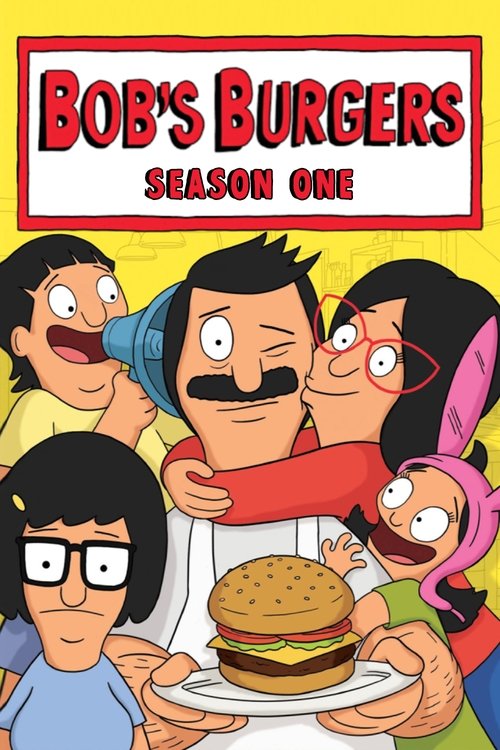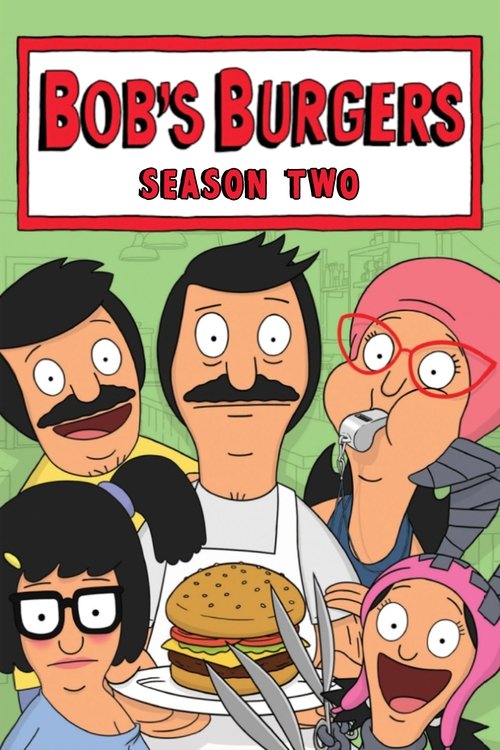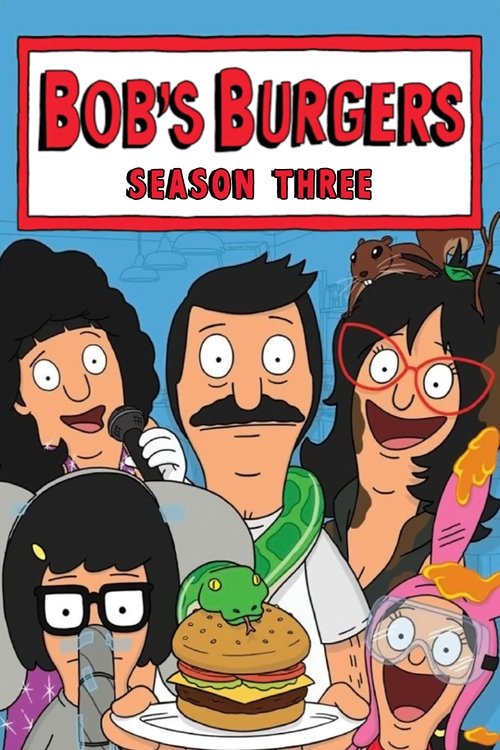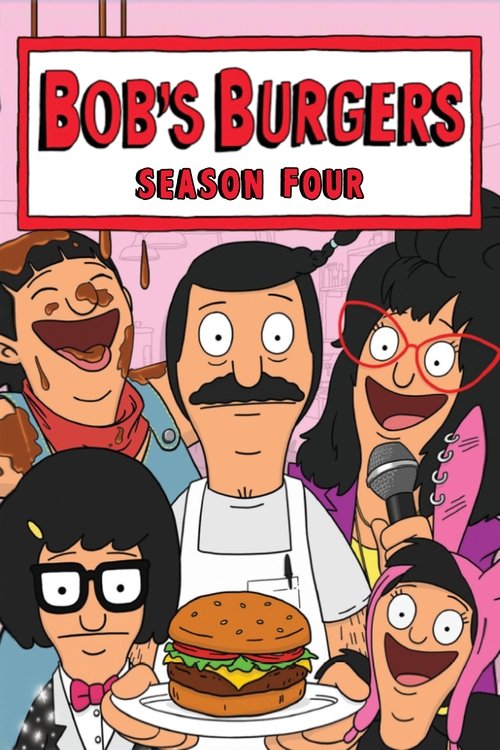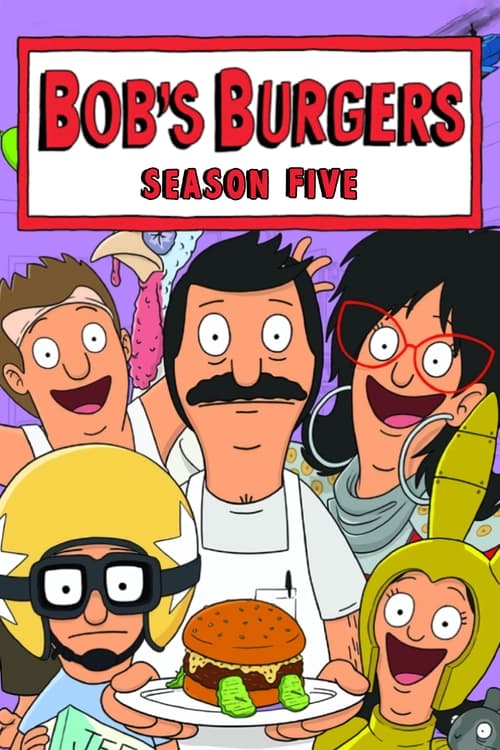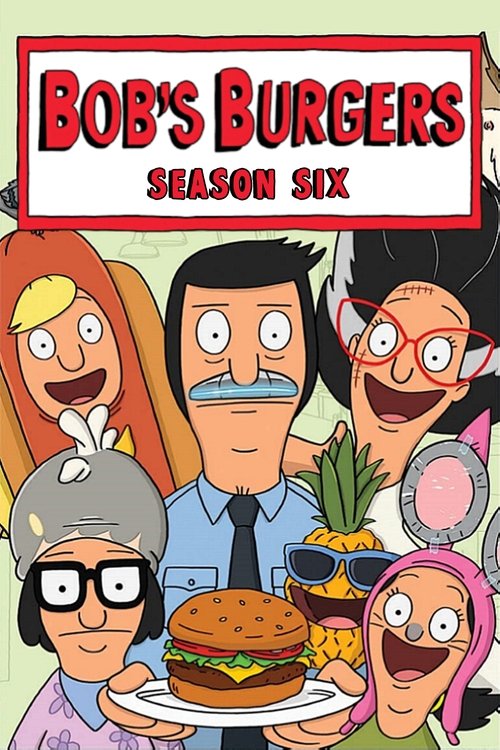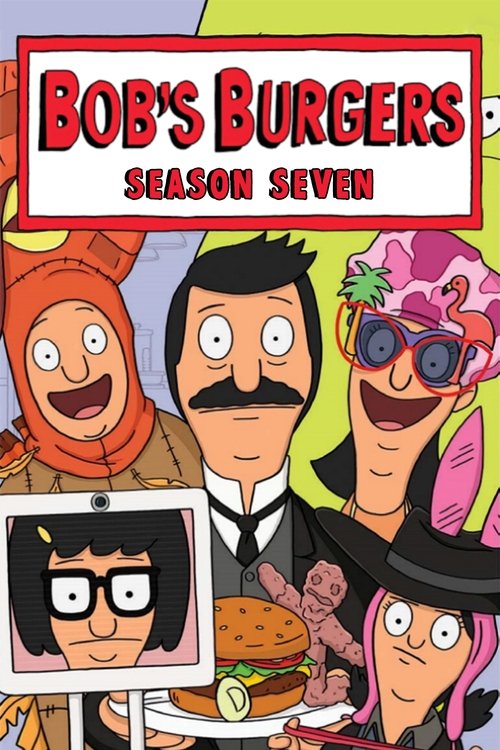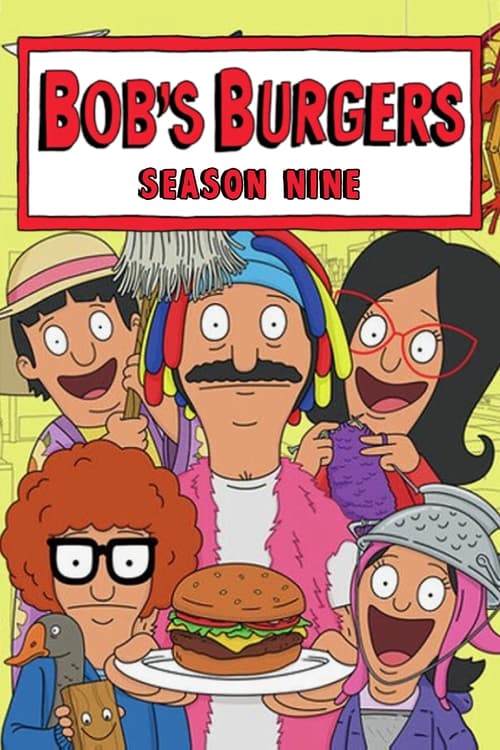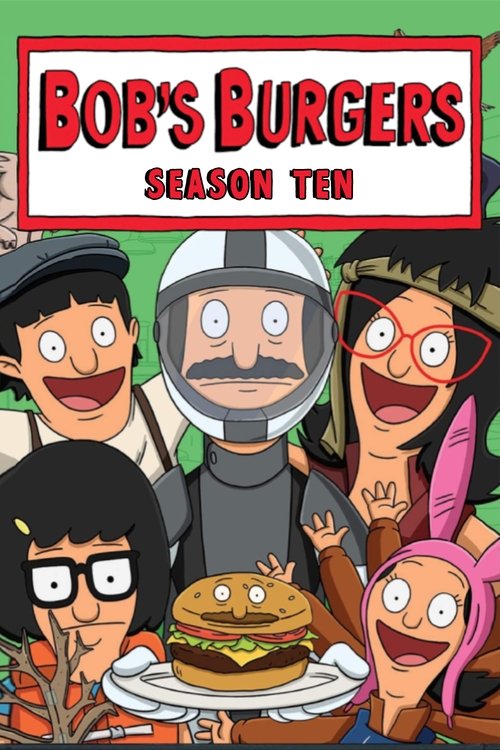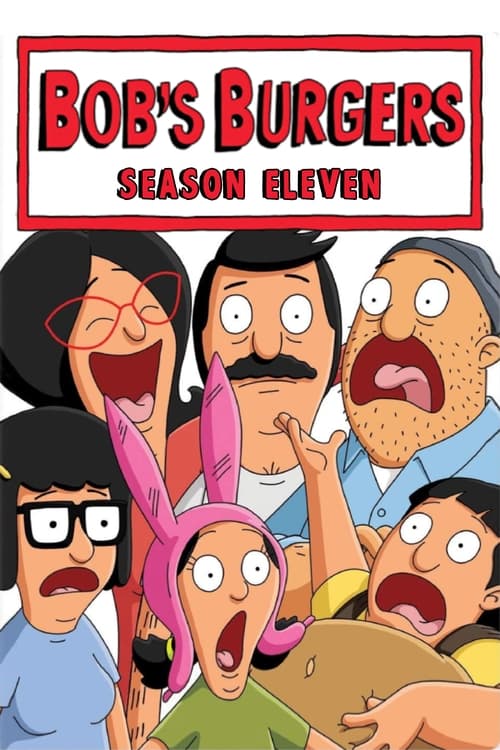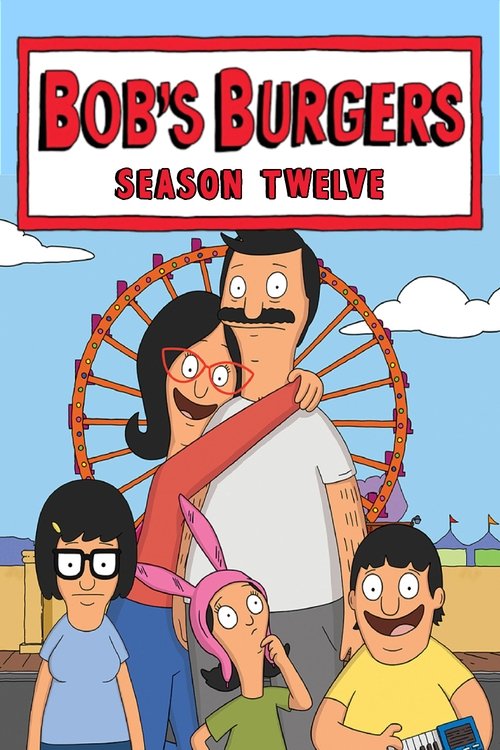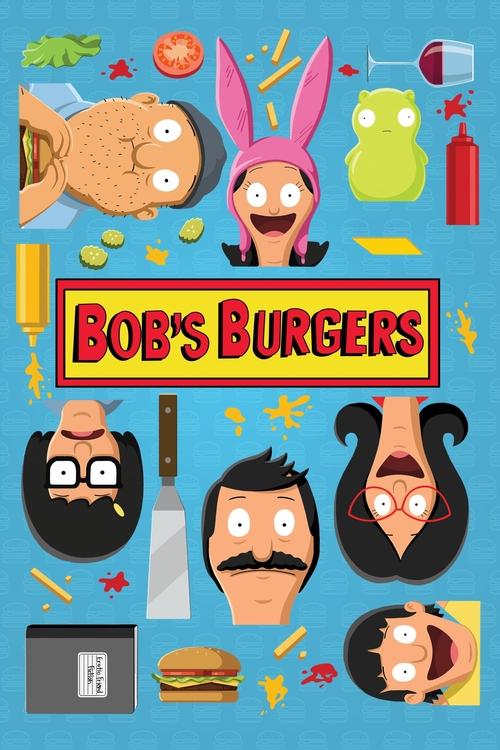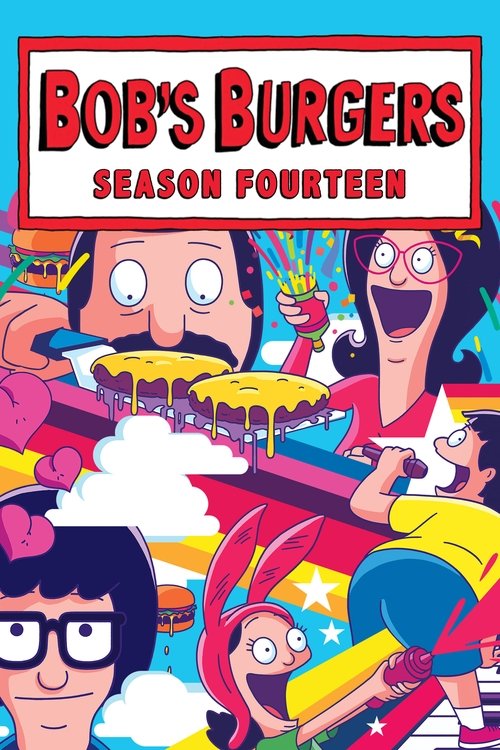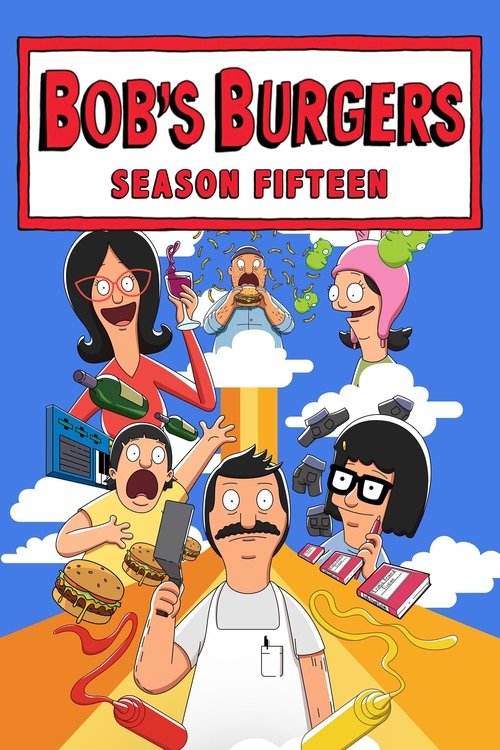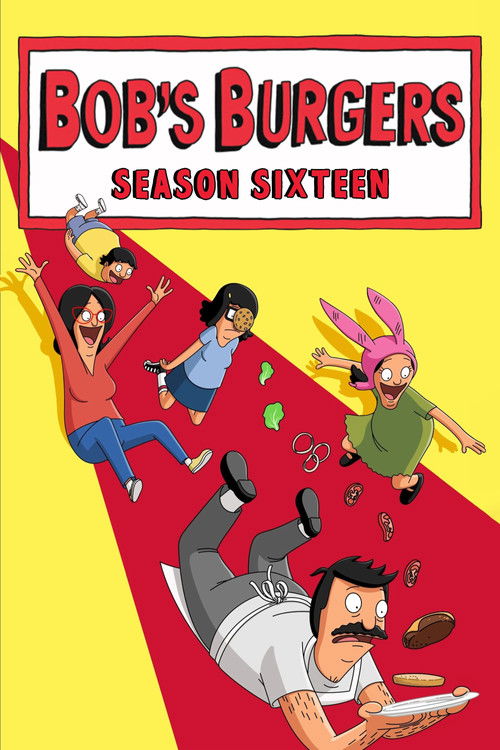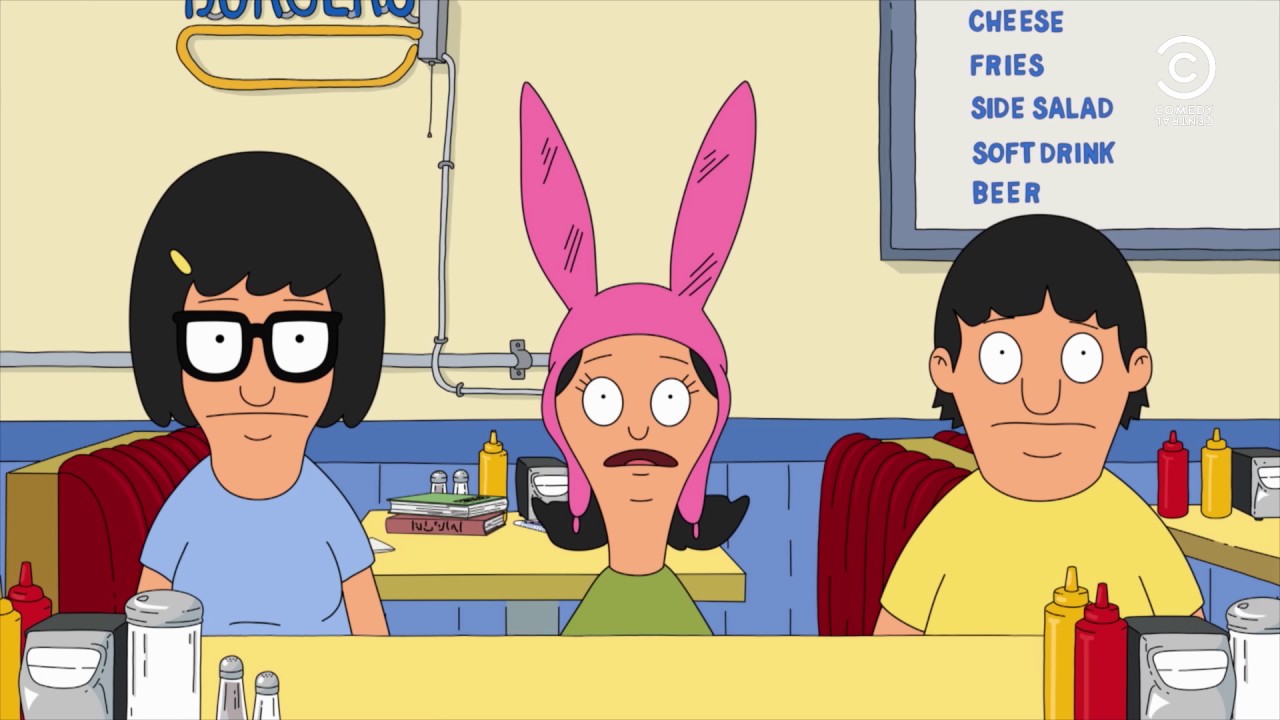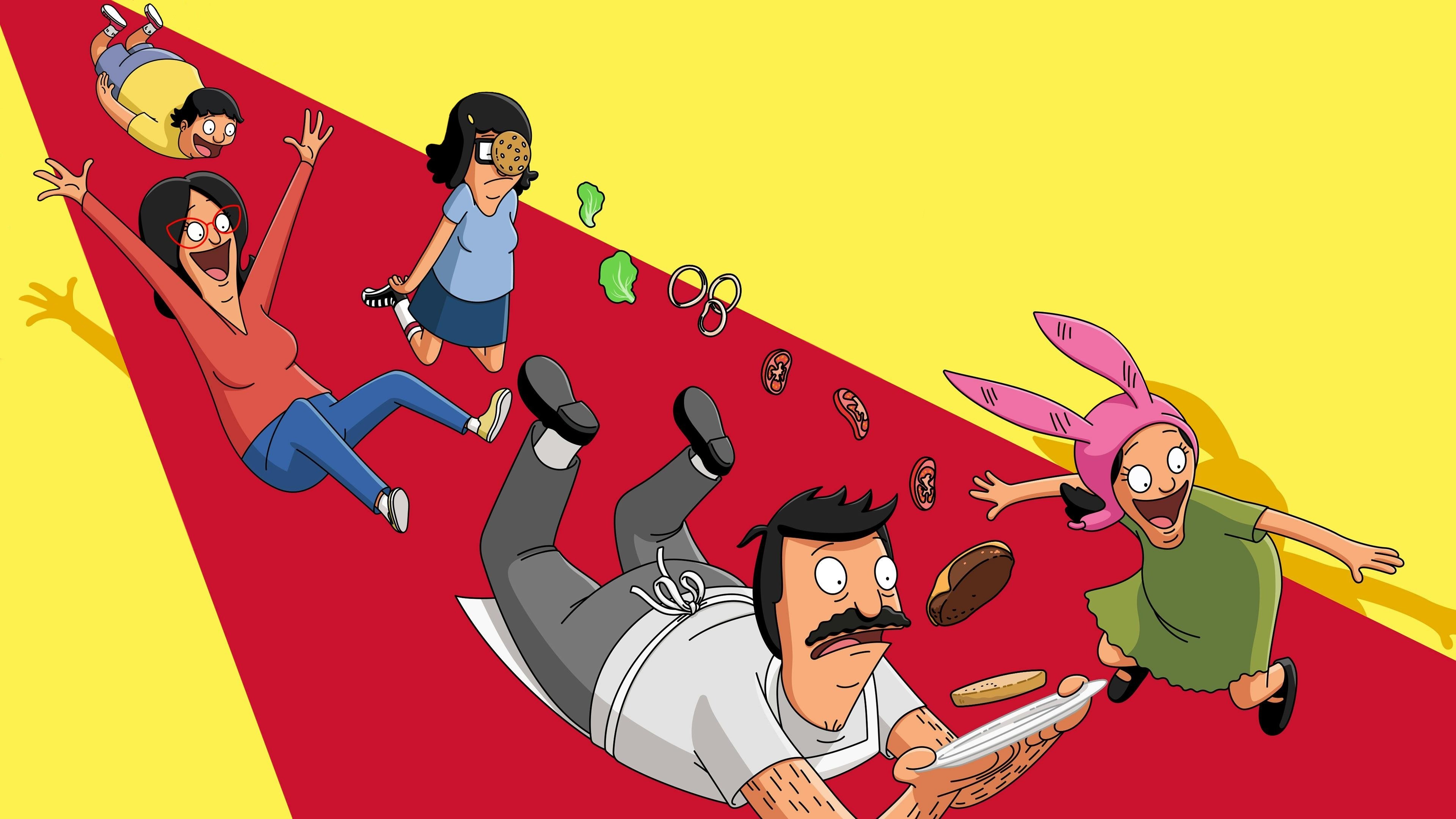
When Bob’s Burgers debuted on FOX back in January 2011, nobody could have predicted it would become one of the most beloved animated comedies of the past decade. Created by Loren Bouchard and Jim Dauterive, the show arrived during a time when animated sitcoms were largely either cynical and biting or saccharine and safe. What made Bob’s Burgers immediately distinctive was its refusal to fit neatly into either category—instead, it carved out its own space by centering genuine warmth and family affection without abandoning humor or heart.
The premise itself is deceptively simple: follow the Belcher family as they navigate running a struggling burger restaurant while dealing with the everyday chaos of life. But that simplicity became the show’s greatest strength. By grounding the narrative in the specific pressures of small-business ownership and working-class survival, Bouchard and Dauterive created something that felt remarkably authentic despite its cartoon format. The 23-minute runtime, perfectly suited for network television, forced the writers to distill stories down to their emotional essence—every joke lands because it’s serving character development, and every character moment feels earned.
What distinguishes Bob’s Burgers from countless other family sitcoms is its radical commitment to love. Consider the show’s fundamental premise: Bob Belcher is a deeply flawed, often frustrated small business owner who genuinely adores his wife and three children. He argues with them, gets exasperated, makes questionable decisions—and yet the through-line of the entire series is his fierce protection of and dedication to his family. This isn’t sentimentality; it’s radical in ways audiences didn’t even realize they needed.
The show’s cultural footprint has been substantial and quietly influential. While it may not have generated the water-cooler discussions of prestige television, Bob’s Burgers built something arguably more valuable: a dedicated, multi-generational fanbase that has sustained the series through 16 seasons and 309 episodes. That longevity speaks volumes about what Bouchard achieved—this isn’t a show that relied on novelty or shock value, but on genuine storytelling and character development that deepened over time.
Several elements became iconic touchstones for viewers:
- Linda’s musical interludes: The way the show uses Bob’s wife Linda’s impulse to break into song became a signature move that somehow never feels forced
- The Burger of the Day: A simple concept that provided weekly flavor and became a beloved running gag
- Tina’s fan fiction: The show’s treatment of adolescent creativity and romance through Tina’s eyes elevated what could have been one-note humor into something genuinely endearing
- Gene’s unbridled chaos: The middle child’s commitment to noise and spectacle as an expression of pure joy became increasingly heartwarming as we understood its source
The animation style itself deserves recognition. Rather than pursuing cutting-edge 3D animation or seeking visual spectacle, the show’s hand-drawn aesthetic created an intimate quality that matched the storytelling. Every frame feels warm and lived-in, which sounds minor until you realize how much this contributes to why audiences have stayed invested for over a decade.
> “The show understood that comedy doesn’t require cynicism, and family stories don’t require saccharine sweetness—they require honesty about who these people are to each other.”
In terms of critical reception, the show’s 7.8/10 rating reflects a fascinating disconnect. While the show never achieved the critical acclaim of prestige animated series, this rating actually undersells the dedicated appreciation it earned. Critical consensus, especially among television critics, increasingly recognized Bob’s Burgers as one of the most consistently solid comedy writing on television. The show proved you could sustain a narrative comedy for over a decade without gimmicks, reboots, or desperate reinvention.
The show’s influence on the animation landscape proved subtle but significant. In a television environment increasingly dominated by either prestige dramas or cynical comedies, Bob’s Burgers demonstrated that there was genuine commercial and critical viability in stories about ordinary people trying their best. It helped pave the way for shows that prioritized emotional authenticity over ironic distance—a shift in the cultural conversation about what animated comedies could be.
The return status of the series speaks to something remarkable: after 16 seasons, the show still has stories to tell, and audiences still want to tune in. This isn’t a show limping along past its prime; this is a series that understands its characters deeply enough to keep finding new angles on their lives. The Belcher family has become as real to millions of viewers as people in their own lives, which is perhaps the highest compliment you can pay a comedy series.
What makes Bob’s Burgers endure is ultimately what made it distinctive from day one: it’s a show that believes in its characters’ fundamental decency while never shying away from their flaws. It understands that family is both the source of our deepest frustrations and our greatest comfort. In a television landscape that often demands either high-stakes drama or cruel humor, Loren Bouchard and Jim Dauterive created something quietly revolutionary—a show that proved audiences would absolutely embrace comedy rooted in genuine affection. Over 309 episodes, Bob’s Burgers has demonstrated that the most radical act in television might just be believing that good people trying their best deserve to have their stories told with humor and love.