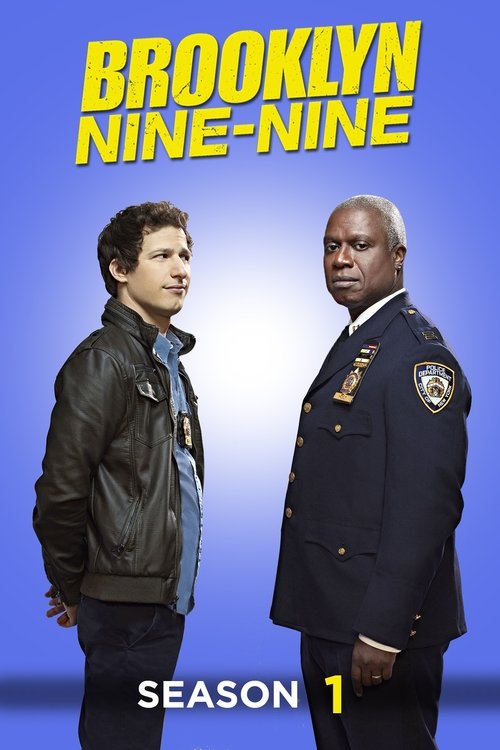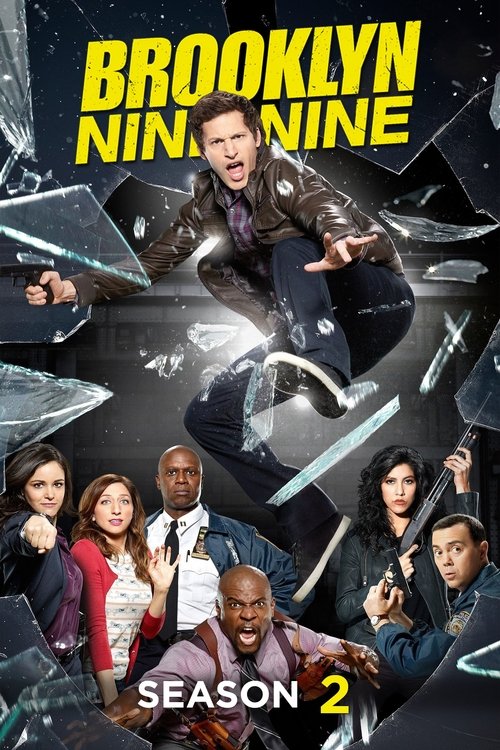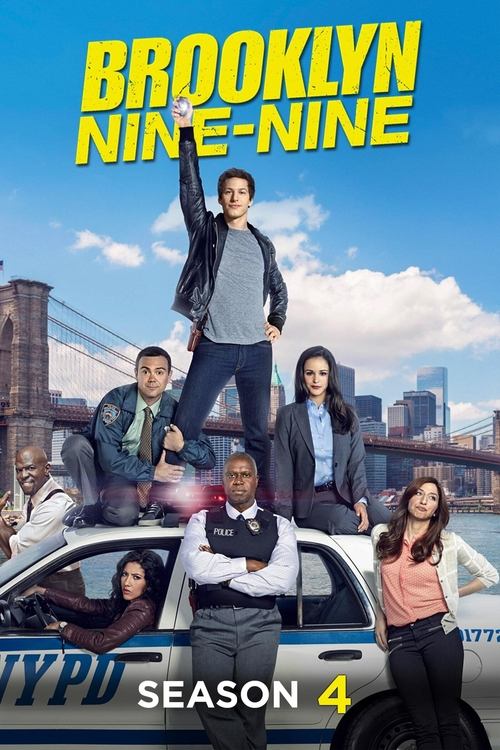
Look, if you’ve been sleeping on Brooklyn Nine-Nine, we need to talk about why this show became such a cultural juggernaut during its eight-season run. When it premiered back in 2013, there was genuine skepticism about whether yet another workplace comedy could actually break through the noise. Spoiler alert: it didn’t just break through—it fundamentally changed how we think about ensemble comedies and what they could accomplish tonally and thematically.
Daniel J. Goor and Michael Schur, working together on what would become their most expansive collaborative project, created something deceptively simple on the surface: a show about Brooklyn detectives working in the Nine-Nine precinct. But what they actually built was a masterclass in character-driven storytelling that somehow balanced razor-sharp humor with genuine emotional stakes. Across 152 episodes, they proved that comedy and crime narratives could coexist without one undermining the other, a combination that really shouldn’t have worked as well as it did.
What made Brooklyn Nine-Nine stand out from the crowded comedy landscape was its remarkable ability to evolve. The show didn’t just rest on the strength of its initial premise—it actually deepened its characters, expanded its universe, and wasn’t afraid to tackle bigger themes as it progressed.
> The show’s greatest achievement wasn’t just that it made us laugh consistently; it made us genuinely invested in these characters’ lives, relationships, and growth over nearly a decade.
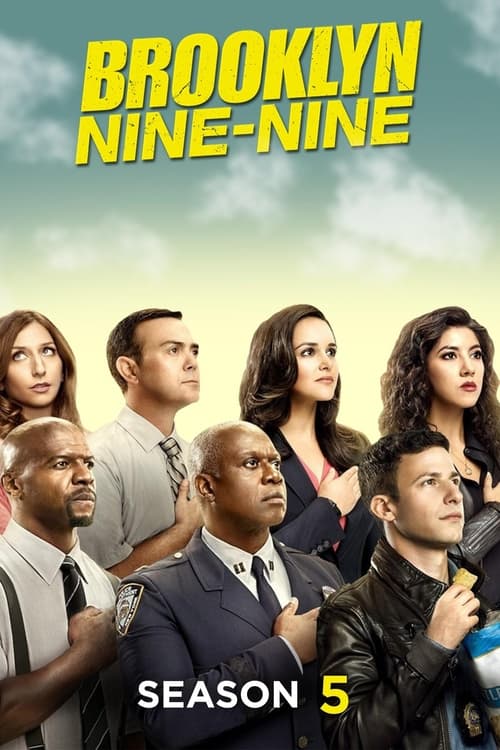
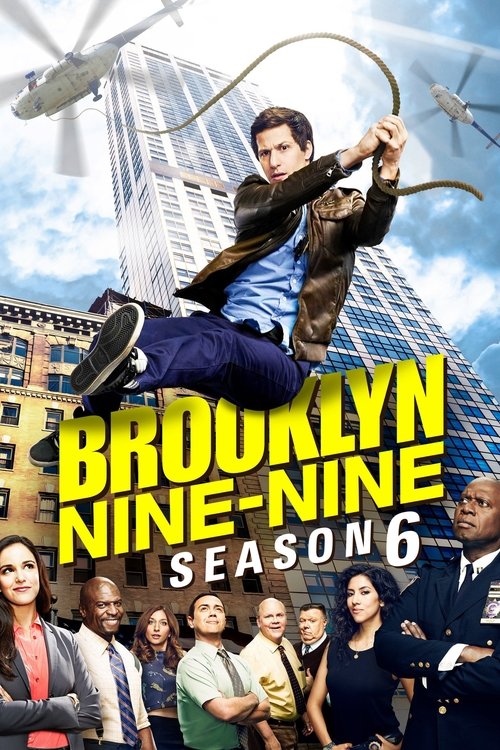
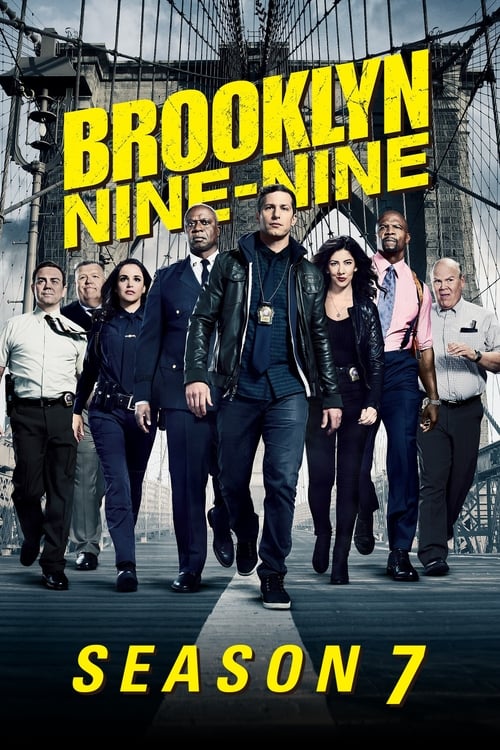
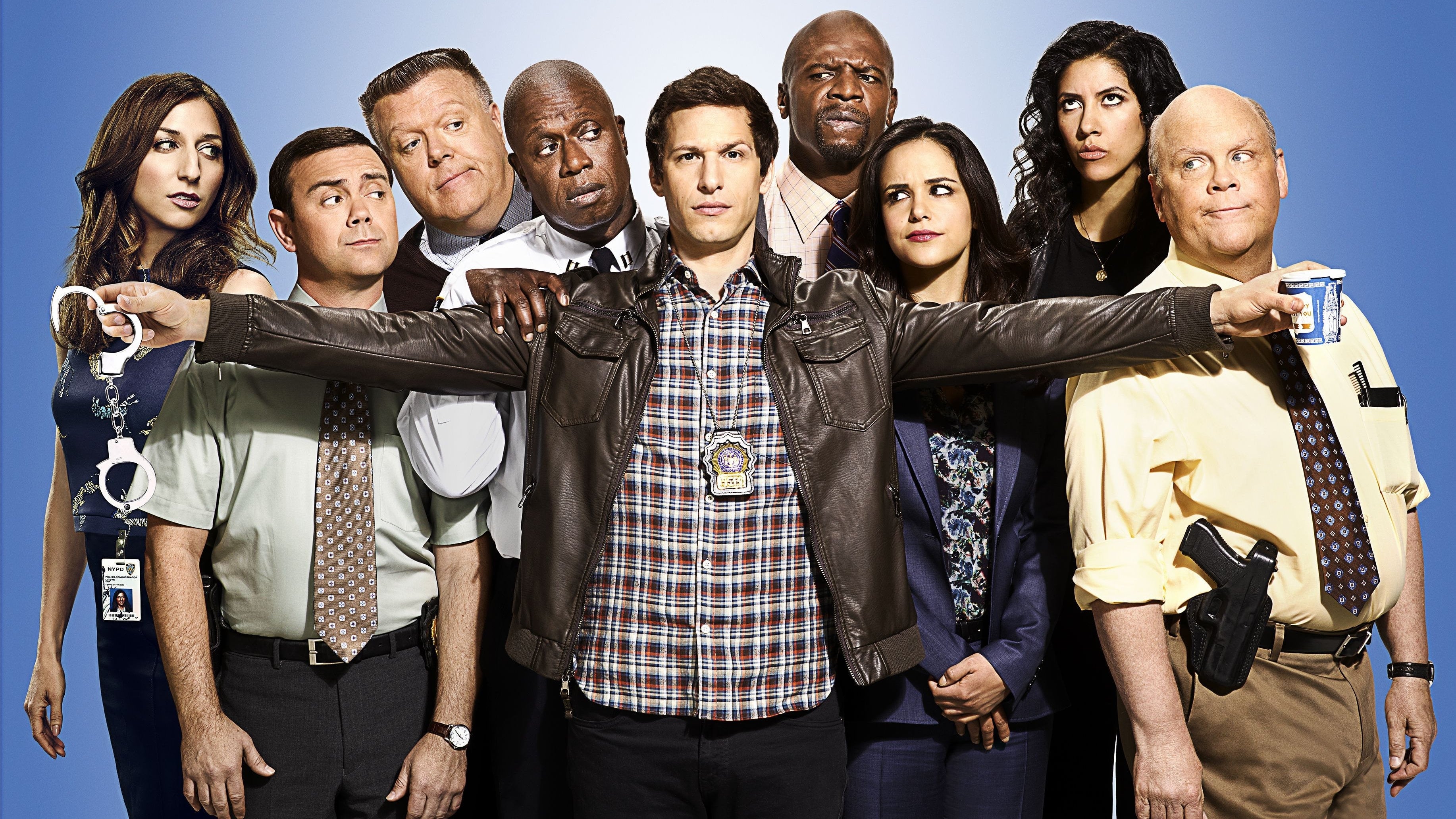
The cast became absolutely essential to the show’s identity. What started as a traditional ensemble comedy gradually revealed itself to be something more sophisticated: a show that understood character arcs, relationship development, and how to balance comedy with unexpected poignancy. The chemistry between cast members felt authentic rather than manufactured, which is no small feat when you’re trying to maintain that balance across eight seasons.
Speaking of cultural impact, Brooklyn Nine-Nine managed something remarkable—it became genuinely beloved without sacrificing comedic integrity. The show sparked important conversations about representation in police procedurals at a time when that wasn’t the default. It featured a diverse cast where the diversity didn’t feel tokenistic; these characters had depth, agency, and their own compelling narratives. The show also navigated contemporary issues with surprising nuance, managing to address serious topics without becoming preachy or losing its comedic voice.
Key aspects that defined the show’s approach:
- Character complexity – No character was a one-note archetype; even the seemingly straightforward personalities revealed unexpected layers
- Romantic tension and payoff – The show understood how to build tension while maintaining comedy, particularly with certain will-they-won’t-they dynamics that actually paid off meaningfully
- Serialized storytelling within comedy – Season arcs meant that character developments carried weight and consequence
- Tone management – Balancing laugh-out-loud humor with surprisingly tender moments became the show’s signature move
- Supporting character development – Even side characters received thoughtful attention and growth
The rating of 8.2/10 reflects something important: this show maintained consistent quality and audience satisfaction across its entire run. That’s not easy to accomplish. Most shows peak early and gradually decline, but Brooklyn Nine-Nine seemed to understand its own strengths well enough to keep finding new comedic territory while respecting what had come before. The show’s structure—with episode runtimes that allowed for flexible storytelling—meant that each episode could breathe naturally rather than feeling constrained by arbitrary time limits.
What’s particularly interesting about examining Brooklyn Nine-Nine in retrospect is how it approached the traditional police procedural genre. Rather than following the gritty, dark formula that dominated crime television, it chose levity and heart. This wasn’t a show interested in moral ambiguity or exploring systemic corruption in a dour fashion. Instead, it presented a world where good people did good work, where friendships mattered as much as case closures, and where character genuinely outweighed cynicism. In today’s television landscape, that optimism feels almost radical.
The show’s journey from 2013 to its conclusion speaks to something we don’t talk about enough: shows that know when to end. Brooklyn Nine-Nine completed eight seasons and reached a natural conclusion rather than overstaying its welcome or being abruptly cancelled. There’s something admirable about that restraint, about trusting that the audience would prefer a satisfying conclusion to endless spinning wheels.
Why it genuinely deserves your attention:
- Strong creative vision – Goor and Schur maintained a consistent voice throughout, avoiding the scattered feeling that plagues many ensemble shows
- Character ensemble – Truly one of the most likable and well-developed casts in comedy history
- Genuine humor – Physical comedy, wordplay, character-based humor, and absurdist bits all coexist
- Emotional resonance – It proved comedies could make you care about outcomes and relationships
- Cultural significance – Changed perceptions about what police procedurals could be
- Rewatchability – The show holds up beautifully on revisits; jokes land just as hard
If you’re looking for a show that entertained millions while respecting its audience’s intelligence, that made people laugh while occasionally moving them, that built a diverse ensemble where everyone mattered, then Brooklyn Nine-Nine deserves a place in your watchlist. It’s available across multiple streaming platforms, waiting for you to experience what made it such an enduring favorite. Trust the acclaim—this one earned it.